EN
EN
EN
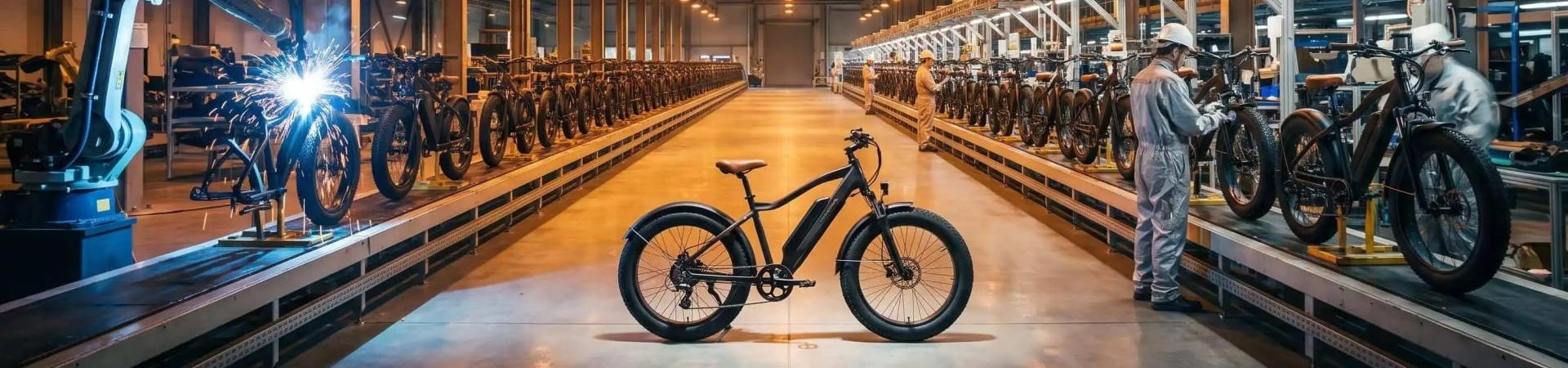
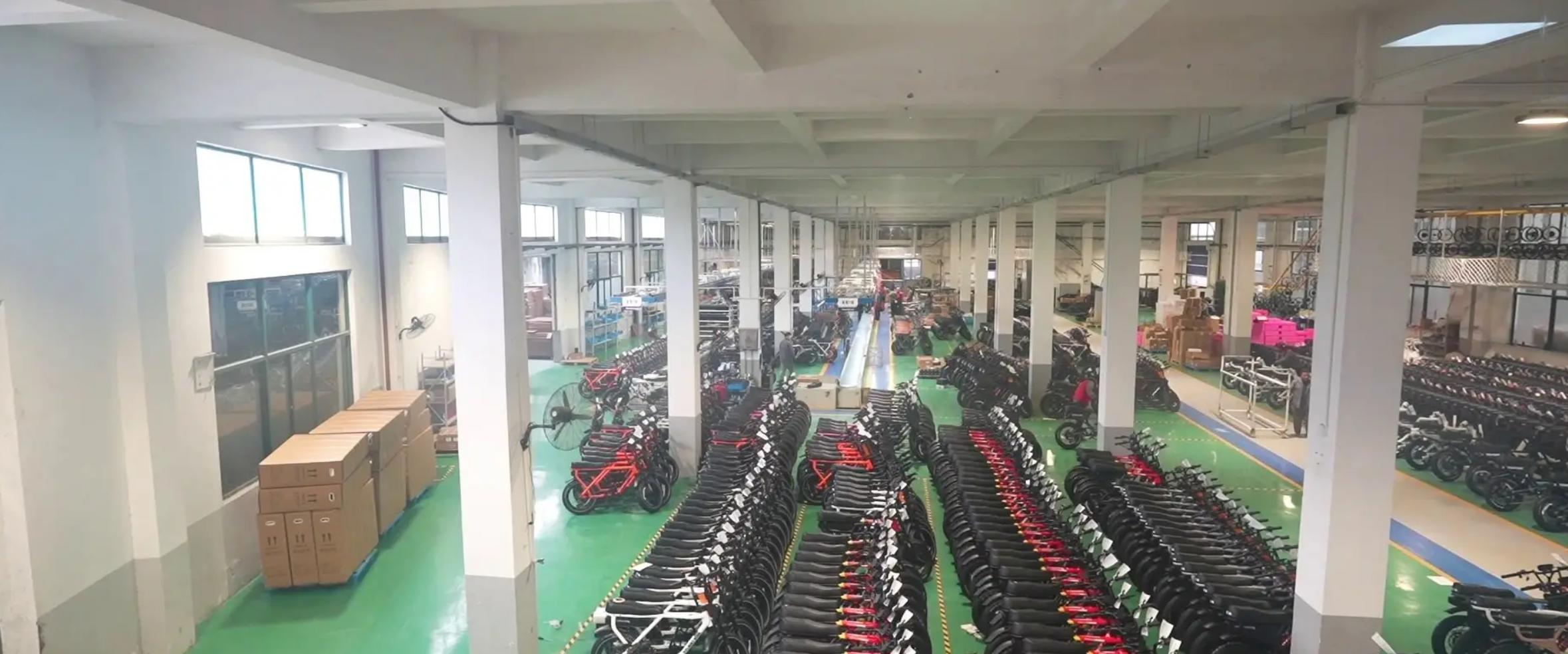
200,000 m² integrated factory in Hangzhou — CNC machining, heat treatment, automated painting and 100+ checkpoint quality control. 300,000 units per year, factory-direct.
Many electric bike factories assemble rather than manufacture. Frames arrive from a steel supplier. Paint is done at a separate facility. Electrical components are sourced pre-assembled. The factory's role is coordination, not production. At ZUMIBIKE's Hangzhou facility, the model is fundamentally different. CNC machining of frame tubing, professional MIG welding, T4 and T6 heat treatment, automated spray painting and multi-station assembly all operate under the same roof, managed by the same quality system, overseen by the same engineering team. This vertical integration is not a selling point — it is the structural reason why specification compliance is consistent across production runs, why delivery schedules are predictable, and why quality escapes are caught at the factory rather than discovered by a customer.
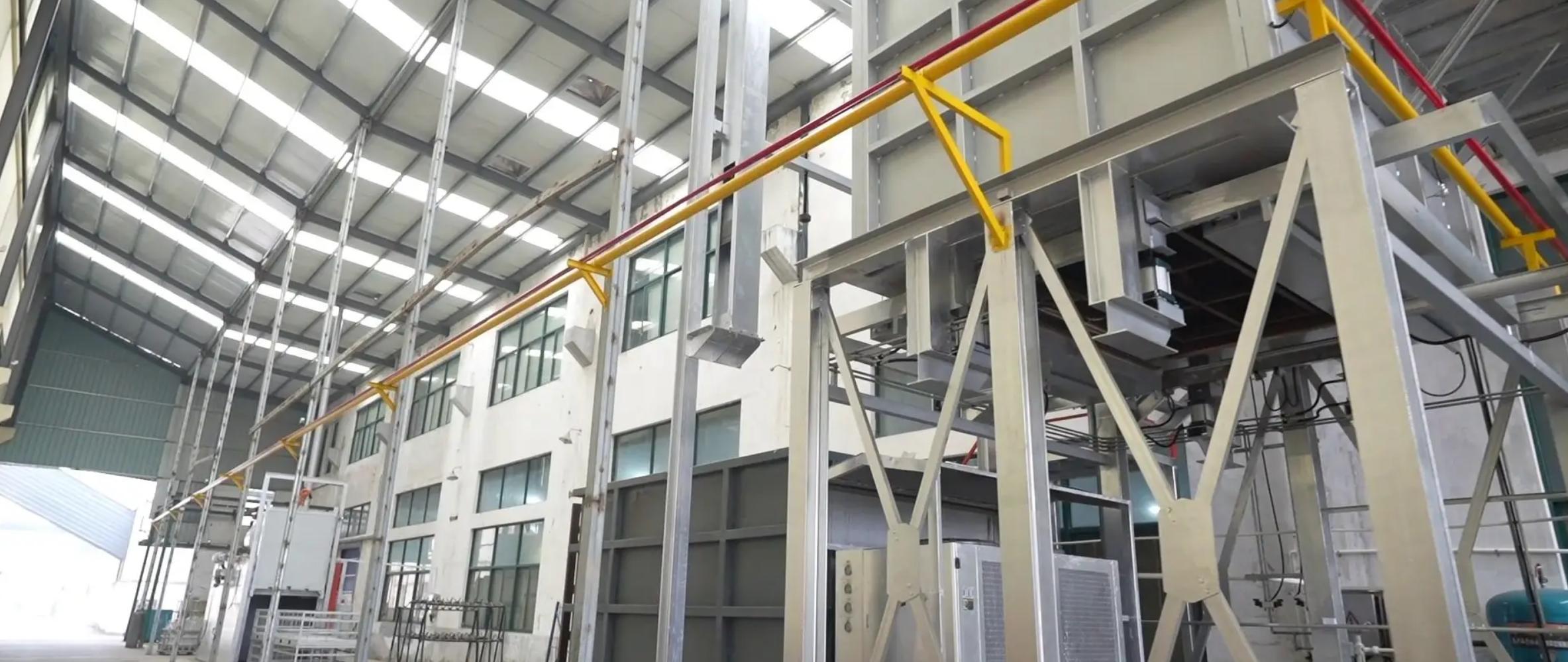
The facility spans 200,000 square metres and produces 300,000 electric bikes per year. Behind that capacity is a team of 50-plus R&D engineers whose work is reflected in a portfolio of more than 200 registered patents — 120-plus exterior design patents and 80-plus utility model patents. A joint R&D centre established with the Industrial Design and Research Institute of Zhejiang University of Technology supports product development at an academic and technical level that most factories in the category cannot access. For OEM and ODM customers, this engineering depth translates into a manufacturing partner capable of executing complex specifications reliably — not just assembling a catalogue configuration with a logo applied at the end.
Every ZUMIBIKE electric bike moves through a defined five-stage production sequence — each stage controlled in-house, each transition checked against quality specifications before the unit advances. This is not a flexible process that adapts to production pressure. It is a fixed manufacturing standard applied to every unit at every production volume.
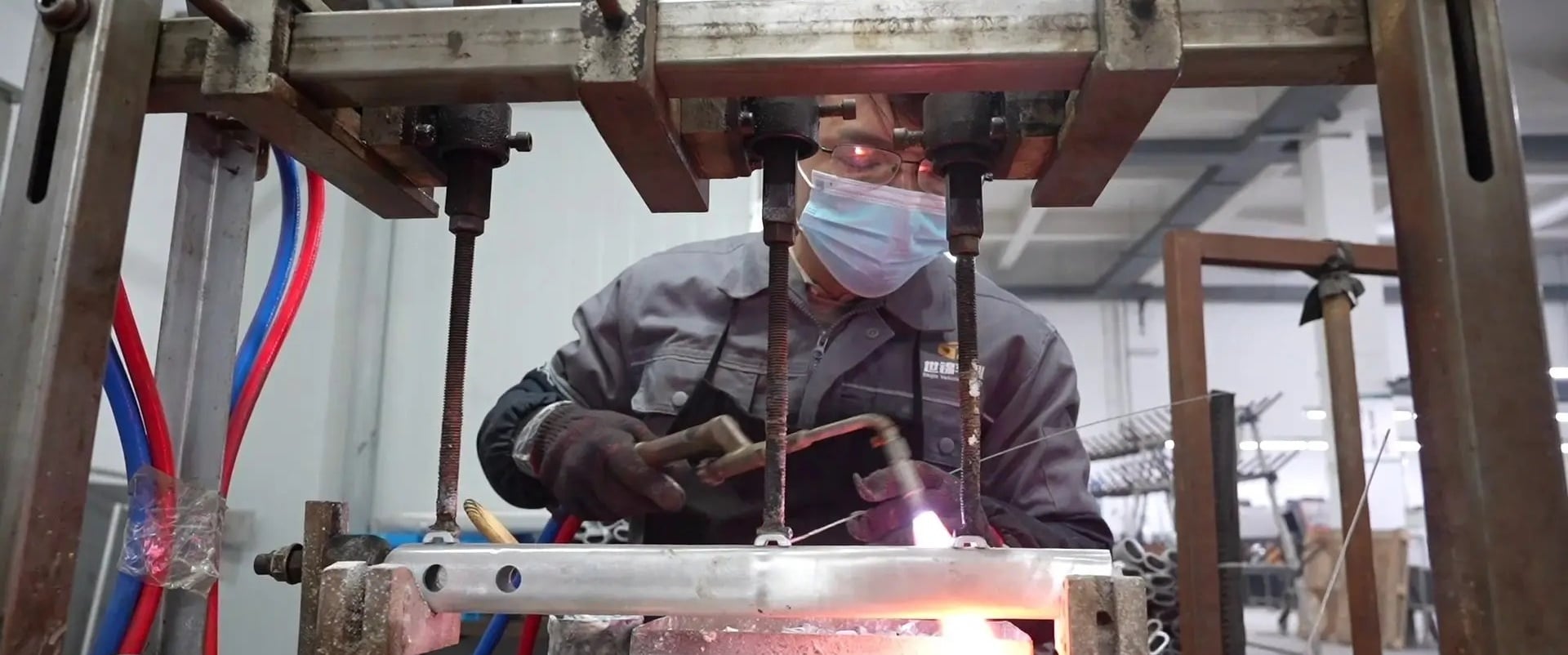
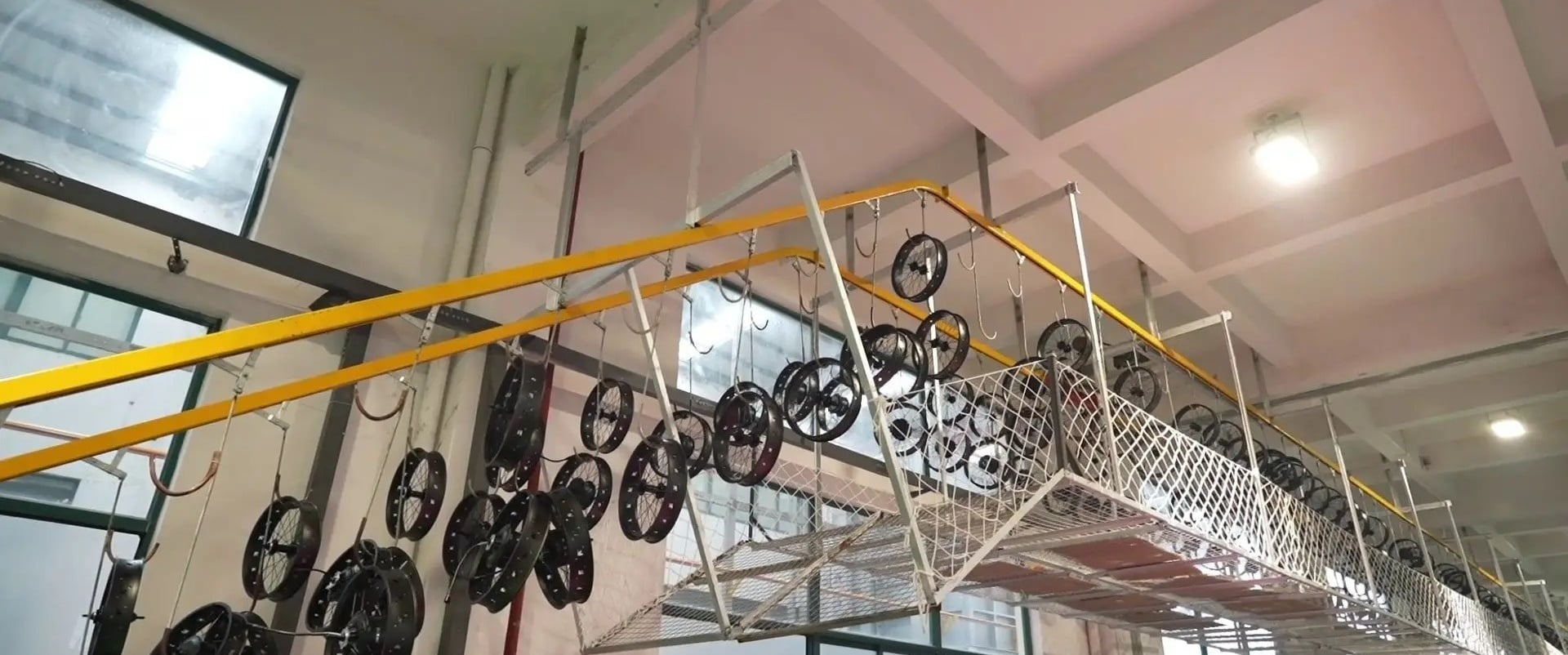
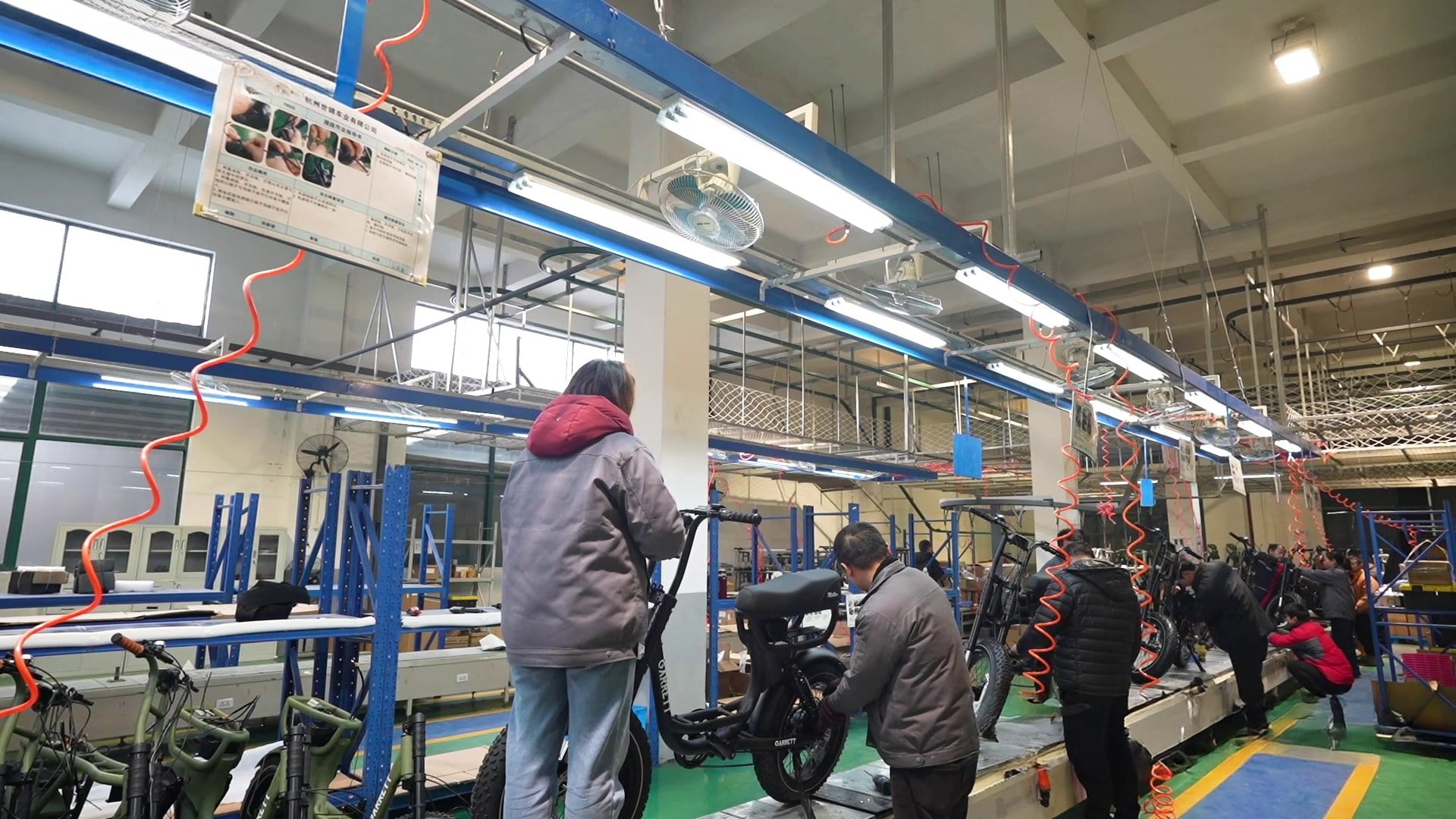
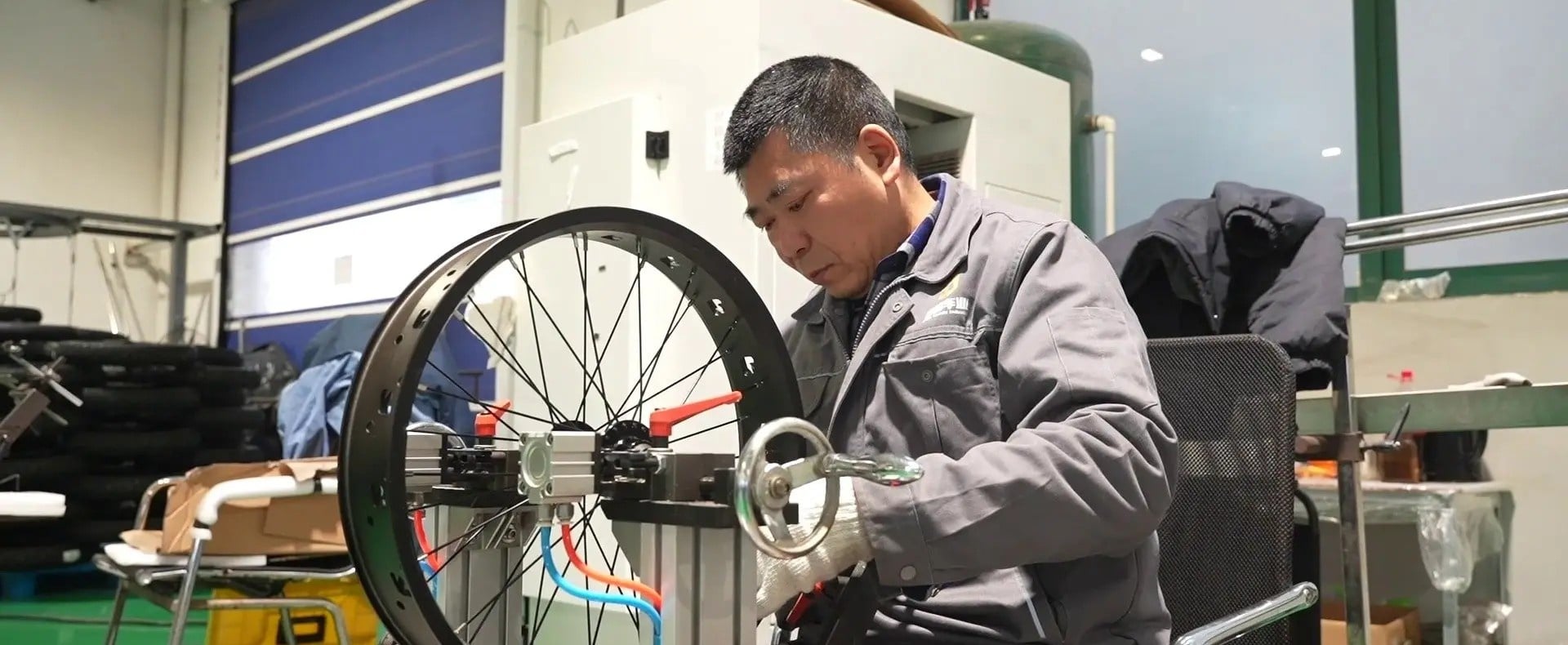
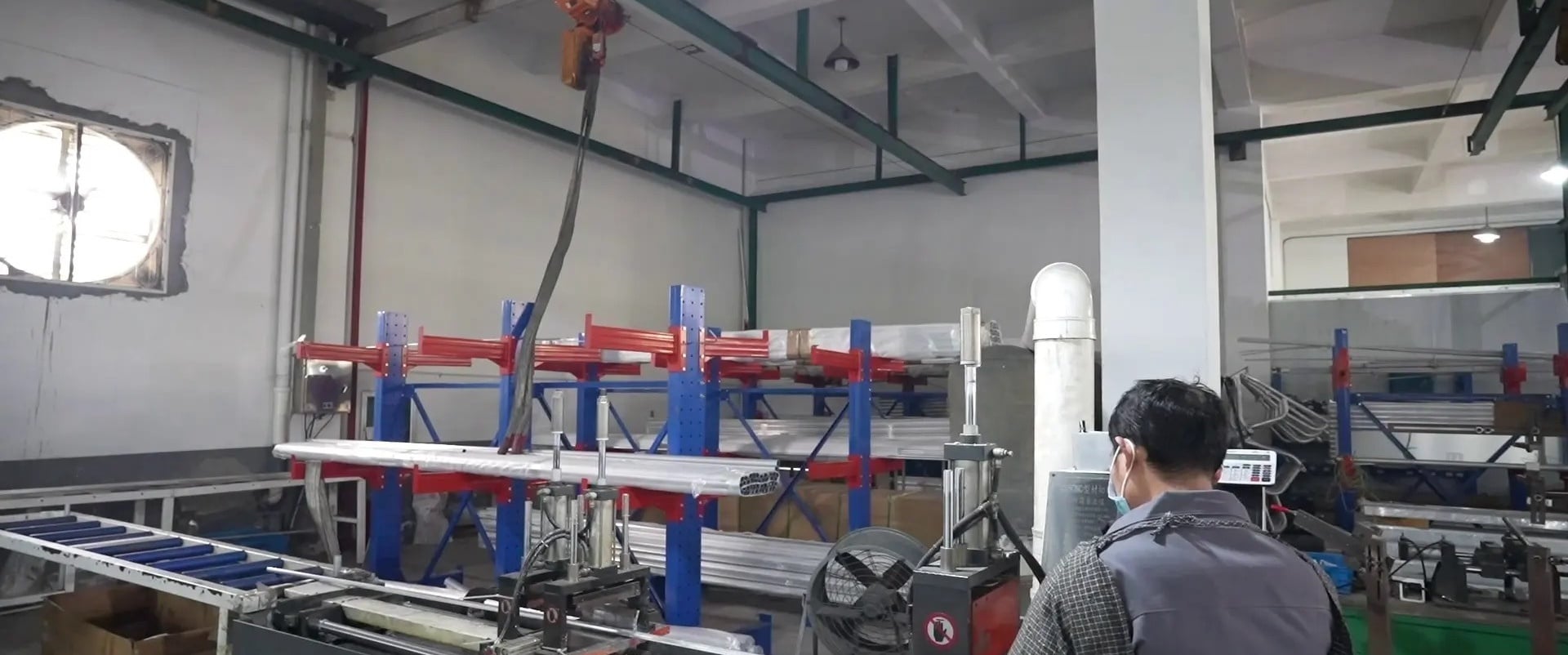
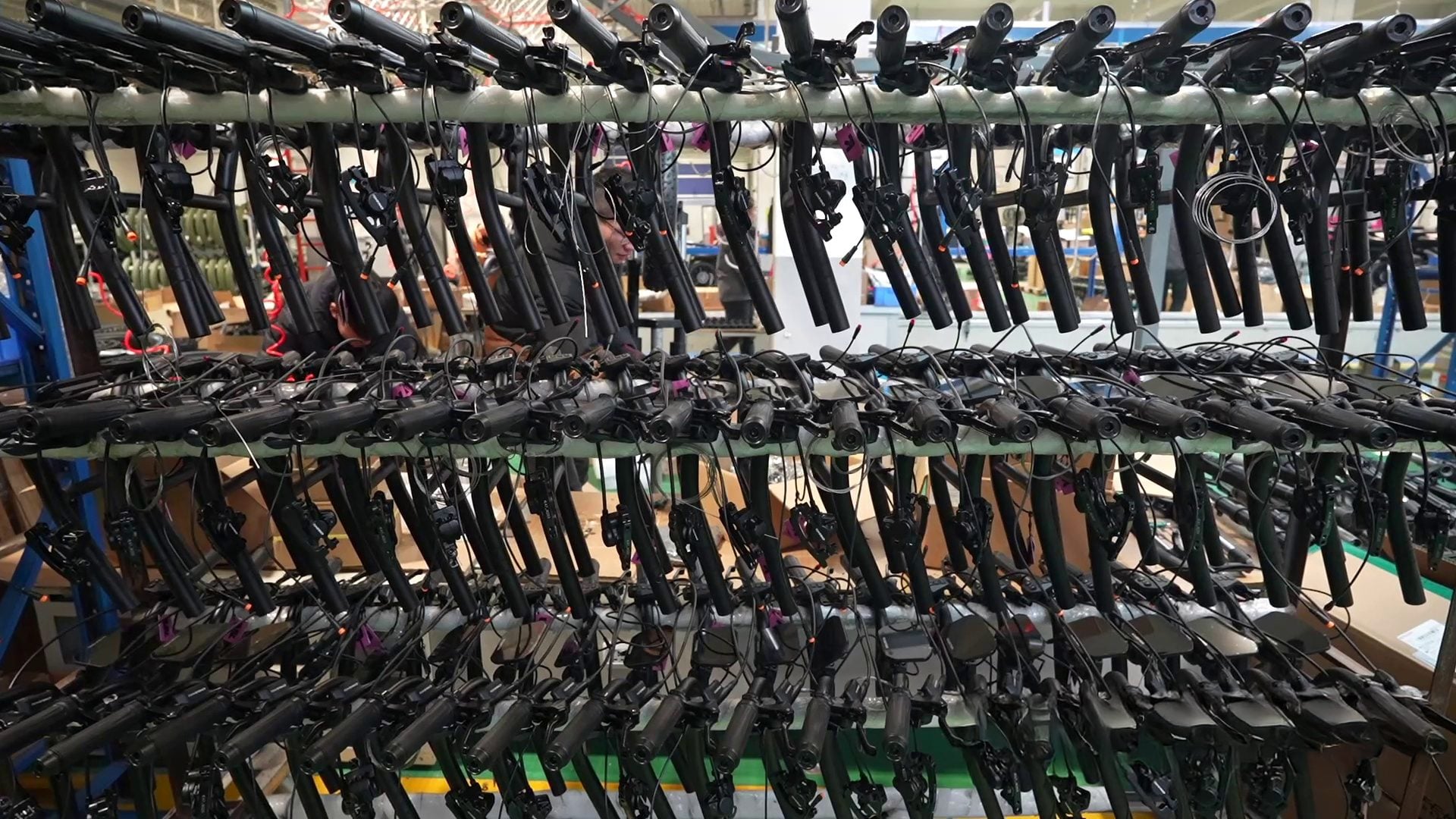
Full-Process Production of Electric Fat Tire Bikes at Our Factory