 EN
EN
STEP 1
Full vehicle warranty for 2 years
2026/08/03
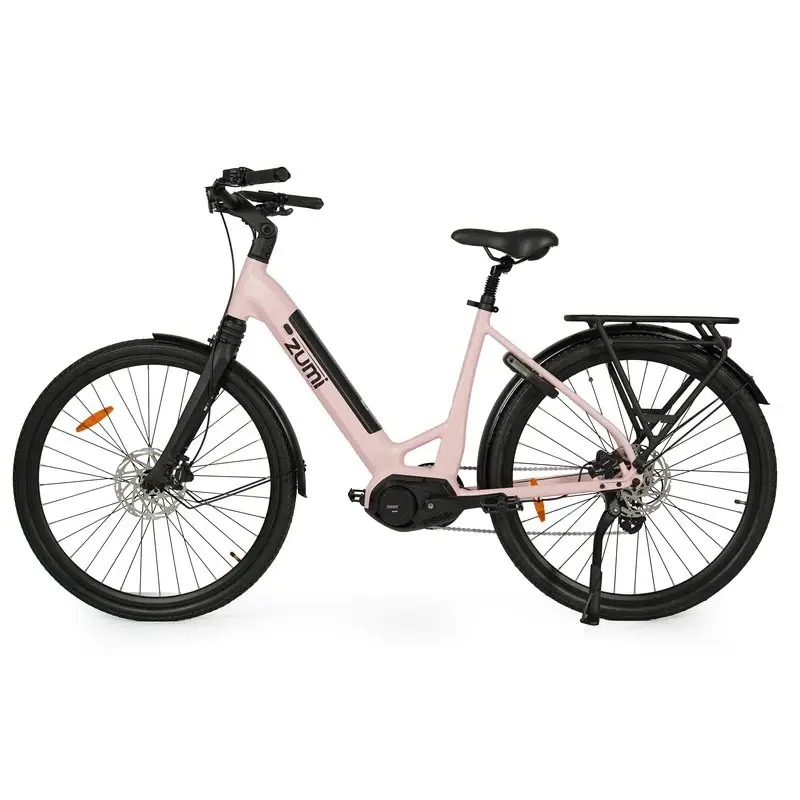
Selecting a reliable chinese electric bikes supplier requires understanding battery certifications thoroughly. When sourcing electric bikes at wholesale volumes, battery safety and compliance directly impact your liability, market access, and customer trust. Most buyers focus only on price and lead times, but battery certifications represent a critical risk management layer that separates professional ebike supplier operations from informal manufacturers.
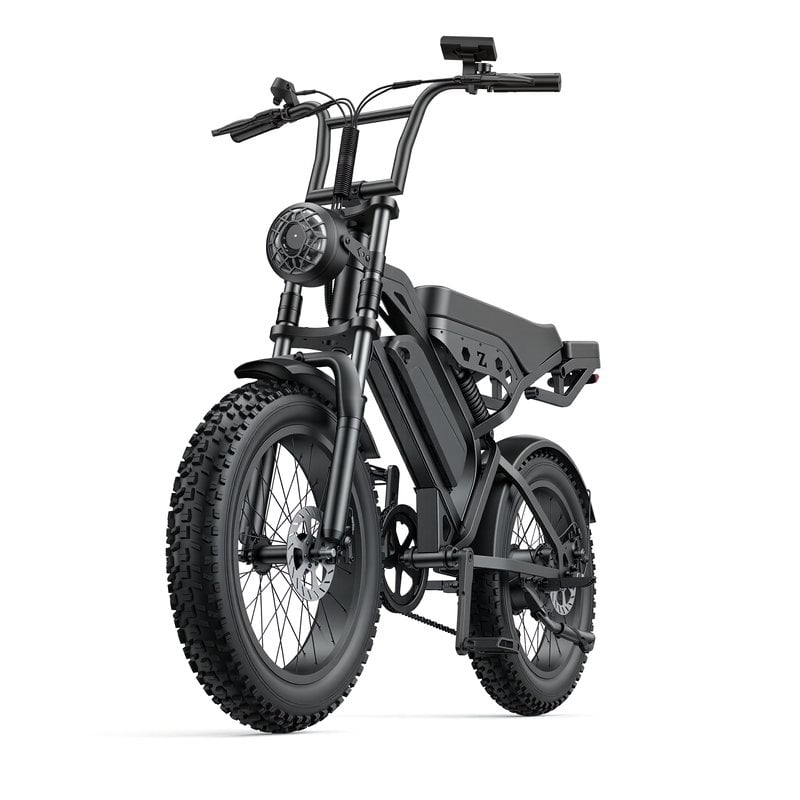
Battery certifications serve three essential functions in the electric bike wholesale market. First, they validate that cells and packs meet international safety standards, reducing thermal runaway risk and fire hazards. Second, they ensure regulatory compliance in target markets like North America, Europe, and Asia-Pacific, which have mandatory testing requirements for lithium-ion systems. Third, they provide liability protection and insurance coverage eligibility, which protects your business if product failures occur downstream. Understanding which certifications your ebike supplier holds is as important as verifying manufacturing capacity.
The most widely recognized battery certifications for an electric bike wholesale operation include IEC 62619, UN 38.3, and UL 2271. IEC 62619 is a European standard that specifies safety requirements for lithium-ion cells and battery packs, covering electrical, thermal, and mechanical safety testing. UN 38.3 governs the transport of dangerous goods by air, critical for any chinese ebike sourcing that involves logistics across continents. UL 2271 is the North American equivalent, establishing safety criteria for batteries in stationary and mobile auxiliary power applications.
When evaluating a chinese electric bikes supplier, verify that their manufacturing facility maintains ISO 9001 quality management certification alongside battery-specific testing credentials. Many contract manufacturers claim compliance but lack third-party validation. Request actual test reports from accredited laboratories, not just certificates with manufacturer signatures. The ebike supplier should provide documentation showing that batteries underwent thermal cycling, short-circuit testing, and crush testing as defined by the standard.
Different markets impose distinct battery certification mandates. The European Union enforces the Battery Regulation (EU) 2006/66/EC and requires CE marking for battery packs, which means independent conformity assessment. North American retailers increasingly demand UL certification to qualify for product liability insurance. China's own GB/T 31241 standard applies to batteries sold domestically. A professional chinese ebike supplier maintains compliance pathways for multiple regions, not just domestic sales.
When sourcing electric bike wholesale quantities, clarify upfront whether the ebike supplier has already invested in multi-market certifications or if you will bear the cost of third-party testing. Some manufacturers operate on a cost-plus model where certification expenses are passed to the buyer. Others have achieved certifications that apply globally, making their products immediately eligible for distribution across regions. This distinction significantly impacts your time-to-market and total project cost.
Requesting certification documents from your chinese electric bikes supplier is necessary but insufficient. Verify credentials directly with the issuing body. Notified Bodies in the EU maintain public registries; UL provides a certificate search tool online; and TUV, SGS, and Bureau Veritas maintain client lists. Contact the testing laboratory listed on the certificate to confirm the ebike supplier's test scope and validity dates. Fraudulent or expired certificates are common in low-cost sourcing scenarios.
Red flags include missing serial numbers on certificates, vague test scopes that don't specify battery chemistry or capacity, and certificates issued by unknown laboratories. If a chinese ebike supplier cannot produce original third-party test reports within 48 hours, escalate caution. Do not accept copy-and-paste certificates from shared digital files; request original documents issued directly by the lab. Battery safety is not an area where cost-cutting through unverified suppliers yields acceptable returns.
An electric bike wholesale partnership warrants an on-site factory audit before bulk orders commence. During an audit, verify that the chinese electric bikes supplier maintains physical test equipment or contracts with accredited labs for ongoing validation. Inspect battery assembly cleanrooms, cell storage conditions, and quality control checkpoints. Ask to witness incoming cell inspections and finished pack testing procedures. A legitimate ebike supplier will have documented control procedures and batch traceability systems in place.
Request access to batch certification records and traceability documentation. Your chinese ebike supplier should track which cells and management systems went into each finished battery pack, enabling rapid recalls if issues emerge. Cross-reference pack serial numbers with test certificates. Transparency here indicates professional operations; evasiveness or delays suggest corner-cutting practices that will create liability exposure later.
Battery certifications are not one-time achievements; they require ongoing compliance. When a chinese electric bikes supplier changes cell manufacturers, modifies battery management system firmware, or adjusts pack configurations, certifications may require renewal testing. Establish contractual clauses requiring your ebike supplier to notify you immediately of any design changes and their certification implications. Include penalties for silent modifications that invalidate existing compliance documentation.
Certificates typically have validity periods ranging from two to five years. Verify that your chinese ebike supplier maintains a compliance calendar and budgets for recertification testing before expiration. An electric bike wholesale operation cannot afford sudden supply disruptions due to expired certifications. Include annual compliance verification as part of your supplier quality agreement, with scheduled audits and documentation refreshes.
A professional chinese electric bikes supplier will provide clear liability frameworks tied to certifications. If batteries fail and injuries result, insurance and legal liability depend on whether certified specifications were maintained and documented. Ensure your ebike supplier provides batch-level warranties, failure analysis procedures, and recall protocols. Request product liability insurance certificates confirming that the supplier is insured for defects in certified battery packs.
Document all certification-related correspondence and test reports in a centralized compliance file. When selling electric bike wholesale products, maintain these records for at least ten years, as product liability claims may emerge years after sale. If a chinese ebike supplier cannot provide complete chain-of-custody documentation for batteries in your finished bikes, you bear the compliance risk independently.
Operating without proper battery certifications exposes your business to import seizures, fines, product recalls, and liability claims. Many jurisdictions ban uncertified lithium-ion battery packs from retail sale or shipping. Your ebike supplier should hold certifications before you commit to bulk orders, not promise them after purchase.
Most battery certifications remain valid for two to five years, but your chinese ebike supplier must test immediately if any component changes occur. Annual compliance audits are industry best practice. Certificates should be refreshed proactively, not reactively after they expire, to maintain continuous market access.
No, certifications are specific to tested configurations. A chinese electric bikes supplier cannot claim UL or IEC certification for a new battery capacity unless that exact model underwent independent testing. Each battery variant requires its own certification documentation to be compliant.
2026/08/03
Fix time zones, language gaps, and unclear protocols—boost speed, cut costs, and scale confidently.
2026/08/03
Learn precise air pressure, rebound & compression tuning for optimal suspension performance. Get pro-level setup tips now.
2026/08/03
Discover how voltage drop saps performance—and proven fixes to restore responsiveness, range, and battery life. Read now.
2026/08/03
Discover data-backed protocols, smart infrastructure & operational fixes. Optimize now.
2026/08/03
How payload cuts 48V cargo ebike range by 15–50%+ — backed by real-world degradation curves, motor load science & fleet optimization strategies.
Comprehensive warranty, fast parts shipping, remote diagnostics and local dealer training


