 EN
EN
STEP 1
Full vehicle warranty for 2 years
2026/08/03
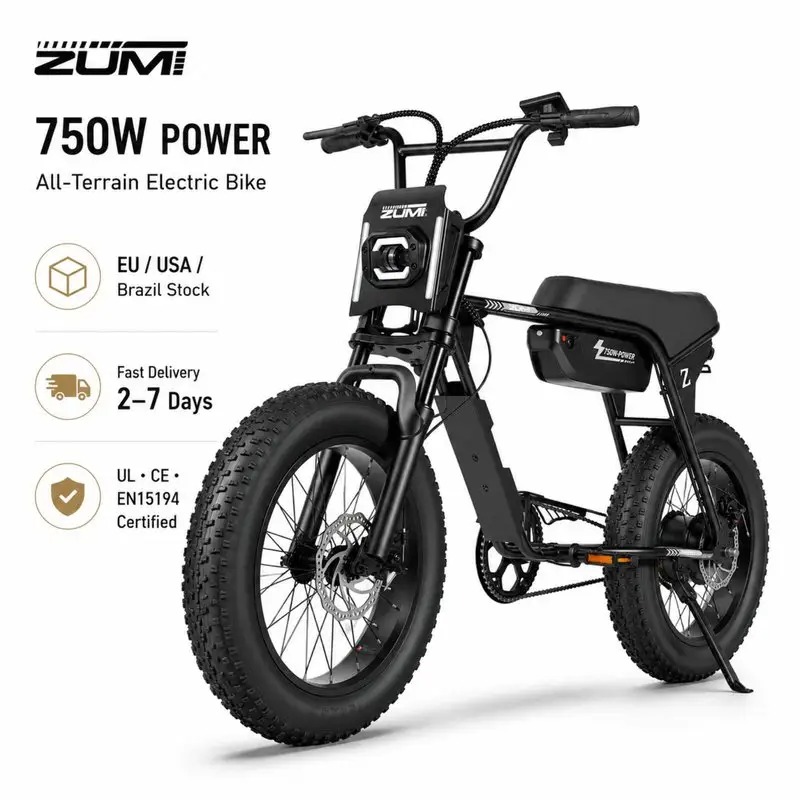
Air fork suspension is one of the most critical components on your 48v electric mountain bike, directly affecting comfort, control, and trail performance. Unlike hardtail designs, a properly tuned air fork system on your mountain ebike absorbs impacts, maintains traction, and improves rider confidence on technical terrain. However, many riders overlook the importance of regular air fork adjustment, leaving significant performance on the table. Understanding how to fine-tune your 48v ebike air forks transforms your riding experience from acceptable to exceptional.
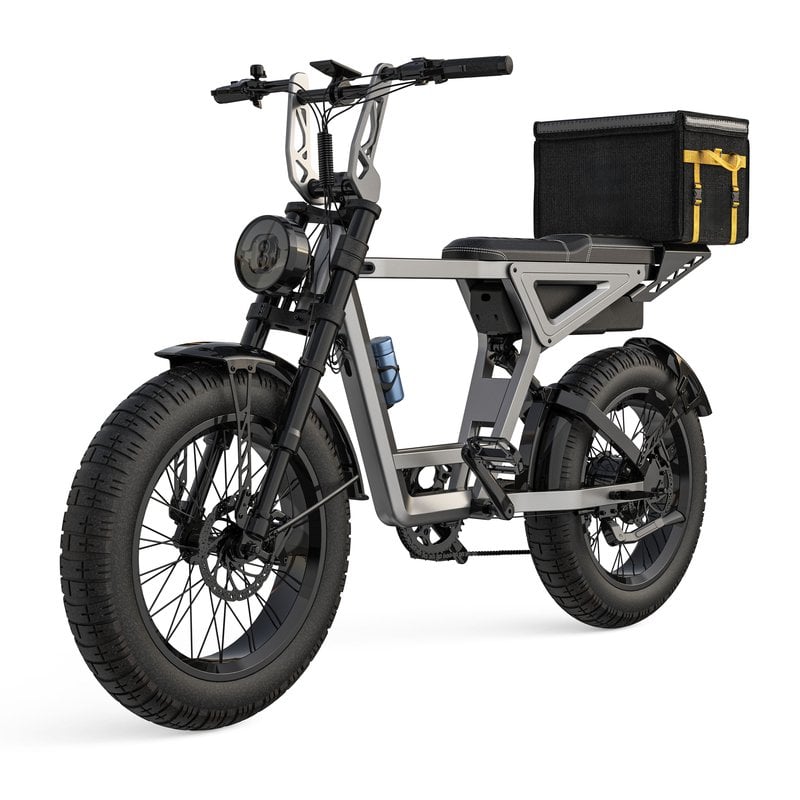
A 48v ebike carries additional weight compared to traditional mountain bikes due to its battery and motor system, requiring specific suspension adjustments that account for this extra mass. The air pressure, rebound damping, and compression settings on your electric mountain bike fork must work together to handle both the rider weight and the added 10 to 15 kilograms of electrical components. This comprehensive guide will walk you through the essential adjustment procedures, help you understand the relationship between settings and performance, and empower you to maintain your suspension system independently.
Air pressure is the foundation of air fork performance on any electric mountain bike, and a 48v ebike rider must account for higher total system weight when establishing baseline pressure. The recommended pressure range typically appears on the fork's stanchion tube, but this baseline assumes a standard-weight rider on a conventional bike. Your 48v electric mountain bike weighs significantly more, meaning you may need to increase air pressure by 5 to 10 PSI above the baseline to achieve the same sag percentage. Sag refers to how much the fork compresses under your weight while stationary, and maintaining 20 to 30 percent sag ensures optimal performance across bump absorption and energy retention.
To measure your current setup, you will need a fork-specific pressure gauge, which differs from standard bicycle pumps because it attaches directly to the fork's air valve. Start by noting your riding weight fully geared on your 48v ebike, then add approximately 3 to 5 kilograms to account for the electrical system's contribution to suspension loading. Sit on your mountain ebike in riding position, then have someone measure the distance from a fixed point on the fork to the stanchion. Compare this measurement to the fork's total travel to calculate your sag percentage. If your sag exceeds 35 percent, add air pressure in 5 PSI increments. If sag falls below 15 percent, reduce pressure gradually. Repeat this process after every two weeks of regular riding on your 48v ebike.
Compression damping controls how quickly the air fork compresses when you hit obstacles, and this setting becomes especially important on a 48v ebike due to the increased momentum and energy transfer. Most modern air forks include a low-speed compression adjuster, which manages impacts below 5 kilometers per hour, and a high-speed compression adjuster for rapid terrain transitions. Start with both set to factory default, then ride a technical section on your electric mountain bike and note how the fork behaves. If the fork feels harsh and chatter is present, increase compression damping by one click. If the fork sinks too deeply into its travel during standing climbs on your 48v ebike, your compression settings are too soft. Make single-click adjustments and test each change over multiple rides before moving further.
Rebound damping determines how fast the air fork extends after compression, directly influencing how quickly your 48v ebike recovers for the next obstacle and whether the fork feels sluggish or responsive. If rebound is too slow, the fork remains compressed, reducing available travel for subsequent impacts and creating a wallowing sensation on your mountain ebike. If rebound is too fast, the fork rebounds abruptly, throwing weight forward and reducing stability. For a 48v electric mountain bike, begin with rebound set to the middle position, ride varied terrain, and listen to how the fork feels after bumps. Adjust rebound counterclockwise to increase speed or clockwise to slow recovery. Since your electric mountain bike carries extra weight, you may benefit from slightly faster rebound settings than a conventional bike to maintain energy and momentum through technical sections.
Air pressure inside your fork changes with temperature, expanding in warm conditions and contracting in cold weather, which directly affects how your 48v ebike performs across seasons. A fork set perfectly in summer may feel harsh in winter as air contracts, reducing effective pressure by 2 to 5 PSI. Conversely, moving from winter to spring riding can cause your mountain ebike fork to feel overly soft as air expands. Check air pressure monthly on your 48v electric mountain bike, especially when transitioning between seasons or moving to significantly different elevations. Many experienced riders on an electric mountain bike maintain a maintenance log, recording pressure settings, sag measurements, and damping positions alongside seasonal temperature and riding conditions to identify performance patterns.
Dust, dirt, and moisture gradually damage the seals inside your air fork, reducing pressure retention and increasing friction on your 48v ebike. After muddy rides, rinse the lower stanchions gently with water and allow them to dry before storing your 48v electric mountain bike indoors. Every six months, apply a small amount of specialized fork suspension oil to the stanchion to protect seals and reduce friction. If your mountain ebike fork loses pressure noticeably between rides, the seals may require replacement by a professional service technician. Regular maintenance extends fork lifespan significantly and maintains consistent performance on your electric mountain bike throughout the year, ensuring your 48v ebike suspension remains responsive and reliable.
Start with the manufacturer's baseline pressure for your body weight plus an additional 5 to 10 PSI to account for the extra mass of your 48v electric mountain bike battery and motor. Aim for 20 to 30 percent sag when sitting on your mountain ebike in riding position, adjusting air pressure as needed until sag reaches the optimal range. Your specific pressure depends on fork model, rider weight, and total 48v ebike system weight.
Check your 48v ebike air fork pressure monthly or before major riding sessions, as air gradually leaks even from high-quality seals over time. Damping adjustments on your electric mountain bike usually require only seasonal fine-tuning unless you significantly change riding style, terrain, or add cargo to your 48v electric mountain bike. Major pressure drops between rides indicate seal damage that requires professional service on your mountain ebike.
Yes, the extra 10 to 15 kilograms on your 48v electric mountain bike directly influences suspension setup, requiring higher pressure and potentially different damping configurations compared to a standard mountain ebike. The total system weight affects how air compresses, how quickly the fork cycles, and the energy delivered through obstacles, making pressure and damping adjustments specific to your 48v ebike configuration essential for optimal performance.
2026/08/03
Fix time zones, language gaps, and unclear protocols—boost speed, cut costs, and scale confidently.
2026/08/03
Avoid liability & import bans: Learn IEC 62619, UN 38.3, and UL 2271—plus how to verify real compliance (not fakes).
2026/08/03
Discover how voltage drop saps performance—and proven fixes to restore responsiveness, range, and battery life. Read now.
2026/08/03
Discover data-backed protocols, smart infrastructure & operational fixes. Optimize now.
2026/08/03
How payload cuts 48V cargo ebike range by 15–50%+ — backed by real-world degradation curves, motor load science & fleet optimization strategies.
Comprehensive warranty, fast parts shipping, remote diagnostics and local dealer training


