 EN
EN
STEP 1
Full vehicle warranty for 2 years
2026/08/03
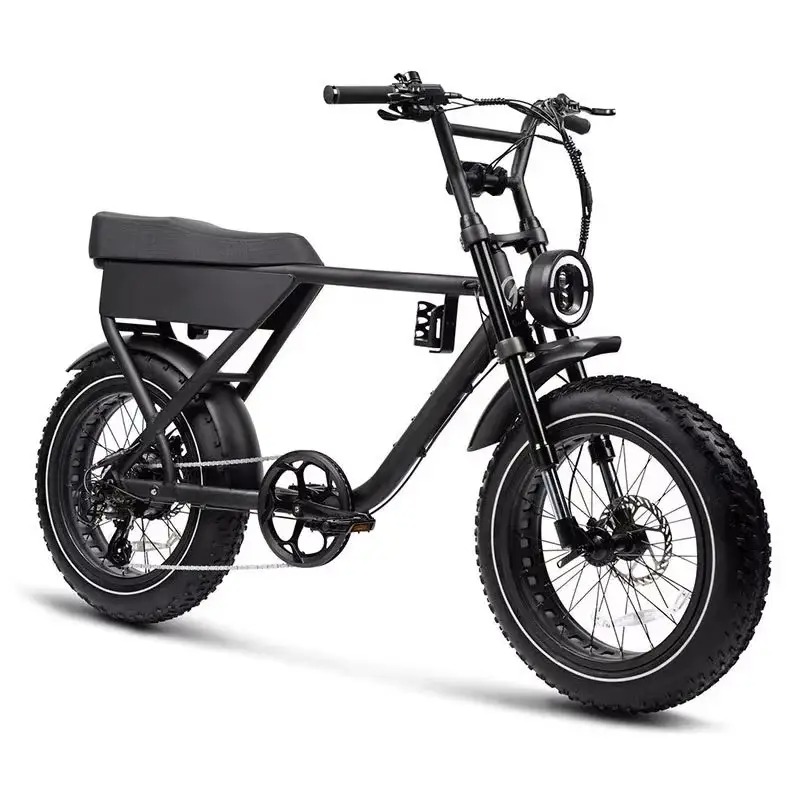
Voltage drop is a critical performance factor that directly impacts the power delivery and efficiency of your 48v electric mountain bike. Understanding how electrical resistance decreases available voltage at the motor is essential for riders seeking optimal trail performance and battery longevity. When voltage drops significantly, your 48v ebike loses acceleration responsiveness, climbing power, and overall ride quality, making this technical aspect one of the most important considerations for serious mountain ebike enthusiasts.
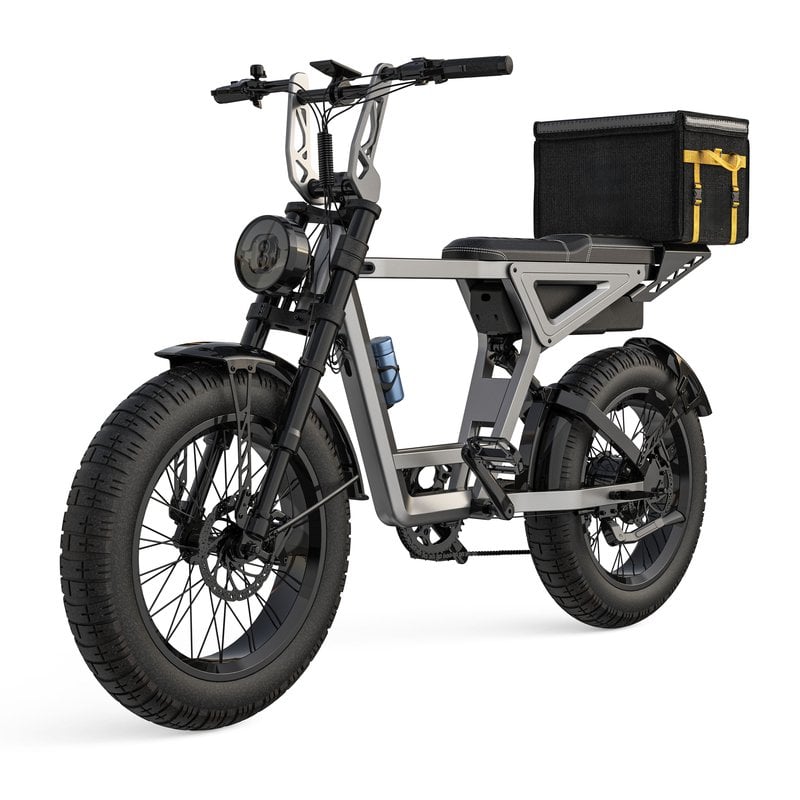
Every electrical system experiences voltage loss as current flows through wires, connectors, and internal components. For an electric mountain bike operating at 48 volts, even small percentage drops translate into meaningful power reduction. The physics behind this phenomenon involves resistance in conductors and the relationship defined by Ohm's law, where voltage decreases as electrical current encounters resistance in the circuit path leading from the battery to the motor and back.
The primary cause of voltage drop in a 48v electric mountain bike involves resistance within the electrical pathway. Wires have inherent resistance based on their gauge, length, and material composition. Undersized wiring or excessively long cable runs increase this resistance proportionally. Additionally, connector interfaces introduce resistance at each connection point, particularly when corroded or loose connectors create poor electrical contact. A quality mountain ebike maintains thick gauge wiring and premium connectors to minimize these losses during peak power delivery.
Battery internal resistance also contributes to voltage drop. As a 48v ebike battery ages or operates in cold conditions, its internal impedance increases, causing the battery to deliver less voltage under high current draw. This effect becomes especially noticeable during aggressive acceleration or climbing steep terrain, when the motor demands maximum current from the battery pack.
The motor controller acts as the interface between battery and motor, managing power delivery and regulating current flow. Lower quality controllers introduce additional voltage losses through their switching circuits and power electronics. A high-performance 48v ebike employs advanced motor controllers that minimize these losses while maintaining smooth power delivery. The motor itself also has inherent losses, with efficiency varying based on motor design, winding resistance, and operating conditions specific to mountain ebike applications.
Voltage drop directly reduces the available power at your motor. A 48v electric mountain bike experiencing 5 volts of drop operates effectively at 43 volts instead of the rated 48 volts. Since motor power increases with voltage, this reduction significantly impacts acceleration and climbing performance. Riders commonly notice sluggish response when voltage drops exceed manageable levels, particularly noticeable when demanding full throttle on steep trails or during rapid acceleration sprints.
The relationship between voltage and power output becomes critical for mountain ebike performance. Lower voltage means reduced electromagnetic field strength in the motor, translating to reduced torque output and slower wheel acceleration. For a mountain ebike rider tackling technical terrain, this performance loss compromises handling responsiveness and trail safety.
Excessive voltage drop forces your battery to work harder to deliver required power, reducing overall range on a single charge. An electric mountain bike with poor voltage management will deplete its battery faster than a well-designed system, even under identical riding conditions. This efficiency loss compounds over many charge cycles, accelerating battery degradation. Serious mountain ebike riders understand that voltage drop management directly translates to extended range and improved battery lifespan.
Selecting appropriate gauge wiring is fundamental to minimizing voltage drop in a 48v electric mountain bike. High-current applications demand thicker conductors to support maximum current draw without excessive resistance. Most quality mountain ebike manufacturers use 10 AWG or thicker wiring for main battery circuits, particularly between battery and motor controller. Upgrading to larger gauge wiring reduces resistance proportionally, directly improving voltage delivery to the motor.
Cable length should remain as short as practical in the 48v electric mountain bike design. Longer cable runs inherently increase total circuit resistance. Clean, secure connections at all points eliminate contact resistance that would otherwise accumulate. Premium connector systems featuring gold plating or silver contacts resist corrosion and maintain superior electrical conductivity throughout your electric mountain bike's operational life.
Maintaining optimal battery condition preserves the voltage delivery capability of your mountain ebike system. Store your 48v ebike battery in cool, dry conditions to prevent internal resistance from increasing prematurely. Before long rides or important trail sessions, fully charge the battery to maximize available voltage output. Periodic inspection of all connectors and terminals ensures clean electrical contact and minimizes accumulated resistance in the system.
System upgrades offer another avenue for voltage drop reduction. Installing a battery management system with integrated monitoring provides real-time voltage readings, helping riders understand how drop affects their specific mountain ebike under different operating conditions. Professional inspection of controller and motor windings ensures components operate at peak efficiency, maintaining the voltage delivery characteristics essential for reliable electric mountain bike performance.
Industry standards suggest that voltage drop should not exceed 3 percent under full load conditions for a properly designed 48v ebike system. This means acceptable drop ranges from approximately 1.4 to 2.4 volts, keeping the motor operating at 45.6 to 46.6 volts minimum. Exceeding 5 percent drop results in noticeable performance degradation on your electric mountain bike, compromising acceleration and climbing ability on challenging terrain.
Testing voltage drop requires a digital multimeter and knowledge of basic electrical measurement. Measure voltage directly at the battery terminals under no-load conditions, then measure again at the motor connector while the 48v ebike runs at full throttle on flat ground. The difference between these readings represents your system's voltage drop. Significant gaps of 5 volts or more indicate corroded connectors, undersized wiring, or aging battery requiring attention to restore mountain ebike performance.
Cold temperatures increase internal battery resistance substantially, exacerbating voltage drop in your 48v ebike system. Lower temperatures slow chemical reactions inside the battery, increasing the impedance of the battery pack. This effect intensifies voltage drop especially during high-power demands common in mountain ebike trail riding. Riders operating in winter conditions often experience reduced power delivery and range compared to summer performance on the same mountain ebike model.
2026/08/03
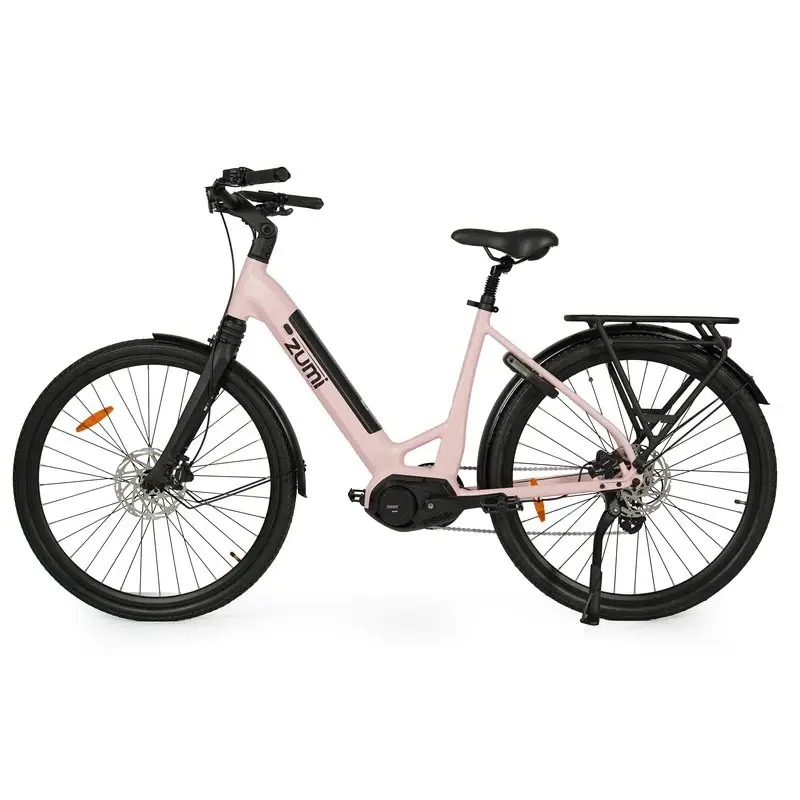
Fix time zones, language gaps, and unclear protocols—boost speed, cut costs, and scale confidently.
2026/08/03
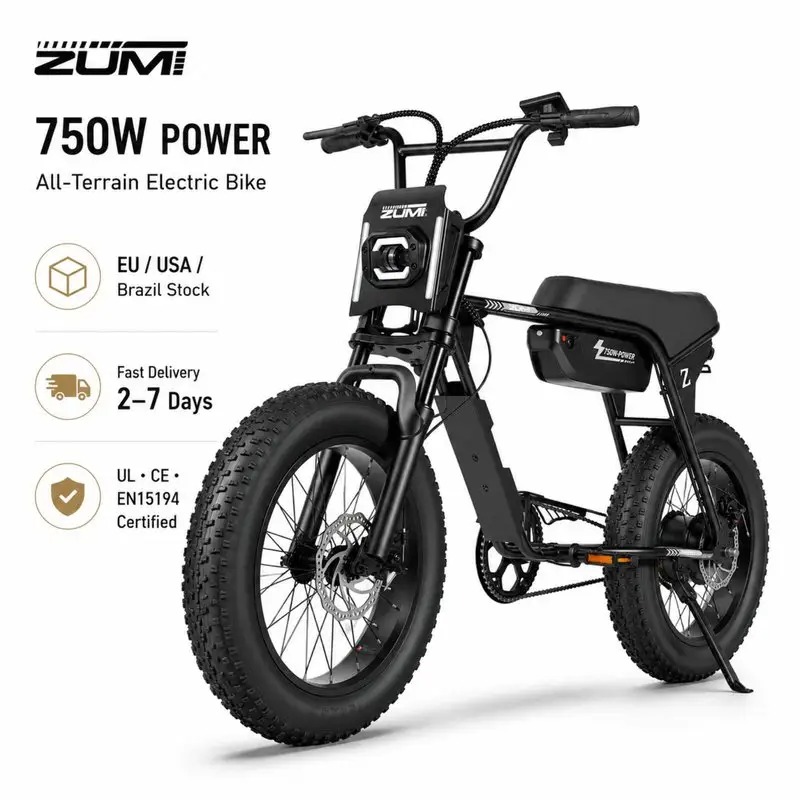
Avoid liability & import bans: Learn IEC 62619, UN 38.3, and UL 2271—plus how to verify real compliance (not fakes).
2026/08/03
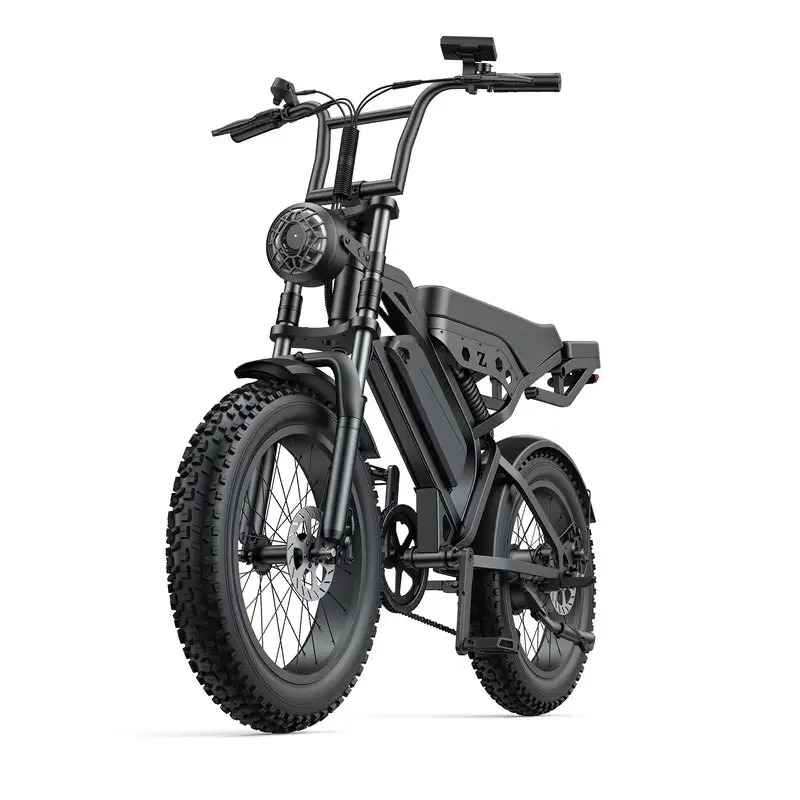
Learn precise air pressure, rebound & compression tuning for optimal suspension performance. Get pro-level setup tips now.
2026/08/03
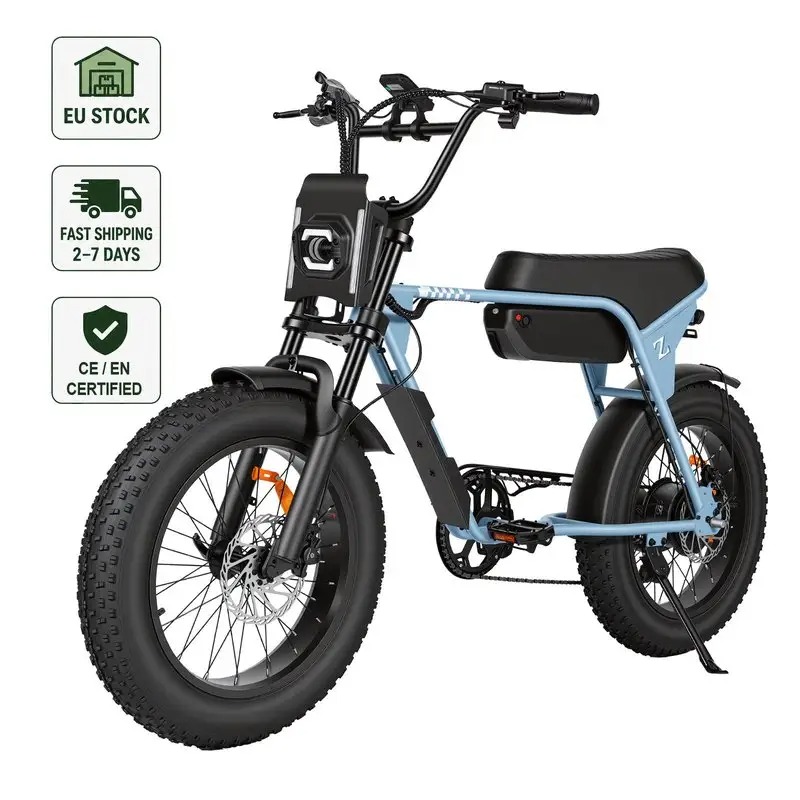
Discover data-backed protocols, smart infrastructure & operational fixes. Optimize now.
2026/08/03
How payload cuts 48V cargo ebike range by 15–50%+ — backed by real-world degradation curves, motor load science & fleet optimization strategies.
Comprehensive warranty, fast parts shipping, remote diagnostics and local dealer training


