 EN
EN
STEP 1
Full vehicle warranty for 2 years
2026/08/03
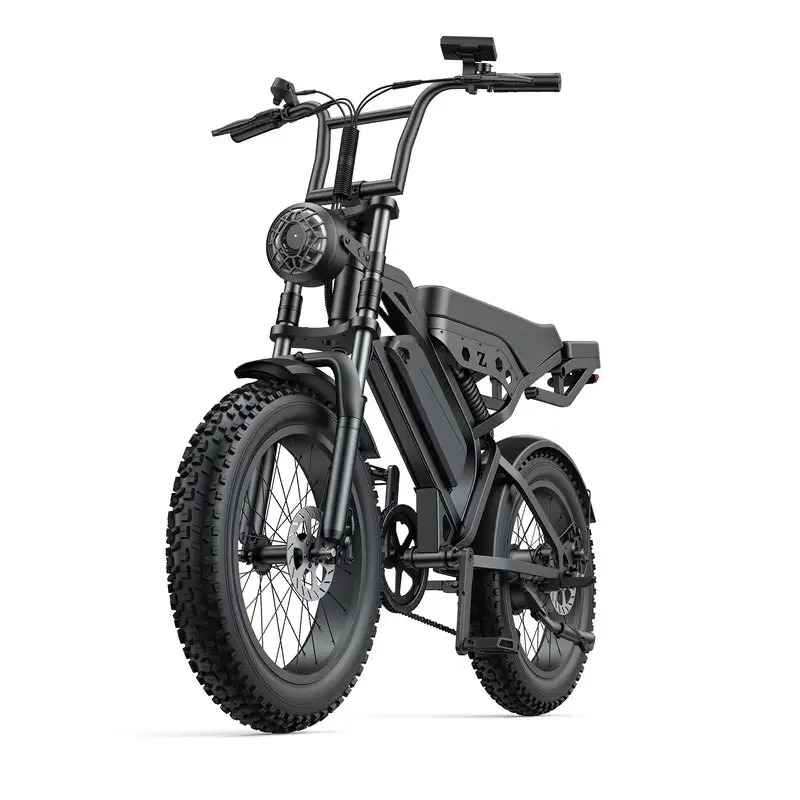
Charge cycle inefficiencies represent one of the most overlooked operational challenges in commercial 48v ebikes deployments. Fleet operators, delivery services, and bike-sharing platforms frequently encounter prolonged charging times, reduced battery lifespan, and inconsistent energy recovery patterns that directly impact daily productivity and long-term profitability. Understanding and addressing these inefficiencies transforms how businesses manage their 48v ebike infrastructure.
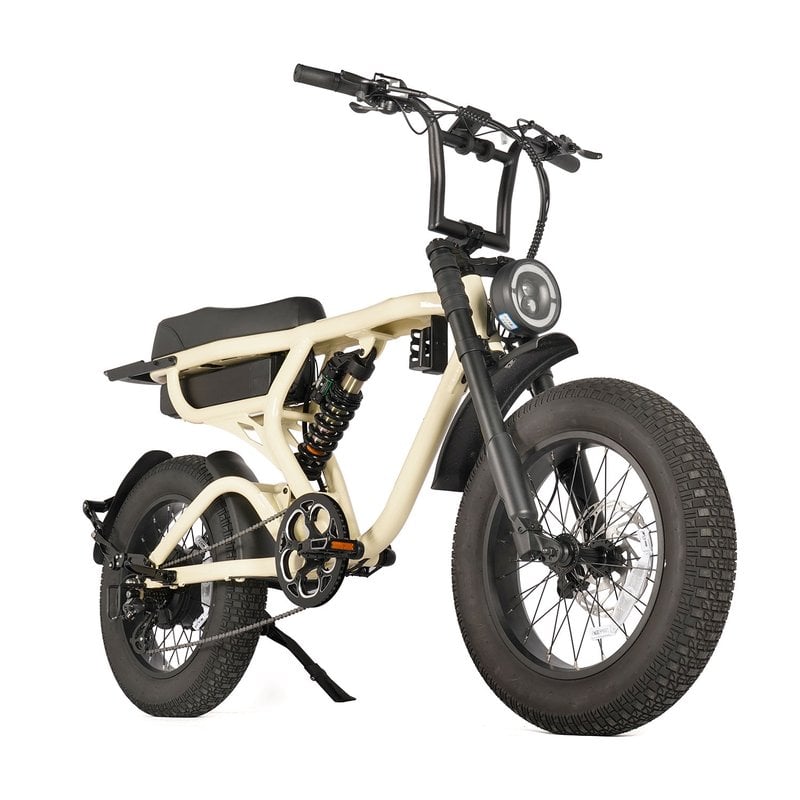
The complexity of charge cycle management stems from the interplay between battery chemistry, charging infrastructure, environmental conditions, and operational patterns. Commercial deployment of commuter ebike fleets demands precision-engineered charging protocols that maintain battery health while minimizing downtime. Advanced 48v ebikes now incorporate smart charging systems designed to mitigate these challenges, yet many operators lack the framework to maximize these capabilities.
Lithium-ion batteries powering modern commuter ebike platforms operate within specific voltage windows and charge rate thresholds. The 48v configuration represents an industry standard for electric bike wholesale applications because it balances power output, motor efficiency, and charging infrastructure compatibility. However, charge cycles degrade performance when voltage parameters fall outside optimal ranges or when charging rates exceed battery management system specifications.
Temperature management during charge cycles directly influences battery longevity and efficiency metrics. Lithium-ion cells experience accelerated degradation when exposed to temperature extremes during rapid charging sessions. Commercial 48v ebike operators must recognize that aggressive charging protocols yield immediate operational gains but extract long-term costs through accelerated battery wear and reduced cycle life, ultimately affecting the total cost of ownership for fleet implementations.
Standard charging profiles for 48v ebike systems typically employ constant-current, constant-voltage architecture, where initial rapid charging transitions to slower final stages as voltage approaches maximum thresholds. This methodology extends battery lifespan compared to aggressive fast-charging approaches. Operators managing commuter ebike fleets benefit from implementing tiered charge strategies that balance operational demands with battery preservation objectives.
Partial charge cycles preserve capacity more effectively than full discharge-to-full-charge routines, particularly relevant for urban electric bike wholesale operations where vehicles rarely deplete batteries completely during service cycles. Strategic operational scheduling that incorporates opportunity charging between shifts maintains system readiness while reducing degradation stress, creating measurable improvements in fleet availability and battery replacement frequencies.
Modern charging stations designed for commercial 48v ebike operations incorporate intelligent load management, individual battery monitoring, and adaptive current distribution. These systems prevent simultaneous peak-demand charging that strains electrical infrastructure and degrade battery health through uncontrolled voltage fluctuations. Smart charging networks for commuter ebike deployments track individual battery profiles, automatically adjusting current delivery based on cell condition and state-of-charge progress.
Real-time monitoring capabilities embedded in advanced charging infrastructure provide fleet operators with granular visibility into charge cycle patterns, identifying anomalies that indicate battery degradation or system malfunctions. Data analytics from these systems reveal which 48v ebike units develop charging inefficiencies, enabling predictive maintenance protocols that address problems before they escalate into operational failures or safety concerns.
Effective charge cycle management requires strategic distribution of charging stations throughout service territories, minimizing travel time to charging points and enabling frequent opportunity charging. Electric bike wholesale fleets experiencing fragmented charging access accumulate inefficiencies through extended periods of unavailability, forcing operators to over-provision vehicles to maintain service levels. Clustered charging infrastructure positioned near high-traffic zones supports faster fleet turnover and optimal battery state management.
Environmental shelter protecting charging infrastructure from moisture, extreme temperatures, and debris extends equipment reliability and prevents charge cycle disruptions. Commercial 48v ebike operations benefit from covered charging facilities that stabilize ambient conditions, protecting battery management systems from thermal stress and maintaining consistent charge characteristics across fleet units regardless of seasonal variations or geographic deployment challenges.
Commuter ebike fleet operators achieve superior charge cycle efficiency through disciplined maintenance schedules that include periodic battery balancing, connector inspection, and firmware updates to battery management systems. Regular monitoring of voltage consistency across individual cells within 48v ebike battery packs identifies imbalances before they compromise charging efficiency or create safety hazards. Professional-grade diagnostic tools reveal charge cycle degradation patterns that human observation would miss.
Storage conditions between operational cycles significantly impact subsequent charge cycle performance. 48v ebike batteries maintained within moderate temperature ranges and partial charge states during extended storage periods preserve chemical stability and charging responsiveness. Fleet managers implementing these practices observe measurable improvements in charge acceptance rates and reduced time-to-full-charge metrics compared to operations lacking these protocols.
End-user behavior profoundly influences charge cycle efficiency, yet many electric bike wholesale programs neglect operator training on optimal charging practices. Educating commuter ebike users about battery preservation fundamentals, appropriate charge rate selection, and warning signs of degradation creates a force multiplier for infrastructure investments. Operators understanding charge cycle mechanics make better autonomous decisions about when to charge, which stations to use, and how to recognize systems requiring maintenance attention.
Incentive structures rewarding operators who maintain battery health and minimize charge cycle stress align individual behavior with fleet-level efficiency objectives. 48v ebike programs implementing recognition systems or operational rewards for exemplary battery care practices demonstrate measurable improvements in aggregate battery longevity, reduced charge cycle failures, and lower replacement frequencies compared to programs lacking behavioral motivation components.
Charge cycle inefficiencies result from multiple interconnected factors including inadequate charging infrastructure, aggressive charging protocols, temperature management failures, battery imbalances, and improper storage conditions. 48v ebike systems operating in fragmented charging networks experience prolonged charging times and thermal stress that accelerate degradation. Commercial commuter ebike deployments lacking preventive maintenance protocols accumulate performance losses across their fleets, manifesting as reduced range, slower charging acceptance, and premature battery replacement requirements.
Intelligent charging systems optimize 48v ebike charge cycles by adapting current delivery based on real-time battery condition, preventing voltage spikes, and distributing charging loads to prevent infrastructure strain. These systems monitor temperature, cell voltage balance, and state-of-charge progression, automatically adjusting parameters to extend battery lifespan while maintaining operational readiness. Electric bike wholesale programs incorporating smart infrastructure achieve measurable improvements in battery longevity, reduced downtime, and enhanced predictive maintenance capabilities compared to basic fixed-rate charging approaches.
Yes, partial charge cycles significantly reduce degradation stress compared to repeated full discharge-to-full-charge cycles. For commercial 48v ebike deployments where opportunity charging occurs between service cycles, maintaining batteries between 20 and 80 percent state-of-charge extends overall lifespan substantially. Commuter ebike operations strategically scheduling partial charging sessions achieve better cycle longevity, reduced replacement frequencies, and improved total cost of ownership metrics without sacrificing operational availability or service performance.
2026/08/03
Fix time zones, language gaps, and unclear protocols—boost speed, cut costs, and scale confidently.
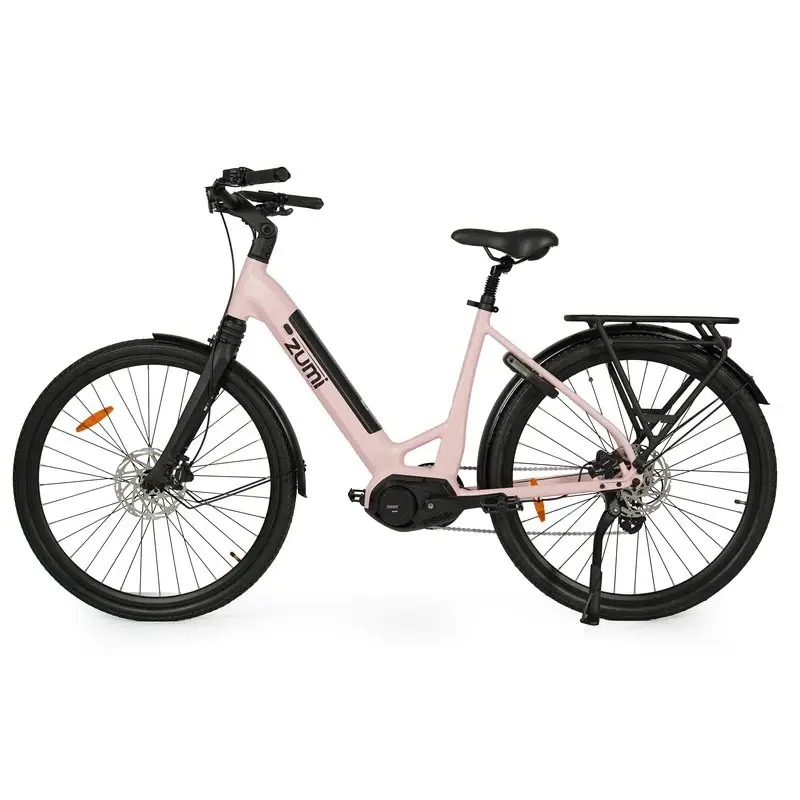
2026/08/03
Avoid liability & import bans: Learn IEC 62619, UN 38.3, and UL 2271—plus how to verify real compliance (not fakes).
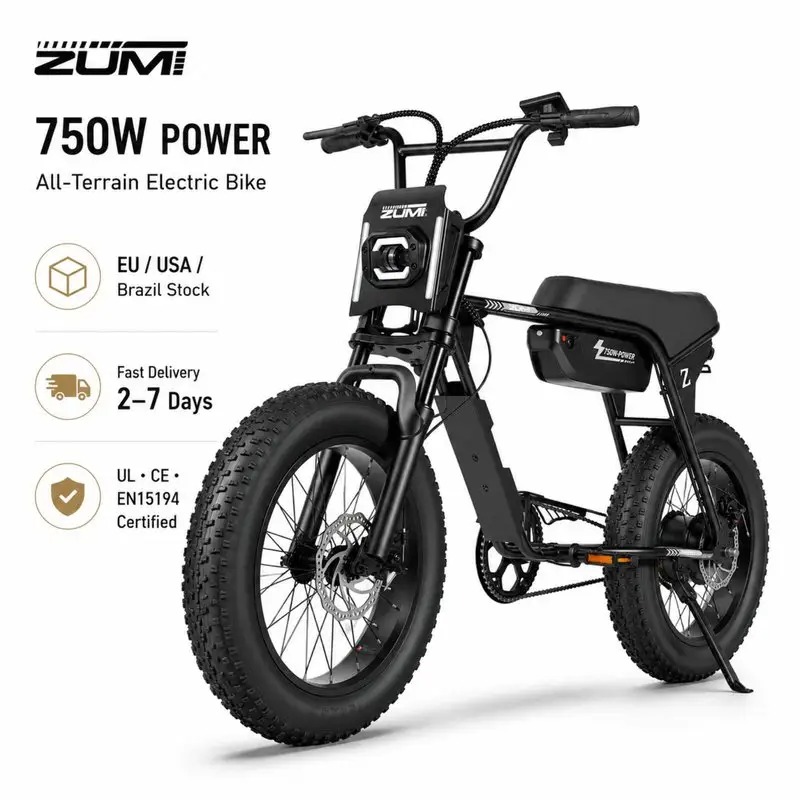
2026/08/03
Learn precise air pressure, rebound & compression tuning for optimal suspension performance. Get pro-level setup tips now.
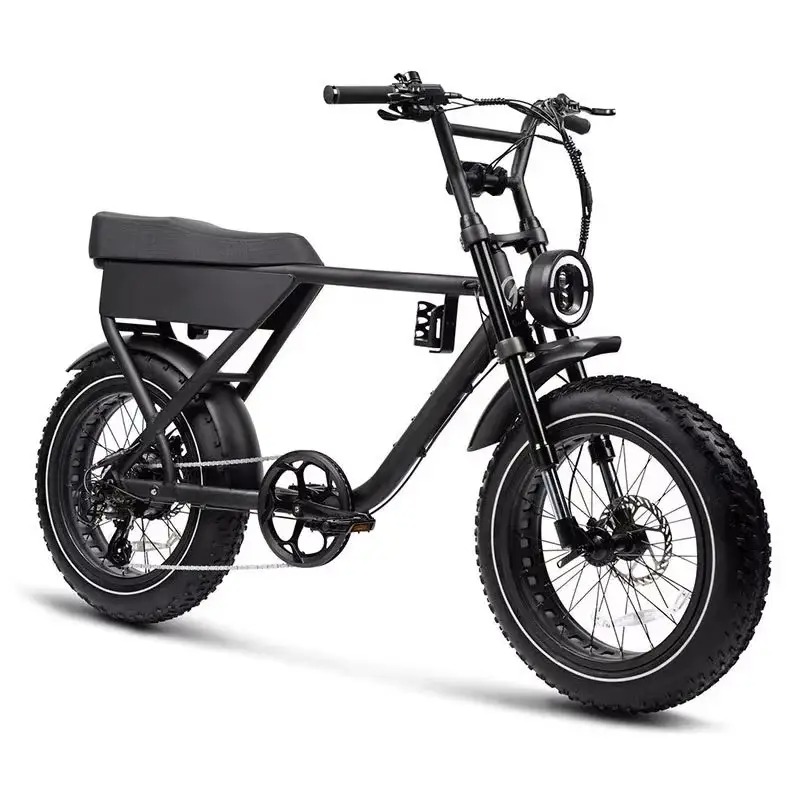
2026/08/03
Discover how voltage drop saps performance—and proven fixes to restore responsiveness, range, and battery life. Read now.
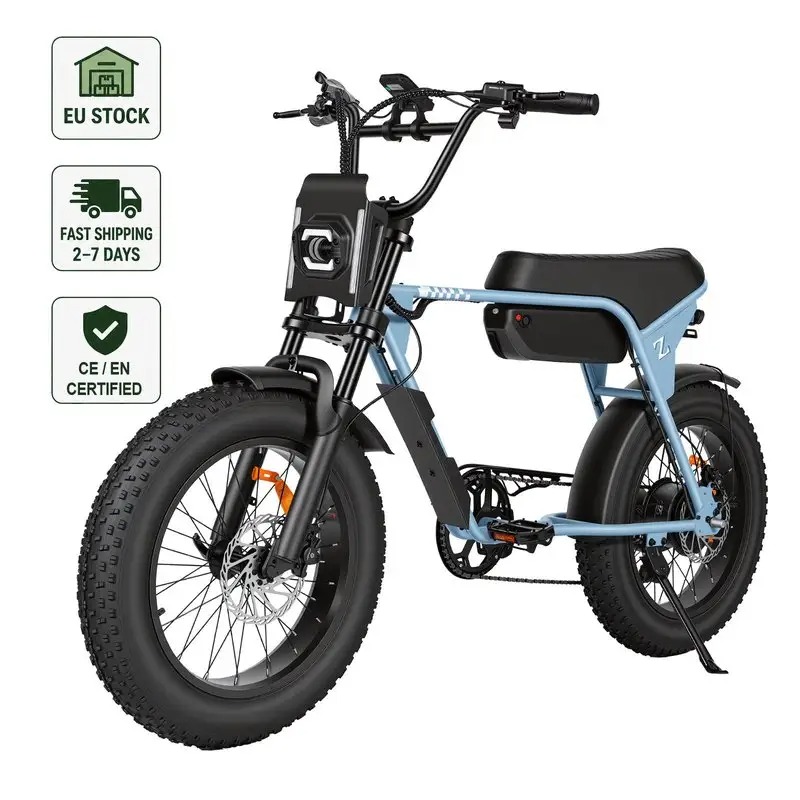
2026/08/03
How payload cuts 48V cargo ebike range by 15–50%+ — backed by real-world degradation curves, motor load science & fleet optimization strategies.
Comprehensive warranty, fast parts shipping, remote diagnostics and local dealer training


