 EN
EN
STEP 1
Full vehicle warranty for 2 years
2026/08/26
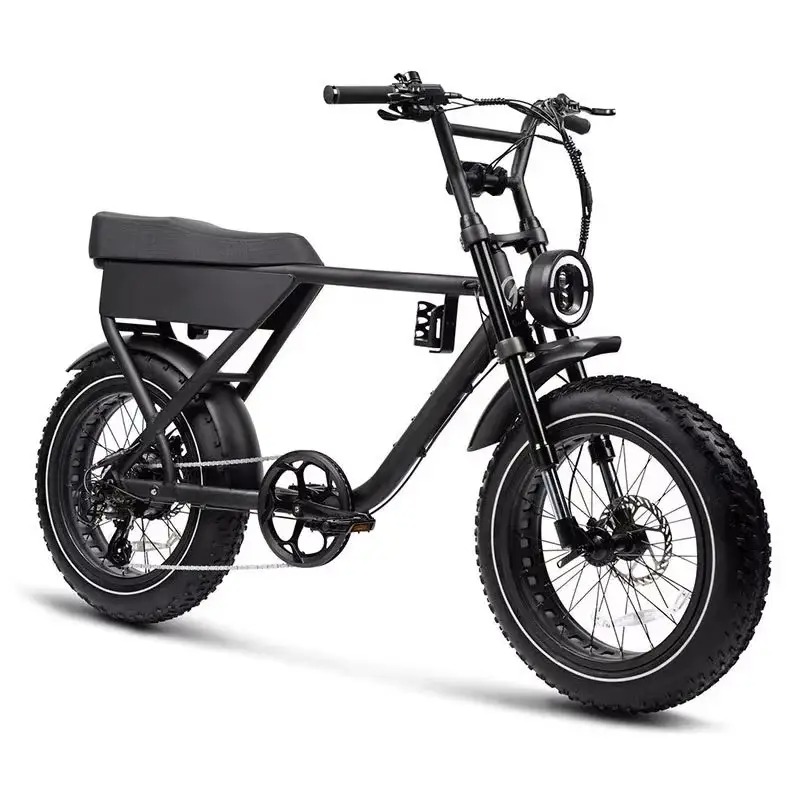
Rental businesses operating electric bikes face unique maintenance challenges that directly impact profitability and customer satisfaction. A 1500 watt ebike demands more rigorous upkeep than standard bicycles because of its powerful motor, large battery system, and complex electrical components. Establishing a structured maintenance schedule is essential for rental operators who want to reduce downtime, extend equipment lifespan, and ensure rider safety across their entire fleet.
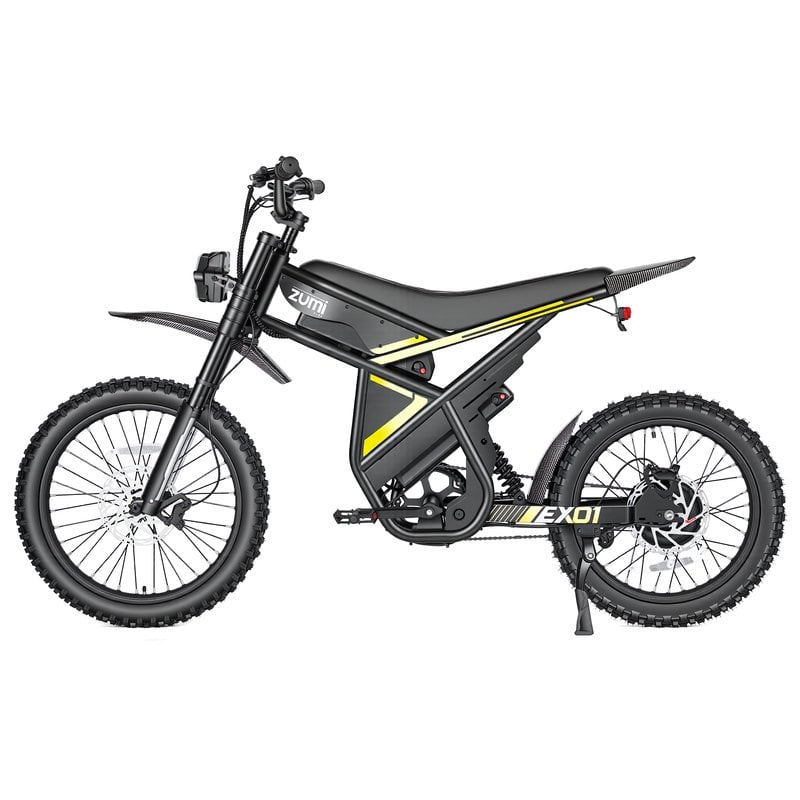
Whether you operate an electric mountain bike, fat tire ebike, or general rental fleet, preventative maintenance reduces emergency repairs and keeps your 1500w ebike operating at peak performance. This guide outlines a practical maintenance framework tailored for rental businesses managing multiple high-powered units under demanding daily use cycles.
Before each rental period, conduct a quick visual inspection to catch obvious defects. Check tire pressure on your 1500 watt ebike, inspect brake pads for adequate material remaining, and verify that the chain is clean and properly lubricated. Test both front and rear brakes by spinning the wheels and engaging the brake levers without the motor engaged, ensuring stopping power meets safety standards.
Examine the battery connector for corrosion or loose contacts. A fat tire ebike battery connection is critical because loose contacts generate heat and can cause safety hazards. Confirm that the battery indicator light illuminates when powered on, showing the charge status accurately. These checks take only five to ten minutes per bike but prevent rental cancellations and liability issues.
Every seven days, conduct a comprehensive inspection of your entire rental fleet. Clean the frame and components with mild soap and water, paying special attention to the motor housing and electrical connections on your 1500w ebike. Drying afterward prevents moisture from entering sealed electrical components. Inspect the derailleur cable tension, cassette teeth for wear, and chain links for damage or stiff spots.
Check the handlebar stem for tightness using an appropriate Allen wrench, and verify that the saddle height adjustment mechanism holds firmly. Test the electric mountain bike display and throttle responsiveness by powering up without riding. Listen for unusual motor sounds like grinding or clicking that indicate internal wear. Document all observations in a maintenance log to track recurring issues across your fleet.
The battery is your most expensive component and demands careful monthly attention on every 1500 watt ebike in your fleet. Perform a capacity test by fully charging the battery, then recording the distance traveled at full throttle until discharge. Compare results against the manufacturer baseline to detect capacity degradation. If a fat tire ebike battery shows 20 percent capacity loss, schedule professional servicing or replacement before it impacts customer experience.
Store batteries in a cool, dry environment between rental seasons or during low-demand periods. Never leave batteries fully charged or completely depleted for extended periods, as both extremes degrade cells. Maintain a charging log showing charge dates and cycles completed. Most 1500w ebike batteries tolerate 500–1000 full charge cycles; tracking usage helps predict replacement timing and budget accordingly.
Every month, inspect the motor housing on your electric mountain bike for dirt accumulation around seals and bearing areas. Use compressed air to remove loose debris, but avoid high-pressure spraying that forces water into sealed components. Check the motor cable connectors for corrosion by examining the contact surfaces for green or white oxidation. Apply dielectric grease to any corroded contacts after gentle cleaning with a dry cloth.
The motor bearing preload should be checked professionally if you notice grinding sounds or vibration during operation on your 1500 watt ebike. Unlike traditional bicycles, an electric mountain bike motor cannot be adjusted by non-specialists without risk of voiding the warranty. Schedule annual motor bearing service with an authorized technician if your fleet experiences heavy daily use exceeding 50 rental hours per week.
During low-demand seasons, prepare your 1500w ebike fleet for extended storage by thoroughly cleaning all components and allowing them to dry completely. Apply protective coating to exposed metal frame areas to prevent corrosion. Remove batteries and store them separately in a temperature-controlled environment, charging them to 60 percent capacity before placement in storage. Check tire pressure monthly during storage; even parked bikes lose air gradually through valve permeation.
Document the condition of each fat tire ebike with photographs, noting any cosmetic damage or mechanical wear observed at season start. This baseline helps you track progression of wear patterns and plan component replacement budgets. Cover parked bikes with breathable tarps rather than plastic sheeting, which traps moisture and promotes mold growth inside frame tubes.
Before reopening your rental business, systematically recommission every 1500 watt ebike and electric mountain bike in inventory. Replace tire fluid if the brakes use hydraulic calipers; DOT 4 fluid absorbs moisture during storage. Inspect brake rotors for warping or rust spots, and replace if thickness is below 1.5 millimeters. Test all gears by slowly pedaling through the full cassette range without motor power, listening for chain rub or skipping.
Perform full battery diagnostic testing, including voltage and resistance measurements at the connector terminals. A healthy 1500w ebike battery shows stable voltage output and minimal resistance under load. Update firmware on the battery management system and motor controller if the manufacturer released updates during the off-season. Test-ride three representative bikes from your fat tire ebike fleet under load conditions to confirm all systems respond correctly before accepting customer bookings.
Brake pad replacement depends on usage intensity, but rental bikes typically require pad replacement every 6–8 months of active rental service. Inspect pads monthly; replace immediately when material thickness drops below 2 millimeters. Electric mountain bikes and fat tire ebike variants experience higher brake wear due to increased weight and speed capabilities, so monitor these models more frequently than standard rentals.
A 1500 watt ebike battery normally lasts 3–5 years under normal rental conditions, translating to approximately 500–1000 full charge cycles depending on charging practices and storage temperatures. Capacity degradation becomes noticeable after 2–3 years of heavy rental use. Fat tire ebike batteries may degrade faster if regularly operated at maximum power output in cold climates, so adjust replacement schedules based on your local conditions and usage patterns.
Yes, rental 1500 watt ebike maintenance is far more stringent because shared bikes experience accelerated wear from inconsistent rider handling, continuous operation, and exposure to various weather conditions. Implement weekly inspections instead of monthly intervals, maintain detailed service records for liability documentation, and schedule professional servicing quarterly rather than annually. An electric mountain bike or fat tire ebike in rental service typically requires twice the maintenance attention compared to personal-use units, justifying higher maintenance budgets in your operational planning.
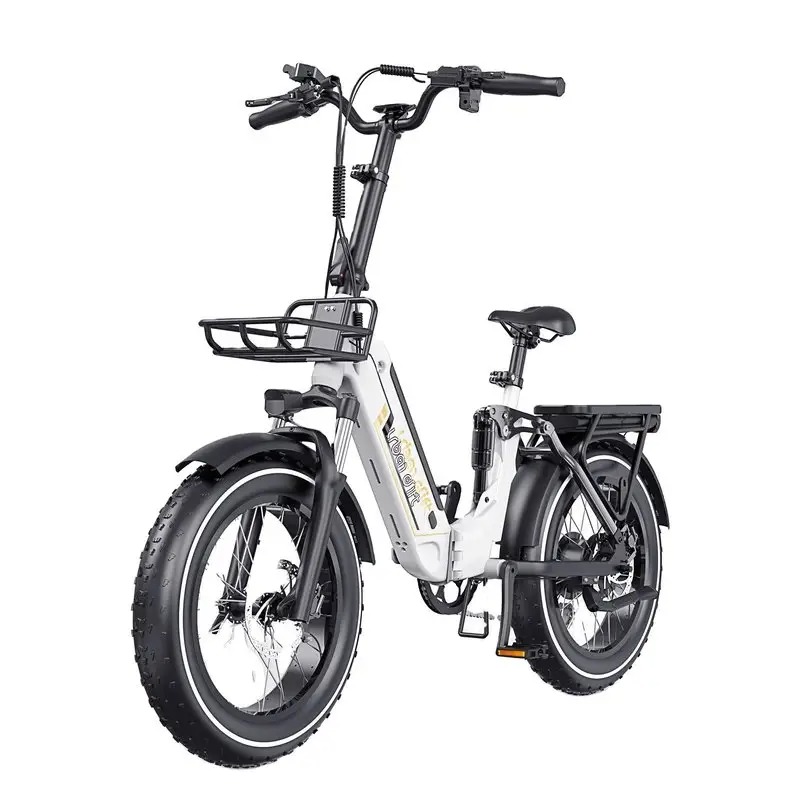
2026/08/03
Fix time zones, language gaps, and unclear protocols—boost speed, cut costs, and scale confidently.
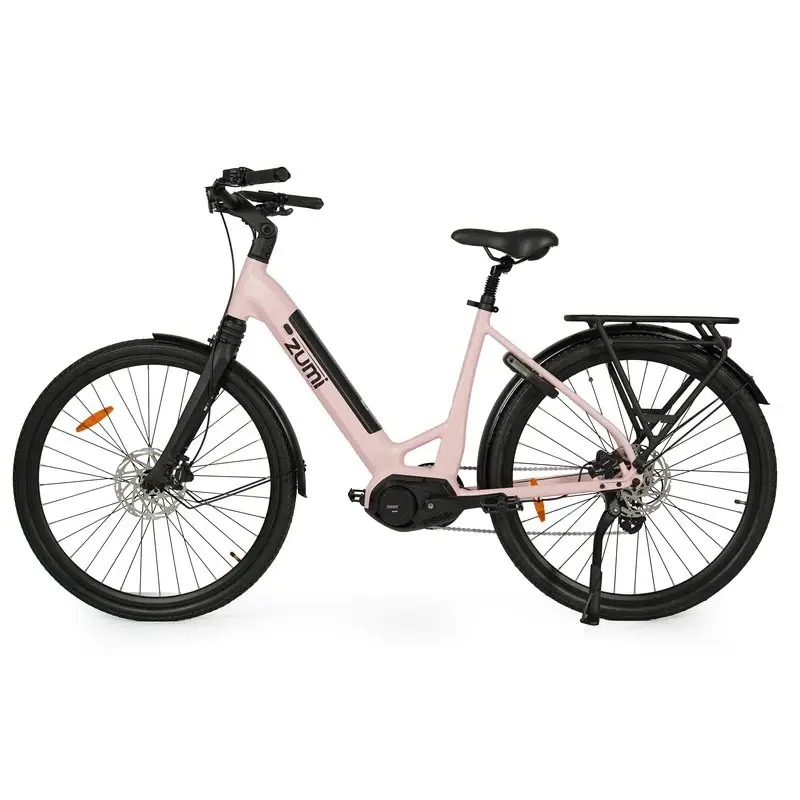
2026/08/03
Avoid liability & import bans: Learn IEC 62619, UN 38.3, and UL 2271—plus how to verify real compliance (not fakes).
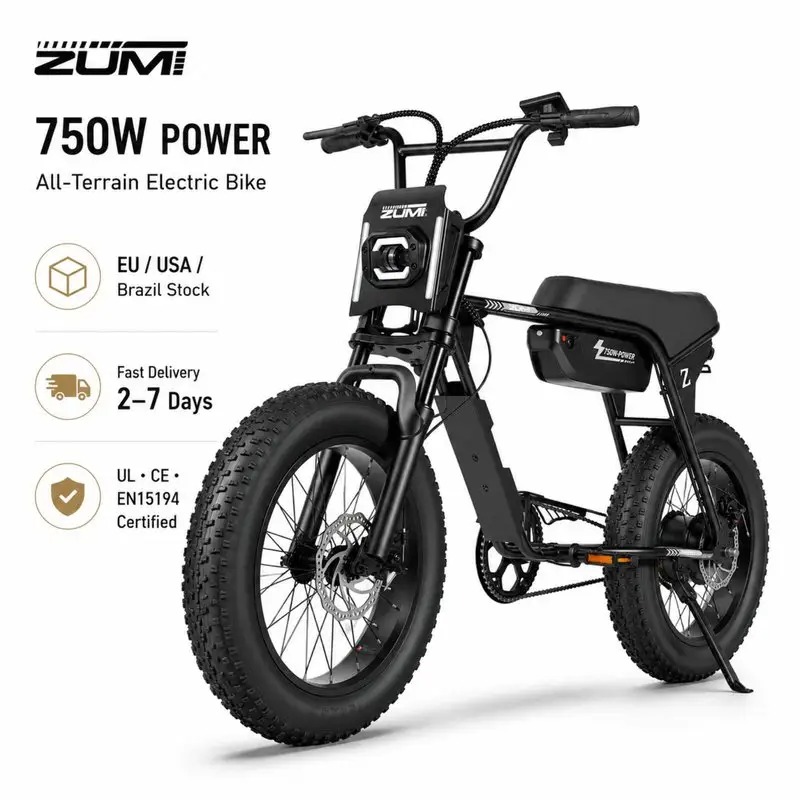
2026/08/03
Learn precise air pressure, rebound & compression tuning for optimal suspension performance. Get pro-level setup tips now.
2026/08/03
Discover how voltage drop saps performance—and proven fixes to restore responsiveness, range, and battery life. Read now.
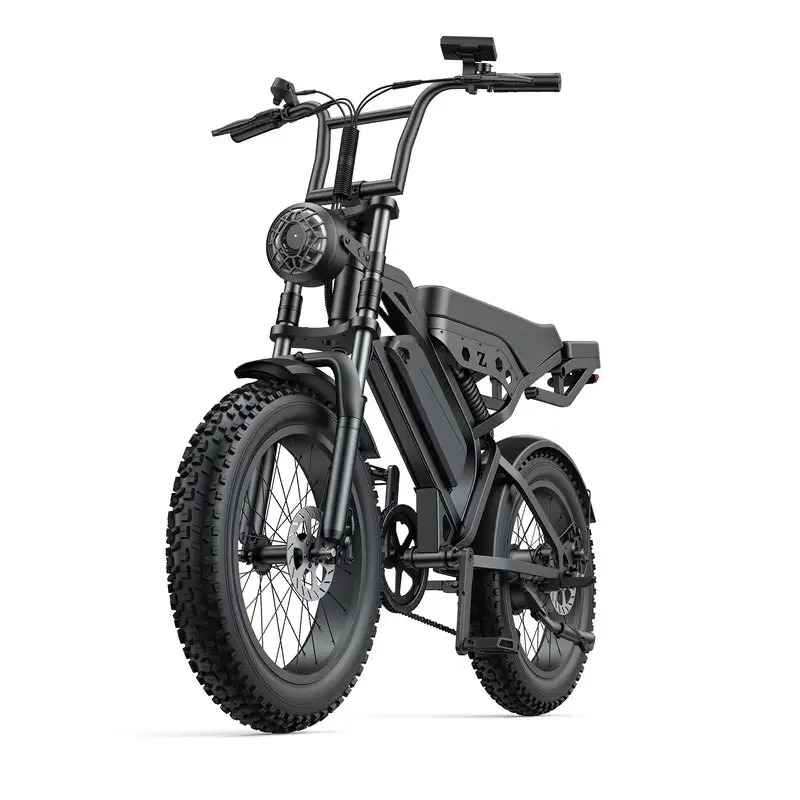
2026/08/03
Discover data-backed protocols, smart infrastructure & operational fixes. Optimize now.
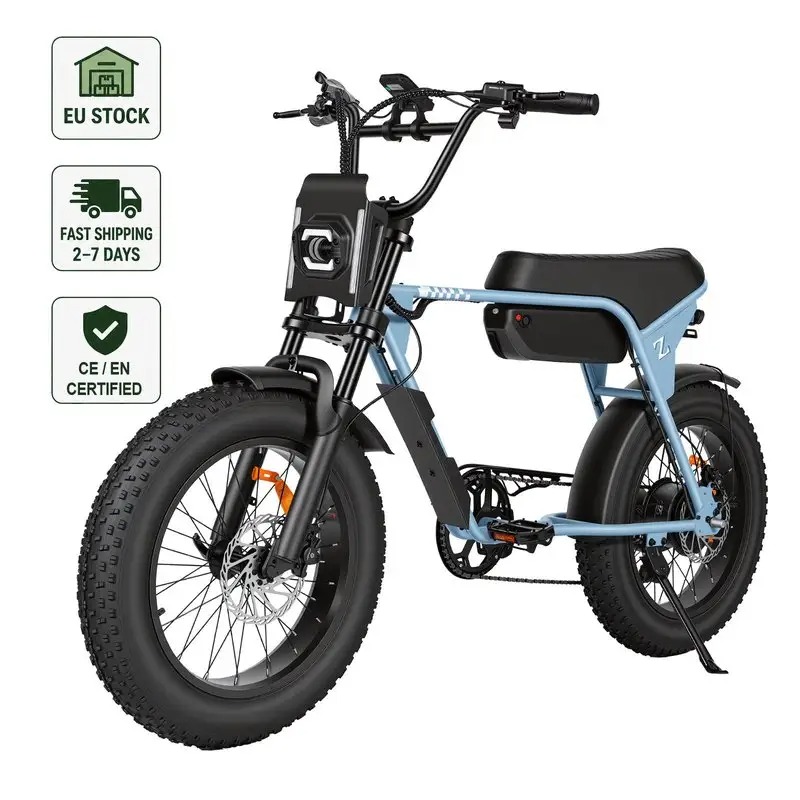
2026/08/03
How payload cuts 48V cargo ebike range by 15–50%+ — backed by real-world degradation curves, motor load science & fleet optimization strategies.
Comprehensive warranty, fast parts shipping, remote diagnostics and local dealer training


