 EN
EN
STEP 1
Full vehicle warranty for 2 years
2026/08/10
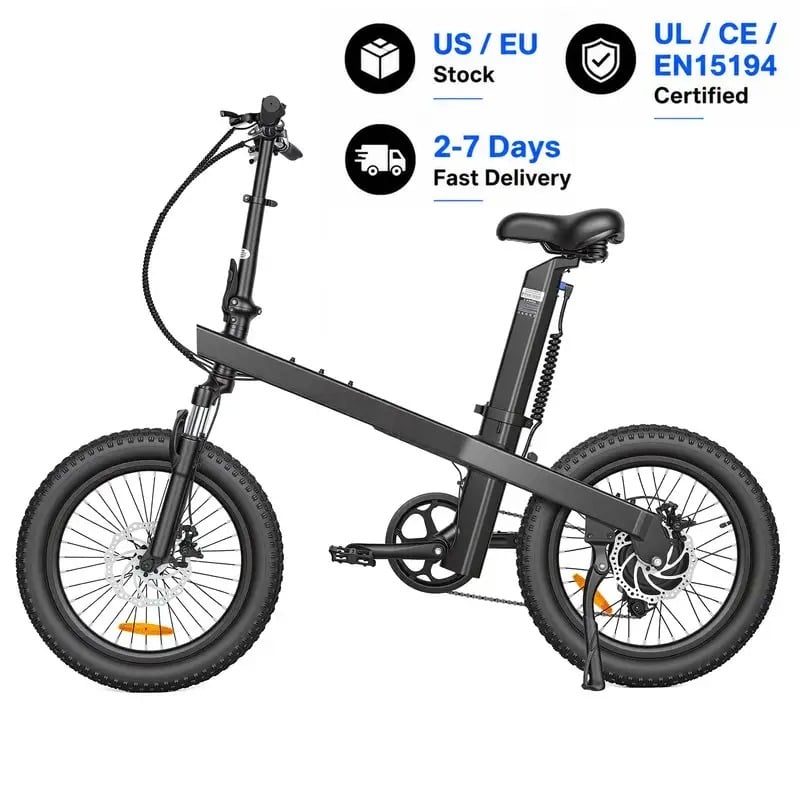
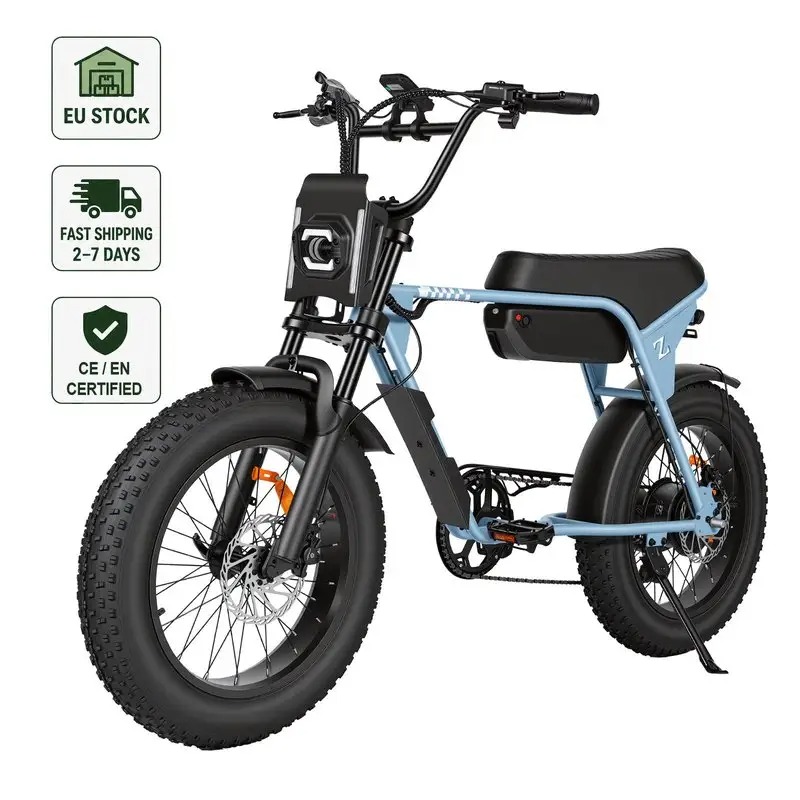
When choosing an electric mountain bike for serious off-road trail riding, the motor power rating becomes one of the most critical decisions you'll face. The distinction between 1500w ebikes and 750w ebikes represents far more than a simple numerical difference—it fundamentally shapes your climbing ability, acceleration, terrain versatility, and overall trail performance. Understanding these differences helps riders select the right electric mountain bike for their specific riding style, terrain challenges, and performance expectations.
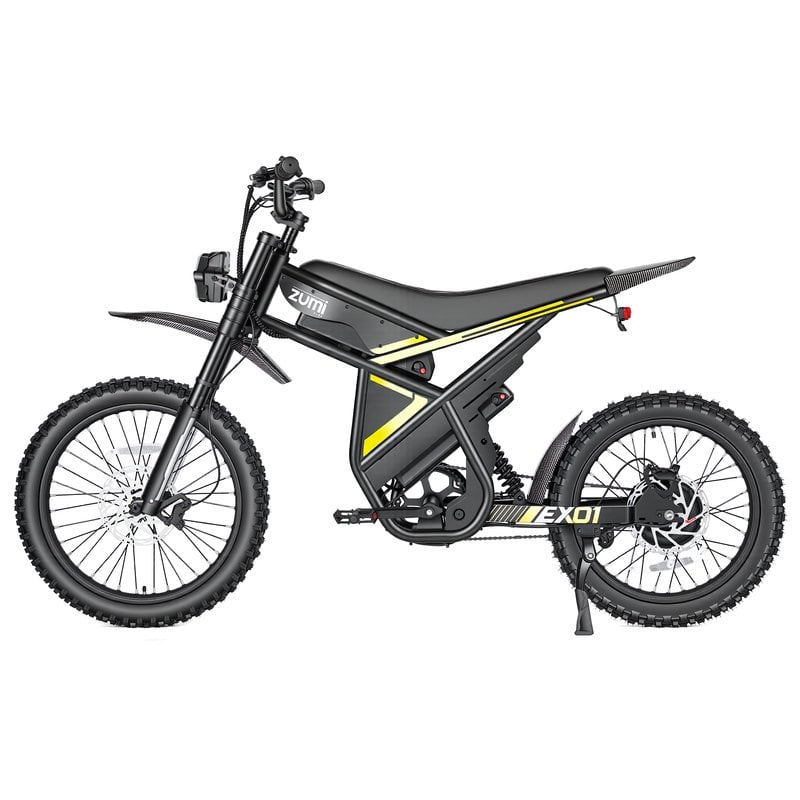
The motor power you choose directly impacts your riding experience on challenging terrain. 1500w ebikes deliver substantially greater torque output, allowing you to power through steep climbs, rocky sections, and technical obstacles with considerably more ease than their 750w counterparts. This power advantage translates into practical benefits that reshape how you approach demanding trails and extended off-road adventures.
The motor power rating directly correlates with torque delivery, the rotational force that propels you uphill and through resistance. A 1500w ebike generates approximately 90 to 100 Newton-meters of torque, while a 750w electric mountain bike typically produces 50 to 65 Newton-meters. This 40 to 50 percent power advantage means 1500w ebikes can maintain momentum on steeper grades without requiring rider pedal assistance or motor strain. For trails featuring consistent inclines above 15 degrees, this distinction becomes immediately noticeable in real-world riding.
On technical uphill sections, a fat tire ebike with 1500w power maintains speed recovery more effectively after obstacles. When you hit a rock, root, or sudden grade change, the higher wattage provides faster acceleration out of the disturbance, reducing the physical demand on your legs and preserving energy for the full ride duration. A 750w electric mountain bike requires more rider input to recover from similar obstacles, particularly on sustained climbs or when trail conditions become progressively more challenging.
Acceleration performance separates 1500w ebikes from lower-power alternatives in meaningful ways. The higher wattage enables faster initial response when you engage the motor, critical for navigating sudden technical sections or changing trail conditions. When entering a rocky descent or surprise climbing section, the 1500w fat tire ebike responds more immediately, giving you better control and the ability to adjust your line before momentum shifts become problematic.
Technical off-road riding demands consistent power delivery through variable terrain. A 1500w electric mountain bike maintains stable assistance through root-filled climbs, rock gardens, and mud sections without throttling back power levels. The 750w alternative often experiences performance dropping during extended technical challenges, as the motor works closer to maximum capacity for longer periods. This sustained capability extends ride quality and reduces fatigue on complex terrain.
Higher-powered 1500w ebikes consume more energy per mile than 750w models, affecting your total available range on a single charge. A typical fat tire ebike with 1500w power and a standard battery capacity delivers roughly 30 to 50 miles of assisted range, depending on terrain difficulty and assistance level selection. The 750w electric mountain bike typically achieves 50 to 70 miles under similar conditions, offering extended range but with reduced power performance. Your choice depends on trail length expectations and whether maximum power matters more than extended distance capability.
Fortunately, 1500w ebikes offer flexible power management through multiple assistance modes. Eco mode on a 1500w electric mountain bike can deliver range closer to 750w alternatives while preserving access to full power when terrain demands it. A fat tire ebike with 1500w capability allows you to match power output to actual trail conditions, using maximum assistance during climbs and technical sections, then reducing power on flats to extend overall ride duration. This flexibility makes 1500w options increasingly practical for varied terrain exploration.
Motors rated at 1500w are typically heavier than 750w units, as they require more robust windings, heat management components, and structural reinforcement. This additional weight concentrates at the bike's center, affecting overall handling dynamics. Most modern 1500w ebikes still weigh under 60 pounds total, remaining manageable for most riders, though carrying the bike over obstacles or through non-powered sections requires acknowledging the additional mass. A lighter 750w electric mountain bike offers advantages during portage or technical dismount situations.
The increased torque from 1500w ebikes demands more robust suspension architecture to manage forces efficiently. Higher-quality suspension systems on 1500w fat tire ebikes better absorb the additional power being transferred to the rear wheel, improving traction and control. However, this typically means 1500w models feature more expensive suspension components than entry-level 750w alternatives. Matching suspension quality to motor output ensures your electric mountain bike remains stable and responsive across varying trail conditions.
Motor wattage directly determines legal classifications in many regions. Most areas classify ebikes under 750w as 'low-speed' electric bicycles with broader trail access rights. A 1500w ebike may fall into 'electric motorcycle' or 'electric moped' categories, restricting access to certain natural surface trails and public lands. Before investing in a 1500w electric mountain bike, verify local regulations and trail systems where you intend to ride. Some regions permit 1500w fat tire ebikes only on designated motorized trails, while others prohibit them entirely on public single-track.
Higher-powered 1500w ebikes may require motorcycle-category insurance in certain jurisdictions, adding ongoing costs beyond your initial purchase. Liability coverage becomes more significant when riding a more powerful machine, as accident severity increases with additional motor output. A 750w electric mountain bike typically qualifies for standard bicycle insurance or needs minimal coverage additions. Understanding these regulatory and financial implications helps you make a complete cost-benefit analysis beyond raw performance metrics.
Riders tackling consistently steep terrain, heavy loads, or extended multi-day expeditions find 1500w ebikes deliver practical advantages. If your regular trails exceed 20-degree grades, feature significant technical climbing, or demand carrying substantial cargo, the 1500w fat tire ebike's power becomes genuinely valuable. Heavier riders or those targeting mountain passes and alpine terrain similarly benefit from 1500w capability. These scenarios justify accepting the trade-offs in range, handling, and regulatory complexity.
Riders exploring moderate terrain, prioritizing range and efficiency, or facing restrictive trail access regulations often find 750w electric mountain bikes perfectly adequate. If you're building fitness, prefer assisted pedal participation, or ride primarily rolling hills and beginner technical terrain, a 750w option delivers all necessary performance while preserving battery range and maintaining broader trail eligibility. The 750w fat tire ebike represents an excellent entry point into powered off-road riding without the complexity and limitations of higher wattage systems.
Direct motor upgrades are technically possible but rarely practical. Motor replacement requires compatible frame design, electrical system capacity, and suspension adequacy. Most 750w fat tire ebikes lack the structural reinforcement and battery management sophistication for safe 1500w operation. Complete frame and component replacement typically costs nearly as much as purchasing a purpose-built 1500w ebike, making full upgrades economically inefficient.
Heavier riders experience diminished power-to-weight ratios on identical 750w electric mountain bike systems. A 250-pound rider on a 750w ebike experiences effectively reduced climbing power compared to a 150-pound rider on the same bike. For riders over 220 pounds or those carrying heavy cargo regularly, 1500w ebikes provide proportionally greater benefit. Lighter riders may find a 750w fat tire ebike adequate for ambitious terrain, while heavier riders justify 1500w investment for similar trail performance.
Most 1500w ebikes perform optimally with 48-volt or 52-volt battery systems rated 15 to 20 amp-hours, providing 700 to 1000 watt-hours total capacity. Larger batteries extend range but add weight and cost significantly. For serious off-road use, 1500w fat tire ebikes with dual battery options or 20+ amp-hour single packs represent the most practical balance between range extension and total system weight, allowing you to swap batteries or carry spares for extended trail adventures.
2026/08/03
Fix time zones, language gaps, and unclear protocols—boost speed, cut costs, and scale confidently.
2026/08/03
Avoid liability & import bans: Learn IEC 62619, UN 38.3, and UL 2271—plus how to verify real compliance (not fakes).
2026/08/03
Learn precise air pressure, rebound & compression tuning for optimal suspension performance. Get pro-level setup tips now.
2026/08/03
Discover how voltage drop saps performance—and proven fixes to restore responsiveness, range, and battery life. Read now.
2026/08/03
Discover data-backed protocols, smart infrastructure & operational fixes. Optimize now.
2026/08/03
How payload cuts 48V cargo ebike range by 15–50%+ — backed by real-world degradation curves, motor load science & fleet optimization strategies.
Comprehensive warranty, fast parts shipping, remote diagnostics and local dealer training


