 EN
EN
STEP 1
Full vehicle warranty for 2 years
2026/08/19
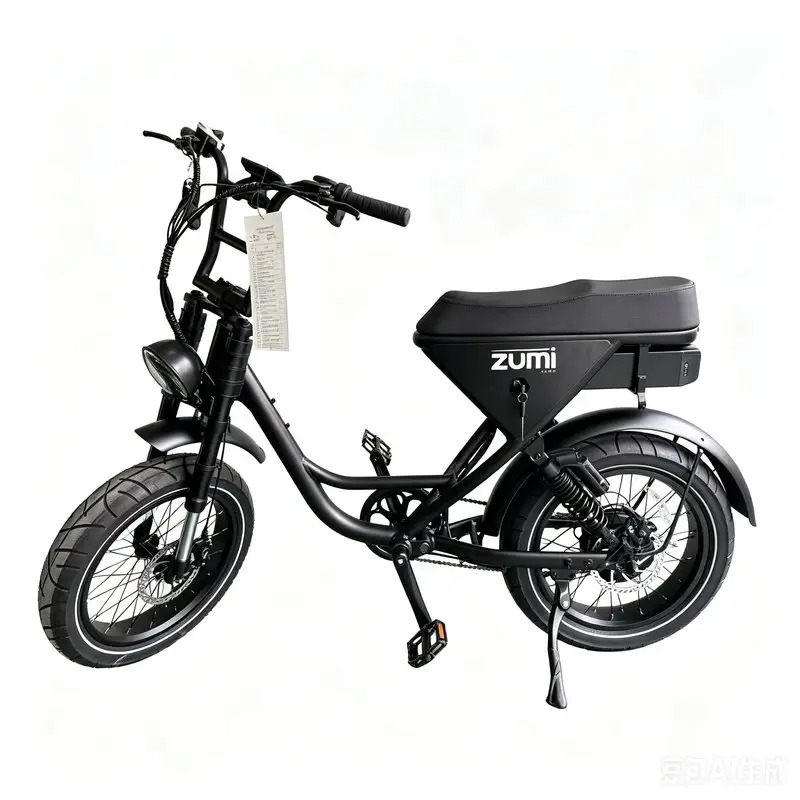
When comparing transportation options, maintenance costs and service requirements often determine the real-world value proposition. A 1500w electric bike presents fundamentally different maintenance demands than a gas-powered moped. Understanding these differences helps buyers make informed decisions based on total cost of ownership, not just initial purchase price. This comparison examines the practical maintenance schedules, typical service intervals, and long-term financial implications of both options.
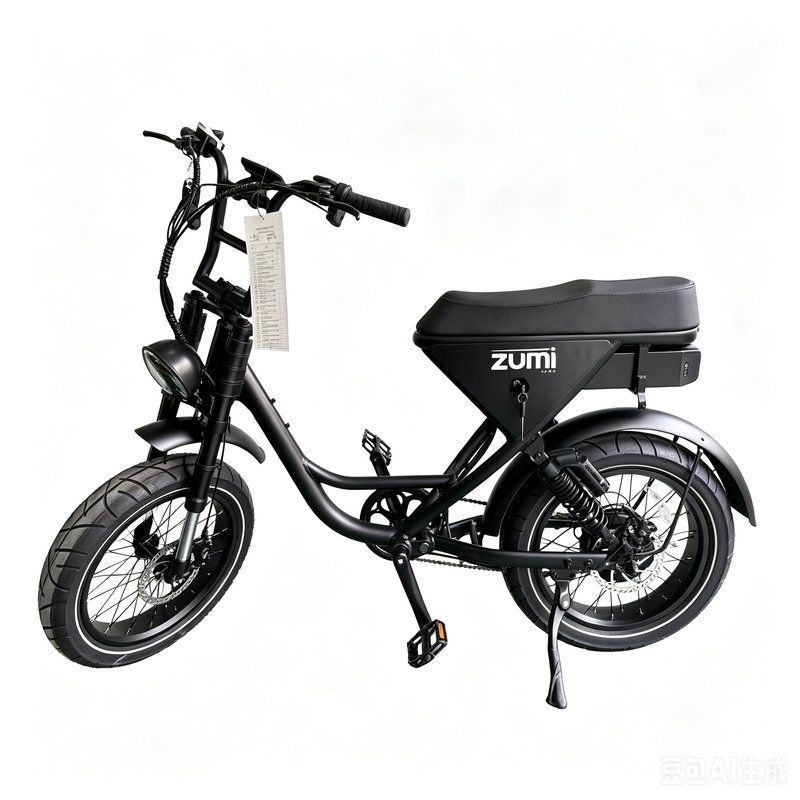
The maintenance landscape for 1500w ebikes differs dramatically from combustion-engine vehicles. A 1500 watt ebike eliminates oil changes, spark plug replacements, and fuel system servicing entirely. Gas mopeds require regular tune-ups, filter changes, and emission system maintenance. For riders prioritizing simplicity and lower service costs, 1500w electric mountain bike models offer clear advantages. The choice between these platforms affects not just immediate budget but also time investment and environmental impact over years of use.
The battery represents the primary maintenance focus for a 1500w electric bike. Lithium-ion batteries in 1500w ebikes typically require inspection every 6–12 months. Check connector cleanliness, ensure weatherproof seals remain intact, and verify charging port functionality. Battery degradation occurs naturally over time, with most units maintaining 80% capacity after 500–1000 charge cycles. Unlike gas mopeds that need seasonal fuel system flushing, a fat tire electric bike 1500w only requires proper storage protocol: keep the battery at moderate charge levels during extended storage and maintain ambient temperatures between 32–77°F.
Motor brushes and controller circuits need periodic inspection on higher-performance 1500 watt ebike models. Check for loose electrical connections quarterly and tighten as needed. Corrosion around terminals demands gentle cleaning with a dry cloth or soft brush. Most 1500w ebikes operate trouble-free for 2–3 years without electrical intervention, then may require controller replacement or motor coil service. This compares favorably against gas moped engine rebuilds, which occur every 5–7 years depending on usage and maintenance diligence.
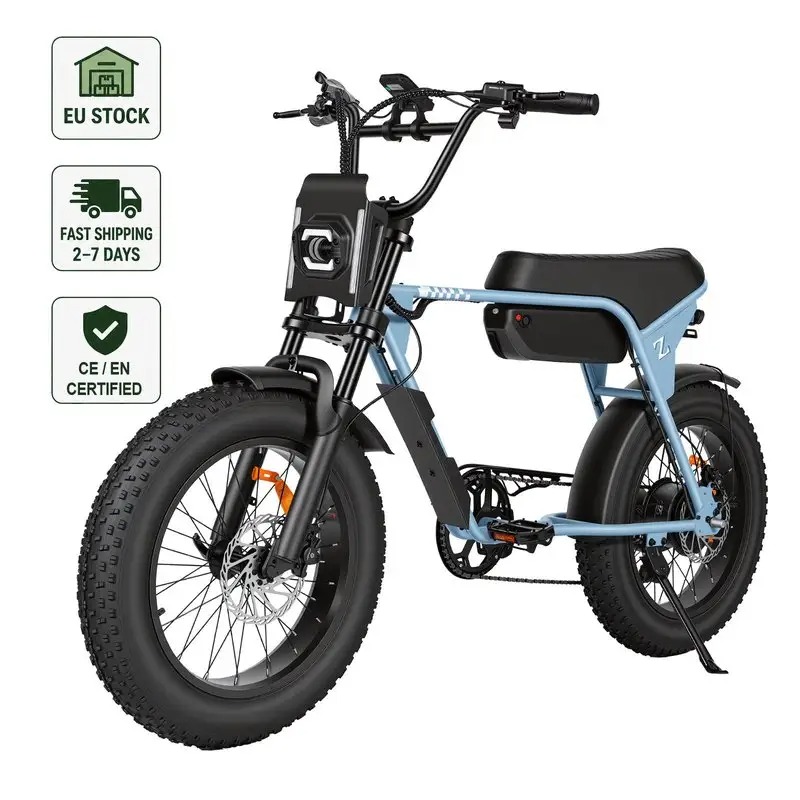
The mechanical systems on a 1500w electric mountain bike mirror standard bicycle maintenance rather than moped-specific procedures. Chain cleaning and lubrication should occur every 200–300 miles or monthly, whichever comes first. Brake pad inspection happens at 6-month intervals, with replacement typically needed every 1–2 years. Tire pressure checks every two weeks keep your 1500w ebike operating safely and efficiently. Suspension components on fat tire electric bike 1500w models may need seal inspection and fluid topping annually if equipped with hydraulic systems.
Cable tension adjustment, bearing greasing, and brake fluid bleeding represent occasional tasks on 1500w ebikes. Most owners handle these procedures independently, requiring only basic tools and minimal technical skill. Unlike gas mopeds where carburetor tuning, spark plug gaps, and valve clearances demand specialized knowledge, a 1500 watt ebike stays accessible to DIY maintenance. Brake hydraulic fluid replacement occurs every 2–3 years or as needed, a quick 30-minute procedure compared to complete engine servicing on motorized competitors.
Gas mopeds demand comprehensive engine maintenance that 1500w electric bikes eliminate entirely. Oil changes occur every 500–1000 miles or monthly for frequent riders, compared to zero oil requirements for any 1500w ebike model. Air filter replacement happens every 3–6 months depending on riding conditions, with spark plug service every 1–2 years. Carburetor cleaning and fuel system flushing become necessary when mopeds sit unused for more than 30 days. These tasks require specialized tools, technical knowledge, and often professional service costing $100–$300 per visit.
Coolant inspection on liquid-cooled mopeds happens quarterly, adding another maintenance layer absent from 1500w electric mountain bike platforms. Timing verification and valve clearance adjustment demand professional equipment and expertise beyond typical owner capability. Two-stroke mopeds require oil-to-fuel ratio precision and spark plug heat rating verification. Four-stroke units need compression testing and bore inspection over their operational lifetime. These cumulative service demands make annual moped maintenance costs substantially exceed equivalent care for a 1500 watt ebike.
Variator belt inspection on CVT-equipped mopeds occurs every 2000–3000 miles, with replacement every 5000–8000 miles at costs between $150–$400. A fat tire electric bike 1500w eliminates belt systems entirely, instead using direct-drive or geared hub motors requiring no routine adjustment. Exhaust system maintenance on gas mopeds includes carbon deposit removal, pipe integrity verification, and catalytic converter inspection for emissions compliance. Muffler replacement costs $50–$150 and becomes necessary every 3–5 years depending on corrosion exposure.
Clutch service on manual mopeds requires periodic adjustment and eventual replacement after 3000–5000 miles of slipping engagement. Automatic scooters need drive belt tensioning and pulley wear monitoring. These transmission-specific services never apply to any 1500w ebike, whether standard models or specialized 1500w electric mountain bike variants. Storage preparation for seasonal mopeds involves fuel stabilizer addition, carburetor cleaning, and battery trickle charging. A 1500 watt ebike requires only dry storage location and moderate charge level maintenance, reducing seasonal preparation from hours to minutes.
Annual maintenance costs for a 1500w electric bike typically range from $75–$200, primarily driven by chain lubrication supplies, occasional brake pads, and tire replacement. Contrast this against gas mopeds averaging $400–$800 annually accounting for oil, filters, spark plugs, fuel stabilizer, and professional service visits. A 1500w ebike reaches cost parity around year three, with accumulated savings growing substantially thereafter. The 1500 watt ebike advantage intensifies for riders clocking 5000 miles annually, where moped oil changes alone consume $300 yearly.
Battery replacement remains the largest single expense for 1500w ebikes, typically costing $300–$800 when needed after 3–5 years of daily use. Fat tire electric bike 1500w models with larger batteries may reach $1000 for replacement, but this one-time event still undercuts cumulative gas moped maintenance. Moped engine rebuild or replacement after 8–10 years costs $1200–$2500, occurring roughly simultaneously with first battery replacement on many 1500w electric mountain bike units. However, the 1500w ebike owner enjoys superior uptime between service intervals and predictable replacement schedules.
Monthly moped maintenance consumes 2–4 hours including oil changes, filter swaps, and occasional component cleaning. Professional service visits add 1–2 hours wait time plus service delays. A 1500w ebike demands only 15–30 minutes monthly for chain cleaning and tire pressure verification. This convenience advantage compounds over years, representing 15–30 hours annual time savings favoring 1500w ebike ownership. Riders with limited mechanical ability find the simplicity of 1500w electric bike maintenance particularly valuable, avoiding shops and technical expertise requirements.
Most 1500w ebike batteries last 3–5 years with daily use or 500–1000 complete charge cycles, whichever occurs first. Lifespan extends to 7–10 years with moderate use and proper storage practices. Unlike gas mopeds requiring engine service every season, a 1500 watt ebike battery degrades gradually, signaling replacement needs well in advance.
Yes, a fat tire electric bike 1500w can operate 1–2 years with only basic cleaning and tire pressure maintenance. Beyond this period, brake pads, chain, and tire replacement become necessary. This represents minimal intervention compared to gas mopeds requiring spark plug, oil, and air filter service within the first three months.
A 1500 watt ebike eliminates fuel, spark plugs, oil, filters, carburetors, and emissions systems entirely. These 1500w electric mountain bike and standard 1500w ebike models avoid 80% of traditional motorized vehicle maintenance tasks. Gas mopeds retain all these requirements, creating fundamental cost advantages for 1500w electric bike ownership over multi-year periods.
2026/08/03
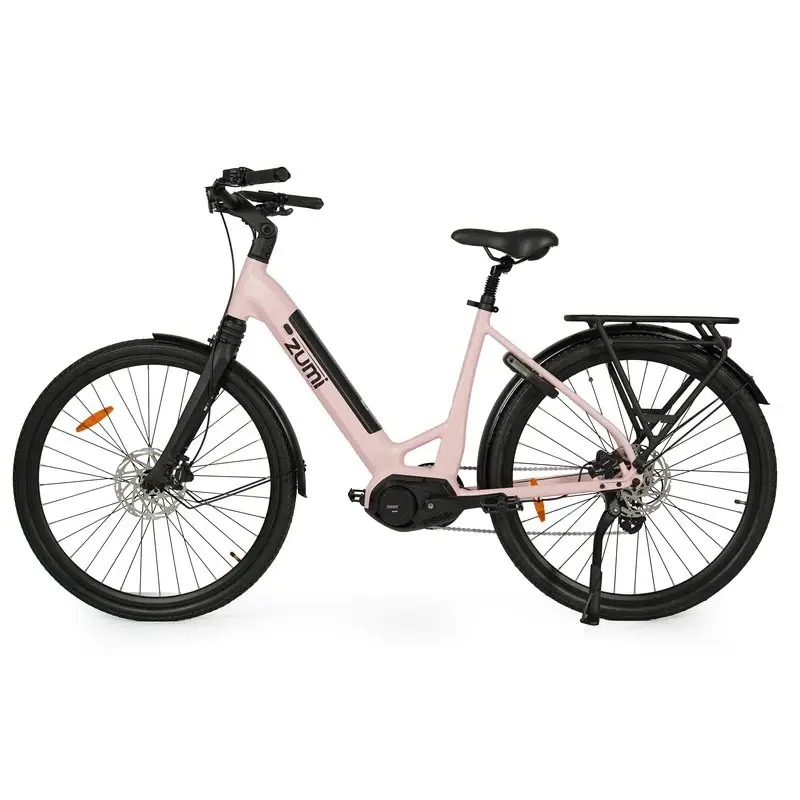
Fix time zones, language gaps, and unclear protocols—boost speed, cut costs, and scale confidently.
2026/08/03
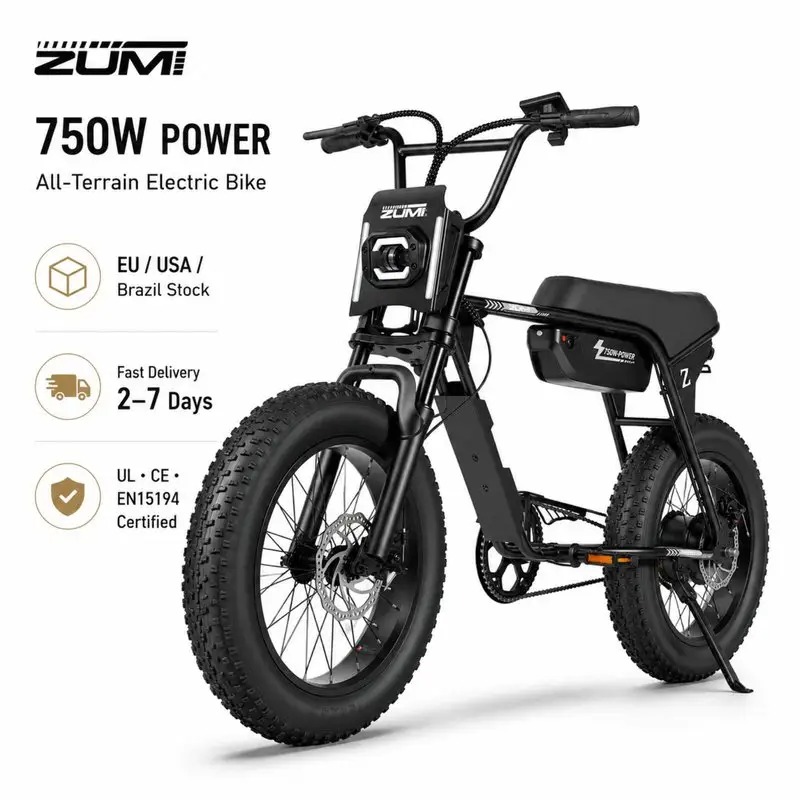
Avoid liability & import bans: Learn IEC 62619, UN 38.3, and UL 2271—plus how to verify real compliance (not fakes).
2026/08/03
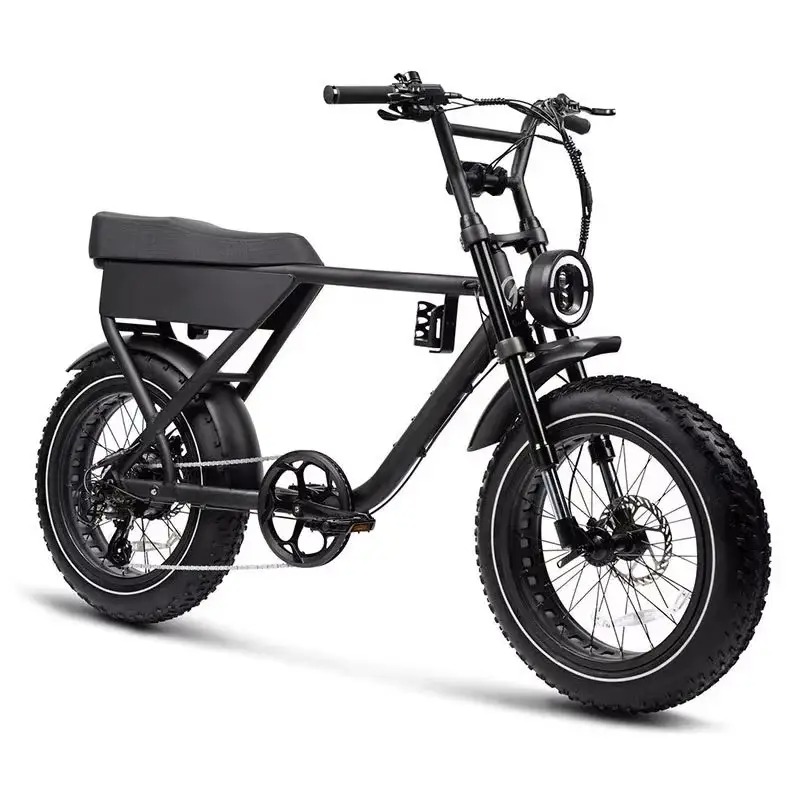
Learn precise air pressure, rebound & compression tuning for optimal suspension performance. Get pro-level setup tips now.
2026/08/03
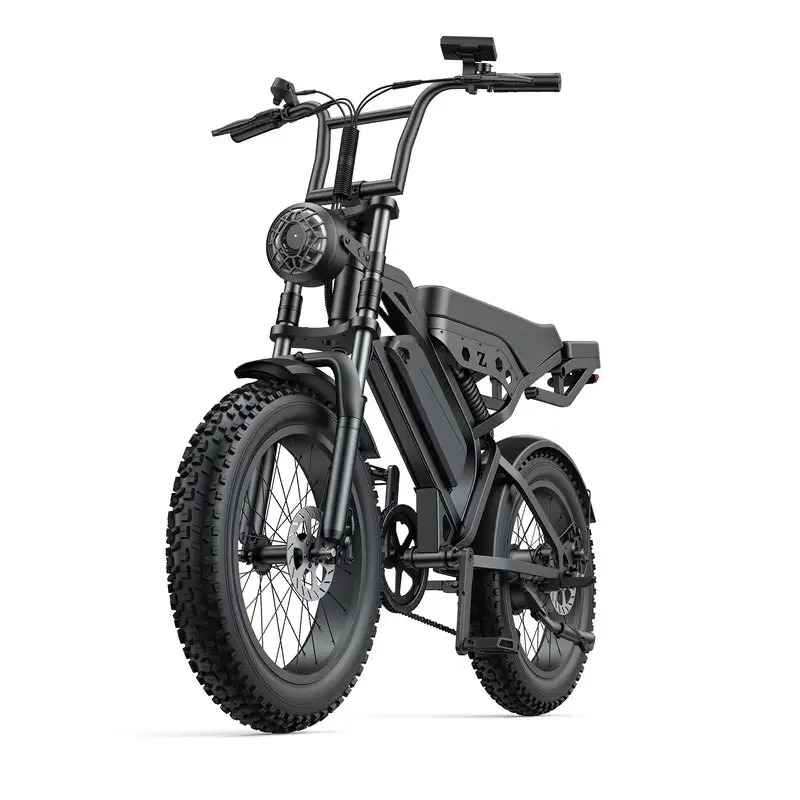
Discover how voltage drop saps performance—and proven fixes to restore responsiveness, range, and battery life. Read now.
2026/08/03
Discover data-backed protocols, smart infrastructure & operational fixes. Optimize now.
2026/08/03
How payload cuts 48V cargo ebike range by 15–50%+ — backed by real-world degradation curves, motor load science & fleet optimization strategies.
Comprehensive warranty, fast parts shipping, remote diagnostics and local dealer training


