 EN
EN

STEP 1
Full vehicle warranty for 2 years
2026/08/26
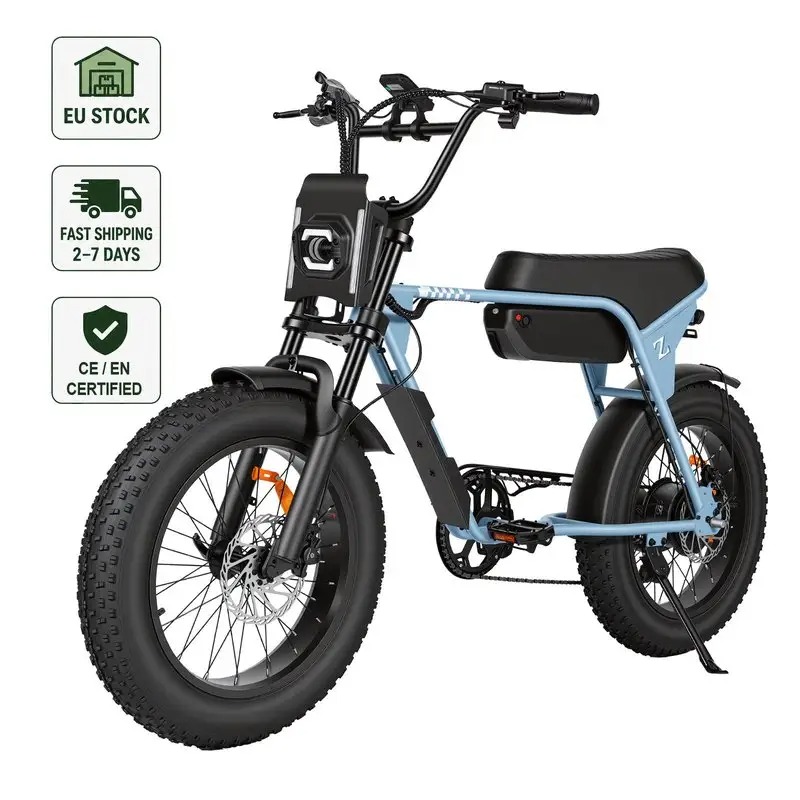
Urban apartment dwellers face a persistent storage challenge when choosing an electric bike. Space constraints demand careful consideration of dimensions, weight, and practicality. The decision between a 20 fat tire ebike and larger 26 inch models fundamentally shapes your ability to store, transport, and enjoy your ride within tight quarters. Understanding the differences between these wheel sizes helps you make an informed choice that balances performance with real-world living conditions.
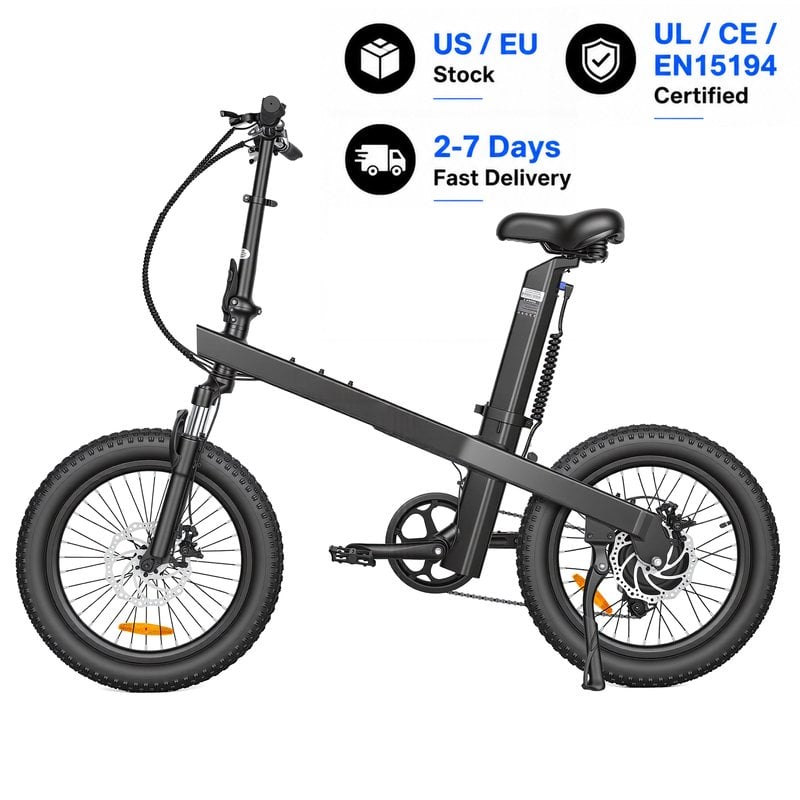
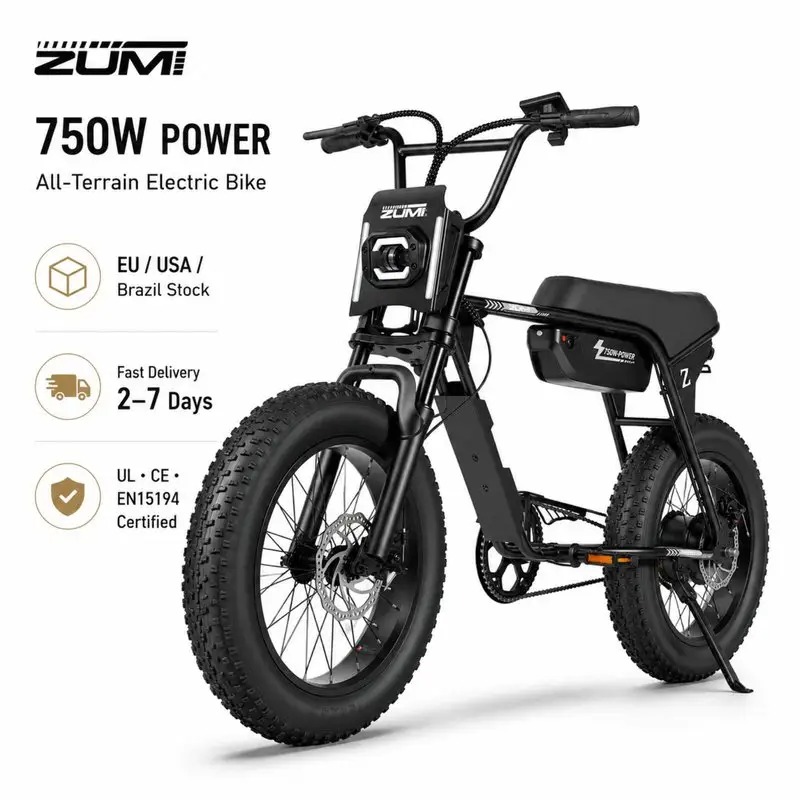
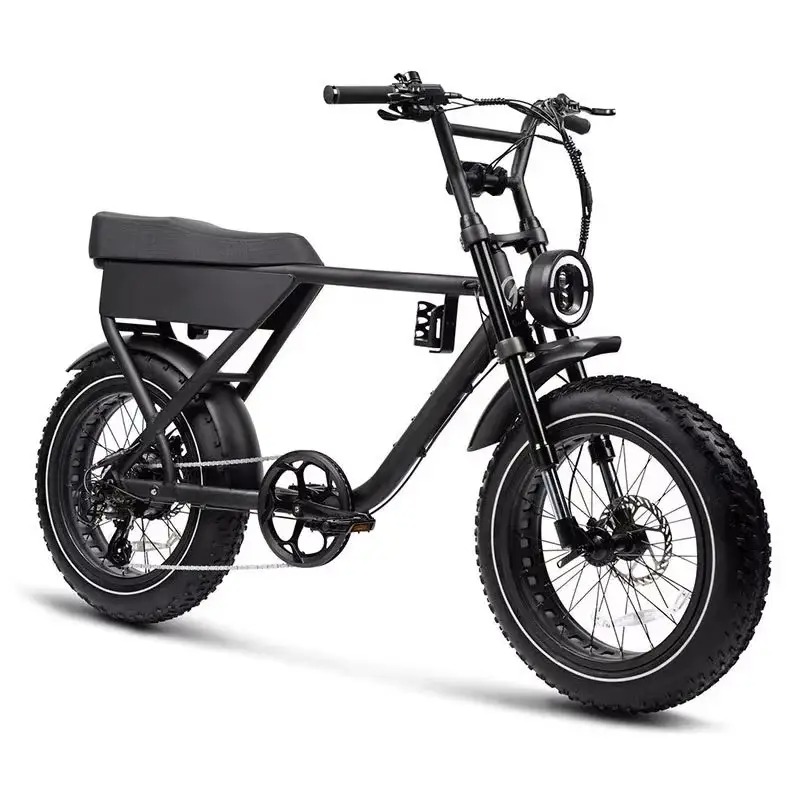
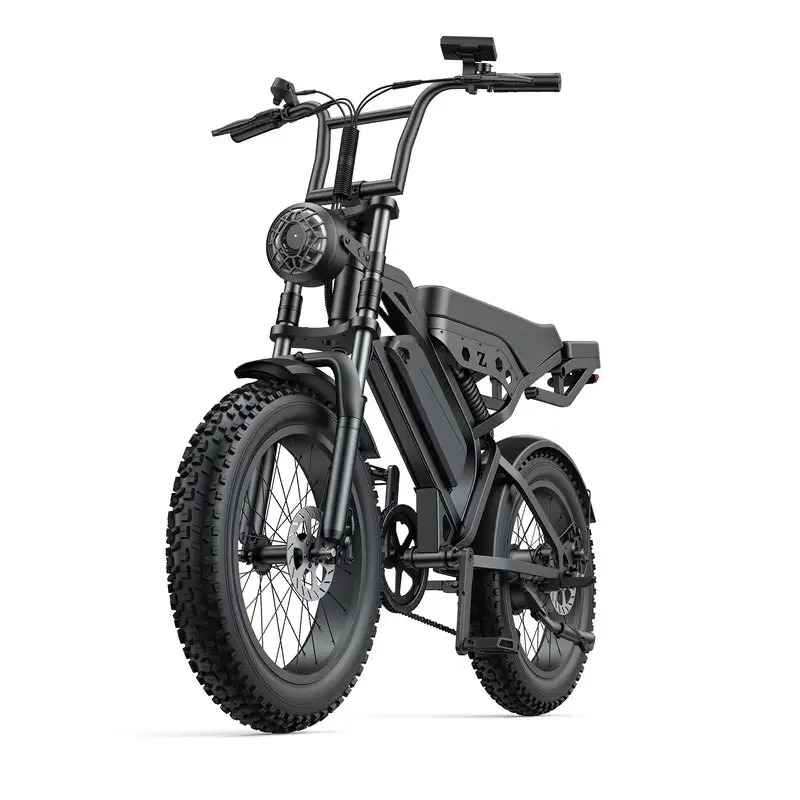
A 20 fat tire ebike represents a practical middle ground for apartment living. These compact ebikes combine smaller wheels with wider tires, creating a footprint that fits naturally into closets, corners, and storage nooks. The 20 inch ebike category has gained traction among urban cyclists who refuse to compromise between convenience and capability. Fat tire ebikes offer exceptional traction and comfort, making them ideal for diverse terrain and varied weather conditions common in city environments.
The 20 fat tire ebike excels in spatial efficiency because wheel diameter directly influences overall bike dimensions. A compact ebike with 20 inch wheels typically measures 50 to 55 inches in length and 25 inches in height, easily fitting through doorways and into apartment closets. Standard 26 inch models measure approximately 60 to 65 inches in length, requiring dedicated hallway space or garage access that many urban residents lack. The fat tire ebike design maintains wheel width for stability while keeping the frame compact, addressing the core storage problem without sacrificing ride quality.
When storing a 20 inch ebike indoors, you can lean it against walls, hang it on racks, or position it within closets without dominating your living space. Fat tire models distribute weight more evenly across their wider contact patches, reducing floor pressure and wall impact. The 26 inch wheel design forces larger overall proportions; these bikes occupy substantially more square footage whether stored vertically or horizontally. Apartment residents with limited hallway space, bathroom corners, or bedroom closets benefit dramatically from choosing the 20 fat tire ebike over larger alternatives. Space-conscious living becomes genuinely practical rather than a constant storage negotiation with family members or roommates.
Fat tire ebikes excel on wet pavement, gravel paths, and irregular urban surfaces because the wider tire profile increases ground contact area. A 20 inch ebike maintains this traction advantage while maneuvering through crowded streets and tight bike lanes more readily than 26 inch models. The compact ebike geometry naturally lowers your center of gravity, enhancing stability and control during stop-and-start city riding. Fat tire construction absorbs vibrations from potholes and rough concrete, translating directly into rider comfort during daily commutes. Many apartment dwellers prioritize this cushioned ride quality because it reduces fatigue on frequent short trips to coffee shops, grocery stores, and transit stations.
Larger wheels on 26 inch models achieve slightly higher top speeds due to their mechanical advantage and reduced rolling resistance on smooth pavement. However, urban riding rarely demands sustained high-speed performance; most apartment-based trips involve frequent acceleration and braking within congested areas. The 20 fat tire ebike accelerates quickly, reaches practical commuting speeds of 18 to 22 miles per hour, and handles energy-efficient pacing that maximizes battery range. Battery range typically extends 25 to 40 miles on a single charge for both wheel sizes when equipped with comparable motor and battery systems. For apartment residents without long-distance commuting requirements, this range proves entirely sufficient for daily urban navigation and weekend leisure rides.
A 20 inch ebike weighs typically 45 to 55 pounds, while 26 inch models range from 50 to 65 pounds. This weight difference becomes meaningful when carrying your bike up apartment stairs, loading it into elevators, or moving it frequently between storage locations. The compact ebike's shorter wheelbase requires less rotational effort when navigating confined stairwells or elevator doors. Fat tire ebikes concentrate their weight distribution across the wider tire footprint, making them feel more stable during parking and standing storage compared to skinnier-wheeled alternatives. Apartment living often requires moving bikes multiple times daily; choosing a lighter, more maneuverable option like the 20 fat tire ebike reduces physical strain and accessibility barriers.
Many compact ebike models incorporate folding frames specifically designed for apartment living and multi-modal commuting. A 20 inch ebike with folding capability reduces storage footprint to roughly 28 by 24 inches when folded, fitting under beds or into closet shelves. Traditional 26 inch models rarely fold as compactly due to their larger wheel and frame geometry, making apartment storage considerably more awkward. Portable design enables you to take your fat tire ebike on buses, trains, and into office buildings when weather turns poor or night falls early. This portability flexibility distinguishes apartment-appropriate ebikes from models designed primarily for suburban garages and dedicated bike storage infrastructure.
A 20 fat tire ebike typically costs between 800 and 1500 dollars, while comparable 26 inch models range from 1000 to 1800 dollars due to increased material requirements. Apartment dwellers benefit from spending less capital while gaining storage flexibility and daily-use reliability. The cost advantage reflects practical efficiency; you're not paying for the larger wheel and frame apparatus that only complicates apartment logistics. Budget-conscious urban cyclists maximize value by selecting a compact ebike that solves their actual storage problem rather than an oversized model requiring garage infrastructure they don't possess.
Smaller wheels on a 20 inch ebike require tire replacements roughly 20 percent more frequently than 26 inch wheels because smaller wheels complete more rotations over equal distances. However, replacement tires for compact ebikes cost less and availability remains strong across urban bike shops. The fat tire construction provides superior puncture resistance compared to narrow tires, offsetting some replacement frequency through durability. Overall maintenance costs for a compact ebike remain comparable to or lower than 26 inch models, particularly when factoring in the complete absence of garage rental fees or storage service expenses. Long-term value calculation heavily favors the 20 fat tire ebike for apartment residents because total ownership cost includes storage solutions, transportation, and lifestyle compatibility that larger models cannot match.
Yes, the 20 inch ebike with fat tires performs exceptionally well on most urban terrain including wet streets, gravel, and grass. The wider tire profile compensates for smaller wheel diameter, providing traction and comfort that rivals larger alternatives. Extreme technical mountain trails represent the primary exception where larger wheels offer marginal climbing advantages, but apartment residents rarely encounter such conditions during regular commuting.
A compact ebike measures approximately 50 to 55 inches in length and 25 inches in height, fitting comfortably within most apartment closets, corners, or horizontal storage racks. If your model includes folding capability, storage footprint reduces to roughly 28 by 24 inches. This dramatic efficiency difference compared to 26 inch models directly addresses the primary storage challenges apartment dwellers face daily.
The 20 fat tire ebike accommodates riders up to approximately 6 feet tall through adjustable seat posts and handlebar positioning. Taller riders may experience a more compact riding posture compared to 26 inch models, but the difference remains negligible for casual commuting and urban riding. Individual frame geometry varies significantly between manufacturers, so testing specific models ensures proper fit for your height and comfort preferences.
2026/08/03
Fix time zones, language gaps, and unclear protocols—boost speed, cut costs, and scale confidently.
2026/08/03
Avoid liability & import bans: Learn IEC 62619, UN 38.3, and UL 2271—plus how to verify real compliance (not fakes).
2026/08/03
Learn precise air pressure, rebound & compression tuning for optimal suspension performance. Get pro-level setup tips now.
2026/08/03
Discover how voltage drop saps performance—and proven fixes to restore responsiveness, range, and battery life. Read now.
2026/08/03
Discover data-backed protocols, smart infrastructure & operational fixes. Optimize now.
2026/08/03
How payload cuts 48V cargo ebike range by 15–50%+ — backed by real-world degradation curves, motor load science & fleet optimization strategies.
Comprehensive warranty, fast parts shipping, remote diagnostics and local dealer training


