 EN
EN
STEP 1
Full vehicle warranty for 2 years
2026/08/31
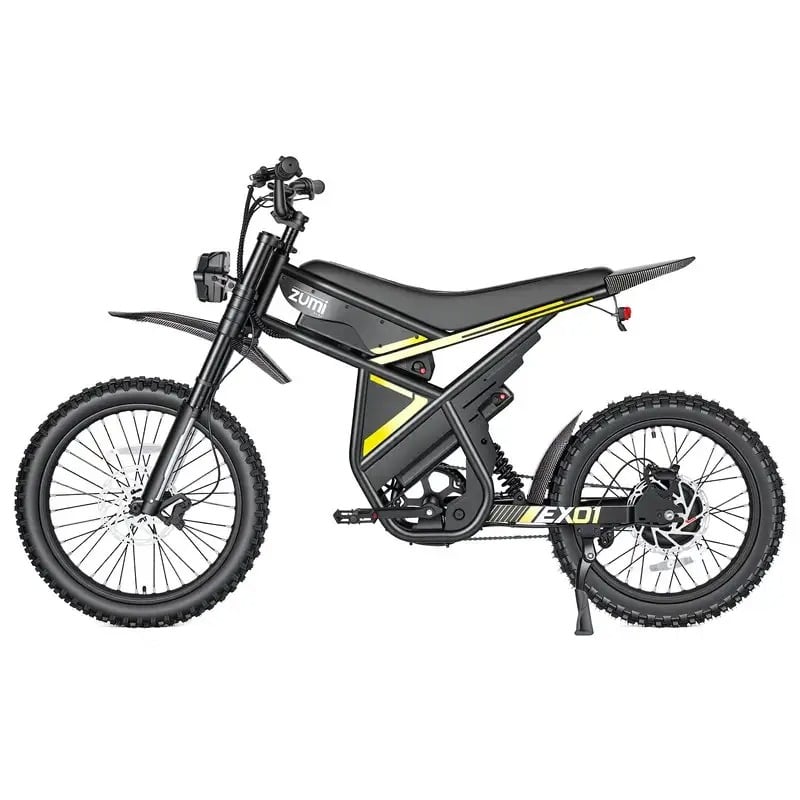
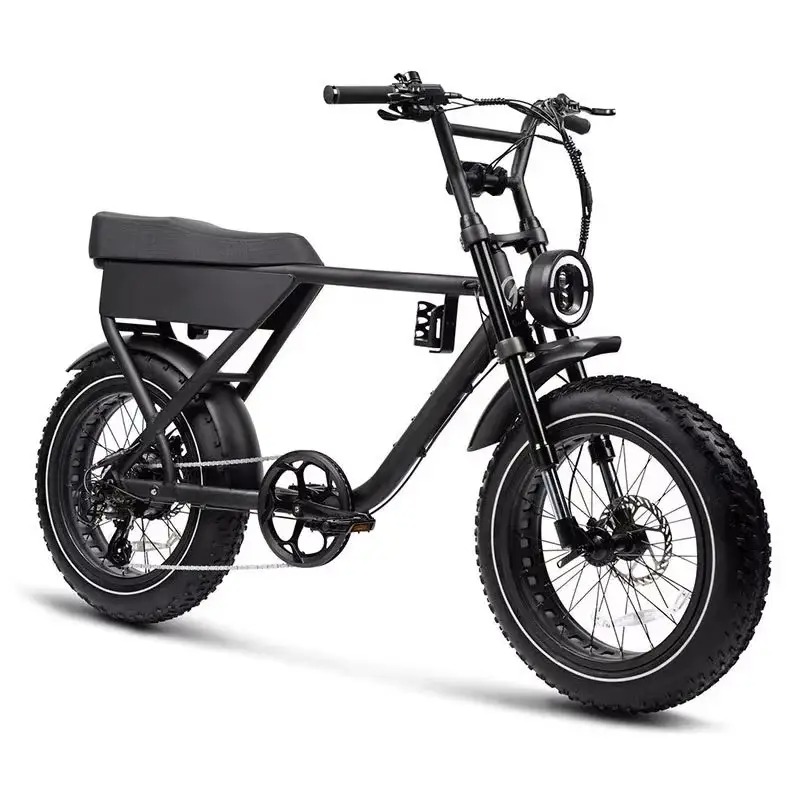
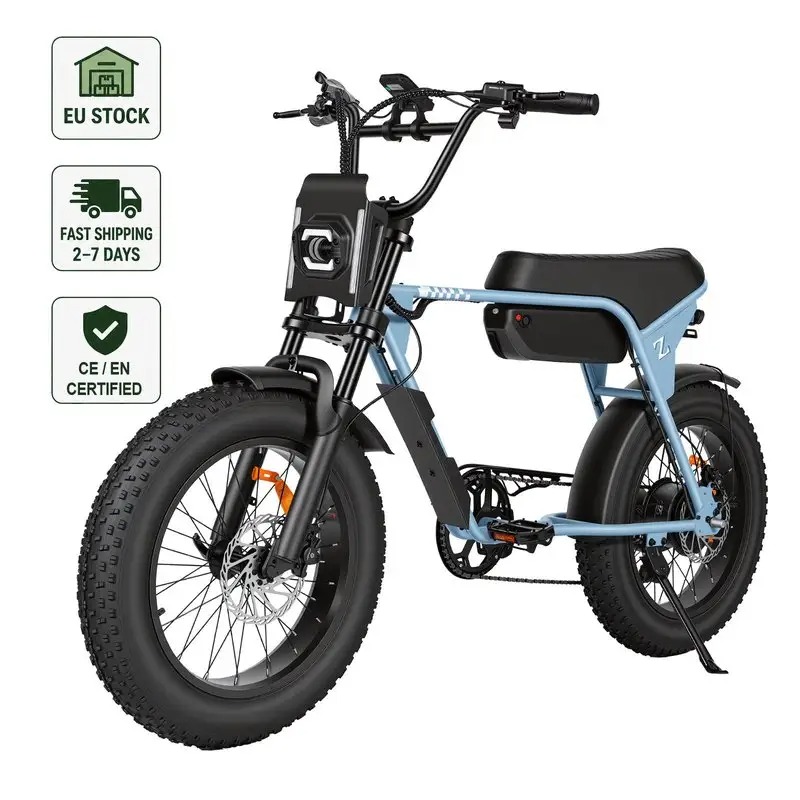
When planning an RV adventure, choosing the right transportation for exploring destinations becomes critical. A 20 inch fat tire electric bike offers distinct advantages over larger 26 inch models, particularly for nomadic travelers who value space, portability, and convenience. The compact design of a 20 inch fat tire ebike aligns perfectly with RV storage constraints while delivering reliable performance on diverse terrain.
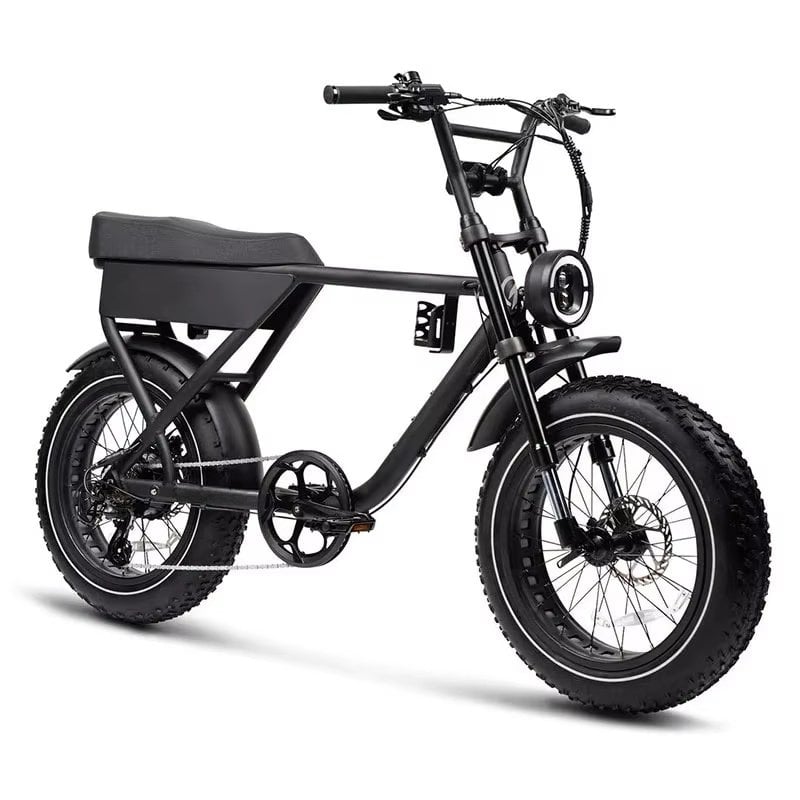
For RV enthusiasts, understanding the comparison between a 20 inch fat tire folding electric bike and traditional 26 inch models requires examining storage logistics, handling characteristics, and practical riding experience. This guide explores how a small fat tire electric bike transforms your travel experience, enabling you to maximize exploration without sacrificing valuable living space inside your motorhome or travel trailer.
RV living demands creative space management. A 20 fat tire ebike occupies significantly less storage area than its 26 inch counterpart, making it ideal for vehicles where every cubic foot matters. When collapsed or stored vertically, a 20 inch fat tire folding electric bike fits conveniently in exterior storage compartments, closets, or under beds without dominating interior space. The reduced footprint means you can transport two small fat tire electric bikes in the space required for one 26 inch model, enabling couples or families to explore together without compromise.
A 20 inch fat tire electric bike typically weighs between 45 and 55 pounds, compared to 55 to 70 pounds for 26 inch models. This lighter weight matters when loading, unloading, and maneuvering bikes in and out of storage areas during frequent stops. The reduced mass also impacts RV weight distribution and fuel efficiency, particularly important for full-time nomads managing tight payload budgets. A small fat tire electric bike enables easier handling by users of varying strength, making it accessible for different family members regardless of age or physical condition.
A 20 inch fat tire ebike offers superior maneuverability in tight spaces, parking lots, and congested campground areas where tight turns and quick adjustments prove essential. The smaller wheel diameter creates a lower center of gravity and sharper turning radius, enabling confident navigation through obstacles and narrow paths. Conversely, 26 inch models excel on straight-line terrain and high-speed riding but demand more space and effort to pivot in confined areas. When visiting RV parks, small towns, and hiking trail access points, the nimble nature of a 20 inch fat tire folding electric bike becomes a distinct operational advantage, allowing quick exploration without requiring wide-open spaces.
Despite their smaller wheel size, fat tire electric bikes equipped with wide, low-pressure tires deliver exceptional traction and stability across sand, snow, mud, and gravel surfaces. A 20 fat tire ebike climbs rocks, roots, and steep slopes with confidence, rivaling larger models in off-road capability while maintaining superior control on technical terrain. The fat tire category prioritizes grip and flotation over traditional tire designs, compensating for reduced wheel diameter through enhanced contact surface and distributed pressure. RV travelers exploring desert landscapes, beach access points, and mountain trails discover that a 20 inch fat tire electric bike provides all necessary performance for adventure without unnecessary size or weight penalties.
Long-distance RV journeys require reliable equipment that adapts to varying climates and terrain types. A 20 inch fat tire folding electric bike delivers consistent performance across continental travel, handling temperature extremes, altitude variations, and seasonal ground conditions. The compact form factor enables flexible storage arrangement, protecting your investment from weather exposure while keeping the vehicle weight distribution optimal. Battery management becomes simpler with smaller models, and replacement parts travel more conveniently if issues arise during extended expeditions. For RV owners planning three-month or longer journeys, the practical advantages of a small fat tire electric bike accumulate significantly compared to bulkier 26 inch alternatives.
A 20 fat tire ebike typically costs 15 to 25 percent less than comparable 26 inch models, creating meaningful savings for budget-conscious travelers. Lower purchase price enables investment in two units for couples or families, supporting independent exploration and sharing responsibilities. Reduced battery capacity proportional to lighter frame weight translates to lower charging costs and extended riding range through more efficient power utilization. Maintenance expenses decrease with smaller components and simpler mechanics, while tire replacement and repair costs remain lower than larger-wheel alternatives. For extended RV adventures, the cumulative financial advantage of choosing a 20 inch fat tire electric bike supports sustainable nomadic living without compromising exploration capabilities.
Yes, modern 20 inch fat tire electric bikes feature advanced battery systems delivering 30 to 50 miles per charge depending on terrain, weather, and rider weight. For typical daily exploration around RV parks and nearby destinations, a single charge provides sufficient range. Most RV sites offer electric hookups for convenient overnight charging, enabling fresh batteries each morning. The efficiency of smaller electric systems, combined with reduced weight, often yields comparable or superior range per kilowatt compared to heavier 26 inch models.
Folding models collapse to approximately half their expanded dimensions, fitting storage areas previously considered impossible for bike transportation. This portability enables carrying your 20 fat tire ebike inside the RV during unfavorable weather or when security concerns exist. Folding mechanisms increase versatility for blended storage with other equipment, and compact form factors support air travel if RV routes include fly-in or fly-out segments. The trade-off involves slightly increased mechanical complexity and marginally higher weight compared to rigid frames, though most users find the storage convenience worth minimal performance adjustments.
A 20 inch fat tire electric bike excels on technical mountain terrain through superior maneuverability and lower center of gravity, enabling confident navigation through complex obstacles. Motor power and battery capacity remain comparable to 26 inch models in similar price ranges, delivering equivalent climbing capability and acceleration. Riders experience slightly reduced top speed due to smaller wheel diameter, but increased control and precision prove advantageous on challenging descents and tight switchbacks. Most mountain biking performance differences diminish significantly when comparing electric-assisted models, as pedal-assist systems compensate for size limitations through consistent motor support.
2026/08/03
Fix time zones, language gaps, and unclear protocols—boost speed, cut costs, and scale confidently.
2026/08/03
Avoid liability & import bans: Learn IEC 62619, UN 38.3, and UL 2271—plus how to verify real compliance (not fakes).
2026/08/03
Learn precise air pressure, rebound & compression tuning for optimal suspension performance. Get pro-level setup tips now.
2026/08/03
Discover how voltage drop saps performance—and proven fixes to restore responsiveness, range, and battery life. Read now.
2026/08/03
Discover data-backed protocols, smart infrastructure & operational fixes. Optimize now.
2026/08/03
How payload cuts 48V cargo ebike range by 15–50%+ — backed by real-world degradation curves, motor load science & fleet optimization strategies.
Comprehensive warranty, fast parts shipping, remote diagnostics and local dealer training


