 EN
EN
STEP 1
Full vehicle warranty for 2 years
2026/09/01
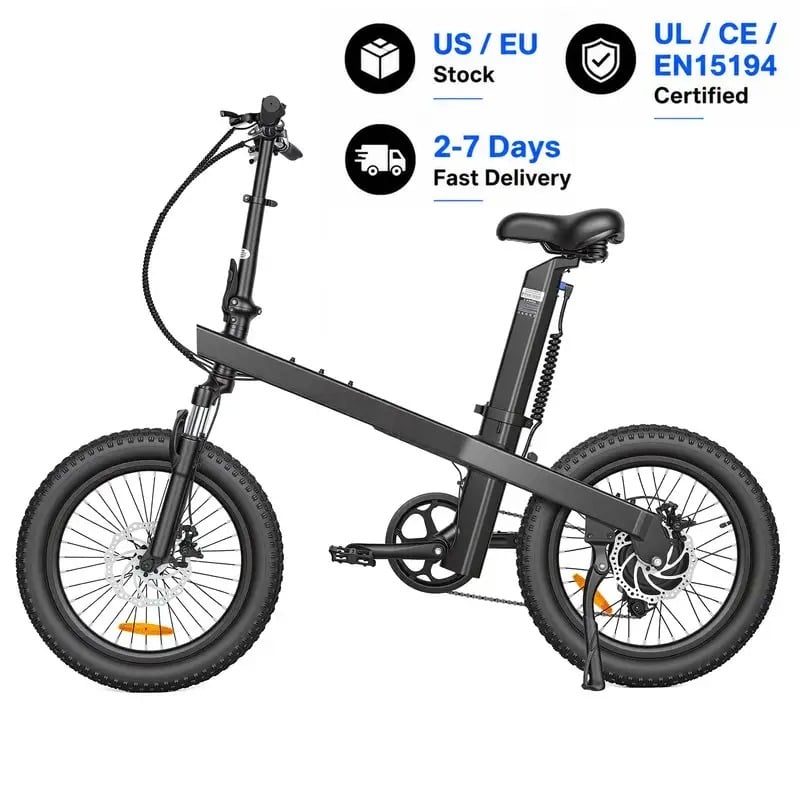
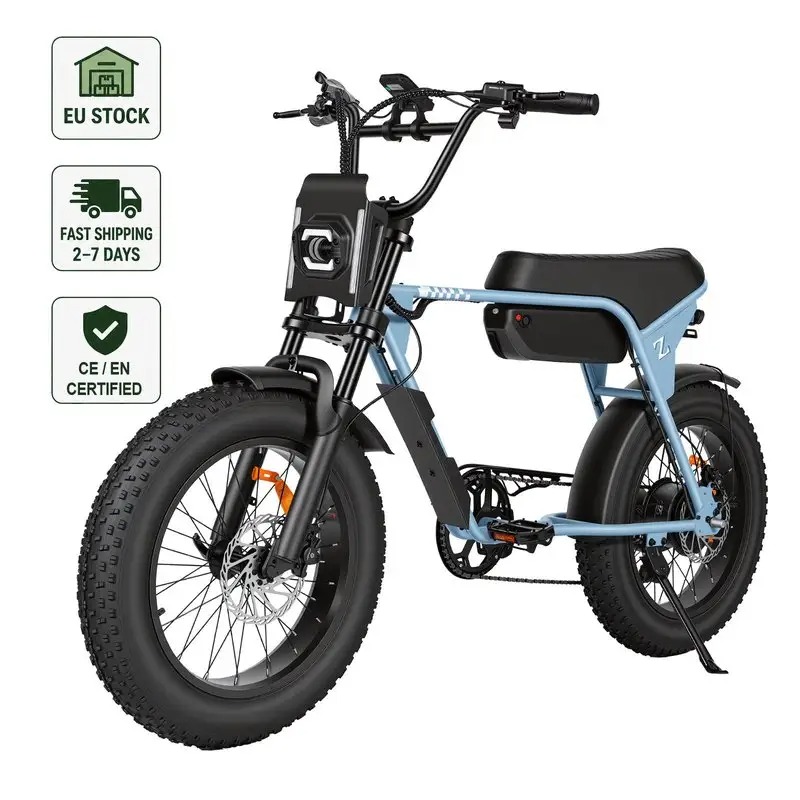
The distinction between a 250w electric bike and a 500w e-bike extends far beyond simple power output. Legal frameworks worldwide classify electric bicycles based on motor wattage, and these classifications directly determine where you can legally operate your vehicle. Understanding these differences is critical if you plan to purchase an e-bike, as operating an oversized motor in restricted zones can result in fines, confiscation, or legal penalties. A 250w electric bike represents the standard threshold in many jurisdictions, while higher-powered models like 500w e-bikes fall into different regulatory categories that affect usage rights, insurance requirements, and pathway access.
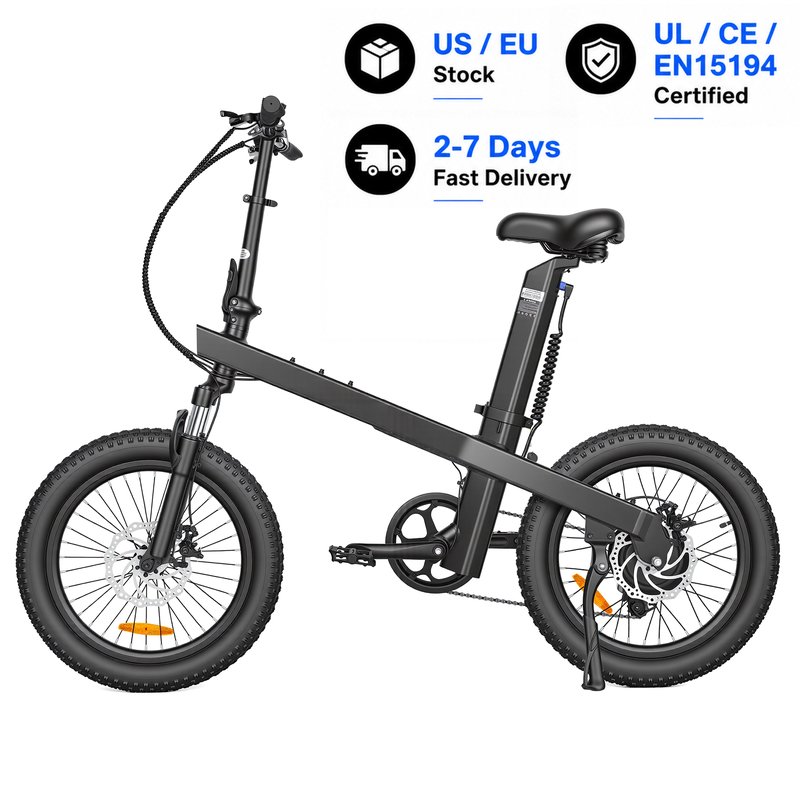
The legal landscape for 250w ebikes and their higher-powered counterparts continues to evolve as cycling gains popularity worldwide. European Union regulations define a 250w e-bike with motor assistance capped at 25 kilometers per hour as a standard bicycle requiring no license, registration, or helmet in many cases. In contrast, a 500w e-bike often requires classification as a motorized bicycle or moped, triggering mandatory safety certifications, registration, and rider age restrictions. Navigating this regulatory environment requires knowledge of your local laws, the specifications of your ebike 250w 48v system, and the intended use environment—whether urban commuting, mountain trail riding, or recreational cycling.
Motor wattage serves as the primary legal benchmark for classifying electric bicycles across most jurisdictions. A 250w electric bike operates at the EU standard threshold, allowing unrestricted access to bicycle lanes, parks, and pedestrian zones in most European countries. The motor assists your pedaling effort without exceeding the legal power ceiling, making it compliant with regulations designed to maintain bicycle infrastructure integrity. By contrast, a 500w e-bike exceeds this threshold and typically enters a gray zone where classification varies significantly by region. In some areas, 500w models are permitted under specific conditions such as throttle disablement or speed governors; in others, they require motorized vehicle registration and licensing.
The United States takes a different approach than Europe, categorizing e-bikes into three classes based on motor type and assistance method rather than strict wattage alone. Class 1 and Class 2 e-bikes, typically featuring motors up to 750w, are treated as bicycles in many states. However, state laws vary considerably, and a 250w electric mountain bike remains universally accepted across regions that have established e-bike regulations. A 500w e-bike falls into Class 3 territory in some jurisdictions but may be reclassified as a motorized vehicle in others. This fragmentation means that purchasing a 250w ebikes model provides significantly more legal certainty across state and international borders than higher-powered alternatives. Understanding your specific region's definitions prevents costly compliance violations and ensures your investment remains legally operable.
A 250w electric bike typically enjoys full access to standard bicycle infrastructure designed for conventional bicycles and e-bikes compliant with the 250w standard. Protected bike lanes, shared-use paths, and recreational trails in most urban and suburban areas explicitly permit 250w ebikes because they maintain speeds and assist levels comparable to human-powered bikes. This unrestricted access represents a major practical advantage, as commuters can navigate direct routes through cities without detours. Conversely, 500w e-bikes face access restrictions in many jurisdictions, including prohibition from dedicated bicycle paths, multi-use trails, and certain public lands. Riders of 500w models often must use streets designated for motorized traffic, requiring helmets, lights, and adherence to motorcycle or moped regulations that create operational friction and potential safety conflicts with pedestrian zones.
Motor assistance speed caps distinguish legal electric bicycles from motorized vehicles in most frameworks. A 250w electric bike typically cuts motor assistance at 25 kilometers per hour (approximately 15.5 miles per hour) under EU regulations, maintaining the technical classification as a bicycle despite motorized assistance. This speed governor ensures that 250w ebikes do not pose safety risks equivalent to motorcycles or motorized scooters, justifying their access to shared cycling infrastructure. An ebike 250w 48v system maintains this compliance through both hardware and firmware controls, ensuring predictable performance and legal certainty. A 500w e-bike, particularly without electronic speed governors, can exceed these assistance thresholds substantially, reaching speeds comparable to mopeds or lightweight motorcycles. Such performance differences directly trigger reclassification into motorized vehicle categories, fundamentally altering legal operating parameters, insurance requirements, and liability exposure.
Purchasing a 250w electric bike for sale typically involves minimal administrative overhead because most jurisdictions treat compliant 250w ebikes as standard bicycles. No registration, license plate, or vehicle registration is required in regions following EU or similar standards, enabling straightforward ownership and use. Insurance coverage remains optional in most cases, and riders do not require specialized motorized vehicle insurance policies. This simplicity extends to maintenance and repairs; any bicycle mechanic can service a 250w electric mountain bike, and replacement parts remain affordable and widely available. A 500w e-bike, by contrast, often demands formal registration with local motor vehicle authorities, requiring proof of ownership, possibly vehicle inspections, and mandatory insurance coverage. These administrative requirements increase ownership costs significantly, create ongoing compliance obligations, and complicate buying or selling transactions. For casual and commuter riders, the reduced bureaucratic burden of 250w models makes them more practical and cost-effective despite potentially lower peak performance.
Legal classification directly impacts liability exposure and insurance coverage applicability. A 250w electric bike typically falls under standard homeowner or renters insurance policies with minimal additional cost, as it maintains bicycle classification in most jurisdictions. If an incident occurs, liability claims remain manageable because cyclists operating 250w ebikes are not legally accountable for regulatory violations—they comply with standard bicycle laws. However, a 500w e-bike operates in regulatory gray zones where insurance providers may deny coverage if the vehicle was not properly registered or classified as required by local law. Riders of unregistered 500w e-bikes face personal liability for injuries or property damage without insurance protection, creating substantial financial risk. Additionally, operating a 500w model in zones restricted to 250w electric bikes can result in citations, fines, and vehicle impoundment. Understanding these liability implications reinforces why the 250w electric bike for sale market remains robust despite competition from higher-powered alternatives; compliance certainty provides peace of mind that higher-powered models cannot guarantee.
Yes, a 250w electric bike is permitted on dedicated bicycle paths, multi-use trails, and shared-use pathways in most jurisdictions worldwide. Compliance with 250w power limits and speed governors ensures that 250w ebikes maintain technical bicycle classification, granting them access to infrastructure designed for human-powered bicycles. Always verify local regulations before riding, as some private trails or specialized parks may have specific policies. However, standard municipal and state bicycle paths universally permit 250w electric mountain bikes and similar compliant models.
A 500w e-bike typically exceeds legal power thresholds in many regions, triggering classification as a motorized bicycle, moped, or motorized vehicle depending on local law. This reclassification requires vehicle registration, rider licensing in many areas, mandatory insurance, and helmet use. By contrast, a 250w electric bike remains classified as a standard bicycle, requiring no registration or special licensing. The legal distinction creates major differences in pathway access, insurance requirements, and administrative complexity. An ebike 250w 48v system maintains compliance with these regulations through both hardware constraints and electronic governors.
A 250w electric bike for sale is widely available through online retailers, local bicycle shops, and specialty e-bike dealers worldwide. When purchasing, verify that the model specifications explicitly state 250w motor power, EU-compliance certification, and electronically governed speed assistance capped at 25 kilometers per hour. Check product documentation for regulatory compliance certifications applicable to your country or region. Reputable sellers provide detailed technical specifications and compliance information; if unclear, contact the manufacturer directly to confirm that your 250w ebikes purchase meets local legal standards before committing to the purchase.
2026/08/03
Fix time zones, language gaps, and unclear protocols—boost speed, cut costs, and scale confidently.
2026/08/03
Avoid liability & import bans: Learn IEC 62619, UN 38.3, and UL 2271—plus how to verify real compliance (not fakes).
2026/08/03
Learn precise air pressure, rebound & compression tuning for optimal suspension performance. Get pro-level setup tips now.
2026/08/03
Discover how voltage drop saps performance—and proven fixes to restore responsiveness, range, and battery life. Read now.
2026/08/03
Discover data-backed protocols, smart infrastructure & operational fixes. Optimize now.
2026/08/03
How payload cuts 48V cargo ebike range by 15–50%+ — backed by real-world degradation curves, motor load science & fleet optimization strategies.
Comprehensive warranty, fast parts shipping, remote diagnostics and local dealer training


