 EN
EN
STEP 1
Full vehicle warranty for 2 years
2026/08/13
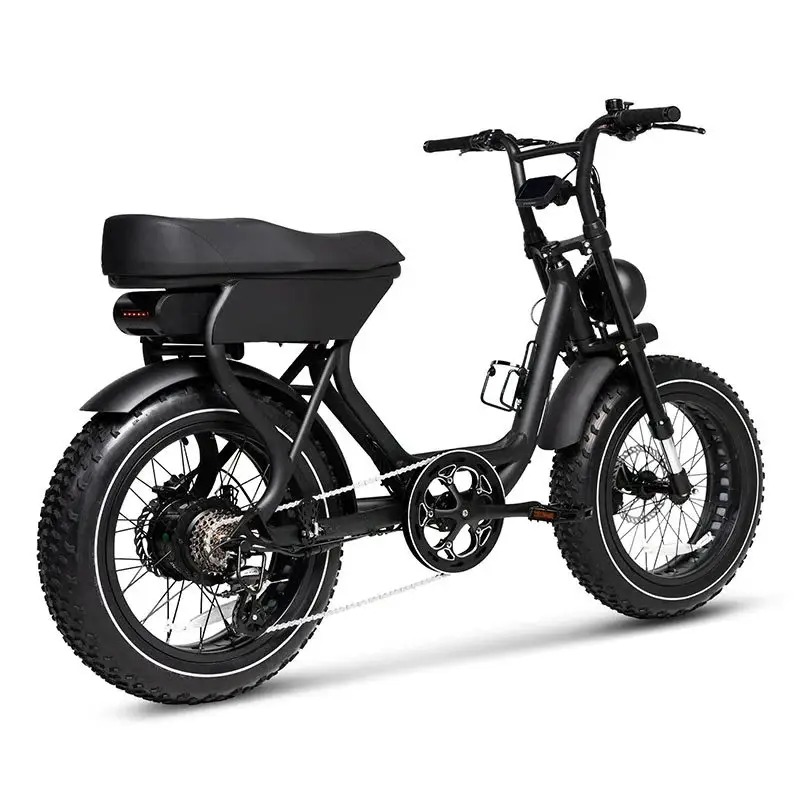
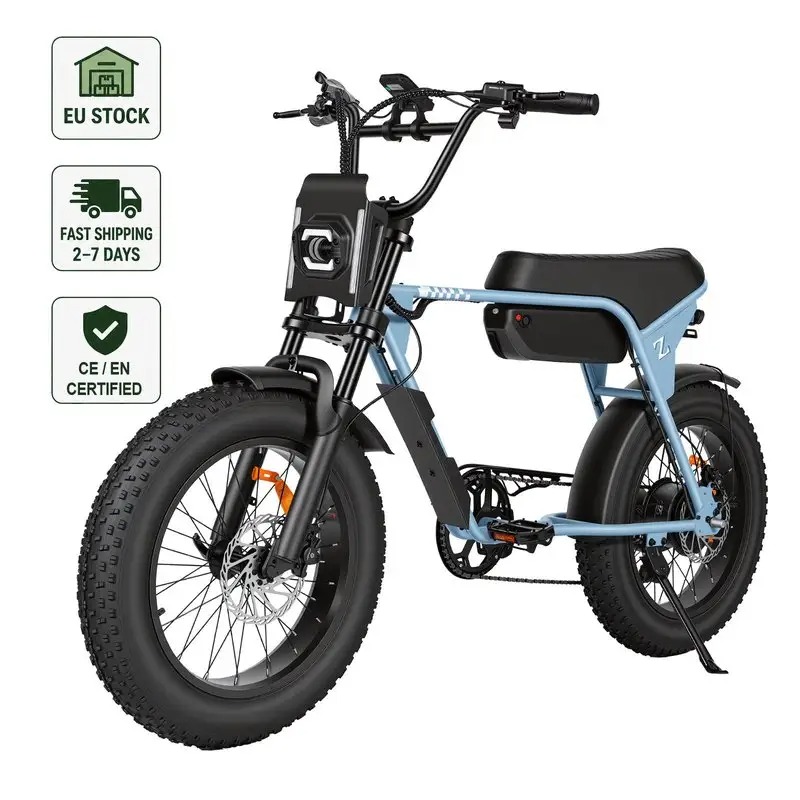
Choosing between a 250w electric mountain bike and a traditional non-electric mountain bike requires understanding how motor power translates to real-world trail performance. A 250w electric mountain bike delivers consistent pedal assistance, making steep climbs more manageable and extending your riding range significantly. The key difference lies not just in speed, but in how power delivery affects terrain navigation, rider fatigue, and overall trail enjoyment. Understanding these distinctions helps you make an informed decision based on your riding style, fitness level, and intended trail conditions.
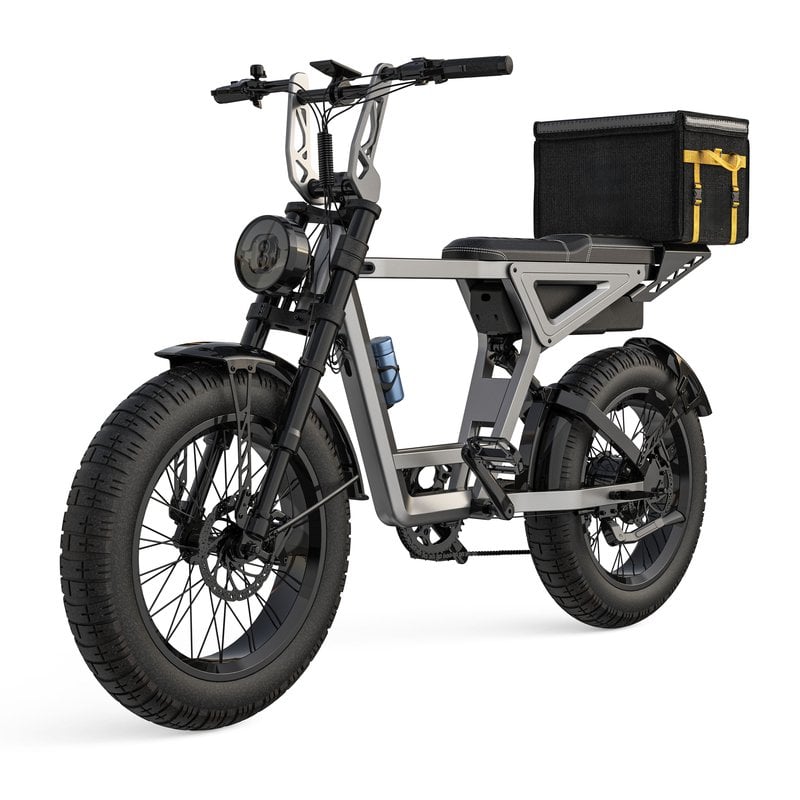
The mountain ebike category has evolved dramatically, with 250w systems representing a balance between legal restrictions in many regions and practical trail performance. Unlike high-powered systems, a 250w ebike operates within European regulations while still providing meaningful assistance. This makes the mountain ebike an accessible entry point for riders seeking electric assistance without excessive weight or complexity. Performance comparisons between electric and non-electric models reveal distinct advantages for each setup, depending on trail difficulty, rider experience, and personal goals.
A 250w ebike delivers assistance that fundamentally alters how riders tackle steep sections. On moderate climbs, the 250w electric mountain bike provides enough support to maintain a steady cadence without requiring explosive leg power. This consistent assistance reduces the spike in heart rate and muscle fatigue that characterizes traditional mountain bike climbing. Non-electric riders must rely entirely on their own strength and technique, which can lead to exhaustion on extended uphill stretches or technical terrain.
The mountain ebike advantage becomes most apparent on sustained grades above 8 percent. At these angles, a standard bike demands high power output from the rider, while the 250w system shares the workload. Real-world testing shows that riders on a 250w ebike maintain approximately 15 to 20 kilometers per hour on consistent climbs, whereas non-electric riders typically slow to 8 to 12 kilometers per hour depending on fitness. This performance gap widens further on longer climbs where rider fatigue accumulates. However, traditional mountain bikes excel at technical rocky climbs where precise body positioning and weight distribution matter more than raw power output.
One of the most compelling arguments for the 250w electric mountain bike is its ability to conserve rider energy across extended sessions. A 250w ebike allows riders to tackle longer distances or more elevation gain without proportional increases in physical exhaustion. This energy conservation means you can ride technical terrain later in the session when mental focus remains sharp, reducing crash risk. Traditional non-electric riders must ration their effort, choosing which sections demand full power and which sections allow recovery time. This strategic pacing is part of mountain biking skill, but it also limits total distance and feature engagement for recreational riders.
The mountain ebike typically weighs 2 to 4 kilograms more than a comparable non-electric model due to the motor, battery, and associated electronics. This added mass slightly affects acceleration and maneuverability on tight switchbacks or technical descents. A 250w electric mountain bike feels planted and stable, which riders generally prefer for rough terrain and high-speed sections. The lower center of gravity and distributed weight can actually improve cornering confidence. Non-electric mountain bikes feel lighter and more responsive to weight shifts, offering quicker directional changes and easier bunny hopping over obstacles. For riders focusing on downhill speed and technical skill expression, the lighter non-electric platform provides a slight advantage in responsiveness.
The 250w ebike motor sits in the drivetrain, creating predictable power delivery that integrates smoothly with pedal input. Modern mountain ebike systems use torque sensors that activate assistance proportional to rider pedaling force, making the experience feel natural rather than jarring. Traditional mountain bikes offer immediate, linear responsiveness to every pedal stroke without electronic mediation. Experienced riders sometimes prefer this direct mechanical feedback. The 250w electric mountain bike suits broader skill levels because the motor naturally moderates power, helping less experienced riders maintain control in challenging sections.
A 250w ebike with regenerative braking or motor cutoff systems provides nuanced control on descents. When regenerative braking activates, the motor assists in slowing the bike, reducing brake wear and heat buildup on long downhills. Some mountain ebike models offer programmable motor behavior, allowing riders to adjust assistance during descents for optimal control. Non-electric mountain bikes rely exclusively on mechanical braking, offering predictable, familiar stopping power without electronic complexity. Suspension performance remains largely identical between 250w ebike and non-electric models since both use comparable shock technology. The key difference emerges in how sustained pedaling on uphills affects suspension setup; electric mountain bike riders can pedal longer without fatigue-induced loss of body control, improving suspension compliance feedback throughout a ride.
A typical 250w electric mountain bike equipped with a 400 to 600 watt-hour battery delivers 40 to 80 kilometers of range depending on terrain, rider weight, and assistance level. This extended range transforms trail accessibility for recreational riders, allowing exploration of more distant trailheads without requiring complex logistics. The 250w ebike scales range based on how aggressively you use motor assistance; eco mode extends battery life substantially while turbo mode reduces range proportionally. Non-electric riders face no such constraints but also cannot extend their effective range through battery management; their practical distance depends entirely on physical fitness and training status.
For weekend warriors and commuter-recreational riders, the mountain ebike advantage is substantial. A 250w ebike enables a rider to tackle a 50-kilometer loop combining climbs, descents, and technical sections without arriving exhausted, whereas a non-electric option might leave recreational riders depleted. This difference directly impacts enjoyment, safety, and the likelihood of riding regularly. The trade-off involves battery maintenance, occasional recharging at home or trailside charging stations, and slightly higher equipment cost. Serious marathon riders and competitive cyclists still prefer non-electric mountain bikes, viewing the added weight and complexity as unnecessary for their fitness capacity and event goals.
A 250w electric mountain bike introduces additional maintenance complexity compared to traditional mountain bikes. Motor systems, battery management electronics, and specialized components require periodic servicing from technicians trained in electric system troubleshooting. Most quality mountain ebike systems include multi-year warranties covering motor and battery, reducing owner risk. Non-electric bikes offer simpler maintenance procedures that many riders perform independently, though modern suspension and brake systems also demand specialized knowledge. The 250w ebike battery typically lasts 500 to 1000 full charge cycles before capacity degradation becomes noticeable, usually representing 3 to 5 years of regular use. Replacement batteries represent significant expense, typically ranging from 400 to 800 dollars. For riders committed to long-term mountain biking, this consideration merits careful evaluation against the performance advantages gained during those ownership years.
Yes, a 250w electric mountain bike matches or exceeds non-electric bikes on downhills because motor power becomes irrelevant during descents. The motor typically disengages or reduces assistance below certain speeds, and gravity provides all the propulsion needed. The slightly heavier weight of the 250w ebike may affect acceleration slightly, but handling characteristics and suspension performance remain comparable. Skilled riders on non-electric bikes might achieve marginally faster corner exit speeds due to lighter mass, but the difference is minimal for recreational trail riding.
A 250w electric mountain bike provides moderate assistance suitable for most trail climbs found on recreational and intermediate terrain. On extremely steep technical climbing sections exceeding 15 percent gradient with complex rock gardens, the 250w system may feel modest compared to 500w or 750w alternatives. However, the mountain ebike still offers meaningful advantage over non-electric options for the majority of trail riders. Riders seeking maximum climbing capability might consider higher-wattage systems, but these exceed regulatory limits in many regions and add substantial weight and cost.
Most riders adapt to a 250w electric mountain bike within one or two trail sessions. Modern systems provide intuitive, proportional assistance that feels natural once riders understand basic mode selection and battery management. The transition proves easier than traditional bikes because the motor smooths out beginner mistakes and reduces physical strain, allowing focus on technique. Riders should spend initial sessions in lower assistance modes to develop feel for the motor's responsiveness before attempting technical terrain at high power settings. Previous non-electric experience actually accelerates adaptation because riders already possess fundamental trail skills.
2026/08/03
Fix time zones, language gaps, and unclear protocols—boost speed, cut costs, and scale confidently.
2026/08/03
Avoid liability & import bans: Learn IEC 62619, UN 38.3, and UL 2271—plus how to verify real compliance (not fakes).
2026/08/03
Learn precise air pressure, rebound & compression tuning for optimal suspension performance. Get pro-level setup tips now.
2026/08/03
Discover how voltage drop saps performance—and proven fixes to restore responsiveness, range, and battery life. Read now.
2026/08/03
Discover data-backed protocols, smart infrastructure & operational fixes. Optimize now.
2026/08/03
How payload cuts 48V cargo ebike range by 15–50%+ — backed by real-world degradation curves, motor load science & fleet optimization strategies.
Comprehensive warranty, fast parts shipping, remote diagnostics and local dealer training


