 EN
EN
STEP 1
Full vehicle warranty for 2 years
2026/08/03
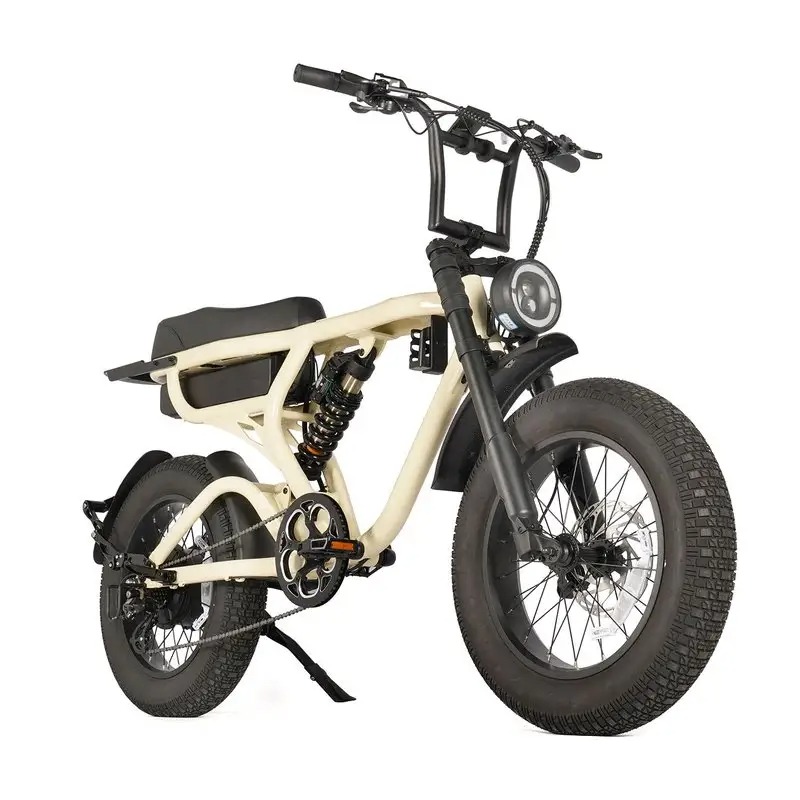
When choosing an electric bike for steep terrain, voltage rating directly impacts climbing performance and efficiency. A 48v ebike delivers substantially more power than 36v systems, making it the preferred choice for riders tackling challenging grades. The voltage difference translates into greater torque, faster acceleration on climbs, and improved energy efficiency over demanding routes.
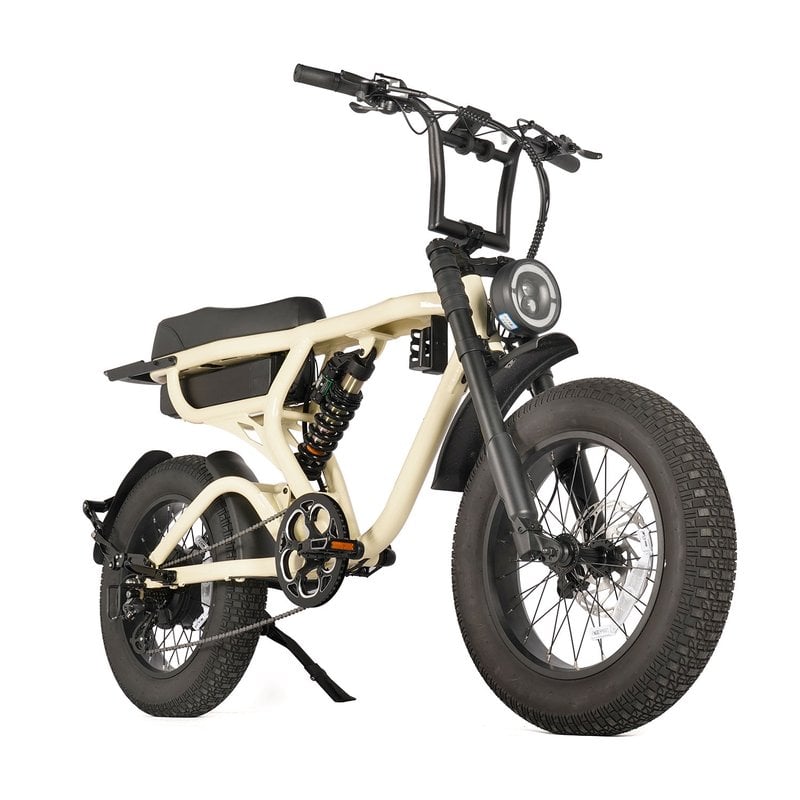
A commuter ebike must balance power, efficiency, and range across varied terrain. The voltage system you select fundamentally determines how your motor performs under load, especially when climbing steep inclines where rider assistance matters most. Understanding the technical and practical differences between 48v and 36v platforms helps you match your riding needs with the right electric mountain bike solution.
Voltage directly influences the electrical current flowing through your motor windings, creating greater magnetic force and torque output. A 48v system runs at 33 percent higher voltage than 36v, allowing the motor to generate more rotational force per pedal stroke. This increased torque proves critical on steep grades where your legs alone cannot sustain momentum.
Motor efficiency improves with higher voltage because power delivery becomes smoother and more responsive. On climbs, your commuter ebike equipped with 48v technology maintains consistent assistance even as battery voltage gradually depletes during the ride. A 36v platform experiences voltage sag more noticeably, meaning the motor loses power faster as the battery weakens under heavy hill-climbing demand.
An electric mountain bike with 48v capacity typically delivers peak power output of 750W to 1000W or more, compared to 500W to 750W from comparable 36v systems. This power surplus lets you climb steeper angles at consistent speeds without draining battery reserves excessively. The commuter ebike rider benefits because morning climbs feel less taxing, extending the usable distance for afternoon commutes.
Real-world testing shows 48v systems maintain 20 to 30 percent more power during sustained uphill riding. Your electric mountain bike preserves motor responsiveness even as grade angles increase, preventing the sluggish acceleration that riders experience with 36v platforms on demanding terrain.
Hill climbing represents the most energy-intensive riding condition, consuming battery capacity rapidly on any electric bike. A 48v ebike operates at higher efficiency because its motor converts electrical energy into mechanical motion with less wasted heat. This advantage means climbing the same hill drains proportionally less battery percentage compared to a 36v commuter ebike covering identical terrain.
Battery management systems on 48v platforms distribute electrical load more evenly across the motor windings, reducing thermal stress and extending overall cell lifespan. Your electric mountain bike climbs longer before requiring battery recharge, directly supporting multi-hill commute routes and longer weekend rides.
A 48v ebike typically delivers 30 to 40 percent greater range on mixed terrain than equivalent 36v systems using batteries of similar capacity. The efficiency advantage compounds over longer routes where consecutive hill climbs test battery reserves. Commuter ebike users gain tangible distance advantages, often reaching 50 to 80 miles per charge versus 40 to 60 miles for 36v counterparts.
Battery size also influences these calculations; a 20Ah 48v pack stores more absolute energy than a 20Ah 36v pack, creating compounding efficiency gains. Your electric mountain bike benefits from this relationship when selecting between equal-weight battery configurations, making the 48v choice particularly valuable for hillside terrain.
Motor assistance effectiveness depends on grade steepness and your commuter ebike voltage system. On grades exceeding 10 percent incline, a 48v ebike maintains nearly constant power delivery while a 36v system begins experiencing noticeable assistance loss. Electric mountain bike riders encounter these steep angles regularly, meaning voltage choice directly impacts ride quality and safety during climbs.
Acceleration response times improve significantly on 48v platforms; your 48v ebike reaches target climbing speed faster, reducing fatigue during repeated short-burst efforts. This responsiveness matters during traffic-heavy commutes where quick acceleration prevents dangerous situations.
A heavier commuter ebike equipped with 48v technology still outperforms lighter 36v models on long climbs because power output margins exceed weight disadvantages. Your electric mountain bike remains stable and predictable during hill-climbing because the motor delivers sufficient torque for smooth speed management. The 48v advantage compensates for slightly increased bike weight, maintaining efficiency across varied rider sizes and load conditions.
Control improves when motor power matches terrain demands precisely. Your 48v ebike responds intuitively to subtle throttle or pedal-assist adjustments, allowing precise climbing speed regulation that reduces muscle fatigue and improves overall riding experience compared to less powerful 36v systems.
Yes, a 48v ebike demonstrates 20 to 30 percent greater efficiency on climbs due to higher torque output and better motor responsiveness. Your electric mountain bike battery depletes more slowly climbing identical grades, extending usable range and ride comfort substantially.
A commuter ebike with 48v capacity typically achieves 30 to 40 percent greater range on mixed terrain compared to 36v platforms using similar battery capacity. On hilly routes, this advantage often translates to 10 to 20 additional miles per charge, making longer commutes practical.
Absolutely. An electric mountain bike with 48v system delivers noticeably better climbing performance, faster acceleration, and improved responsiveness that enhance safety and enjoyment on steep terrain. Recreational riders appreciate these performance advantages during challenging rides where consistent assistance matters most.
2026/08/03
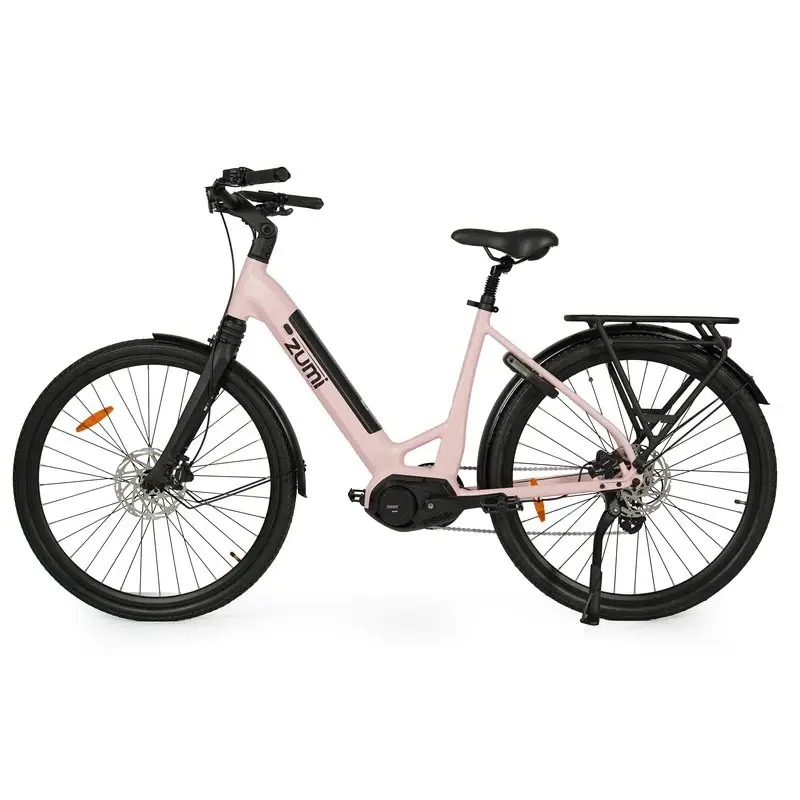
Fix time zones, language gaps, and unclear protocols—boost speed, cut costs, and scale confidently.
2026/08/03
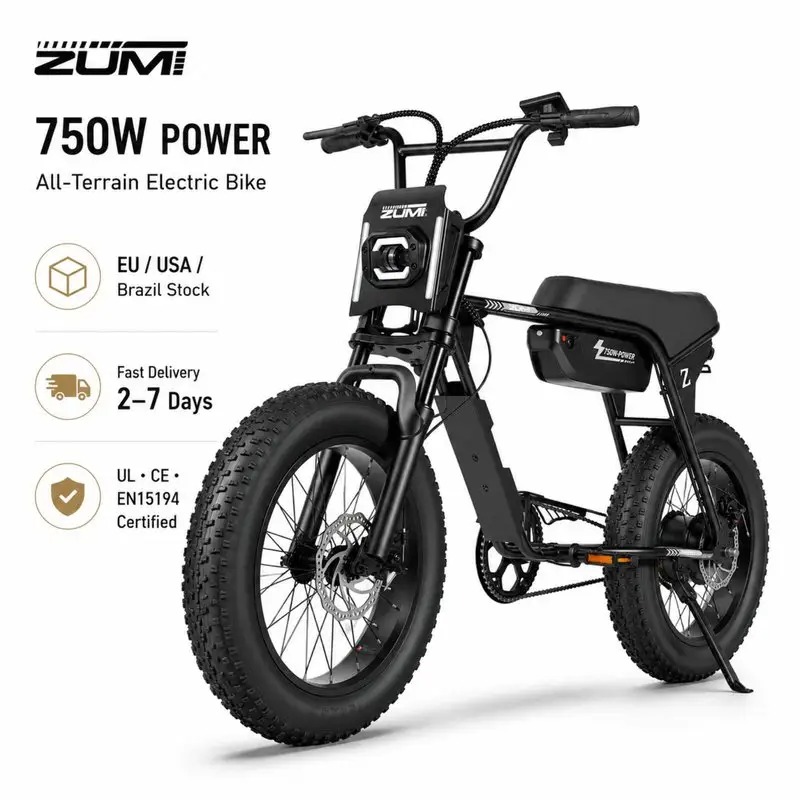
Avoid liability & import bans: Learn IEC 62619, UN 38.3, and UL 2271—plus how to verify real compliance (not fakes).
2026/08/03
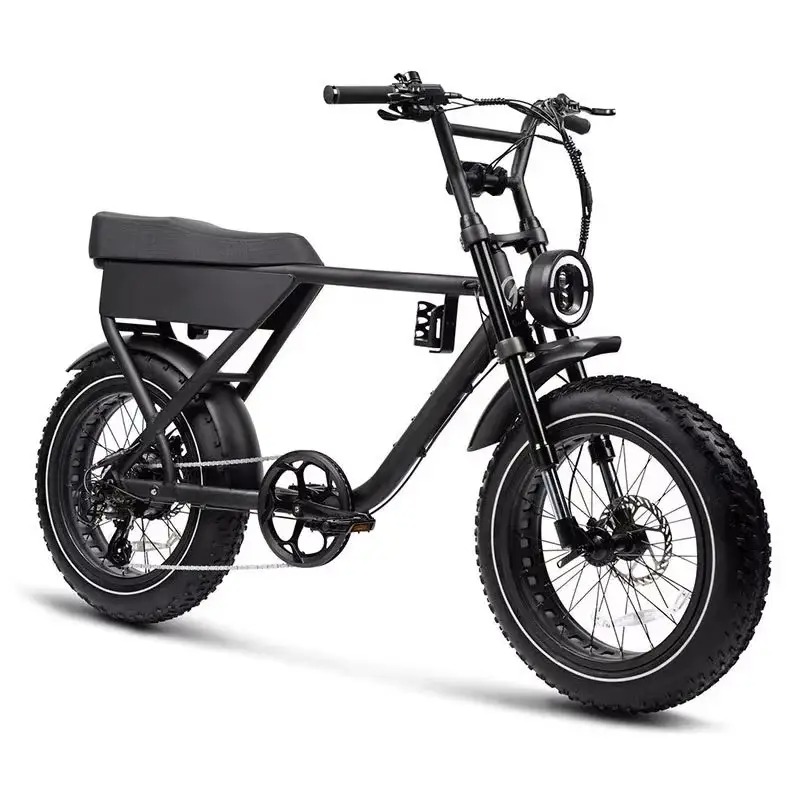
Learn precise air pressure, rebound & compression tuning for optimal suspension performance. Get pro-level setup tips now.
2026/08/03
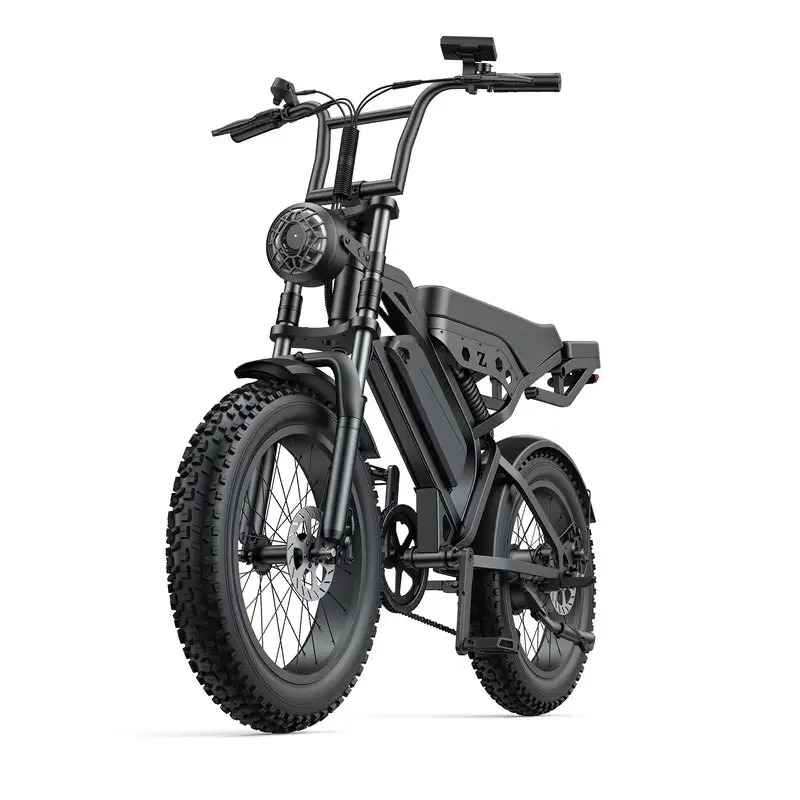
Discover how voltage drop saps performance—and proven fixes to restore responsiveness, range, and battery life. Read now.
2026/08/03
Discover data-backed protocols, smart infrastructure & operational fixes. Optimize now.
2026/08/03
How payload cuts 48V cargo ebike range by 15–50%+ — backed by real-world degradation curves, motor load science & fleet optimization strategies.
Comprehensive warranty, fast parts shipping, remote diagnostics and local dealer training


