 EN
EN
STEP 1
Full vehicle warranty for 2 years
2026/09/04
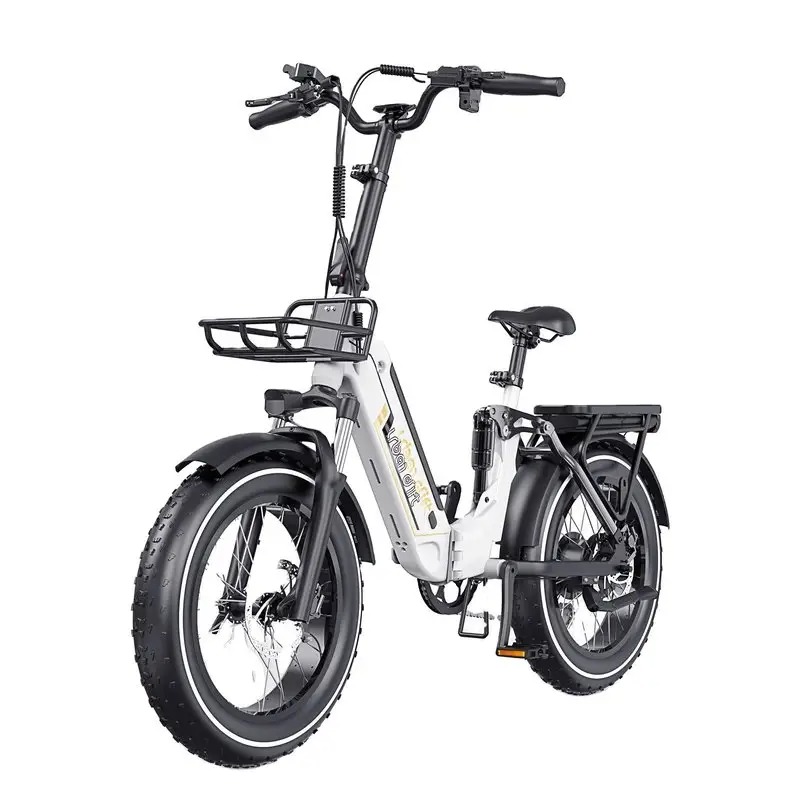
When choosing between a 48v electric bike and a 36v e-bike, understanding their performance differences under heavy loads is critical for making the right investment. The voltage system of an electric bike directly influences its power delivery, efficiency, and capability to handle demanding terrain and rider weight. Most riders evaluating these two platforms want to know which system will perform better when carrying cargo, climbing steep grades, or operating in challenging conditions. The answer depends on several interconnected factors related to motor performance, battery dynamics, and real-world usage scenarios.
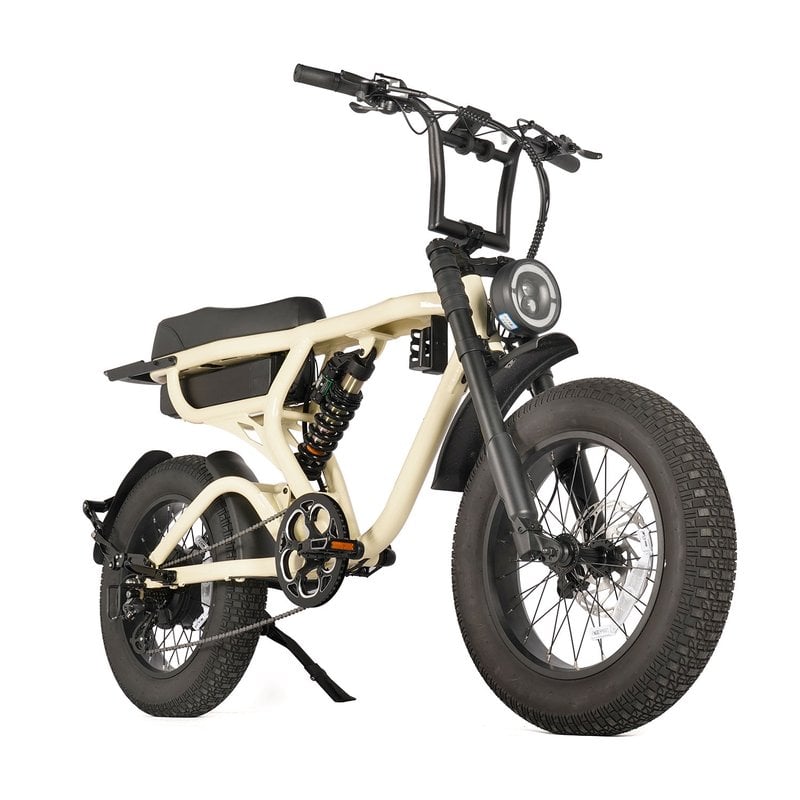
A 48v electric bike operates at a higher voltage than its 36v counterpart, fundamentally changing how the drivetrain responds under stress. The 48v system supplies more electrical potential to the motor, enabling greater torque output and sustained power delivery during acceleration and climbing. By contrast, a 36v e-bike operates at lower voltage, which affects both immediate responsiveness and endurance under continuous heavy-load operation. Understanding these voltage-based differences helps buyers predict how each platform will behave on their specific routes and with their typical payloads.
The 48v ebikes deliver superior torque compared to 36v systems, particularly when motors are paired with similar wattage ratings. A 48v electric mountain bike with a 750-watt motor produces noticeably stronger torque than a 36v e-bike with the same wattage because voltage directly influences the motor's force multiplication. When climbing steep hills with a heavy cargo load, this torque advantage becomes immediately apparent—the 48v system maintains consistent power delivery without throttling back as the load increases. Riders report that 48v e-bikes continue accelerating smoothly even when total system weight exceeds the design baseline, whereas 36v systems may experience hesitation or reduced responsiveness.
The ebike 48v 250w configuration provides faster acceleration than comparable 36v models, even at lower wattage ratings, because the higher voltage allows the motor to reach target amperage more efficiently. Under heavy loads, this matters significantly—a 48v electric mountain bike reaching full throttle takes less time than a 36v system under identical weight conditions. The 48v platform sustains this power delivery longer without thermal stress because the higher voltage reduces current draw, keeping the motor cooler during extended climbs or prolonged acceleration. Battery management systems also respond more favorably at higher voltage, allowing the power electronics to regulate current smoothly without aggressive limiting.
One of the most significant advantages of a 48v electric bike is improved energy efficiency when carrying heavy loads. The ebike 48v 250w and higher-wattage variants like the electric bike 48v 1500w consume electrical energy more efficiently than 36v systems because higher voltage reduces resistive losses in the wiring and controller. When a battery must deliver consistent power to a motor under heavy load, voltage becomes a critical factor in overall system efficiency. A 48v e-bike with a 20Ah battery, for example, covers greater distances than a 36v e-bike with the same capacity because less energy dissipates as heat during the energy transfer process.
Real-world testing shows that 48v ebikes maintain usable range more effectively than 36v systems when loaded with cargo or rider weight exceeding baseline specifications. The electric bike 48v 1500w configuration, when paired with a quality battery pack, delivers approximately 15 to 30 percent more effective range under heavy load compared to comparable 36v systems. This range advantage accumulates over time, making 48v electric mountain bike systems more practical for riders who regularly operate in demanding conditions or need extended trip distances. Battery voltage stability also plays a role—48v systems maintain voltage closer to nominal levels throughout discharge, ensuring the motor continues operating near peak efficiency until the battery is substantially depleted.
When a 48v electric bike carries substantial cargo—whether tools, groceries, or equipment—the motor's ability to maintain consistent power becomes essential for safe, predictable handling. The higher voltage of 48v ebikes ensures that adding 30, 50, or even 75 additional pounds does not cause dramatic performance degradation. The motor continues delivering responsive assistance, preventing the bike from becoming sluggish or difficult to control on grades or technical terrain. By contrast, 36v systems experience more noticeable performance reduction under equivalent cargo loads because the voltage headroom is lower, leaving less electrical capacity to handle stress spikes.
A 48v electric mountain bike equipped with an efficient motor provides noticeably superior climbing performance compared to 36v e-bikes when both carry heavy loads or when sustained inclines test the system. The 48v platform delivers power more uniformly across a long climb, preventing the power delivery fluctuations that sometimes occur on 36v systems as motors work near their electrical limits. Riders appreciate this consistency because it translates to predictable assist levels throughout a demanding ride, reducing fatigue and improving confidence on technical terrain. The ebike 48v 250w configuration proves adequate for moderate climbing, while higher-wattage options like the electric bike 48v 1500w handle extreme scenarios involving steep grades combined with maximum cargo weight.
The reduced current draw on a 48v electric bike compared to 36v systems has important implications for long-term motor durability under heavy loads. Motors running at higher voltage with lower amperage generate less internal heat, extending component lifespan and reducing maintenance needs over thousands of operating hours. A 48v ebikes system can sustain high-power output longer without thermal throttling, whereas 36v systems may reduce power delivery as motor temperature rises during extended hill climbs or cargo transport. This thermal management advantage means 48v electric mountain bikes prove more reliable for professional or commercial use cases where consistent performance and durability are non-negotiable.
Not universally, but under heavy loads, a 48v electric bike generally delivers superior performance in torque, acceleration, and efficiency. A low-wattage 48v system may perform similarly to a high-wattage 36v e-bike in light-duty applications, but when weight, cargo, or terrain difficulty increases, the 48v platform's advantages become pronounced. The comparison depends on total system specifications, not voltage alone.
Common configurations include ebike 48v 250w for light-to-moderate use, 48v electric mountain bike systems at 500–750 watts, and electric bike 48v 1500w high-performance variants for demanding applications. By comparison, 36v systems typically max out at 500–750 watts before thermal and electrical limitations become significant. The 48v platform accommodates higher wattage more efficiently due to its voltage headroom.
A 36v e-bike may provide adequate performance and often costs less for casual, light-duty riding. However, choosing 48v ebikes offers better longevity, efficiency, and future flexibility if your riding patterns change. The efficiency advantage of 48v systems means longer battery range even in moderate conditions, making the investment defensible across a broader range of future scenarios.
2026/08/03
Fix time zones, language gaps, and unclear protocols—boost speed, cut costs, and scale confidently.
2026/08/03
Avoid liability & import bans: Learn IEC 62619, UN 38.3, and UL 2271—plus how to verify real compliance (not fakes).
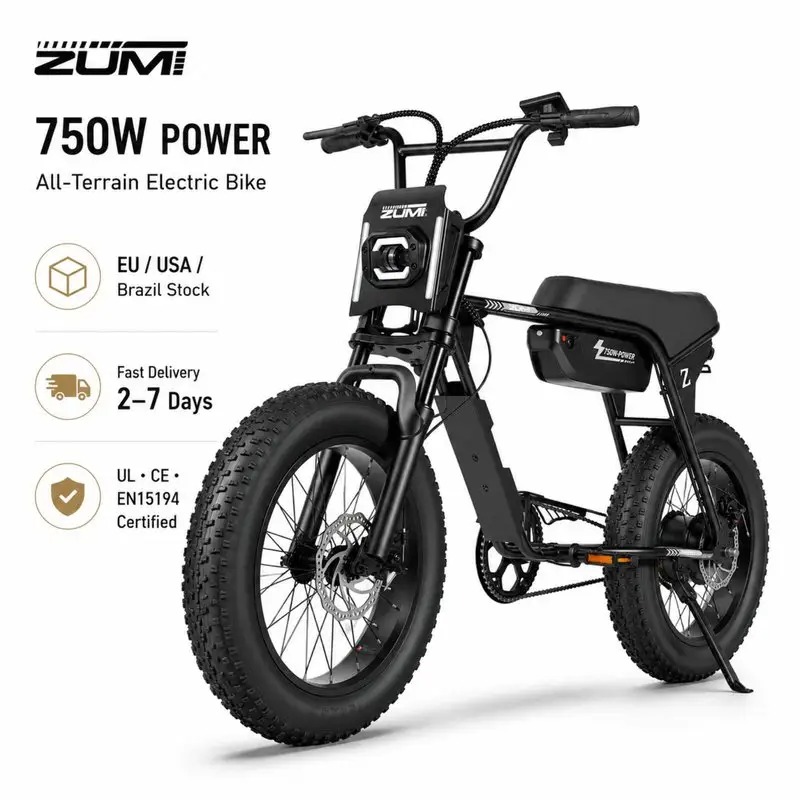
2026/08/03
Learn precise air pressure, rebound & compression tuning for optimal suspension performance. Get pro-level setup tips now.
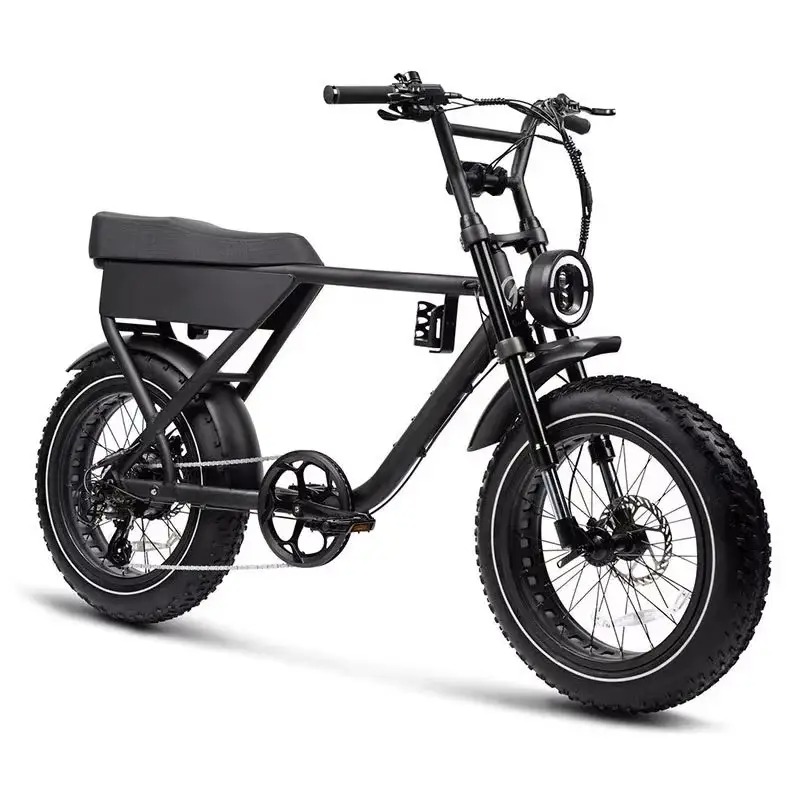
2026/08/03
Discover how voltage drop saps performance—and proven fixes to restore responsiveness, range, and battery life. Read now.
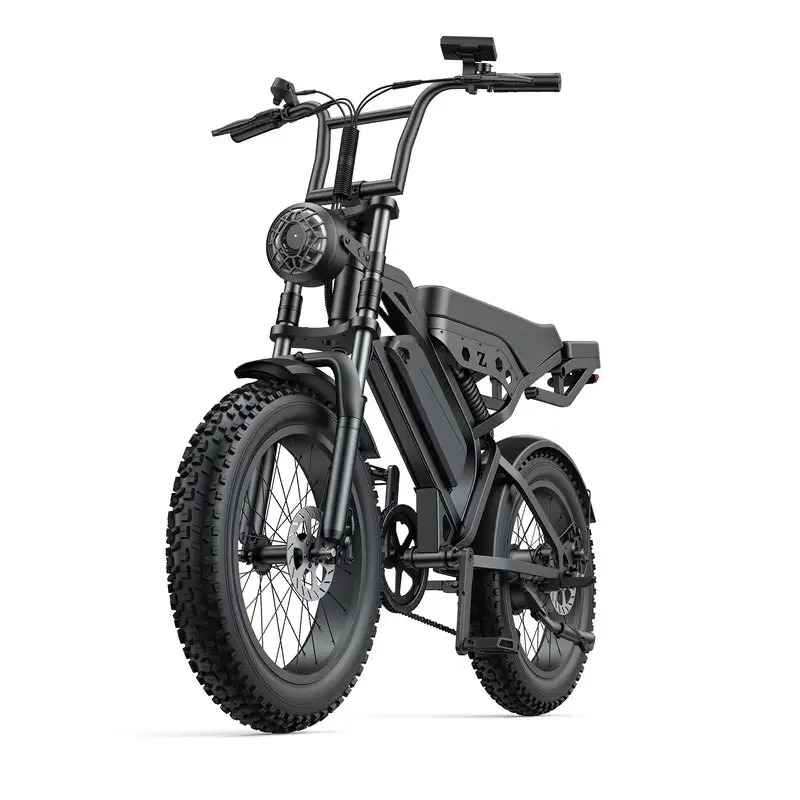
2026/08/03
Discover data-backed protocols, smart infrastructure & operational fixes. Optimize now.
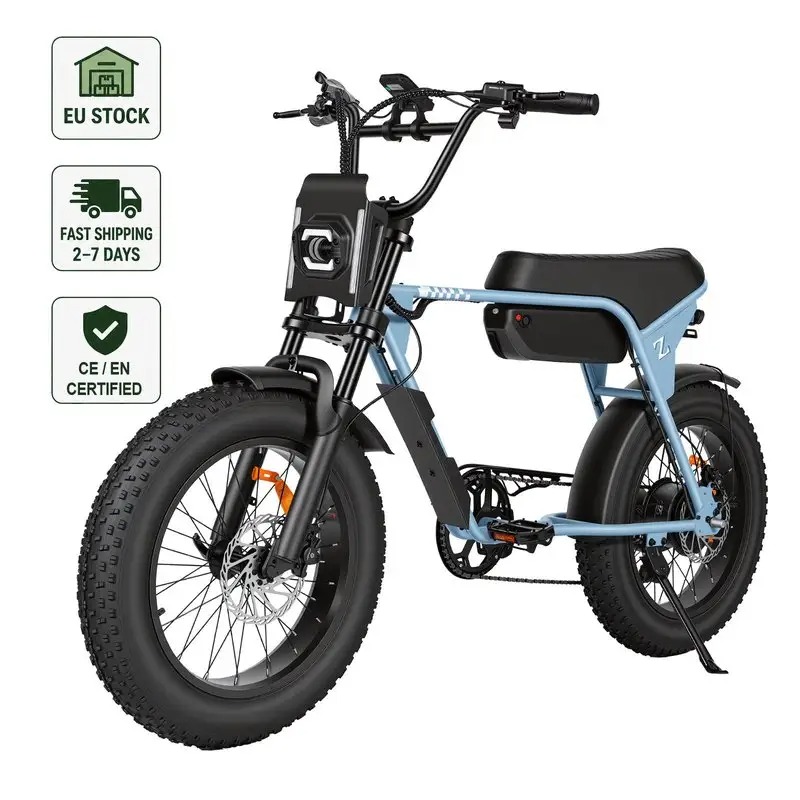
2026/08/03
How payload cuts 48V cargo ebike range by 15–50%+ — backed by real-world degradation curves, motor load science & fleet optimization strategies.
Comprehensive warranty, fast parts shipping, remote diagnostics and local dealer training


