 EN
EN
STEP 1
Full vehicle warranty for 2 years
2026/08/18
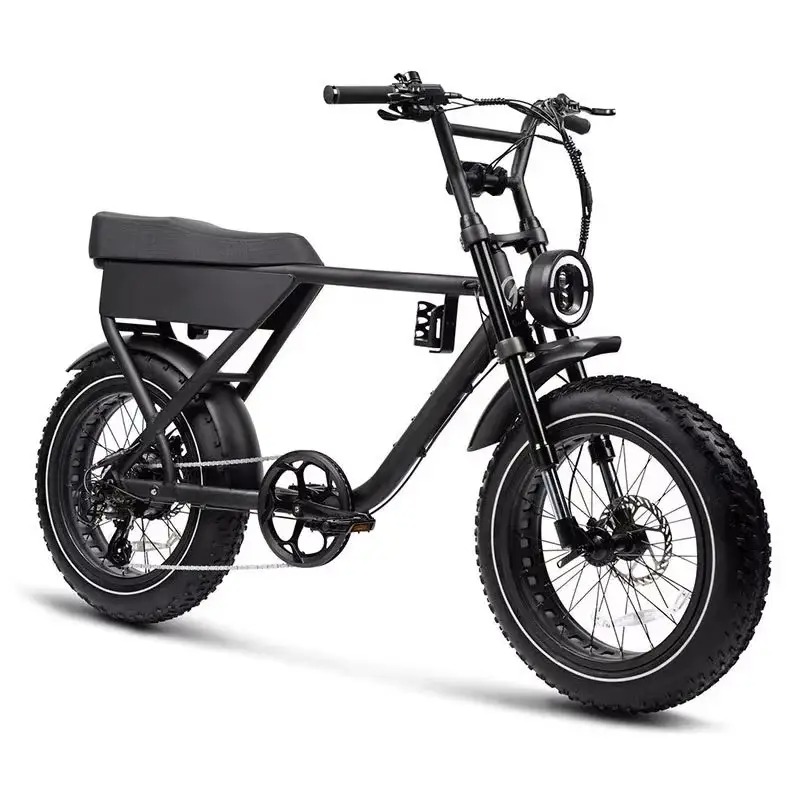
The rise of electric bikes has transformed urban commuting and recreational riding, with motor power becoming a key measure of performance. A 1000w electric bike represents a significant step up in capability, offering acceleration performance that rivals gas-powered alternatives while maintaining the efficiency and environmental benefits of electric propulsion. Understanding how these powerful motors accelerate and perform under real-world conditions is essential for buyers seeking serious riding performance.
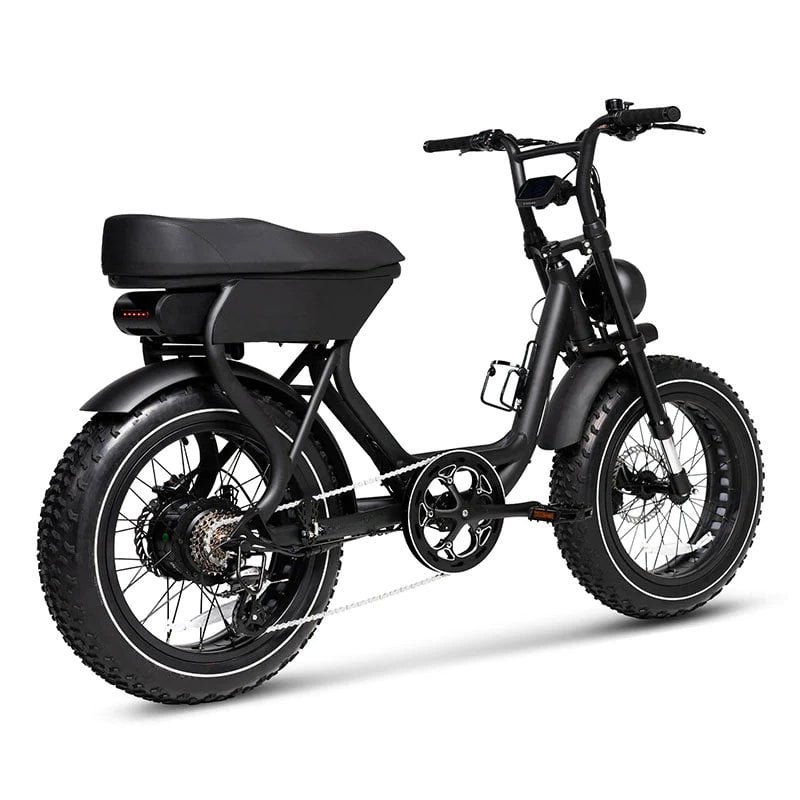
When evaluating 1000 watt ebikes, acceleration analysis reveals how motor output translates into rider experience. Motor power alone does not determine acceleration; battery voltage, controller settings, weight distribution, tire grip, and terrain all influence real-world performance. An ebike 1000w 48v system delivers consistent power across a wide rpm range, enabling smooth acceleration that feels responsive without jarring jerks. This article explores the technical and practical factors that define acceleration performance in high-power electric bikes.
Acceleration performance in 1000w fat tire ebike systems depends on how motor torque reaches the wheel. Most 1000 watt e bikes use hub motors or mid-drive systems that produce peak torque instantly or within milliseconds of throttle input. Hub motors, common in 1000w electric bike designs, deliver direct torque to the wheel without drivetrain delays, creating immediate acceleration response. The acceleration curve flattens slightly at higher speeds due to motor rpm limits and battery voltage constraints, but initial punch from standstill represents the most impressive performance characteristic.
A 1000 watt ebike typically produces between 50 and 100 Newton-meters of torque depending on motor type and design. This torque level, when efficiently transferred through the wheel, generates acceleration that can reach 20 to 30 miles per hour in just 3 to 5 seconds under ideal conditions. Heavier riders and carrying additional load reduce acceleration speed proportionally. Tire grip becomes critical at full throttle, which is why 1000w fat tire ebike models feature wider, knobby tires that maintain traction during aggressive acceleration.
An ebike 1000w 48v configuration provides the voltage sweet spot for consumer electric bikes, balancing power delivery with safety and efficiency. The 48-volt system in a 1000w electric bike ensures the motor receives stable current without excessive voltage sag during peak acceleration demands. Battery amp-hour rating also influences sustained acceleration capability; a 15Ah battery paired with a 1000 watt ebike system maintains higher power output longer than smaller capacity batteries, preventing acceleration fade during extended riding sessions.
Field testing of 1000w fat tire ebike models reveals that acceleration performance varies significantly based on rider technique, environmental conditions, and mechanical setup. A rider using full throttle from standstill experiences maximum acceleration, while gradual throttle inputs produce smoother, more controlled speed increases. Weather and terrain dramatically affect performance; wet surfaces reduce tire grip, slowing acceleration, while uphill terrain reduces available power for horizontal acceleration. Proper tire pressure, chain maintenance, and brake adjustment all contribute to consistent performance in 1000 watt e bikes.
Flat terrain allows a 1000w electric bike to demonstrate full acceleration potential, with riders reaching 25 to 28 mph within 4 to 6 seconds under favorable conditions. Hillside acceleration reveals motor reserve power; a 1000 watt ebike climbs moderate grades at 12 to 18 mph while accelerating, compared to conventional bikes that lose acceleration entirely uphill. Loaded riding, carrying cargo or heavier riders, reduces acceleration speed but does not prevent smooth power delivery. The motor in a 1000w fat tire ebike adjusts current draw based on resistance, maintaining consistent torque even under increased load.
Modern 1000w electric bike controllers feature programmable acceleration ramps that smooth the power delivery curve. Aggressive acceleration ramping creates snappy response, ideal for urban commuting and sport riding, while conservative ramps suit casual or cargo scenarios. A quality 1000 watt ebike controller also implements current limiting that prevents wheel slip during maximum acceleration, protecting drivetrain components. Thumb throttles and twist throttles respond differently; twist throttles in an ebike 1000w 48v system often feel more intuitive for gradual speed modulation.
Electric bikes in the 1000w range occupy a distinct performance tier, significantly outpacing standard 250 to 500-watt models while remaining more accessible than professional 2000-watt racing machines. A 500-watt ebike achieves 18 to 20 mph acceleration speed within 5 to 7 seconds, while a 1000w electric bike cuts that time substantially. The 1000 watt ebike advantage becomes more pronounced under load and on inclines, where mid-drive torque multiplication and hub motor directness shine. Comparing 1000w fat tire ebike models to lightweight road-bike classes reveals different acceleration signatures; fat tire designs prioritize traction over speed, resulting in strong initial pull but potentially lower top-end velocity.
Mid-drive 1000w electric bike motors use the bike's gears to multiply torque, creating the highest acceleration feel per watt of power. An ebike 1000w 48v mid-drive system in low gear can launch heavier riders with impressive punch, though acceleration decreases as gears climb. Hub-based 1000 watt e bikes offer consistent power across all speeds without gear shifting, providing linear acceleration curves that some riders prefer. Direct drive hub motors in a 1000w fat tire ebike design offer regenerative braking capability, recovering energy during deceleration.
Geared hub motors, common in consumer 1000w electric bike models, accelerate smoothly with low cogging feel and responsive throttle reaction. Direct drive motors in a 1000 watt ebike provide smoother but slightly softer initial response due to internal gear ratios, though they eventually deliver identical power. Friction from internal gearing slightly reduces peak efficiency in geared motors, though practical performance differences remain minimal for most riders in a 1000w fat tire ebike application.
A 1000w electric bike typically reaches 20 mph in 3 to 5 seconds under optimal conditions, depending on rider weight, terrain, and throttle aggressiveness. Lighter riders and downhill terrain reduce acceleration time, while heavier loads and uphill angles increase it. Real-world tests of 1000 watt ebikes consistently show this performance range, making these bikes substantially faster than human-powered bicycles and comparable to small motorcycles for initial acceleration.
An ebike 1000w 48v system maintains maximum power output up to the motor's rated rpm limit, typically around 5000 to 6000 rpm depending on motor design. Acceleration decreases as absolute speed approaches the motor's maximum velocity because available power goes toward overcoming aerodynamic drag. A 1000w fat tire ebike reaches approximately 28 to 32 mph top speed, at which point acceleration becomes minimal as motor power fully sustains speed against resistance.
Low battery charge, excessive rider weight, worn tires with poor grip, wet terrain, and uphill terrain all reduce 1000w electric bike acceleration. Battery voltage sag occurs when a 1000 watt ebike draws maximum current, briefly reducing available power; using slightly reduced throttle or improving battery cooling helps maintain acceleration. Tire pressure significantly affects a 1000w fat tire ebike's acceleration capability, with underinflated tires increasing rolling resistance and reducing responsiveness substantially.
2026/08/03
Fix time zones, language gaps, and unclear protocols—boost speed, cut costs, and scale confidently.
2026/08/03
Avoid liability & import bans: Learn IEC 62619, UN 38.3, and UL 2271—plus how to verify real compliance (not fakes).
2026/08/03
Learn precise air pressure, rebound & compression tuning for optimal suspension performance. Get pro-level setup tips now.
2026/08/03
Discover how voltage drop saps performance—and proven fixes to restore responsiveness, range, and battery life. Read now.
2026/08/03
Discover data-backed protocols, smart infrastructure & operational fixes. Optimize now.
2026/08/03
How payload cuts 48V cargo ebike range by 15–50%+ — backed by real-world degradation curves, motor load science & fleet optimization strategies.
Comprehensive warranty, fast parts shipping, remote diagnostics and local dealer training


