 EN
EN
STEP 1
Full vehicle warranty for 2 years
2026/08/17
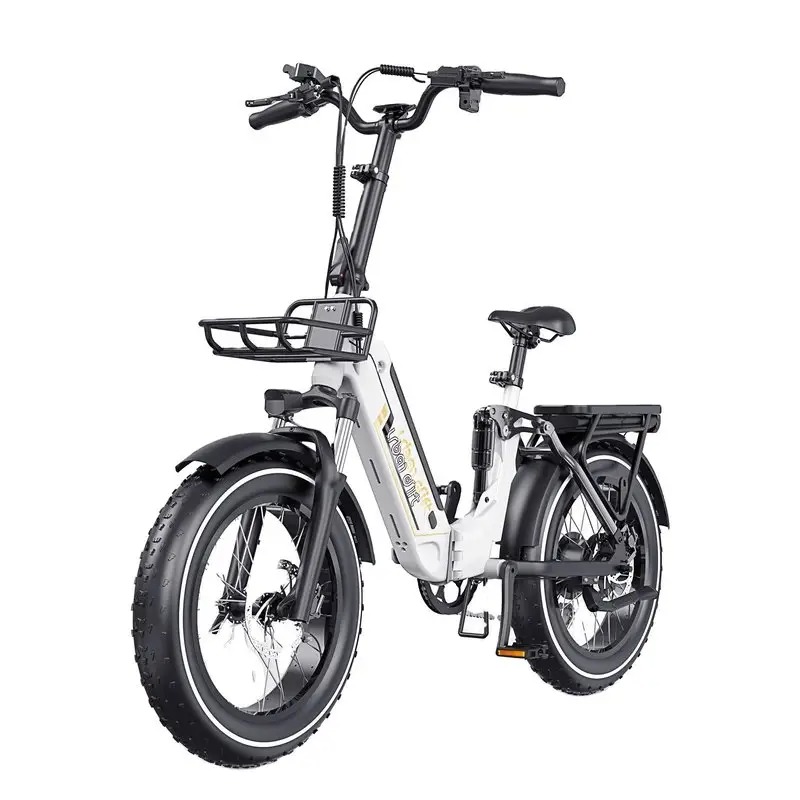
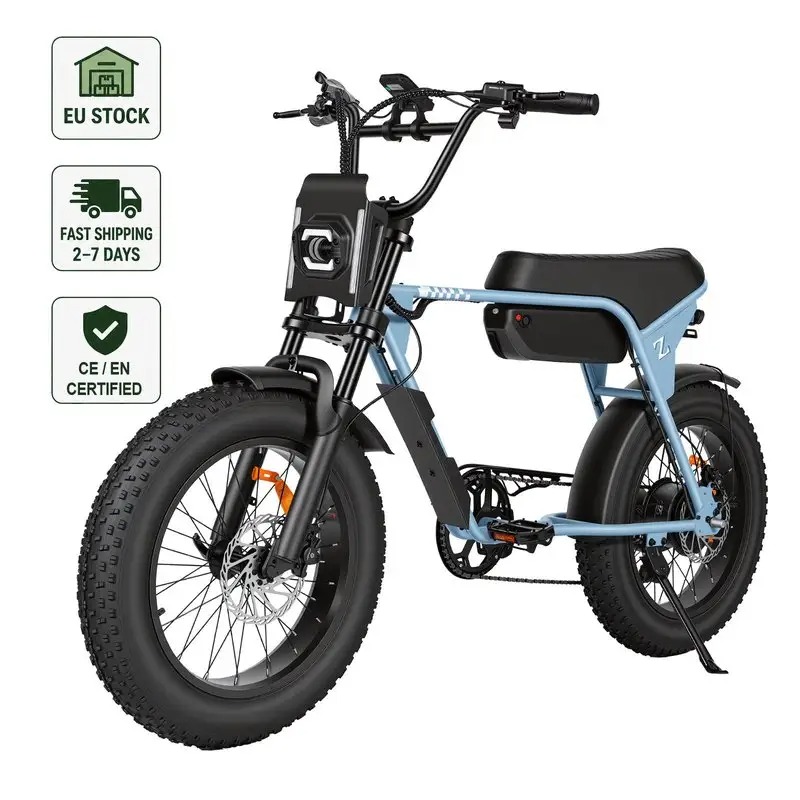
When deciding between an all terrain electric bike and a dedicated e-mountain bike, the choice often hinges on how you prioritize versatility against specialized performance. An all terrain electric bike delivers the flexibility to handle multiple riding conditions, from smooth trails to rough gravel and urban streets. A dedicated e-MTB, conversely, focuses engineering resources on aggressive downhill capability, technical climbing, and extreme terrain mastery. Understanding the practical differences between these two approaches will help you make an informed purchase decision that aligns with your actual riding patterns and long-term goals.
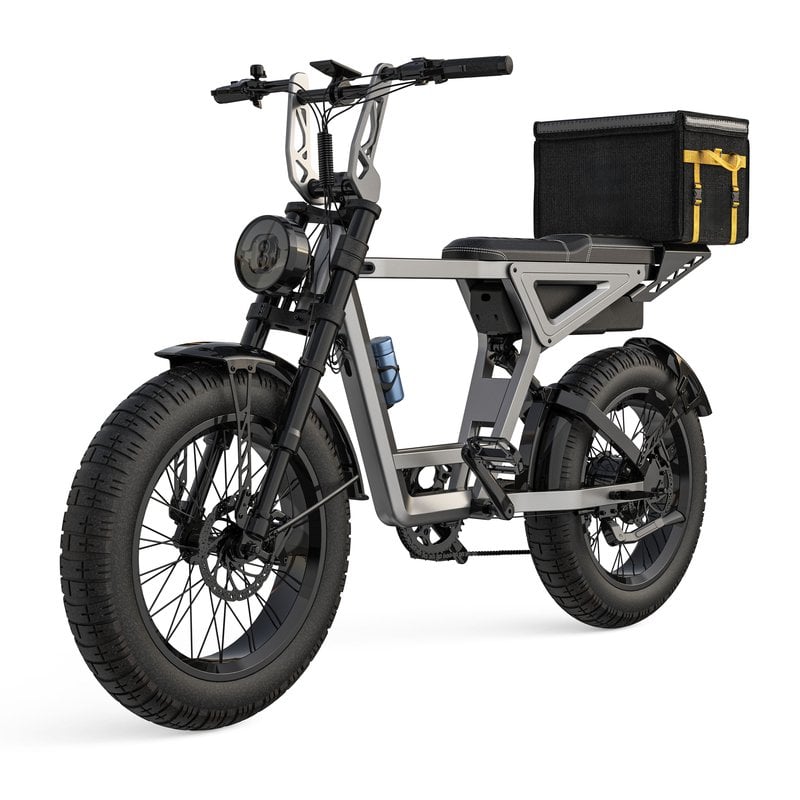
The all terrain fat tire electric bike category has grown significantly because riders increasingly demand machines that can transition seamlessly between different environments without requiring multiple bikes. An all terrain ebikes platform typically features moderate suspension travel, wider tires, and a balanced geometry that prioritizes stability across varied surfaces. This adaptability makes all terrain electric mountain bike models appealing to commuters, weekend adventurers, and rural property owners who need dependable performance across unpredictable terrain. The question is whether that versatility comes with practical compromises that matter for your specific use case.
All terrain ebikes prioritize moderate suspension travel, typically between 100 and 150 millimeters, paired with relaxed frame geometry that keeps the rider centered and balanced. This design choice means the all terrain fat tire electric bike absorbs moderate impacts while maintaining predictable handling during climbs and descents. The geometry encourages an upright or slightly forward riding position that reduces fatigue during longer sessions and improves visibility in mixed environments. Battery placement tends toward lower, more central positions to maintain the center of gravity, which directly improves stability when navigating variable terrain.
Component selection on all terrain electric mountain bike models reflects this balanced philosophy. Brakes tend toward hydraulic disc systems with moderate power, sufficient for recreational and commuting use without the extreme modulation required for steep alpine descents. Drivetrain gearing spreads across a wider range to handle both flat pedaling and steep climbs, recognizing that all terrain ebikes users encounter both. The all terrain ebikes frame often includes provisions for fenders, racks, and lights, acknowledging that versatility extends beyond just off-road capability into practical daily transportation.
Dedicated e-mountain bike models concentrate engineering on single-track performance, typically featuring 150 to 200 millimeters of suspension travel with more aggressive damping tuning. The frame geometry angles more steeply for technical climbing and descending, sacrificing some upright comfort for precision in demanding situations. An all terrain electric bike cannot match this level of specialization because the design must compromise for versatility. E-MTB suspension components employ advanced valving, larger diameter stanchions, and tuning protocols optimized for big drops, rock gardens, and sustained high-speed descents where an all terrain fat tire electric bike would feel less confident.
The all terrain electric mountain bike excels in situations where you encounter mixed terrain within a single ride or change your route frequently. A commuter using an all terrain ebikes on weekdays might encounter pavement, gravel shoulders, and short dirt sections without planning around specific surfaces. The all terrain fat tire electric bike handles this unpredictability gracefully because the design anticipates varied conditions. Riders switching between urban exploration, light trail work, and gravel touring find that an all terrain electric bike reduces the need to own multiple machines, which represents meaningful cost savings and practical convenience.
Property owners managing rural land often specify all terrain electric mountain bike models because a single machine handles checking fence lines, accessing equipment, moving supplies, and exploring new areas. The moderate suspension of all terrain ebikes absorbs jarring without feeling sluggish during long, steady work sessions. Tire width on the all terrain fat tire electric bike category typically ranges from 2.8 to 4.5 inches, providing excellent traction and flotation while remaining efficient on harder surfaces. This middle ground in tire sizing means you are not sacrificing speed on smooth sections to gain traction on loose terrain.
A dedicated e-mountain bike becomes the clear choice when your riding predominantly focuses on technical single-track, aggressive climbs, or steep descents where precision and confidence matter profoundly. The all terrain electric bike simply cannot deliver the responsiveness and control that advanced riders demand on challenging terrain. E-MTB geometry and suspension feel planted during technical maneuvers, while an all terrain ebikes might feel slightly loose or unpredictable in identical situations. The difference is not dramatic for casual recreational riding, but experienced riders immediately sense the gap during demanding technical passages.
Bike parks, professional-grade trail networks, and alpine backcountry riding represent environments where a dedicated e-mountain bike is purpose-built and all terrain electric mountain bike models represent unnecessary compromise. If your calendar predominantly shows weekend trail sessions at established mountain bike destinations, the specialized engineering of a dedicated e-MTB justifies its higher cost and narrower terrain focus. The all terrain fat tire electric bike is fundamentally designed for broader purposes, which means it makes tactical concessions that matter when terrain escalates to expert difficulty.
All terrain ebikes typically cost 15 to 25 percent less than comparable dedicated e-mountain bike models because the engineering targets a broader market. An all terrain electric bike with solid components and reasonable power output often falls in the 1,500 to 2,500 dollar range, while purpose-built e-MTBs start at 2,500 and climb substantially. The all terrain fat tire electric bike advantage extends to maintenance and replacement parts, as moderate-spec components see wider availability and lower costs. Suspension service on all terrain electric mountain bike models tends toward straightforward procedures compared to advanced damper overhauls required on specialized systems.
Battery replacement represents the most significant long-term cost for any electric bike. Both all terrain ebikes and dedicated e-MTBs typically feature proprietary battery packs that cost 400 to 800 dollars when replacement becomes necessary after five to seven years of use. The all terrain electric bike advantage here relates to actual utilization patterns; if you use an all terrain fat tire electric bike for mixed riding, you likely complete fewer extreme high-drain sessions than a dedicated e-MTB owner tackling steep climbs and technical terrain regularly. Calmer riding habits often extend battery life, reducing total cost of ownership over a decade.
All terrain electric mountain bike models retain approximately 50 to 60 percent of original purchase value after three years, reflecting robust demand from buyers seeking versatile machines. The all terrain ebikes market shows steadier secondary demand because a broader audience recognizes utility in the category. Dedicated e-MTBs can command stronger premium pricing if marketed to enthusiasts in ideal condition, but face softer secondary demand among less technical riders. The all terrain electric bike category benefits from being suitable for a wider buyer demographic, making it easier to resell or trade when upgrading or changing interests.
An all terrain ebikes can absolutely handle recreational and intermediate trail riding, but dedicated e-mountain bike models will feel more confident and precise on technical terrain. The all terrain fat tire electric bike provides sufficient suspension and control for most weekend warriors, but experienced riders seeking challenging single-track will notice compromises compared to purpose-built e-MTB geometry and components.
Yes, an all terrain electric bike is generally superior for commuting because the moderate suspension, upright geometry, and component selection prioritize comfort and practicality over extreme off-road performance. The all terrain ebikes design accommodates fenders, lights, and racks more naturally, while dedicated e-mountain bike models emphasize downhill capability over urban utility features.
All terrain fat tire electric bike models typically run 2.8 to 4.5 inch tires optimized for versatility across surfaces, while dedicated e-MTBs often use narrower, lighter tires for technical precision. The all terrain electric mountain bike tire width provides flotation and traction advantages on soft terrain while remaining reasonably efficient on harder surfaces, balancing competing demands where dedicated e-MTBs sacrifice this middle ground for specialized performance.
2026/08/03
Fix time zones, language gaps, and unclear protocols—boost speed, cut costs, and scale confidently.
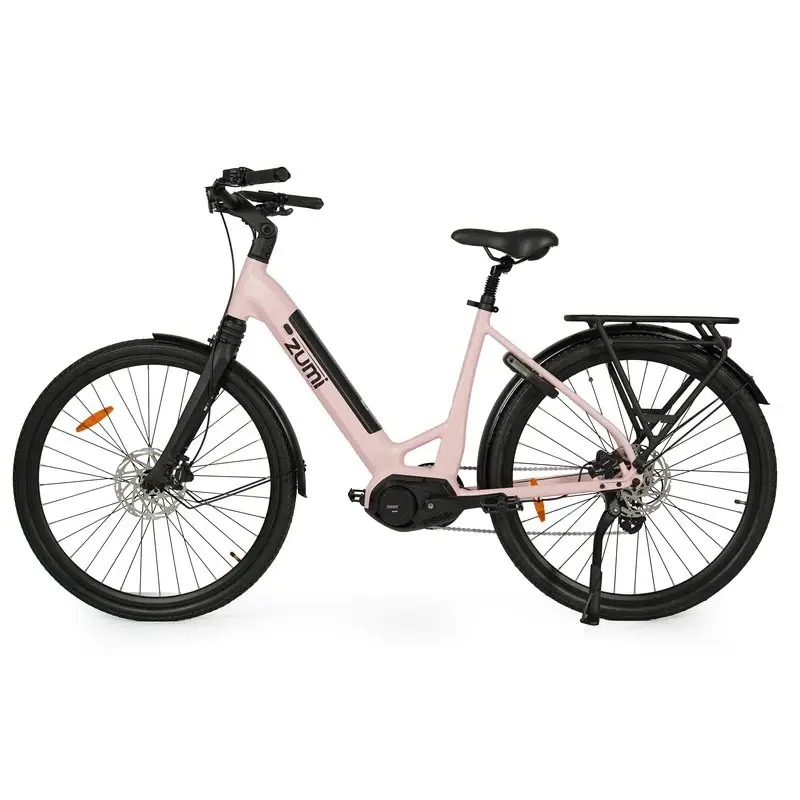
2026/08/03
Avoid liability & import bans: Learn IEC 62619, UN 38.3, and UL 2271—plus how to verify real compliance (not fakes).
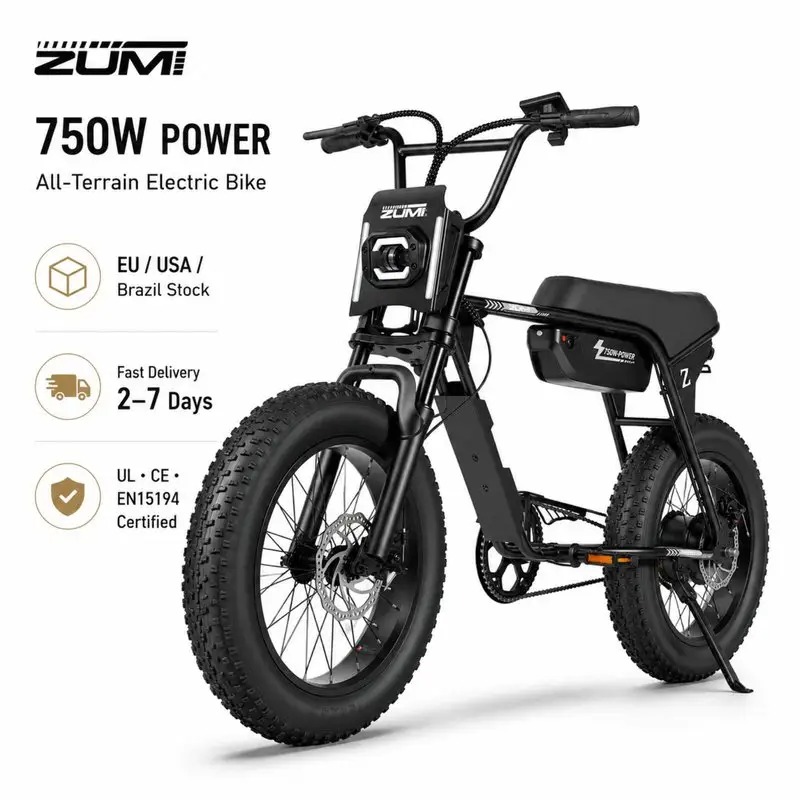
2026/08/03
Learn precise air pressure, rebound & compression tuning for optimal suspension performance. Get pro-level setup tips now.
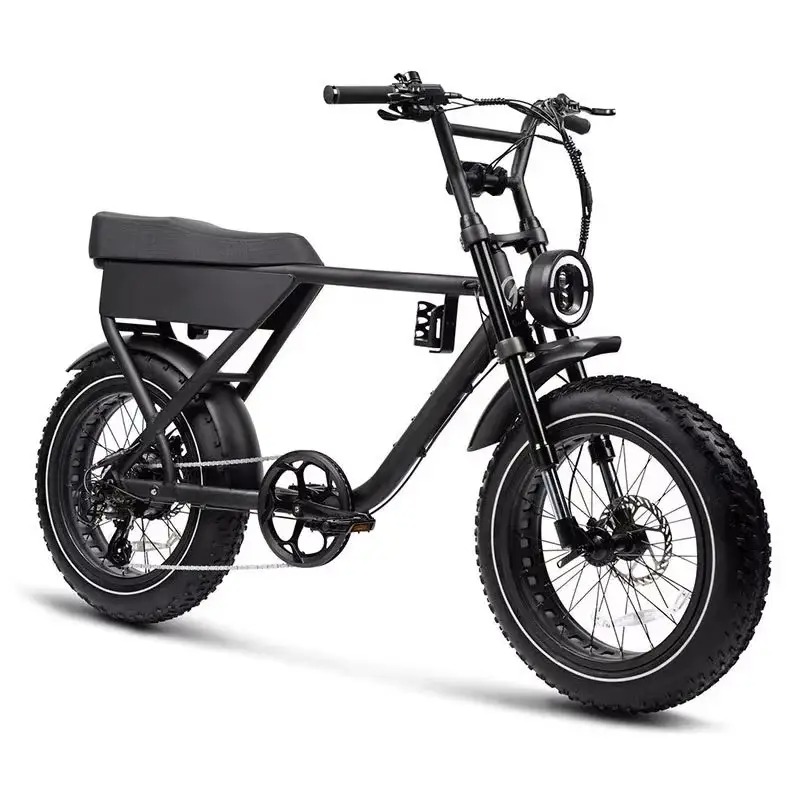
2026/08/03
Discover how voltage drop saps performance—and proven fixes to restore responsiveness, range, and battery life. Read now.
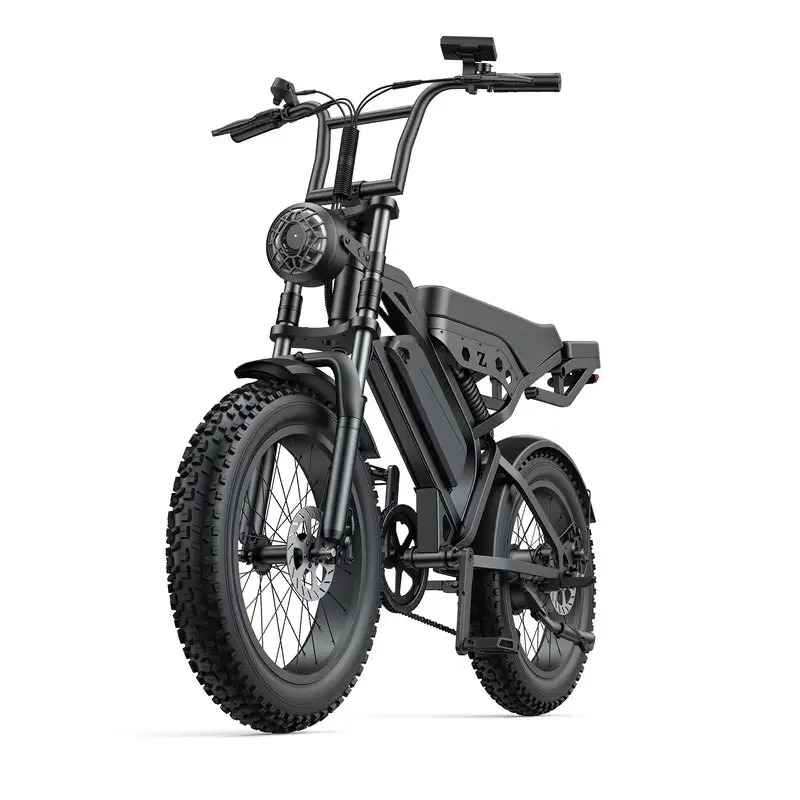
2026/08/03
Discover data-backed protocols, smart infrastructure & operational fixes. Optimize now.
2026/08/03
How payload cuts 48V cargo ebike range by 15–50%+ — backed by real-world degradation curves, motor load science & fleet optimization strategies.
Comprehensive warranty, fast parts shipping, remote diagnostics and local dealer training


