 EN
EN
STEP 1
Full vehicle warranty for 2 years
2026/08/26
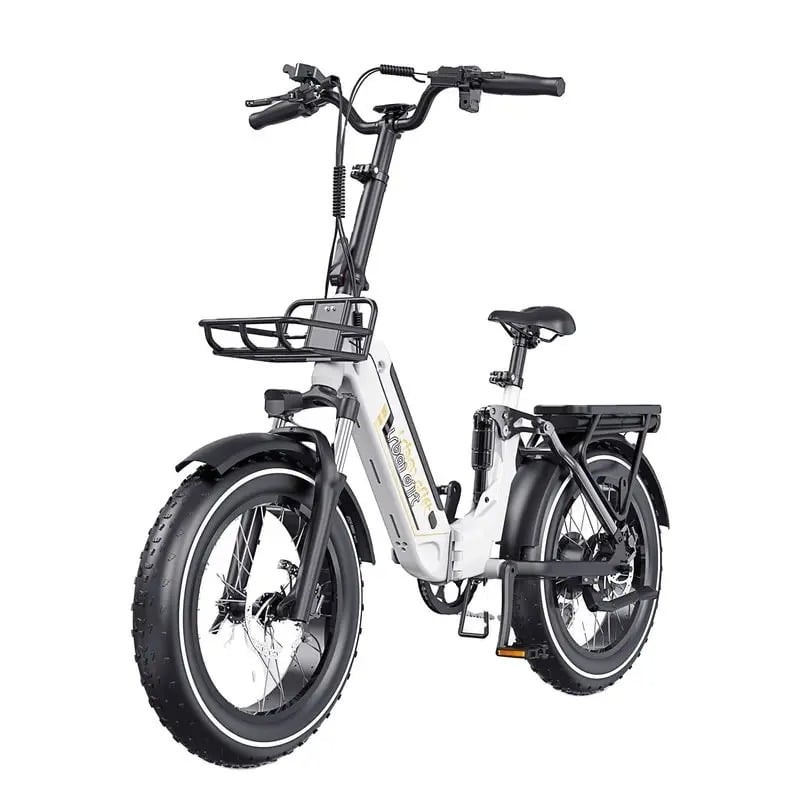
The structural integrity of every electric bike depends fundamentally on the quality of welding techniques employed during manufacturing. An electric bike manufacturer must master multiple welding processes to ensure frames withstand the mechanical stresses of electric propulsion, rider weight, and terrain impacts. Whether producing lightweight commuter models or rugged fat-tire variants, the welding methodology directly influences durability, safety, and product longevity in the competitive electric two-wheeler market.
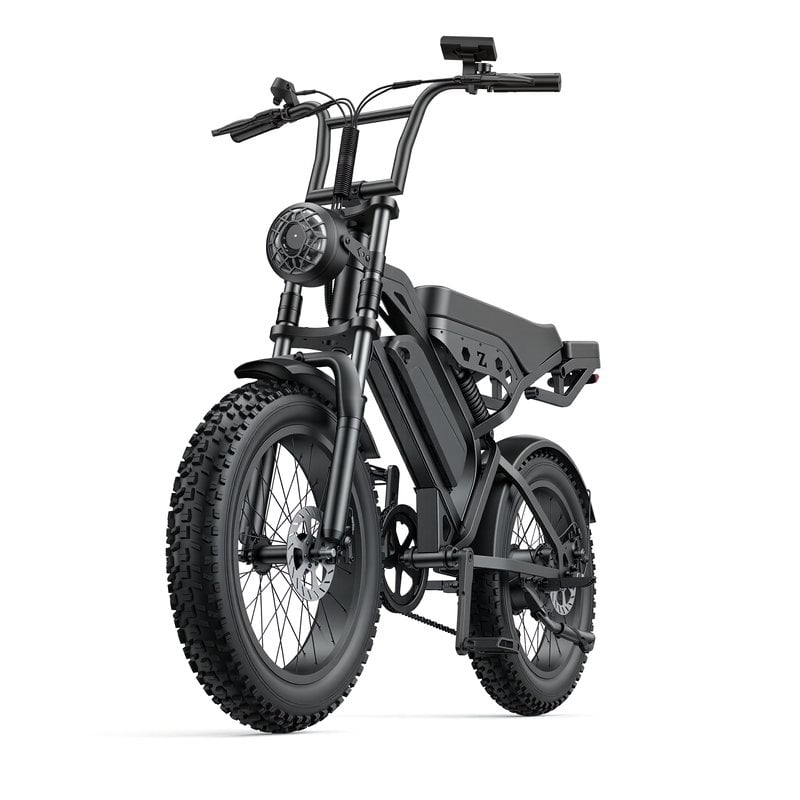
Advanced welding techniques distinguish leading electric bike makers from competitors. Chinese electric bike companies and other regional producers have developed specialized approaches to frame fabrication, combining traditional metal joining methods with modern quality control. A 250w electric bike manufacturer operating at volume must standardize welding protocols across production lines while maintaining flexibility for custom frame geometries and material specifications.
Tungsten Inert Gas (TIG) and Metal Inert Gas (MIG) welding represent the foundation of professional electric bikes factory operations. TIG welding delivers superior control and produces cleaner joints with minimal spatter, critical for aluminum and steel frame construction where visual appearance and structural reliability matter equally. MIG welding accelerates production throughput, enabling electric bike makers to scale manufacturing without sacrificing joint strength. Most modern electric bike manufacturers employ both techniques depending on frame material, tube diameter, and production volume requirements. The choice between TIG and MIG reflects production strategy, cost structure, and target market positioning.
Robotic spot welding enables consistent joint quality across battery mounting brackets, motor integration points, and reinforcement plates on high-volume electric bikes factory lines. Chinese electric bike companies increasingly automate spot welding to reduce labor costs while improving repeatability. A 250w electric bike manufacturer benefits from spot welding's speed and cost efficiency, particularly when joining dissimilar materials or creating non-structural fastening points. Automated systems monitor weld nugget formation and electrode force, ensuring each join meets material specifications without human variation.
Aluminum frames dominate the lightweight electric bike segment, yet aluminum presents distinct welding challenges that differentiate skilled manufacturers. Heat-affected zones weaken aluminum more readily than steel, requiring precise temperature control and specialized filler materials. Electric bike makers selecting aluminum must invest in advanced TIG equipment and operator training to achieve joints approaching parent material strength. Chinese electric bike companies targeting premium markets often emphasize aluminum welding expertise as a competitive differentiator. The 250w electric bike manufacturer working with aluminum learns that post-weld heat treatment and stress-relief protocols directly impact frame fatigue resistance during the bike's operational lifespan.
Steel tube frames offer superior strength-to-weight ratios when properly welded, making them preferred for electric bike manufacturers focusing on durability and repairability. High-tensile steel requires controlled cooling rates to avoid brittleness in the heat-affected zone. Electric bikes factory operations welding steel implement preheat procedures and post-weld tempering based on material grade and wall thickness. The mechanical properties of welded steel joints directly influence how well an electric bike absorbs shock from motor torque and rough terrain. Leading electric bike makers specify exact electrode types, shielding gas mixtures, and travel speeds to guarantee consistent joint mechanical properties batch after batch.
Professional electric bike manufacturers integrate rigorous weld inspection into production protocols. Ultrasonic testing, radiography, and dye penetrant inspection identify subsurface defects invisible to visual examination. Chinese electric bike companies operating certified production facilities conduct destructive tensile testing on sample welds from each production shift to verify joint strength meets or exceeds design specifications. A 250w electric bike manufacturer cannot risk field failures from hidden weld defects, making statistical process control and first-article inspection mandatory practices. Real-time monitoring systems track weld parameters including arc voltage, wire feed speed, and travel speed, creating an audit trail for every joint produced.
Electric bike makers maintain detailed welding procedures specifying material preparation, joint geometry, electrode selection, shielding gas composition, heat input parameters, and cooling protocols. These procedures ensure that different operators and production facilities produce identical joints regardless of geographic location. Electric bikes factory operations adhering to ISO 9001 and other quality management systems document weld procedure specifications (WPS) and welder qualifications through systematic training and testing. Chinese electric bike companies exporting globally recognize that standardized welding protocols serve both quality consistency and customer confidence, enabling technical support and warranty claims based on verified manufacturing standards.
Most electric bike manufacturers rely on TIG welding for precision aluminum frame work and MIG welding for high-volume steel frame production. Robotic spot welding handles battery mounting, motor integration, and non-critical joints on modern electric bikes factory lines. Chinese electric bike companies and other producers often employ a combination of manual TIG for custom geometries and automated processes for standardized joints, balancing quality control with production efficiency.
Aluminum frames demand specialized TIG techniques and precise heat management to prevent joint weakness, while steel allows more flexible welding approaches with excellent strength outcomes. A 250w electric bike manufacturer must select welding processes matching their frame material, production volume, and performance targets. Electric bikes factory operations optimize equipment investment and operator training around their primary material, as switching between aluminum and steel welding requires different procedures, skill sets, and quality verification methods.
Leading electric bike manufacturers combine non-destructive testing like ultrasonic inspection and radiography with destructive tensile testing on production samples. Chinese electric bike companies and other professional producers maintain detailed welding procedure specifications, conduct operator certification programs, and implement real-time parameter monitoring during production. These practices ensure every joint meets design strength requirements and can withstand the mechanical stresses unique to electric bike operation and ensure long-term frame durability.
2026/08/03
Fix time zones, language gaps, and unclear protocols—boost speed, cut costs, and scale confidently.
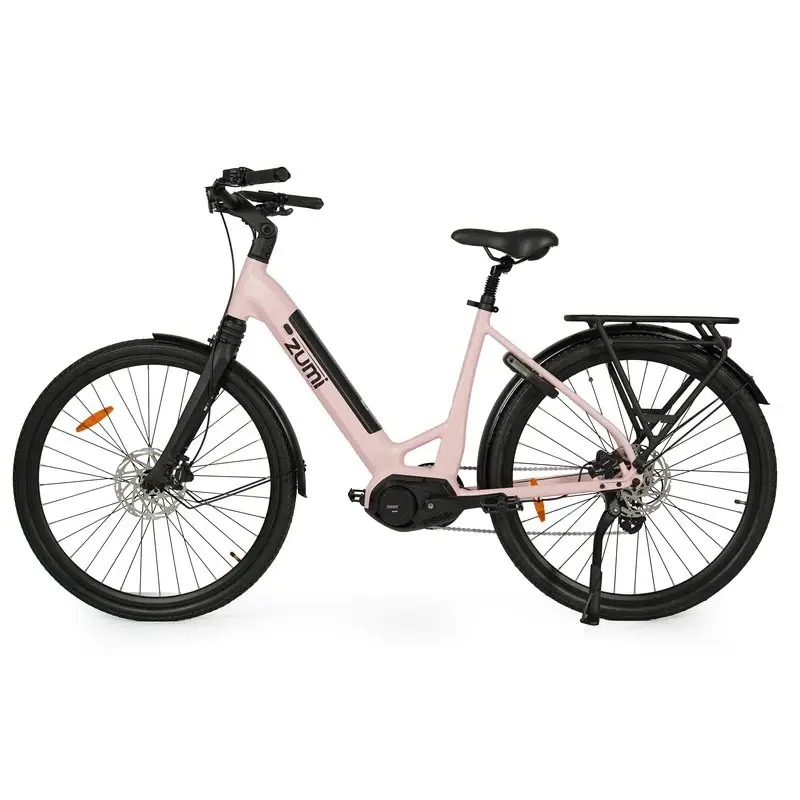
2026/08/03
Avoid liability & import bans: Learn IEC 62619, UN 38.3, and UL 2271—plus how to verify real compliance (not fakes).
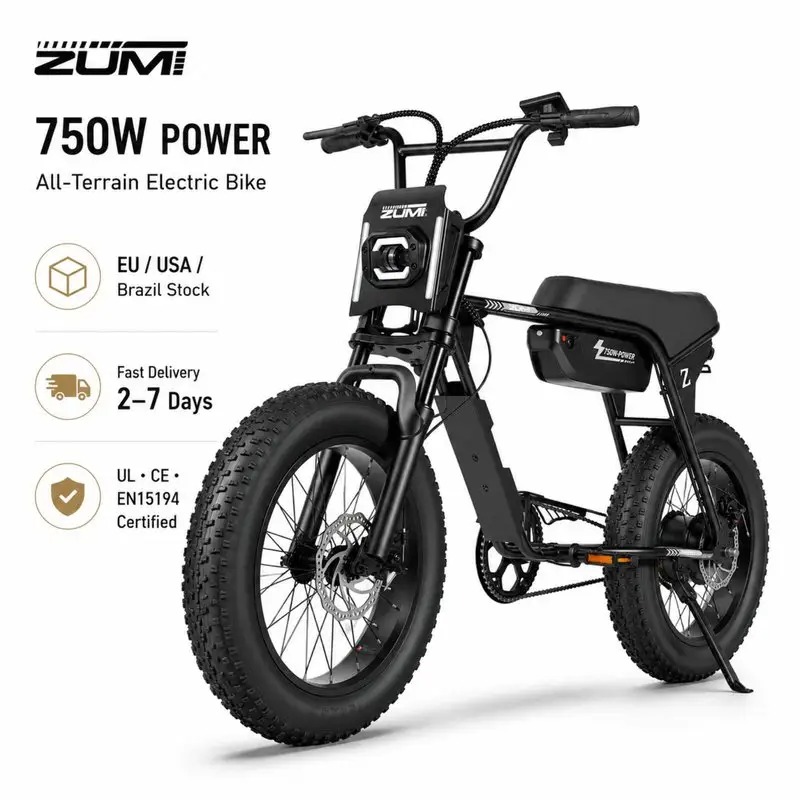
2026/08/03
Learn precise air pressure, rebound & compression tuning for optimal suspension performance. Get pro-level setup tips now.
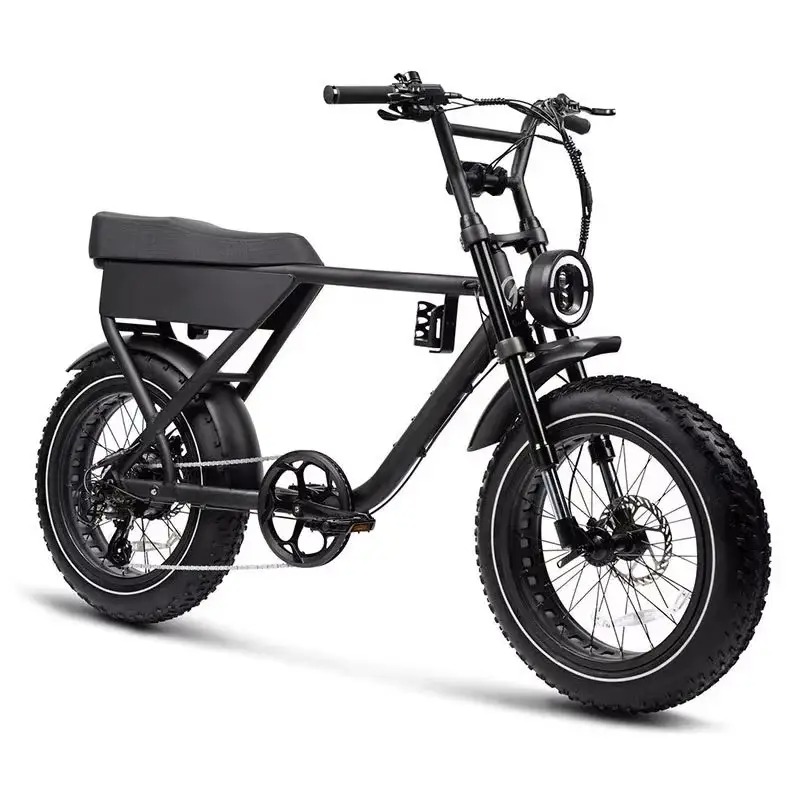
2026/08/03
Discover how voltage drop saps performance—and proven fixes to restore responsiveness, range, and battery life. Read now.
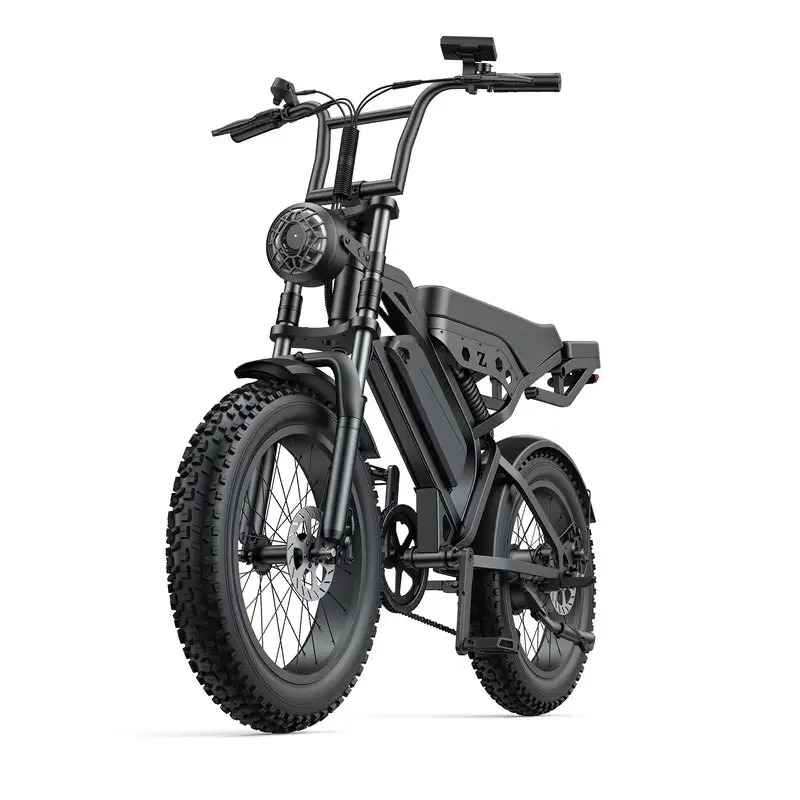
2026/08/03
Discover data-backed protocols, smart infrastructure & operational fixes. Optimize now.
2026/08/03
How payload cuts 48V cargo ebike range by 15–50%+ — backed by real-world degradation curves, motor load science & fleet optimization strategies.
Comprehensive warranty, fast parts shipping, remote diagnostics and local dealer training


