 EN
EN
STEP 1
Full vehicle warranty for 2 years
2026/08/28
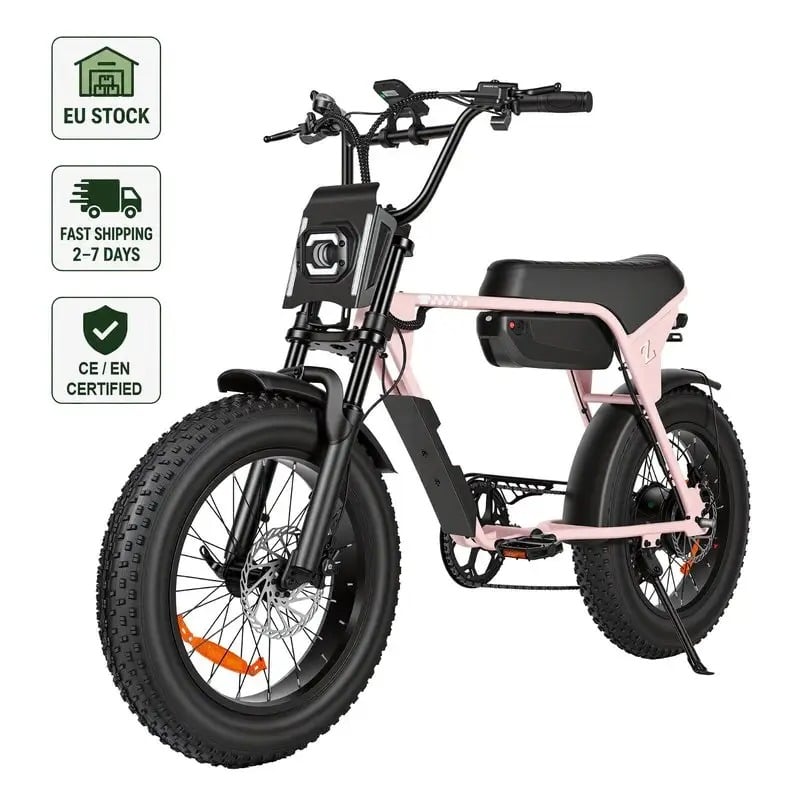
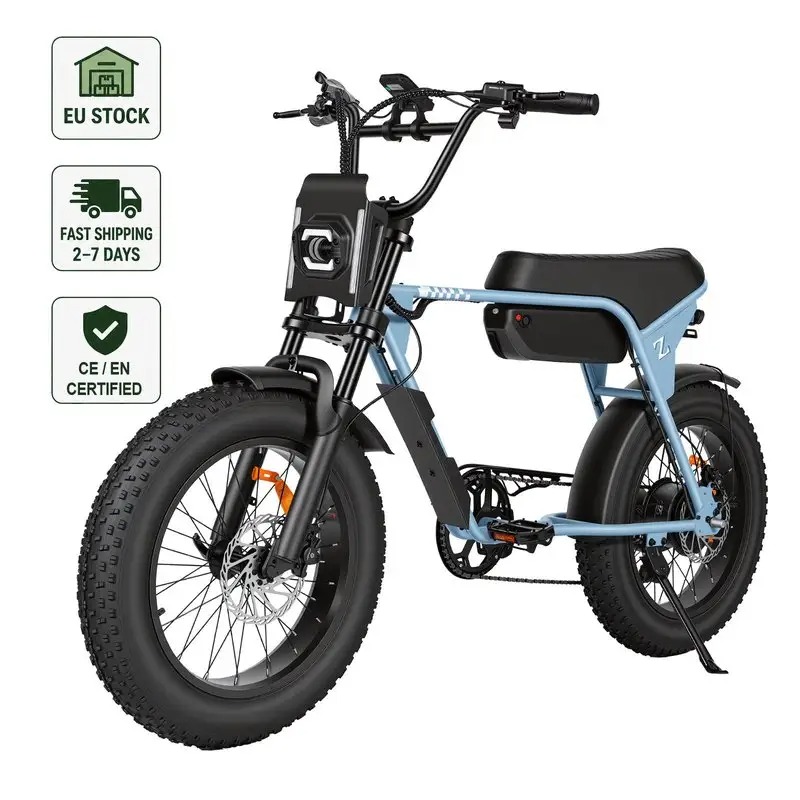
Assembly line testing represents one of the most critical operational stages in modern fat tire electric bike factory production environments. As manufacturers scale production to meet growing demand for fat tire ebikes, implementing rigorous testing protocols ensures that every unit meets performance, safety, and durability standards before reaching end customers. A fat tire electric bike factory must balance speed with precision, conducting comprehensive quality checks that verify electrical systems, mechanical components, and structural integrity throughout the assembly workflow.
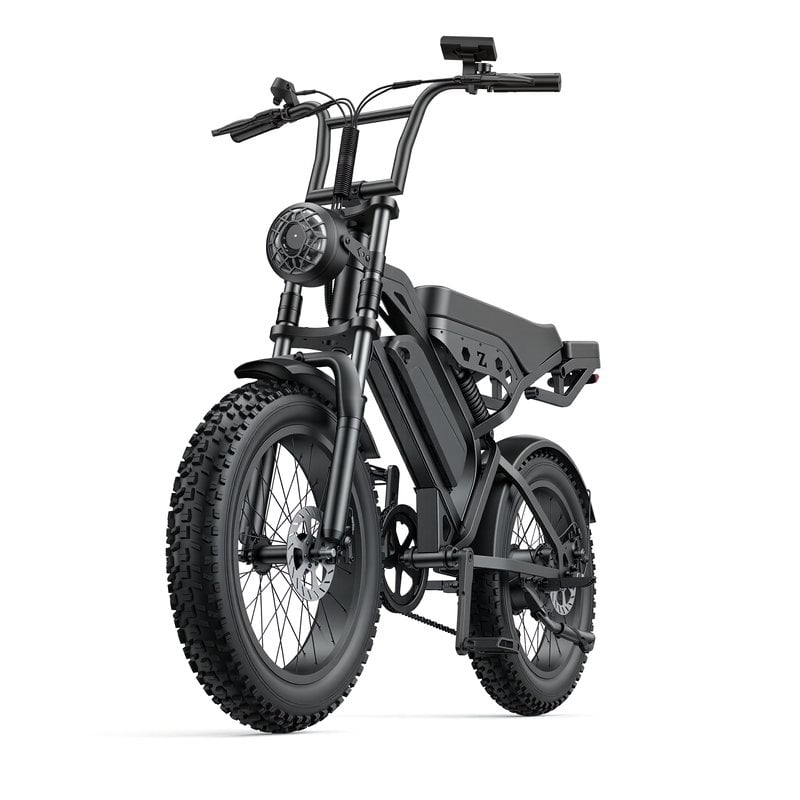
Testing at an ebike factory occurs in multiple stages, from initial component verification to final system validation. The fat tire ebike manufacturing process involves batteries, motors, controllers, and frame assembly, each requiring specific inspection criteria. Understanding these testing stages helps stakeholders evaluate factory quality standards and recognize how manufacturers differentiate themselves through rigorous quality assurance practices.
When parts arrive at an fat tire electric bike factory, incoming inspection teams verify battery cells, motor windings, and electronic components against supplier specifications. Fat tire ebike batteries receive voltage testing, capacity verification, and thermal imaging to detect manufacturing defects. An ebike factory testing protocol includes resistance measurements on motor coils and continuity checks on wiring harnesses. These early-stage inspections prevent defective components from entering main assembly lines, reducing rework costs and production delays.
Mid-production testing occurs at designated assembly checkpoints where partially assembled units undergo functional verification. Fat tire ebike factories incorporate wheel balance testing, brake alignment checks, and suspension functionality tests during frame assembly stages. Electrical components undergo voltage profiling and signal integrity testing as controllers integrate with batteries and motor systems. Testing at these intervals captures assembly errors immediately, allowing technicians to correct issues before proceeding to downstream stations.
The motor and battery represent the core performance elements of any fat tire ebike, making comprehensive electrical testing essential at an electric bike manufacturer. Dynamometer testing measures motor output torque, power delivery consistency, and thermal performance under simulated load conditions. Battery testing involves full-cycle charging protocols, discharge curves, and temperature monitoring during continuous operation. Fat tire ebike designs require extended testing due to heavier weight and higher stress on electrical systems. Manufacturers conduct range testing on flat terrain and inclined grades to validate advertised performance specifications and ensure real-world reliability.
The controller firmware orchestrates communication between motor, battery, and display systems, requiring rigorous testing at any ebike factory. Performance engineers run diagnostic software to verify throttle response, speed limiting algorithms, and safety cutoff mechanisms. Fat tire electric bike factory procedures include stress testing with rapid acceleration and deceleration cycles, ensuring controllers handle peak current demands without firmware errors. Integration testing validates that all electrical subsystems communicate correctly, preventing operational glitches that could compromise rider safety.
Frame testing remains fundamental to quality assurance at an electric bike manufacturer because battery and motor weight significantly increases structural stress. Fat tire ebike frames undergo welding inspection using ultrasonic and X-ray techniques to identify cracks or incomplete penetration. Tensile testing on frame samples verifies that materials meet design specifications before mass production. An ebike factory conducts fatigue testing by applying repetitive stress cycles simulating years of real-world riding. Hydraulic disc brake testing validates stopping performance under loaded conditions, particularly important for heavier fat tire electric bike designs.
Each fat tire ebike exits final assembly through comprehensive safety testing protocols that verify all protective systems function correctly. Brake performance testing includes wet weather conditions, continuous braking scenarios, and emergency stopping distances. Lighting systems undergo brightness verification and polarity testing to ensure visibility compliance. Fat tire electric bike factory procedures require verification of speed limiters, battery protection circuits, and thermal shutdowns that prevent overheating. Certification testing for regulatory compliance occurs before units receive approval for market distribution, ensuring fat tire ebikes meet international electrical and mechanical standards.
Battery testing at an electric bike manufacturer involves voltage profiling across all cells, capacity measurements through controlled discharge cycles, and thermal imaging to detect hotspots. Fat tire ebike batteries undergo internal resistance testing, cycle life assessment, and safety circuit verification. Manufacturers test batteries under simulated riding conditions at various temperatures to ensure consistent performance and safety across different climates.
Motor testing incorporates dynamometer load testing, thermal monitoring during extended operation, and insulation resistance verification on motor windings. Fat tire ebike motors undergo vibration analysis to detect bearing issues and alignment problems. An ebike factory conducts efficiency mapping across the motor's operating range to verify performance claims and identify potential failure modes before units reach customers.
Fat tire electric bike factory final inspections verify mechanical assembly accuracy, electrical system functionality, and safety feature operability. Units undergo range testing under loaded conditions, braking performance validation, and firmware verification. Manufacturers inspect frame welds, bearing preload, and cable routing before packaging. Compliance testing ensures fat tire ebikes meet regulatory requirements for electrical safety, mechanical durability, and environmental standards in target markets.
2026/08/03
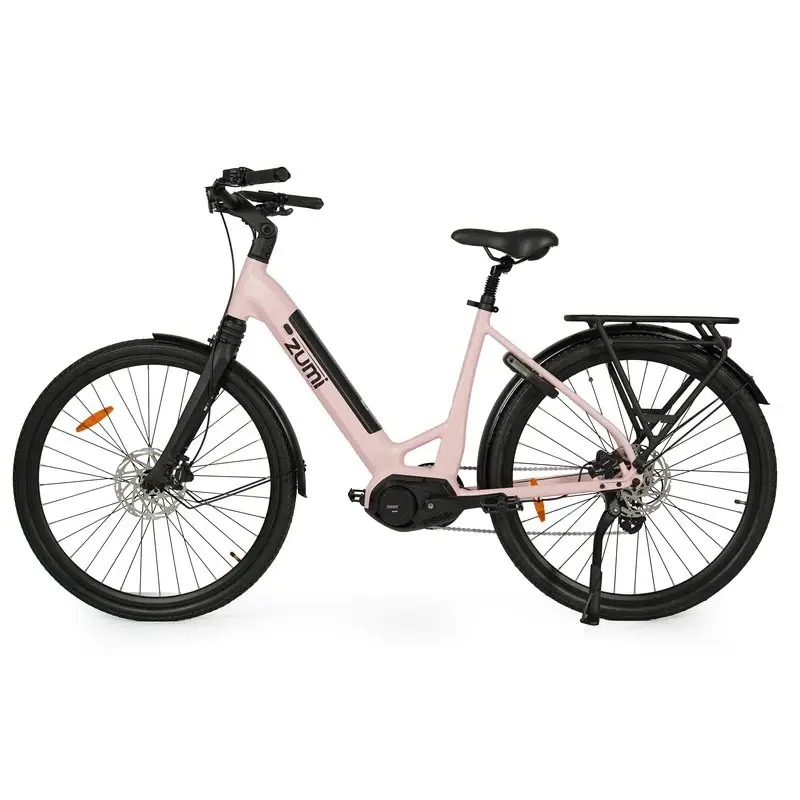
Fix time zones, language gaps, and unclear protocols—boost speed, cut costs, and scale confidently.
2026/08/03
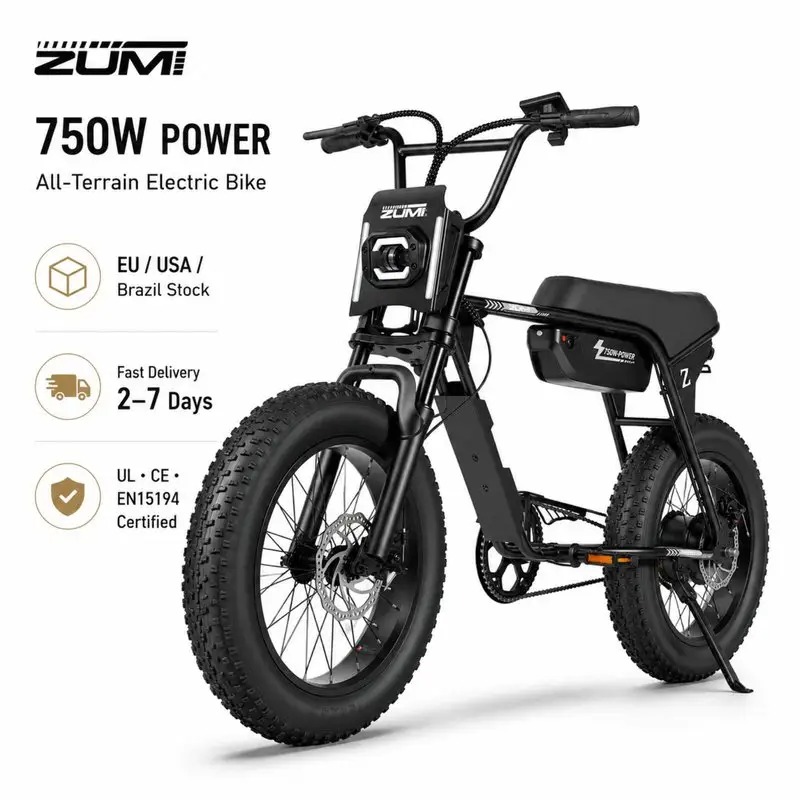
Avoid liability & import bans: Learn IEC 62619, UN 38.3, and UL 2271—plus how to verify real compliance (not fakes).
2026/08/03
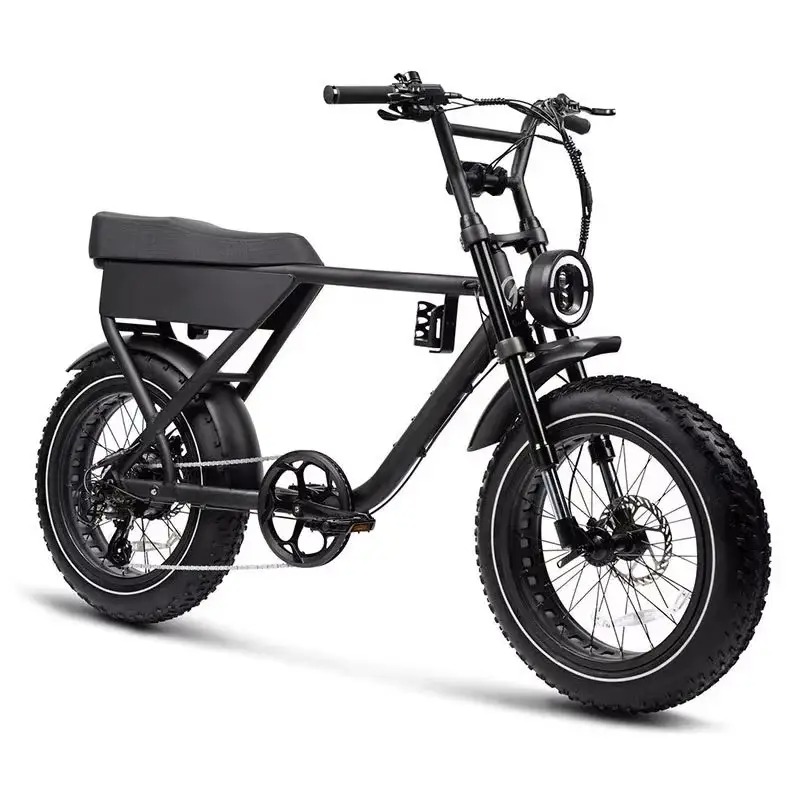
Learn precise air pressure, rebound & compression tuning for optimal suspension performance. Get pro-level setup tips now.
2026/08/03
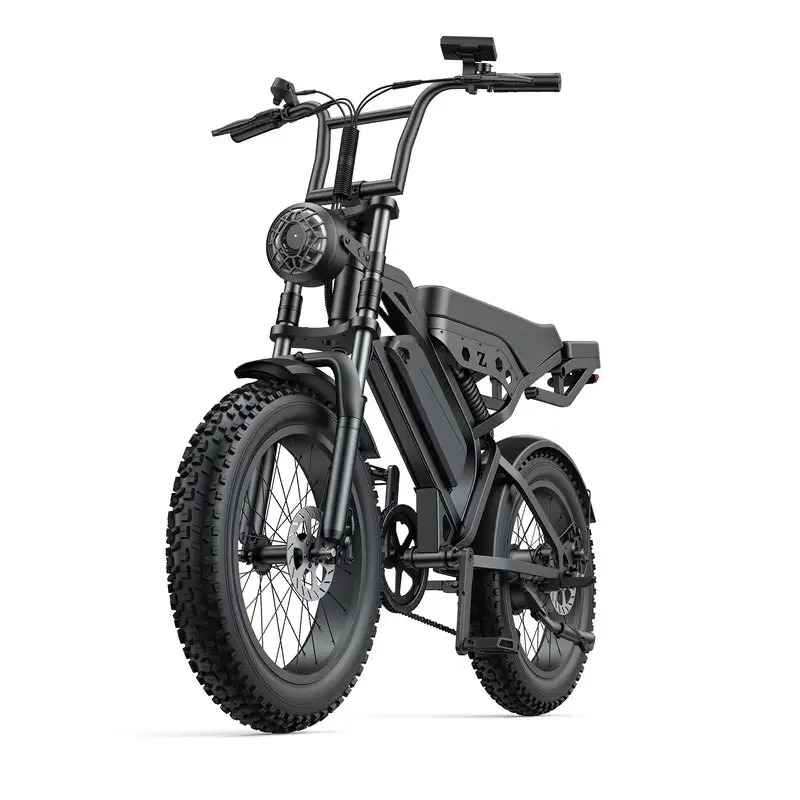
Discover how voltage drop saps performance—and proven fixes to restore responsiveness, range, and battery life. Read now.
2026/08/03
Discover data-backed protocols, smart infrastructure & operational fixes. Optimize now.
2026/08/03
How payload cuts 48V cargo ebike range by 15–50%+ — backed by real-world degradation curves, motor load science & fleet optimization strategies.
Comprehensive warranty, fast parts shipping, remote diagnostics and local dealer training


