 EN
EN
STEP 1
Full vehicle warranty for 2 years
2026/09/01
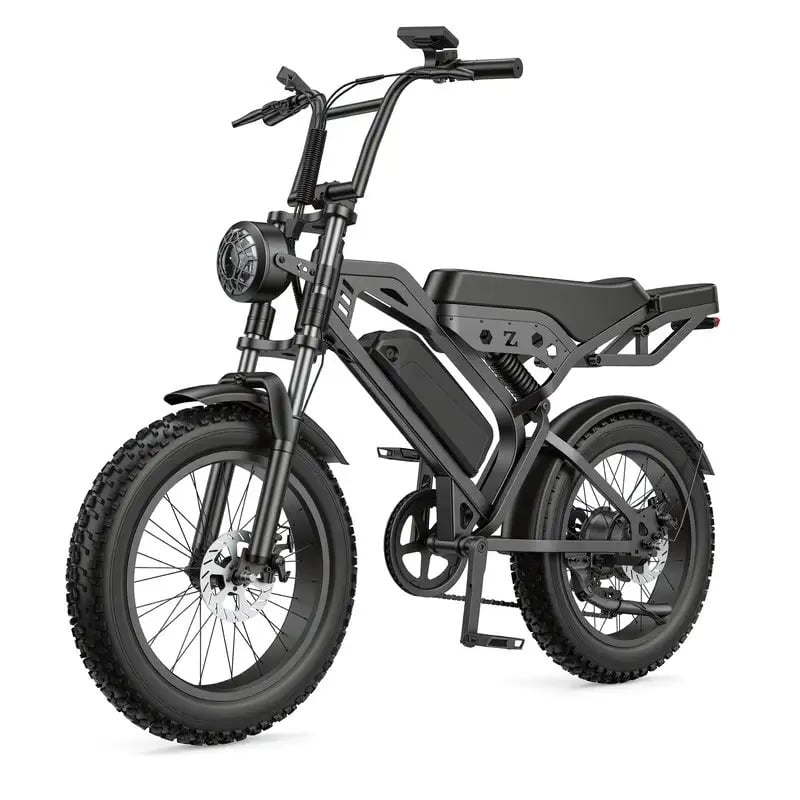
Downhill riding demands precision, confidence, and a deep understanding of how your electric mountain bike responds to terrain, gravity, and dynamic forces. Whether you ride an adult electric mountain bike for sport or leisure, understanding the stability factors that influence downhill performance is critical to both safety and enjoyment. Downhill stability on an e mtb cycle depends on multiple interconnected mechanical and geometric factors that work together to keep your bike controlled, predictable, and responsive.
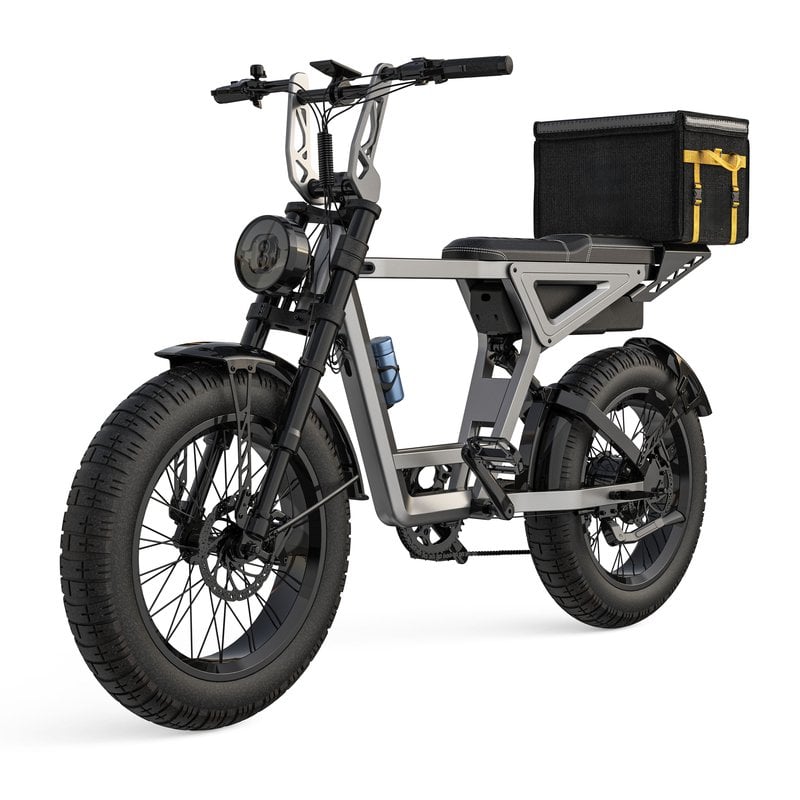
The electric enduro mountain bike category has evolved significantly, introducing heavier powertrains that fundamentally change how stability mechanics operate. Understanding these factors helps riders make informed choices about bike setup, component selection, and riding technique. This comprehensive analysis explores suspension geometry, frame design, weight distribution, and braking systems—all critical elements that determine how your e mtb cycle behaves when descending steep terrain.
Suspension geometry forms the foundation of downhill stability on any electric mountain bike. The spring rate—how stiffly the suspension resists compression—directly affects how your adult electric mountain bike absorbs impacts and maintains contact with the trail. A properly tuned spring rate prevents excessive bobbing during acceleration while ensuring the suspension doesn't bottom out on large hits. The damping characteristics control how quickly the suspension responds to terrain variations.
Modern electric enduro mountain bike designs incorporate progressive suspension curves that become stiffer at the end of travel, protecting riders from harsh bottom-out impacts while maintaining mid-stroke sensitivity. Heavier e mtb cycle riders benefit from adjusted compression damping that prevents the bike from diving excessively under braking. Fine-tuning these parameters transforms an electric mountain bike from merely functional to genuinely stable and confidence-inspiring on technical descents.
Travel length—measured in millimeters of suspension movement—directly correlates with downhill stability on an electric enduro mountain bike. Longer travel generally provides greater impact absorption, though the relationship isn't linear. The leverage ratio, which describes how suspension movement translates through the linkage, determines whether an adult electric mountain bike feels active or sluggish when navigating rocky sections. A well-designed e mtb cycle balances generous travel with a leverage curve that maintains consistent support throughout the compression range.
Head tube angle—the angle between the front fork and horizontal plane—profoundly influences how an electric mountain bike steers and tracks during descents. Slacker head tube angles (typically 63–65 degrees on modern enduro bikes) position the rider further back, improving stability at speed while reducing front-end squirriness. Conversely, steeper angles quicken steering response but reduce confidence on high-speed terrain. Modern electric enduro mountain bike designs have trended toward slacker angles that complement the heavier mass of battery and motor systems.
The relationship between head tube angle and fork offset creates a critical geometric parameter called trail—the horizontal distance between where the steering axis intersects the ground and where the tire actually contacts. An electric mountain bike with optimal trail feels planted and predictable without requiring constant micro-corrections. Adult electric mountain bike riders often prefer slacker geometry that reduces the need for active steering input during sustained descents.
Wheelbase—the distance between front and rear axles—acts as a fundamental stability determinant for any e mtb cycle. Longer wheelbases enhance high-speed stability and reduce the influence of small obstacles, though they sacrifice agility in tight terrain. Electric enduro mountain bike designs typically employ extended wheelbases to manage the weight penalty of battery and motor components. A properly proportioned wheelbase on an adult electric mountain bike creates a platform where the rider feels centered and in control rather than perched precariously.
Weight distribution between the front and rear wheels fundamentally affects how an electric mountain bike tracks during descents. The heavier battery pack on modern e mtb cycles shifts the center of gravity rearward, which can improve rear-wheel traction but may reduce front-end grip if not properly compensated through geometry adjustments. Riders should understand that their body position relative to the bike's weight distribution significantly influences downhill stability on any electric enduro mountain bike.
Hydraulic disc brakes dominate the electric mountain bike market due to superior modulation and power delivery compared to mechanical alternatives. The brake's ability to meter power smoothly—providing progressive stopping force without abrupt lock-up—remains paramount for downhill stability on any adult electric mountain bike. Larger rotor sizes (typically 203mm front, 180mm rear) on modern e mtb cycles provide additional heat dissipation capacity, critical when managing the increased weight during extended descents. An electric enduro mountain bike equipped with powerful, modifiable brakes empowers riders to control speed precisely while maintaining traction.
Extended downhill runs on an electric mountain bike generate substantial braking heat, particularly given the added mass of battery and motor. Brake fade—the loss of stopping power due to overheating—poses a genuine safety concern for riders pushing an adult electric mountain bike or e mtb cycle hard. Quality hydraulic systems with larger brake rotors, finned rotors for improved cooling, and heat-resistant pads ensure consistent modulation throughout demanding descents. Modern electric enduro mountain bike braking systems employ advanced materials and design principles that prioritize thermal management alongside stopping power, directly contributing to downhill stability and rider confidence.
The battery and motor on an adult electric mountain bike add 5–10 kilograms, shifting the center of gravity rearward and lowering the overall mass center. While this increased mass initially seems problematic, modern electric enduro mountain bike geometry specifically accounts for this weight distribution. The heavier mass actually improves rear-wheel traction and reduces front-end instability at speed. However, riders must appreciate that an e mtb cycle requires more braking power to dissipate kinetic energy, making effective brake systems absolutely essential for maintaining downhill stability.
Start with suspension settings based on your body weight plus the bike's mass (approximately 25–28kg total for an adult electric mountain bike), then adjust damping based on terrain and riding style. An electric mountain bike with properly tuned compression damping prevents excessive dive under braking while maintaining mid-stroke support. Each e mtb cycle model provides manufacturer-recommended settings that serve as baseline starting points. Most riders benefit from slightly stiffer setup than equivalent non-electric bikes due to the additional mass, improving control without sacrificing bump absorption on an electric enduro mountain bike.
Head tube angle directly determines steering speed and stability characteristics of an electric mountain bike. Slacker angles (typical of modern electric enduro mountain bikes) provide greater high-speed stability and reduce correction input required during descents. The extended mechanical advantage of slacker geometry on an adult electric mountain bike accommodates the rearward weight distribution of battery systems. Riders often report that electric mountain bikes with 63–65 degree head tube angles feel more composed and predictable during extended downhill runs compared to steeper-angled e mtb cycles, directly translating to improved confidence and stability.
2026/08/03
Fix time zones, language gaps, and unclear protocols—boost speed, cut costs, and scale confidently.
2026/08/03
Avoid liability & import bans: Learn IEC 62619, UN 38.3, and UL 2271—plus how to verify real compliance (not fakes).
2026/08/03
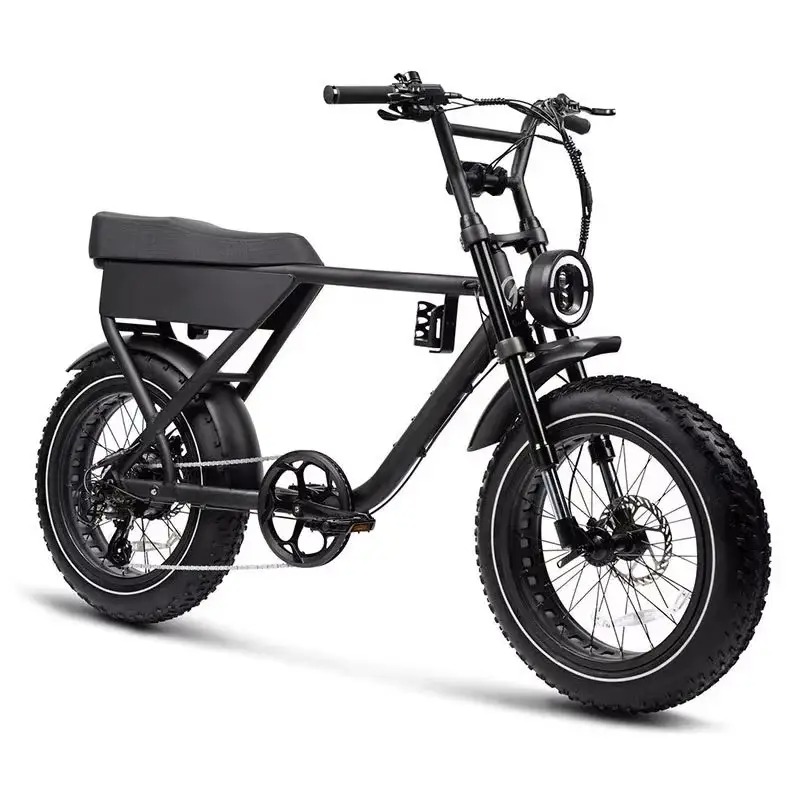
Learn precise air pressure, rebound & compression tuning for optimal suspension performance. Get pro-level setup tips now.
2026/08/03
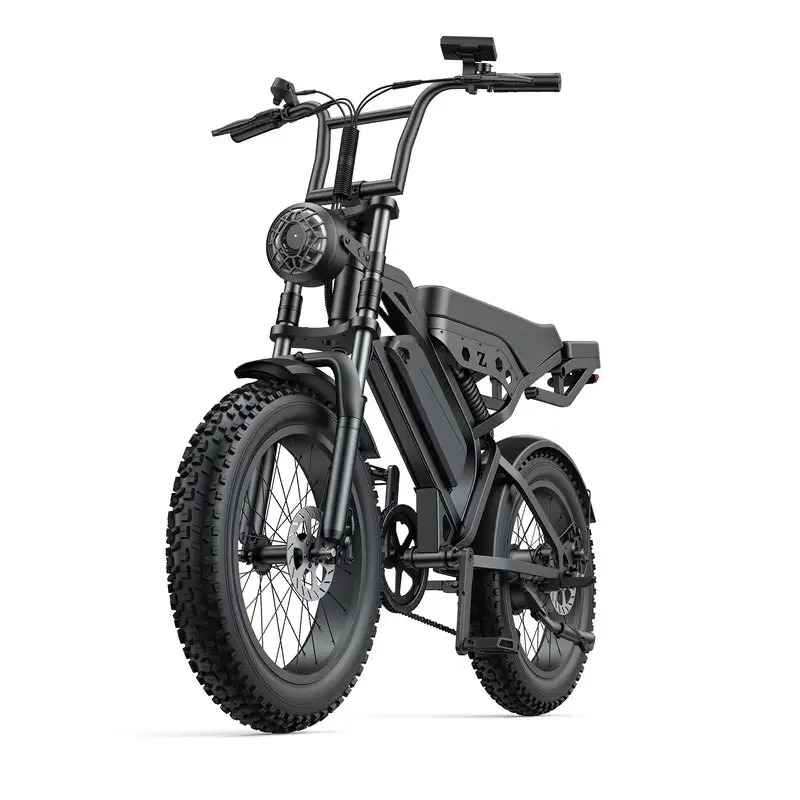
Discover how voltage drop saps performance—and proven fixes to restore responsiveness, range, and battery life. Read now.
2026/08/03
Discover data-backed protocols, smart infrastructure & operational fixes. Optimize now.
2026/08/03
How payload cuts 48V cargo ebike range by 15–50%+ — backed by real-world degradation curves, motor load science & fleet optimization strategies.
Comprehensive warranty, fast parts shipping, remote diagnostics and local dealer training


