 EN
EN

STEP 1
Full vehicle warranty for 2 years
2026/08/13
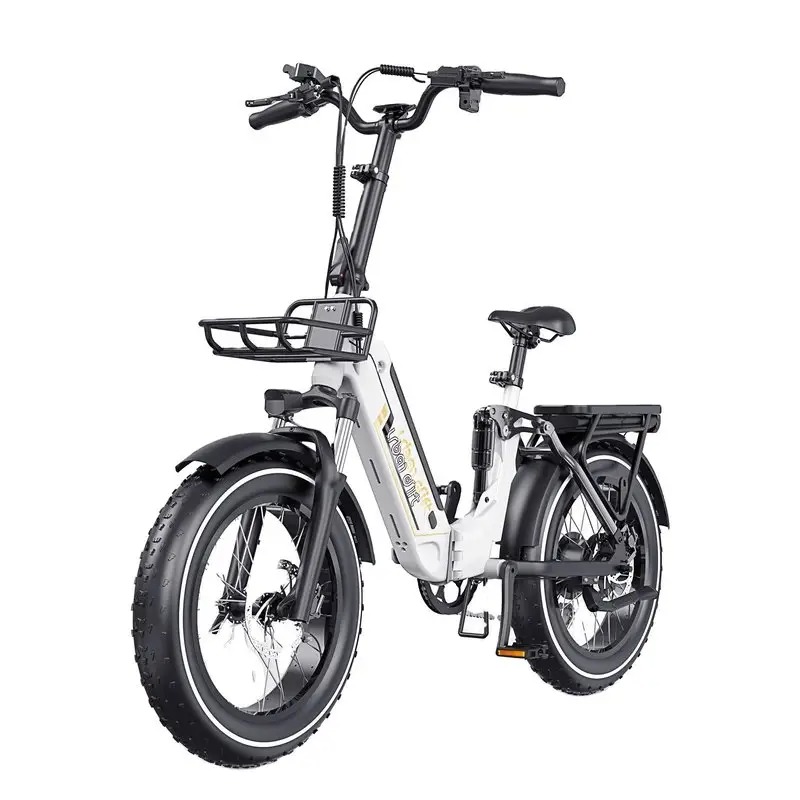
Fleet operators considering a 250w electric bike for sale must evaluate maintenance costs as a critical factor in total cost of ownership. Unlike traditional bicycles or gas-powered vehicles, electric bikes present a unique maintenance profile that combines mechanical simplicity with battery management and electrical system care. Understanding these costs upfront allows fleet managers to budget accurately, plan preventive maintenance schedules, and maximize the operational lifespan of their 250w ebike investment.
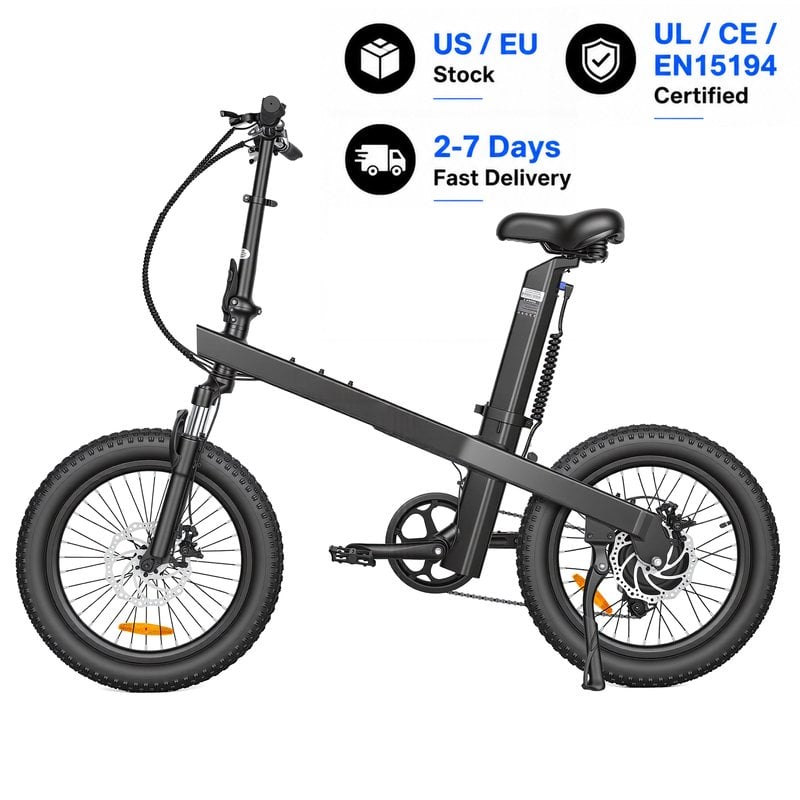
The operational advantage of a commuter ebike lies in its lower maintenance burden compared to combustion engines, yet fleet managers must still account for specific wear components, battery replacement cycles, and professional servicing intervals. A 250w ebike operates within moderate power parameters, delivering practical performance for last-mile and urban commute applications while keeping wear rates manageable. This makes the 250w ebike an attractive option for electric bike wholesale buyers planning large-scale fleet deployments.
The battery is the most expensive component in any commuter ebike, and its maintenance represents a significant line item in fleet budgeting. A typical 250w ebike battery pack lasts between 600 to 1000 full charge cycles, translating to 2 to 4 years of regular commute use depending on riding patterns and environmental conditions. Fleet operators should plan for battery replacement as the primary capital expense within the 3 to 5 year operational window.
Proper battery care directly extends lifespan and reduces premature degradation costs. A 250w ebike battery requires charging management practices such as avoiding deep discharge cycles, storing batteries in temperature-controlled environments, and using manufacturer-approved chargers. Fleet managers implementing structured charging protocols have reported extending battery performance by 20 to 30 percent, yielding substantial savings across large deployments.
When a battery reaches end-of-life in a commuter ebike fleet, recycling becomes both an environmental and financial consideration. Battery replacement costs for a 250w ebike typically range from 200 to 400 dollars per unit, a substantial expense that justifies preventive maintenance investment. Electric bike wholesale suppliers increasingly offer bulk battery replacement programs and extended warranty options that reduce per-unit costs for large fleet operators.
Forward-thinking fleet operators factor battery replacement into annual per-unit maintenance budgets. Spreading this cost across operational years makes the economics of the 250w ebike highly competitive against fossil-fuel alternatives, particularly in urban and suburban settings where commute distances remain moderate.
The mechanical systems of a 250w ebike operate similarly to traditional bicycles, yet electric-assisted models experience higher wear rates due to increased stopping requirements and weight distribution. Brake pads on a commuter ebike typically require replacement every 1000 to 1500 miles, while tire replacement cycles average 2000 to 3000 miles depending on terrain and riding habits. A 250w ebike fleet should establish quarterly inspection schedules to identify wear before components fail in service.
Chain and drivetrain maintenance involves periodic cleaning, lubrication, and eventual replacement to ensure smooth power transfer and longevity. A well-maintained commuter ebike chain lasts 1500 to 2000 miles before requiring replacement, costing 30 to 60 dollars per unit in parts and labor. Implementing a preventive lubrication schedule reduces unplanned downtime and extends component life significantly.
Many modern 250w ebike models incorporate front or full suspension systems that require periodic maintenance beyond traditional bicycle service. Suspension components demand specialized knowledge and tools, often necessitating professional service at established rates of 50 to 150 dollars per service interval. Fleet managers should budget for annual suspension inspections and seasonal servicing to maintain ride quality and rider safety.
Structural elements such as frame welds, connections, and fasteners experience stress from the combined weight of bike, battery, and rider. A comprehensive maintenance protocol for a 250w ebike includes torque verification of critical connections every 500 miles of operation, preventing costly damage from undetected looseness.
The electric motor and control system in a 250w ebike represent specialized components requiring technical expertise for effective maintenance. Motor bearings rarely need servicing if the bike remains dry and clean, but periodic inspection for water ingress and corrosion becomes essential in wet climates. A commuter ebike controller manages power delivery and safety functions; problems manifest as inconsistent assist levels or response lag, warranting professional diagnosis.
Fleet operators purchasing a 250w ebike for wholesale operations should establish relationships with qualified service technicians familiar with their specific motor architecture. Preventive diagnostics performed annually cost 40 to 80 dollars per unit but often reveal minor issues before they escalate into expensive motor or controller replacements costing 300 to 800 dollars.
Electrical connections in a commuter ebike represent vulnerability points where corrosion and water damage can create intermittent faults. Fleet managers should inspect connectors and cable routing during regular maintenance intervals, ensuring weatherproof seals remain intact on all electrical interfaces. Replacement connectors cost 15 to 40 dollars and take minimal time to install, preventing larger electrical system failures.
Torque sensors and speed sensors in a 250w ebike calibrate the motor assist response and require occasional cleaning and verification to maintain consistent performance. Sensor-related faults often present as inconsistent power delivery, triggering service calls that could be prevented through proactive maintenance protocols.
Fleet managers must establish realistic annual maintenance budgets for each 250w ebike unit to avoid cost overruns and operational surprises. Industry experience suggests allocating 150 to 250 dollars annually per commuter ebike unit for routine service, parts replacement, and professional diagnostics. This calculation assumes moderate urban use of 5000 to 8000 miles per year and preventive maintenance practices.
Large-scale electric bike wholesale purchases benefit from bulk service agreements with regional technicians, often securing 15 to 25 percent discounts on standard maintenance rates. Fleet operators negotiating these contracts upfront establish predictable cost structures and priority service scheduling, protecting operational continuity.
The true value of a 250w ebike emerges when analyzing five-year total cost of ownership including maintenance expenses. After accounting for initial purchase price, battery replacement at year three, regular mechanical service, and professional electrical diagnostics, the per-mile operating cost remains significantly lower than gas-powered alternatives or high-capacity electric bikes. A commuter ebike fleet operating 5000 miles annually per unit typically incurs 0.10 to 0.15 dollars in maintenance costs per mile, comparable to or lower than public transportation subsidies in many urban markets.
Fleet operators implementing structured maintenance protocols, training internal technicians, and purchasing spare parts in bulk achieve costs at the lower end of this range. These strategic investments transform a 250w ebike fleet into a sustainable, cost-effective transportation asset delivering years of reliable performance.
Average annual maintenance costs for a 250w ebike range from 150 to 250 dollars per unit, accounting for routine service, component replacement, and professional diagnostics. This estimate assumes moderate urban use and preventive maintenance protocols. Electric bike wholesale buyers operating larger fleets often negotiate bulk service agreements that reduce per-unit costs by 15 to 25 percent.
A commuter ebike battery typically requires replacement every 2 to 4 years, depending on charge cycles and usage patterns. Most 250w ebike batteries last 600 to 1000 full charge cycles before significant capacity degradation occurs. Proper charging management, temperature control, and storage practices can extend battery life by 20 to 30 percent.
Yes, a 250w ebike maintains significantly lower operational costs compared to gas-powered vehicles or motorcycles. Electric bikes eliminate fuel expenses, oil changes, and complex engine servicing. Per-mile maintenance costs for a commuter ebike typically range from 0.10 to 0.15 dollars annually, making fleet operations economically competitive with public transportation while offering flexibility and employee benefits.
2026/08/03
Fix time zones, language gaps, and unclear protocols—boost speed, cut costs, and scale confidently.
2026/08/03
Avoid liability & import bans: Learn IEC 62619, UN 38.3, and UL 2271—plus how to verify real compliance (not fakes).
2026/08/03
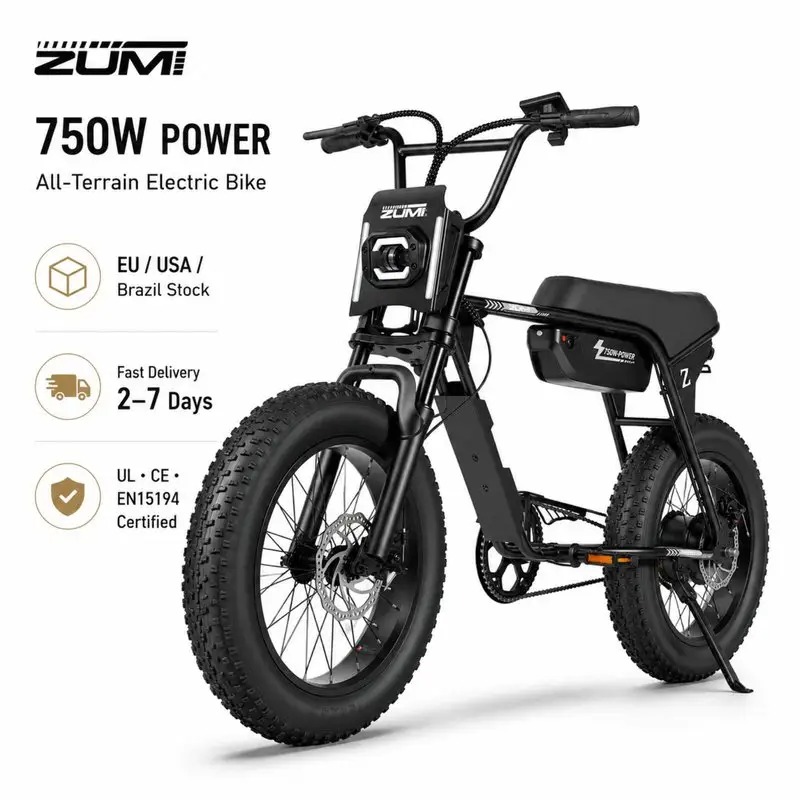
Learn precise air pressure, rebound & compression tuning for optimal suspension performance. Get pro-level setup tips now.
2026/08/03
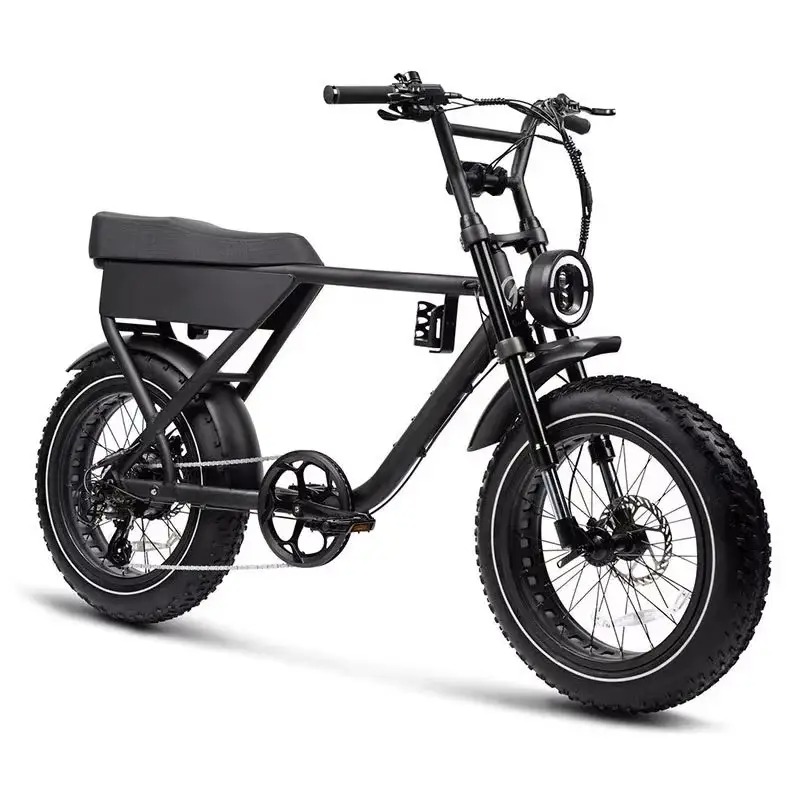
Discover how voltage drop saps performance—and proven fixes to restore responsiveness, range, and battery life. Read now.
2026/08/03
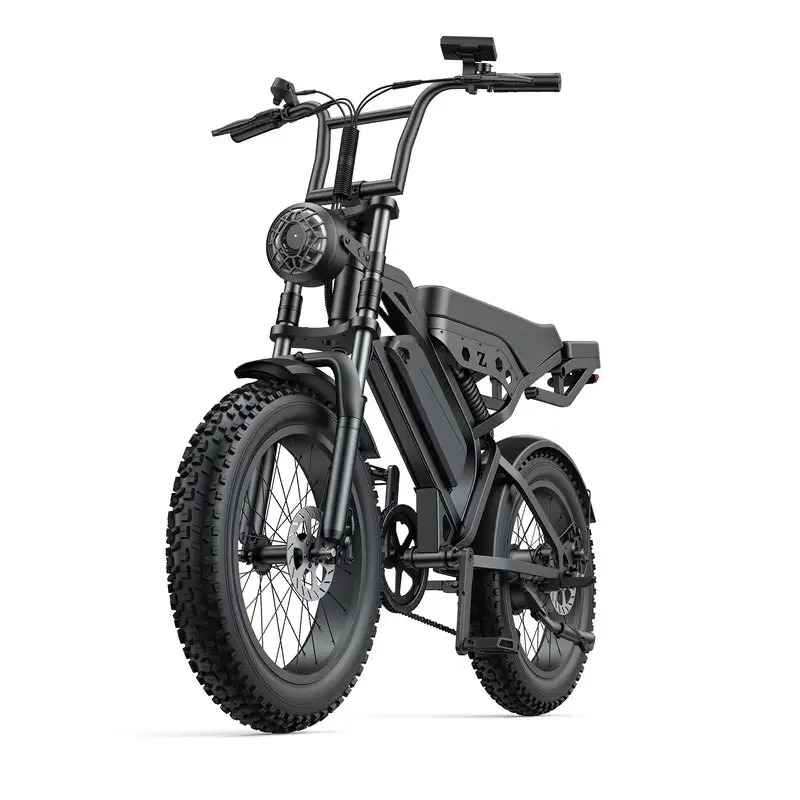
Discover data-backed protocols, smart infrastructure & operational fixes. Optimize now.
2026/08/03
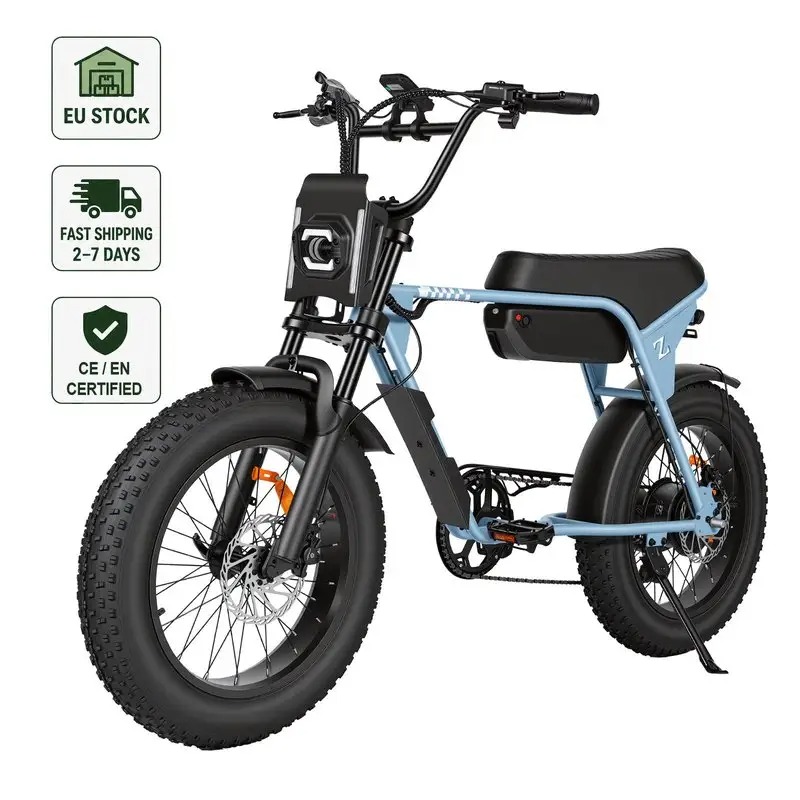
How payload cuts 48V cargo ebike range by 15–50%+ — backed by real-world degradation curves, motor load science & fleet optimization strategies.
Comprehensive warranty, fast parts shipping, remote diagnostics and local dealer training


