 EN
EN
STEP 1
Full vehicle warranty for 2 years
2026/08/24
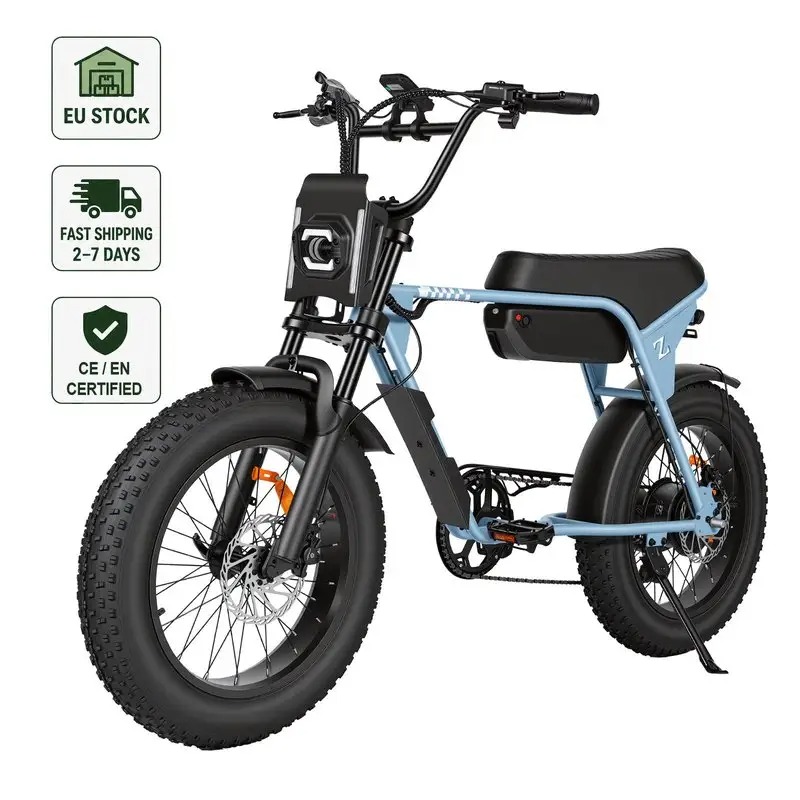
Frame alignment tolerances represent one of the most critical manufacturing considerations for electric bike makers. These precision specifications determine how well frame components fit together and directly influence the bike's handling, durability, and safety. For an ebike manufacturer, maintaining consistent tolerances across production ensures that every unit meets performance standards and customer expectations. Frame misalignment can cause uneven tire wear, steering problems, and reduced battery efficiency, making tolerance control essential to competitive differentiation in the electric bike wholesale market.
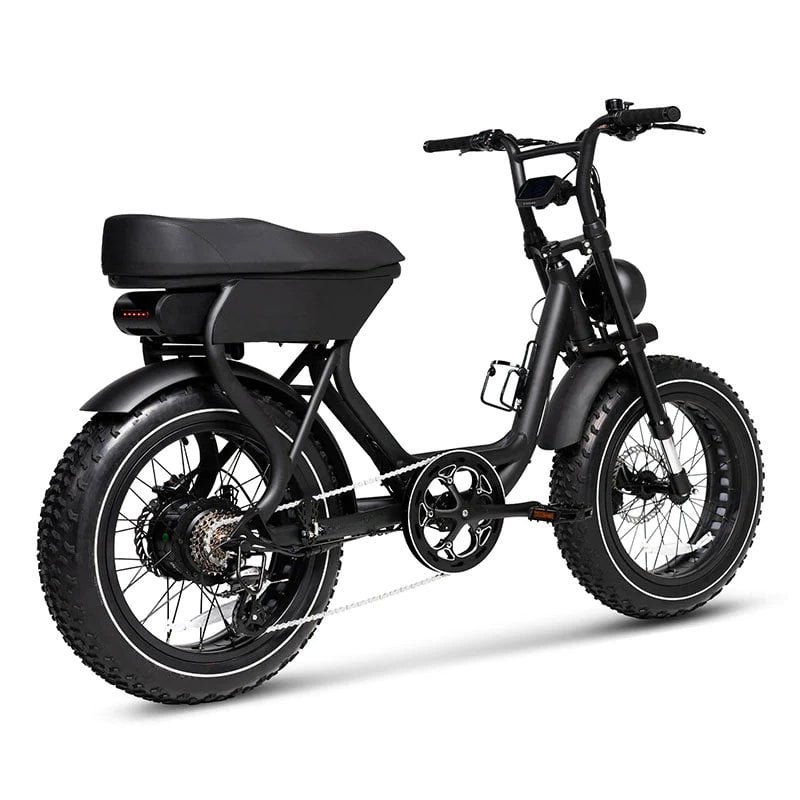
Understanding frame alignment tolerances is vital for anyone involved in ebike production, quality assurance, or procurement decisions. An ebike factory must balance precision engineering with cost-effective manufacturing processes to remain competitive. This article explores how electric bike wholesale operations handle alignment specifications, the measurement techniques employed by leading ebike manufacturers, and the practical implications for product quality and longevity.
Frame alignment tolerance refers to the allowable deviation from ideal geometric specifications in a bike frame assembly. For an ebike manufacturer, this typically involves measurements like dropouts perpendicular to the seat tube, rear triangle symmetry, and front fork rake consistency. These tolerances must be tight enough to ensure smooth operation but realistic enough for an ebike factory to achieve without excessive cost. Industry standards generally specify frame alignment tolerances between 2 and 5 millimeters depending on the component and frame size.
Misaligned frames create cascading problems throughout the electric bike. Wheel tracks that deviate by even 3 millimeters can cause the tire to rub on the frame or brakes. This affects handling characteristics, increases rolling resistance, and places unnecessary strain on the motor and battery system. For electric bike wholesale distributors and end users, poor frame alignment means reduced range, increased maintenance, and dissatisfied customers who experience steering issues or premature component wear.
An ebike manufacturer must establish frame alignment tolerances that reflect both engineering requirements and production capabilities. The choice depends on welding technology, material properties, and quality control resources available at the ebike factory. Higher-precision tolerance ranges demand better equipment, more skilled labor, and stricter inspection protocols. For electric bike wholesale operations purchasing frames or complete units, understanding these tolerance decisions directly impacts the reliability of inventory and customer satisfaction across their distribution network.
Modern ebike manufacturers employ specialized jigs and dial indicators to measure frame alignment. A vertical alignment jig positions the frame consistently while technicians measure critical points like dropout spacing, seat tube angles, and chain stay length. Digital calipers and laser alignment systems provide readings accurate to 0.1 millimeters, allowing an ebike factory to detect subtle deviations that could compromise performance. These tools are essential for any electric bike maker striving to maintain consistency across production batches.
Three-dimensional coordinate measuring machines represent the gold standard for precision frame inspection. An ebike manufacturer with access to CMM technology can map the entire frame geometry and compare it against CAD specifications with submillimeter accuracy. However, this equipment is capital-intensive, making it more practical for large-scale ebike factories than for smaller operations. Many electric bike wholesale suppliers rely on frame manufacturers with CMM capability to ensure parts meet specification before shipment.
An ebike factory implementing statistical process control monitors frame alignment data across production runs to identify trends before tolerances are exceeded. By sampling finished frames regularly and plotting measurements on control charts, an ebike manufacturer can detect when tooling wears or processes drift. This proactive approach is more cost-effective than reactive inspection, which catches problems only after defective frames are produced. For electric bike wholesale buyers, evidence of SPC implementation signals a supplier committed to consistent quality.
The bicycle industry lacks universally mandated frame tolerance standards, creating variability among electric bike makers. However, most ebike manufacturers follow guidelines similar to those established for conventional bicycles, with adjustments for the heavier loads and motor forces inherent to e-bike designs. A responsible ebike factory typically specifies maximum deviations of 3 to 5 millimeters for rear dropout alignment and 2 to 3 millimeters for seat tube straightness. Electric bike wholesale operations should request tolerance documentation from suppliers to verify frame quality meets their standards.
Premium ebike manufacturers often adopt tighter tolerances of 1 to 2 millimeters across critical dimensions. This tighter specification improves handling precision and longevity but increases production costs. The trade-off between tolerance tightness and manufacturability is a strategic decision each electric bike maker must evaluate based on target market positioning. An ebike factory serving the performance segment typically maintains stricter tolerances than one focused on budget-conscious consumers.
An ebike manufacturer must coordinate frame alignment tolerances with component specifications to ensure proper fit. Motor mounts, suspension pivot points, and battery attachment locations must align with frame geometry within defined tolerance stacks. An ebike factory engineer calculates tolerance stacks by summing individual component tolerances to predict worst-case dimensional outcomes. When frame alignment tolerance is too loose, final assembly may result in misaligned motors or crooked battery mounting, even if individual components meet specification.
Most electric bike makers specify frame alignment tolerances between 2 and 5 millimeters for critical dimensions like rear dropout perpendicularity and seat tube straightness. Premium ebike manufacturers may target tighter 1 to 2 millimeter tolerances, while budget-focused ebike factories may allow up to 5 millimeter deviations on non-critical features. The choice reflects the balance between engineering requirements and manufacturing cost.
An ebike factory uses precision jigs, dial indicators, digital calipers, and laser alignment systems for routine measurement. Larger ebike manufacturers employ coordinate measuring machines for comprehensive frame geometry verification. These tools allow inspectors to detect deviations as small as 0.1 millimeters and ensure every frame from the ebike factory meets alignment specifications before assembly or shipment to electric bike wholesale partners.
Poor frame alignment causes uneven tire wear, steering issues, brake rub, and increased rolling resistance that drains battery faster. For an ebike manufacturer, tight alignment tolerances ensure consistent motor performance and component longevity. Electric bike wholesale distributors and end customers benefit when electric bike makers invest in alignment control because bikes handle predictably, require less maintenance, and deliver the range and performance customers expect.
2026/08/03
Fix time zones, language gaps, and unclear protocols—boost speed, cut costs, and scale confidently.
2026/08/03
Avoid liability & import bans: Learn IEC 62619, UN 38.3, and UL 2271—plus how to verify real compliance (not fakes).
2026/08/03
Learn precise air pressure, rebound & compression tuning for optimal suspension performance. Get pro-level setup tips now.
2026/08/03
Discover how voltage drop saps performance—and proven fixes to restore responsiveness, range, and battery life. Read now.
2026/08/03
Discover data-backed protocols, smart infrastructure & operational fixes. Optimize now.
2026/08/03
How payload cuts 48V cargo ebike range by 15–50%+ — backed by real-world degradation curves, motor load science & fleet optimization strategies.
Comprehensive warranty, fast parts shipping, remote diagnostics and local dealer training


