 EN
EN
STEP 1
Full vehicle warranty for 2 years
2026/09/07
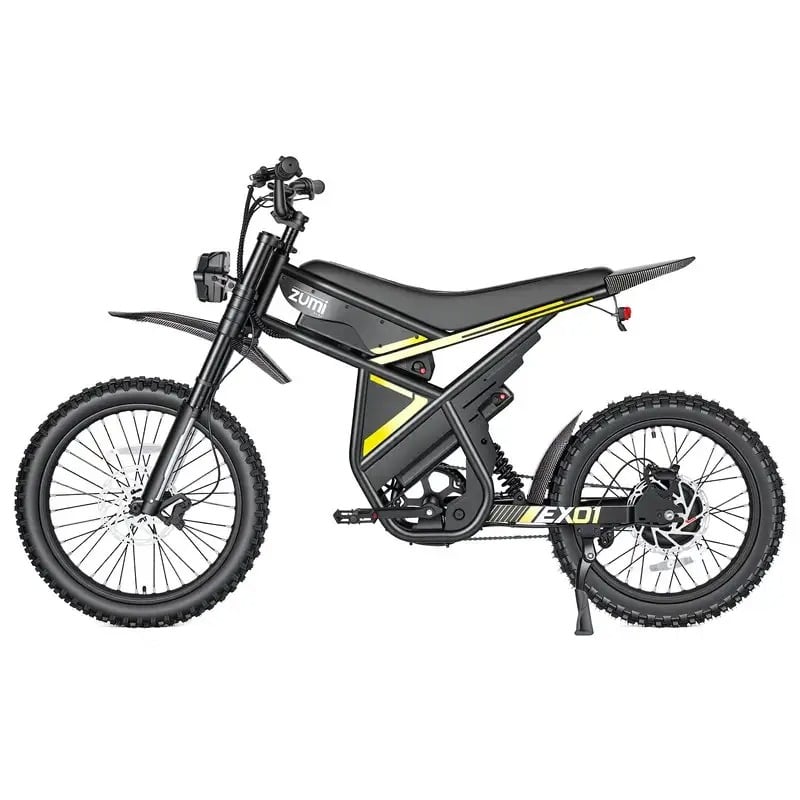
Planning a full-scale OEM electric bike production requires a precise understanding of lead times and production schedules. Whether you're a distributor, retailer, or custom made e bikes brand seeking to launch products, lead time analysis directly impacts your market entry, inventory management, and customer delivery commitments. Lead times for OEM electric bike production vary significantly based on component sourcing, assembly complexity, customization levels, and manufacturer capacity. Understanding these timelines is essential for avoiding stockouts, managing cash flow, and maintaining competitive market positioning.
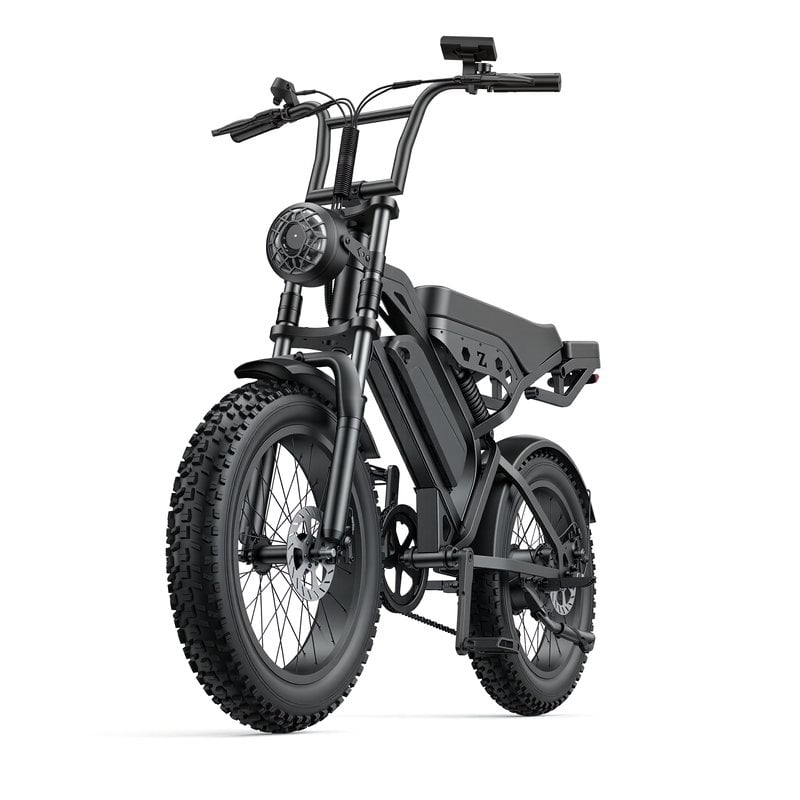
E bike manufacturing companies operate across multiple production stages, each contributing to overall lead time. From raw material procurement through final quality testing, every phase requires careful coordination and realistic timeline expectations. Custom electric bike builders often face unique lead time challenges because they balance standardized components with bespoke configurations. This comprehensive analysis explores how to measure, plan for, and optimize lead times in full-scale electric bicycle production environments.
The foundation of any OEM electric bike production schedule begins with component procurement. Battery cells, motor units, controllers, frames, and mechanical assemblies come from various suppliers, and synchronizing their arrival requires sophisticated supply chain management. Battery sourcing typically represents the longest lead time, often ranging from 8 to 16 weeks depending on cell chemistry, capacity specifications, and supplier production queues. For custom made e bikes that require specific battery configurations, lead times can extend further as manufacturers work with specialized energy storage providers.
Custom electric bike builders must also account for frame sourcing, which involves raw aluminum or steel procurement, welding, painting, and quality verification. Standard frame designs manufactured at scale typically require 6 to 10 weeks, while custom geometries or specialty materials can demand 12 to 18 weeks. Motor controllers and electronic components sourced from e bike manufacturing company partners often require 6 to 12 weeks, depending on production complexity and circuit customization. Planning these parallel procurement streams ensures components arrive in sequence rather than creating bottlenecks.
Once components arrive at the manufacturing facility, assembly time for custom made e bikes typically requires 4 to 8 weeks for full-scale production runs. This phase includes frame assembly, motor and battery integration, electrical system testing, and mechanical calibration. Electric bicycle suppliers managing high-volume OEM electric bike production benefit from standardized assembly lines where skilled technicians work through systematic workflows. However, custom electric bike builders often require longer assembly periods due to non-standard configurations, unique mechanical layouts, or specialty integration requirements.
Quality assurance and testing add 2 to 4 weeks to the overall timeline. Each e bike manufacturing company must perform battery range validation, motor performance verification, brake system testing, and structural integrity checks. For custom made e bikes intended for specific use cases such as cargo transport or off-road conditions, extended testing protocols may add another 1 to 2 weeks. This rigorous approach protects brand reputation and ensures customer satisfaction upon delivery.
Custom electric bike builders face substantial lead time increases when clients request non-standard configurations. Unique paint schemes, specialized frame geometries, modified electrical setups, or integrated accessories require design validation, tooling adjustments, and quality verification that standard OEM electric bike production avoids. A single custom made e bikes order requesting proprietary frame welding patterns or bespoke battery enclosures can add 6 to 10 weeks to the baseline production schedule. Electric bicycle suppliers serving multiple markets must balance the efficiency of standardized production against the revenue opportunity that customization presents.
Supply chain disruptions also create compounding delays. When key component suppliers experience production constraints, facility shutdowns, or logistics challenges, the entire OEM electric bike production schedule shifts. Custom electric bike builders dependent on single-source suppliers for specialized parts face particularly acute risk during supply chain instability. Building lead time buffers and maintaining secondary supplier relationships helps mitigate these risks in full-scale production environments.
E bike manufacturing companies operating across multiple jurisdictions must navigate varying regulatory frameworks that directly impact production timelines. Different regions require specific electrical safety certifications, motor power classifications, and mechanical durability standards. A custom made e bikes model compliant in Europe may require redesign, retesting, and recertification for markets like North America or Asia. These compliance workflows typically add 4 to 8 weeks to the first production run for each new market entry.
Documentation and certification processes require coordination between manufacturers, testing laboratories, and regulatory bodies. OEM electric bike suppliers must gather technical specifications, conduct performance testing, compile safety documentation, and submit applications through formal channels. For custom electric bike builders introducing innovative designs or novel integration approaches, certification can extend to 12 weeks or longer if authorities require additional research or testing justification. Understanding these compliance requirements upfront prevents costly production halts.
Successful OEM electric bike production balances forecasted market demand against realistic manufacturing capacity and component availability. Custom electric bike builders must analyze historical sales patterns, seasonal demand fluctuations, and market growth projections to establish production schedules three to six months in advance. E bike manufacturing companies typically maintain rolling forecasts that account for confirmed orders, anticipated demand, and planned product launches. This forward-looking approach prevents inventory shortages and enables smoother factory operations.
Collaborative demand planning with distribution partners and retailers strengthens accuracy. When custom made e bikes suppliers maintain regular communication with downstream customers about anticipated orders, they can adjust procurement timelines and manufacturing schedules proactively. Electric bicycle suppliers using advanced demand planning software can model various scenarios, identify potential bottlenecks, and adjust lead time commitments based on current capacity and supply chain conditions. This data-driven approach reduces the risk of overpromising delivery dates.
Building resilience into OEM electric bike supply chains requires strategic buffer stock, secondary supplier relationships, and flexible manufacturing capacity. Leading e bike manufacturing companies maintain safety stock of critical components such as batteries and controllers to absorb unexpected demand spikes or supply disruptions. Custom electric bike builders benefit from maintaining strategic inventory of popular frame sizes, standard motor variants, and common electrical configurations that enable rapid assembly when custom orders arrive. This hybrid approach balances capital efficiency against responsiveness.
Establishing backup suppliers for high-criticality components protects against single-source dependencies that create cascading delays. An OEM electric bike manufacturer sourcing batteries from multiple providers can switch to secondary suppliers if primary sources experience disruptions. Custom made e bikes producers can negotiate flexible component agreements with electric bicycle suppliers that include reserved capacity for surge demand periods. These contractual arrangements require investment but prevent costly production shutdowns.
Full-scale OEM electric bike production typically requires 16 to 28 weeks from order placement to final delivery, depending on component availability and customization complexity. This timeline includes component procurement (8 to 16 weeks), manufacturing and assembly (4 to 8 weeks), quality testing (2 to 4 weeks), and logistics (2 to 4 weeks). Custom made e bikes with specialized configurations may extend beyond this range. E bike manufacturing companies usually provide refined timelines once technical specifications and material sourcing are finalized.
Custom electric bike builders reduce lead times through standardized component libraries, pre-negotiated supplier agreements, and modular assembly designs. Maintaining buffer stock of popular configurations allows rapid fulfillment when custom orders align with available inventory. Electric bicycle suppliers implementing lean manufacturing principles and automation technologies can compress assembly timelines by 20 to 30 percent. Parallel procurement of multiple components rather than sequential ordering also accelerates custom made e bikes production schedules significantly.
Battery sourcing and regulatory certification typically create the longest delays in e bike manufacturing company operations. Battery lead times frequently exceed 12 weeks due to sourcing constraints and quality requirements. Custom made e bikes requiring new regulatory approvals can add 4 to 12 weeks to timelines. Supply chain disruptions, custom tooling requirements, and testing complexity also extend schedules. OEM electric bike producers minimize these delays through early supplier engagement, compliance planning, and standardized design approaches wherever possible.
2026/08/03
Fix time zones, language gaps, and unclear protocols—boost speed, cut costs, and scale confidently.
2026/08/03
Avoid liability & import bans: Learn IEC 62619, UN 38.3, and UL 2271—plus how to verify real compliance (not fakes).
2026/08/03
Learn precise air pressure, rebound & compression tuning for optimal suspension performance. Get pro-level setup tips now.
2026/08/03
Discover how voltage drop saps performance—and proven fixes to restore responsiveness, range, and battery life. Read now.
2026/08/03
Discover data-backed protocols, smart infrastructure & operational fixes. Optimize now.
2026/08/03
How payload cuts 48V cargo ebike range by 15–50%+ — backed by real-world degradation curves, motor load science & fleet optimization strategies.
Comprehensive warranty, fast parts shipping, remote diagnostics and local dealer training


