 EN
EN
STEP 1
Full vehicle warranty for 2 years
2026/08/07
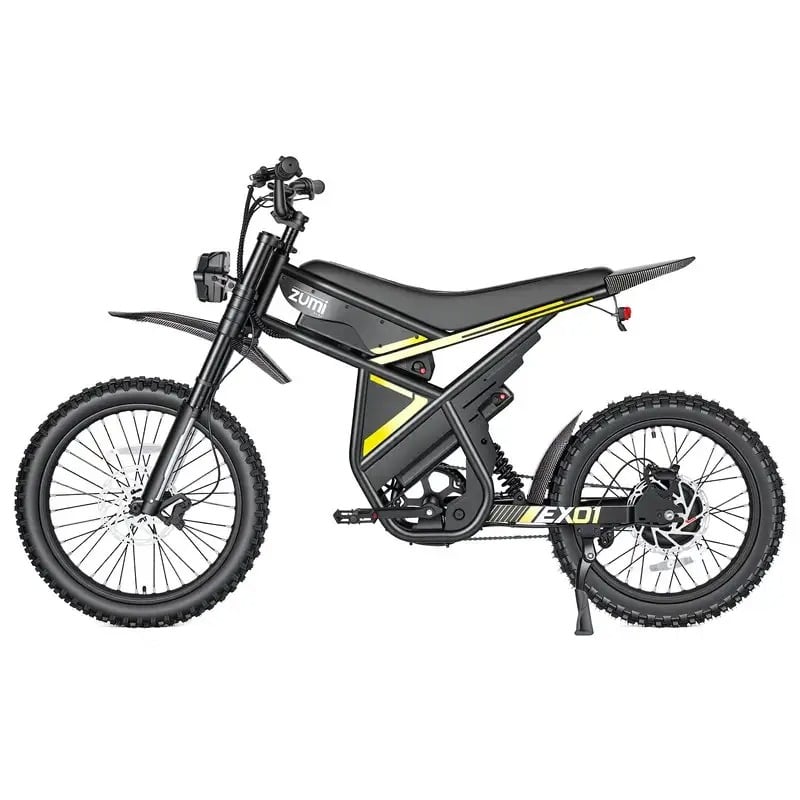
The relationship between manufacturers and electric bicycle distributors fundamentally shapes the profitability of the entire ebike industry. Understanding margin structures between these two critical players reveals how pricing decisions cascade through supply chains and ultimately affect end-consumer costs. Manufacturers operate under different cost pressures and volume assumptions than ebike distributors, creating distinct margin profiles that influence market dynamics and competitive positioning.
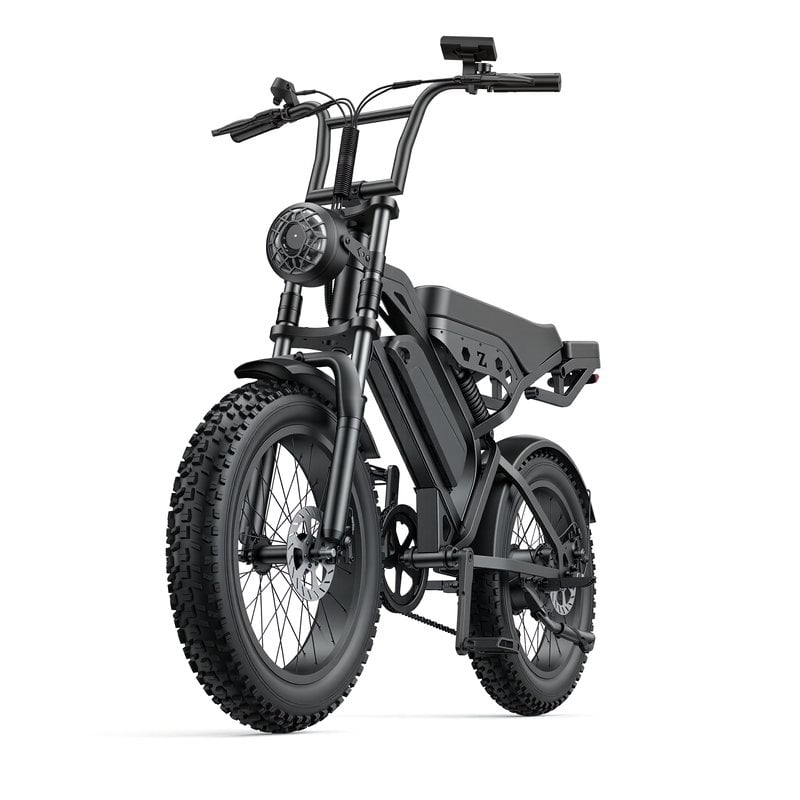
An ebike distributor operates as a crucial intermediary, purchasing inventory directly from manufacturers and reselling to retailers, rental operators, or corporate clients. These distributors must balance inventory carrying costs, logistics expenses, and market demand forecasting against their wholesale margins. Manufacturers, by contrast, focus on production scale, component sourcing, and brand positioning, typically maintaining higher unit margins but facing capital and operational constraints that distributors avoid.
Electric bike manufacturers incur substantial upfront costs in research and development, tooling, component procurement, and assembly infrastructure. These fixed costs are distributed across production volumes, making scale essential to margin health. A manufacturer producing 10,000 units annually operates with fundamentally different unit economics than one producing 100,000 units. Battery costs, motor sourcing, and frame manufacturing represent the largest variable expenses, typically consuming 40 to 60 percent of the wholesale price in the ebike wholesale market.
Manufacturers targeting direct-to-consumer channels can capture higher margins by eliminating distributor and retailer markups, but they assume all logistics, customer service, and inventory risk. Conversely, manufacturers selling through ebike distributors accept lower per-unit revenue to achieve volume predictability and reduce working capital demands. A manufacturer might price an electric bike model at $850 wholesale to distributors while the retail equivalent through direct channels reaches $1,400 to $1,600, reflecting the cumulative margin layers across the supply chain.
Manufacturers must align their margin structures with market positioning, brand maturity, and distribution channel strategy. Premium brands selling through selective ebike distributors can maintain 35 to 45 percent wholesale margins by emphasizing design, innovation, or performance differentiation. Mass-market manufacturers competing primarily on price accept lower margins, often 20 to 30 percent, to maintain volume and retailer shelf presence. The electric bike wholesale sector increasingly sees differentiation through specification, warranty, and post-sale support rather than competing on price alone.
Electric bicycle distributors typically operate on narrower per-unit margins than manufacturers but generate revenue through volume velocity and efficient inventory turnover. An ebike distributor might purchase units at $850 wholesale and resell to retailers at $950 to $1,050, capturing only 10 to 20 percent margin on the transaction. However, this seemingly thin margin reflects the value distributors create through warehousing, local logistics, market coverage, and demand aggregation across their retailer or institutional customer base.
Carrying inventory of heavy, bulky products like electric bikes creates substantial holding costs. A distributor storing 500 units incurs warehouse rent, insurance, obsolescence risk, and working capital financing that can reduce net margins by 3 to 8 percent annually. The electric bike wholesale business model requires careful inventory planning, demand forecasting, and rapid order fulfillment to remain profitable. Distributors who fail to match inventory to demand face either stockouts that lose sales or excess inventory that ties up capital and depreciates.
The primary economic advantage electric bicycle distributors offer is local market presence, retailer relationships, and aggregated demand that justifies manufacturer engagement. Rather than manufacturers managing dozens or hundreds of small retailers directly, distributors consolidate purchasing power into regional or national accounts. This reduces manufacturer sales costs and enables faster market response. An ebike distributor with established relationships across 50 retail locations creates efficiencies that allow the manufacturer to focus on production and brand development rather than customer support and logistics coordination.
Distributors also absorb returns, handle warranty processing, and manage customer service inquiries that would otherwise burden manufacturers. These services justify margin structures that appear thin on a per-unit basis but reflect genuine value creation. Premium ebike distributors offering technical training, point-of-sale support, and demand planning services command higher margins from their retail partners, sometimes reaching 18 to 25 percent, because they reduce retailer operational burden and improve sell-through rates.
The global ebike market consolidation has intensified margin pressure across both manufacturers and electric bicycle distributors. Larger distributors achieve competitive advantage through procurement scale, enabling them to negotiate lower wholesale prices from manufacturers while maintaining absolute dollar margins through volume growth. This compression benefits end-consumers through lower retail prices but squeezes mid-sized players unable to achieve sufficient scale or service differentiation.
Manufacturers increasingly bypass traditional ebike distributors by developing direct relationships with large retailers and online fulfillment channels. This disintermediation reduces distributor relevance unless they specialize in underserved segments, provide exceptional service, or develop unique supplier relationships. The most resilient distributors focus on niche categories like cargo bikes, performance models, or specialized applications where they offer genuine expertise that generic wholesale channels cannot replicate.
Digital platforms and direct-to-consumer sales models are reshaping traditional margin structures. Manufacturers selling directly through websites capture full retail margins minus fulfillment costs, potentially improving profitability by 30 to 40 percent per unit compared to distributor channels. However, direct models require substantial marketing spend and customer acquisition costs that offset margin gains. Successful direct-to-consumer electric bike manufacturers typically operate at 25 to 35 percent net margins after accounting for digital marketing, logistics, and customer service infrastructure.
Smart ebike distributors are responding by specializing in business-to-business channels where they add distinct value. Corporate fleet operators, rental services, and institutional buyers increasingly prefer working with expert distributors who understand their operational needs rather than navigating manufacturer sales directly. This specialization allows distributors to maintain 15 to 22 percent margins while manufacturers serving these channels maintain 30 to 40 percent margins, creating mutually beneficial partnership economics.
Electric bicycle distributors typically operate on 10 to 22 percent margins depending on market segment, service level, and scale. Basic wholesale channels targeting large retailers operate at the lower end of this range, while specialized ebike distributors offering technical support, training, and customized logistics maintain margins toward the higher end. The margin variability reflects differences in inventory efficiency, customer service intensity, and market positioning.
Manufacturers generally maintain higher per-unit margins, typically 25 to 45 percent wholesale margin, compared to the 10 to 22 percent range for electric bike wholesale distributors. However, manufacturers bear substantial fixed costs in production, development, and brand building that distributors avoid. When accounting for total profitability rather than margin percentage alone, successful distributors often achieve comparable or superior return on invested capital through higher inventory velocity and lower asset requirements.
Traditional broad-based ebike distributors face margin and volume pressure from direct-to-consumer models and large retailer consolidation. However, specialized distributors focusing on niche segments, technical expertise, or vertical markets like corporate fleets and rental operators continue to thrive. The future of electric bicycle distributors depends on offering services and market access that generic online channels cannot replicate rather than competing solely on price and volume.
2026/08/03
Fix time zones, language gaps, and unclear protocols—boost speed, cut costs, and scale confidently.
2026/08/03
Avoid liability & import bans: Learn IEC 62619, UN 38.3, and UL 2271—plus how to verify real compliance (not fakes).
2026/08/03
Learn precise air pressure, rebound & compression tuning for optimal suspension performance. Get pro-level setup tips now.
2026/08/03
Discover how voltage drop saps performance—and proven fixes to restore responsiveness, range, and battery life. Read now.
2026/08/03
Discover data-backed protocols, smart infrastructure & operational fixes. Optimize now.
2026/08/03
How payload cuts 48V cargo ebike range by 15–50%+ — backed by real-world degradation curves, motor load science & fleet optimization strategies.
Comprehensive warranty, fast parts shipping, remote diagnostics and local dealer training


