 EN
EN
STEP 1
Full vehicle warranty for 2 years
2026/08/24
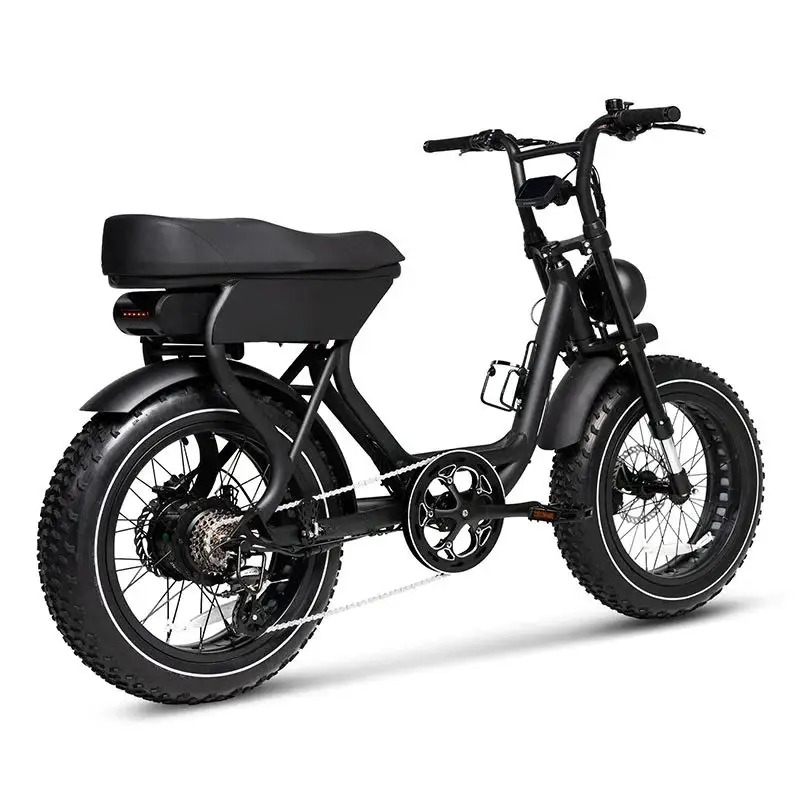
Rider weight is one of the most significant yet often overlooked factors affecting the range of your 48v 1000w ebike. When you add extra mass to any vehicle, the energy required to propel it forward increases substantially. For electric bikes, this relationship is direct and measurable. A heavier rider will consume more battery capacity over the same distance compared to a lighter rider, reducing the overall range your 1000w ebike can achieve on a single charge. Understanding this relationship helps you set realistic expectations and optimize your riding for maximum distance.
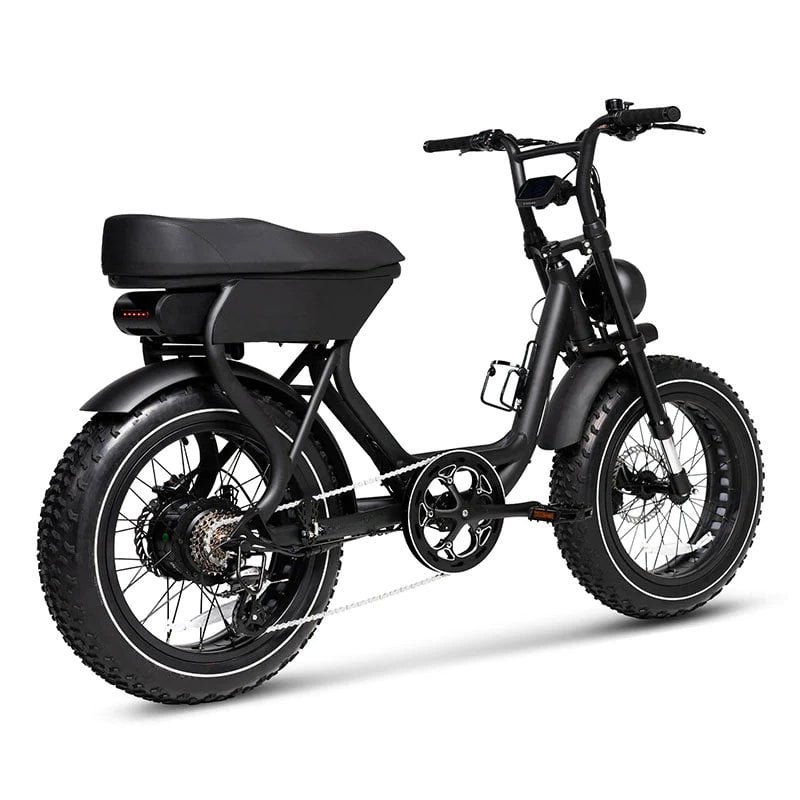
A 48v ebike with a 1000w motor is engineered to deliver robust power across varied terrain and riding conditions. However, the battery capacity and motor efficiency remain constant regardless of rider weight. This means heavier riders place greater demand on the battery system, drawing down stored energy faster. The physics is straightforward: increased mass requires more force to accelerate, climb hills, and maintain speed. For electric mountain bike enthusiasts, this principle becomes critical when planning longer rides or tackling challenging topography.
The motor on any 1000w ebike must work harder when carrying additional weight. This increased load translates directly into higher current draw from the battery pack. A 48v ebike battery system supplies electrical current through the motor to convert stored energy into mechanical power. When your total system weight rises, the motor must maintain the same speed and acceleration with proportionally greater effort. This increased current draw depletes the battery faster, shortening your overall riding range on terrain of similar difficulty.
Electric mountain bike efficiency diminishes as rider weight increases because the motor operates at higher output levels to maintain performance. A 48v system with fixed voltage and capacity cannot produce more total energy, but heavier loads force it to deliver that energy more quickly. Think of battery capacity like a fuel tank: if you press the accelerator harder, you burn through fuel faster. Similarly, a 1000w ebike battery discharges at a faster rate when supporting additional weight. Lighter riders experience gentler discharge curves, allowing their journeys to extend further before the battery depletes.
Industry testing shows that for every 20 pounds of additional rider weight, a 48v 1000w ebike experiences approximately a 5 to 8 percent reduction in rated range. These figures assume identical riding conditions, terrain, and assist levels. A 170-pound rider on a 1000w ebike might achieve significantly different range than a 230-pound rider, even though both use identical equipment. For an electric mountain bike rated at 40 miles under standard test conditions, a heavier rider could realistically expect 10 to 15 miles less distance depending on how far their weight exceeds the manufacturer's baseline assumptions.
Range calculations become more complex when considering variable terrain. A 48v ebike climbing steep grades loses range faster than one traveling on flat paths, especially for heavier riders. Hills amplify the weight penalty because gravitational potential energy becomes a dominant factor. Ascending even moderate slopes requires the motor to sustain high power output, and rider weight directly affects the energy needed for elevation gain. On downhill sections, however, a heavier rider might recover some efficiency through regenerative braking, if the 1000w ebike features that technology. The cumulative effect across mixed terrain is still a net range reduction correlated with rider weight.
Heavier riders can partially offset weight-related range penalties through intelligent assist management. Most 48v electric mountain bike systems offer multiple power levels: eco, standard, and high. Using lower assist modes extends range significantly, even though acceleration feels less aggressive. Pedaling actively while the motor provides support, rather than relying purely on throttle or maximum assist, distributes energy more efficiently. Smooth acceleration and avoiding rapid speed changes reduce peak current draw on the battery. A 1000w ebike operated strategically can deliver surprisingly competitive range even for riders above the manufacturer's baseline weight assumptions.
Proper maintenance directly influences how effectively a 48v 1000w ebike battery performs. Keeping tires properly inflated reduces rolling resistance, improving efficiency for all riders but especially those carrying extra weight. Excess rolling resistance forces the motor to work harder, accelerating battery discharge. Ensure your 1000w ebike tires match the recommended PSI ranges, and inspect for debris or damage regularly. Battery health also deteriorates over time; a degraded 48v battery pack delivers less usable capacity than a new one. Storing your electric mountain bike properly and avoiding extreme temperatures preserves battery chemistry and maintains consistent range performance regardless of rider weight.
An 80-pound difference from the baseline typically results in 20 to 30 percent range loss on a 48v 1000w ebike. If the rated range under baseline conditions is 40 miles, you might realistically achieve 28 to 32 miles. This calculation assumes similar terrain, assist levels, and riding style. Heavier riders using lower assist modes can minimize this loss substantially.
Yes, pedal-assist mode typically extends range better than throttle-only operation because your leg power combines with motor output. Throttle-only riding places the entire load on the battery and 1000w motor, causing faster discharge. A 48v ebike in pedal-assist mode distributes energy demand between human and motor, resulting in better efficiency. For heavier riders, this efficiency gain is particularly valuable for maximizing distance.
A larger battery provides more total energy storage, which does extend range for any rider, including heavier ones. However, upgrading from the stock battery on your 48v 1000w ebike requires ensuring your charger and battery management system are compatible. Adding capacity is effective but doesn't eliminate the fundamental efficiency penalty of extra weight; it simply provides a larger energy reserve to draw from.
2026/08/03
Fix time zones, language gaps, and unclear protocols—boost speed, cut costs, and scale confidently.
2026/08/03
Avoid liability & import bans: Learn IEC 62619, UN 38.3, and UL 2271—plus how to verify real compliance (not fakes).
2026/08/03
Learn precise air pressure, rebound & compression tuning for optimal suspension performance. Get pro-level setup tips now.
2026/08/03
Discover how voltage drop saps performance—and proven fixes to restore responsiveness, range, and battery life. Read now.
2026/08/03
Discover data-backed protocols, smart infrastructure & operational fixes. Optimize now.
2026/08/03
How payload cuts 48V cargo ebike range by 15–50%+ — backed by real-world degradation curves, motor load science & fleet optimization strategies.
Comprehensive warranty, fast parts shipping, remote diagnostics and local dealer training


