 EN
EN
STEP 1
Full vehicle warranty for 2 years
2026/08/10
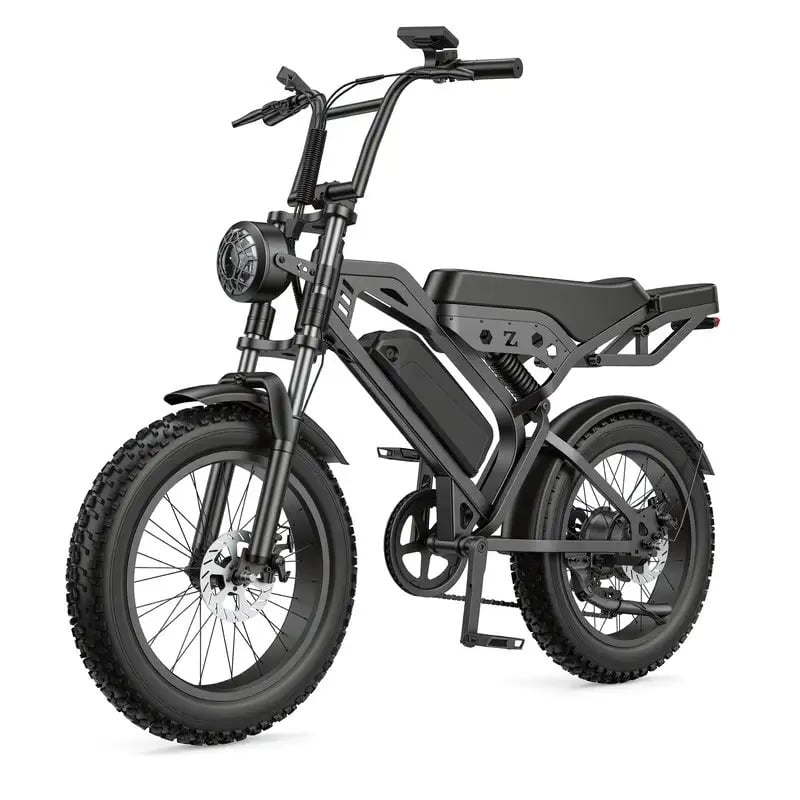
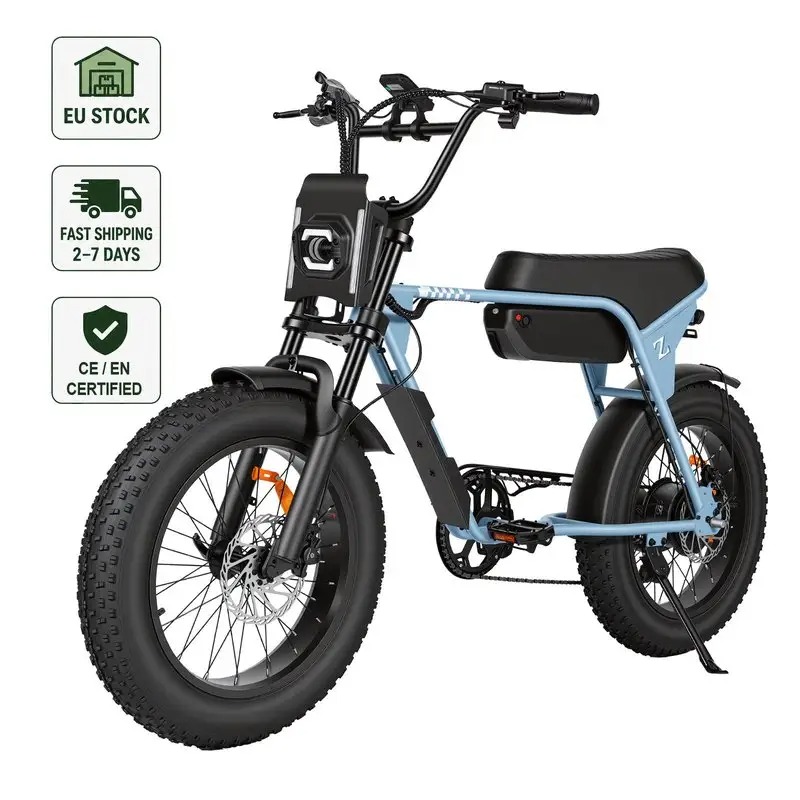
Understanding weight distribution dynamics in a modern fat tire ebike is fundamental to optimizing performance, comfort, and handling characteristics. Weight distribution affects how an ebike responds to rider input, distributes forces across the frame and wheels, and ultimately determines the quality of the riding experience. Modern ebike design has evolved significantly, with engineers focusing on strategic weight placement to improve stability across diverse terrains and riding conditions. The fat tire ebike category, in particular, demands careful analysis because the oversized tires and heavier components create unique weight dynamics that differ fundamentally from traditional bicycles and standard electric bikes.
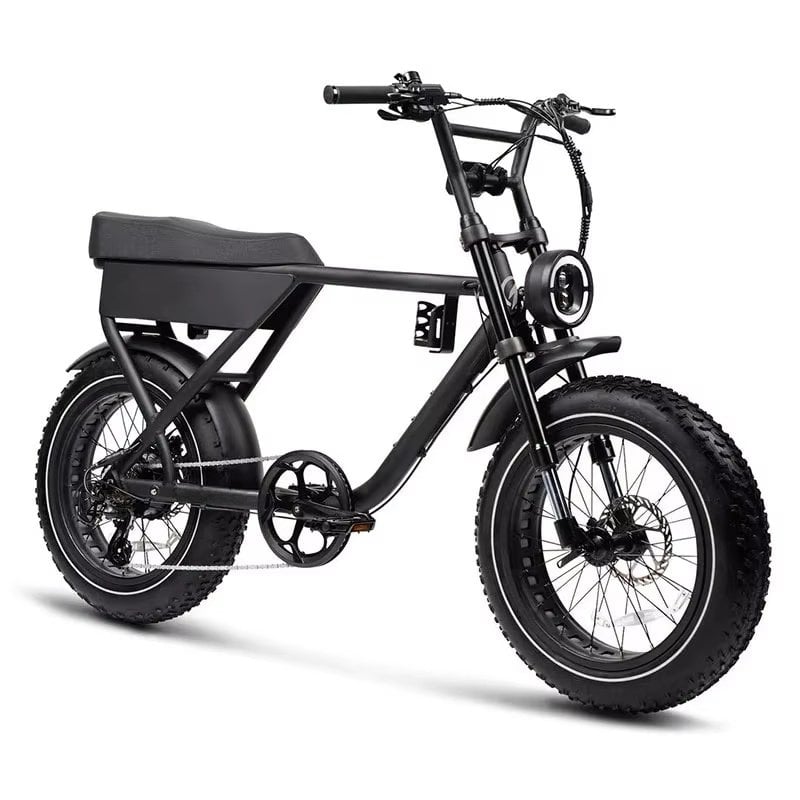
The rise of the ebike cruiser fat tire segment reflects growing consumer demand for machines that deliver both power and comfort. Modern fat tire ebike cruiser models incorporate weight distribution strategies that enhance ride quality, control, and safety. A fat tire ebike 750w system, for example, introduces additional mass from the motor and battery, requiring precise weight positioning to maintain balance and responsiveness. This article explores the critical factors that influence weight distribution in contemporary fat tire ebike designs, examining how engineers balance performance requirements with practical engineering constraints.
Frame geometry plays a decisive role in determining overall weight distribution on a fat tire ebike. The location of the motor, typically mounted in the rear hub or front hub, significantly shifts the center of gravity and affects how forces propagate through the frame during acceleration and braking. Modern fat tire ebike 750w models often use mid-drive systems or rear-hub designs, each with distinct weight distribution implications. Mid-drive systems position weight closer to the rider, improving handling stability, while rear-hub motors move mass toward the rear wheel, which can enhance traction but reduce agility.
The choice between front-hub, rear-hub, and mid-drive motor configurations directly determines weight distribution characteristics. A fat tire ebike cruiser with a rear-hub motor transfers more weight to the rear wheel, increasing traction and reducing wheelies during acceleration, but this configuration can compromise maneuverability on tight trails. Front-hub systems shift weight forward, which some riders find destabilizing, particularly during climbing or technical riding. Mid-drive motors, increasingly favored in modern design, place the weight closer to the frame center, creating more neutral weight distribution and better overall balance.
Battery placement represents the second largest weight component on a modern fat tire ebike. Most manufacturers position batteries low and centrally within the frame triangle, typically between the seat tube and down tube, to lower the center of gravity and improve stability. This positioning is particularly important for a custom fat tire ebike, where engineers can optimize placement based on specific performance objectives.
Fat tires represent a defining characteristic of this ebike category, and their substantial mass creates unique weight distribution challenges. Fat tire ebike designs typically use tires measuring 4.0 inches or wider, which adds considerable rotating mass compared to standard electric bike tires. This rotating mass, concentrated at the wheel rim and tire sidewalls, increases rotational inertia and affects acceleration, deceleration, and energy consumption. The weight of fat tires also influences unsprung mass dynamics, which directly impact how the bike responds to terrain irregularities and braking forces. A fat tire ebike 750w system must overcome this additional rotating mass during acceleration, requiring careful motor torque calibration to deliver responsive power delivery.
The increased mass concentrated in fat tires creates rotational inertia that affects both acceleration and braking performance. Riders typically perceive this as reduced snappiness during acceleration, as the motor must overcome greater rotational resistance before reaching higher speeds. However, this same inertia provides benefits during coasting and downhill sections, where the heavy tires maintain momentum longer. A custom fat tire ebike designer can manipulate this dynamic by selecting tire compounds and construction methods that reduce mass while maintaining durability and grip. Modern materials and tire engineering have made incremental improvements possible, allowing fat tire ebike cruiser models to achieve better acceleration profiles while retaining the stability and traction advantages of oversized tires.
When riders lean a fat tire ebike into turns, weight shifts laterally across the contact patch, creating complex forces that interact with frame compliance and suspension characteristics. The wider stance of fat tires distributes this lateral load across a larger footprint compared to narrow tires, improving cornering stability and reducing the likelihood of washing out during aggressive turns. This lateral weight distribution advantage makes the ebike cruiser fat tire category particularly appealing for casual riders and those prioritizing stability over speed. The heavier overall mass of a fat tire ebike 750w system can feel more planted and composed during cornering, though this advantage diminishes if frame stiffness or suspension is insufficient to manage the increased forces.
The combined effect of motor, battery, and component placement creates a center of gravity that fundamentally shapes how a fat tire ebike feels during riding. A lower center of gravity improves stability at low speeds and enhances control during technical maneuvers, while higher centers of gravity can create a more awkward, less planted feel. Modern fat tire ebike design prioritizes achieving the lowest practical center of gravity without compromising component integration or battery capacity. Engineers consider not only the vertical position of weight but also its horizontal distribution across the wheelbase, as fore-and-aft weight balance directly influences handling characteristics during climbing, descending, and normal riding.
The vertical alignment of components creates stacking that influences how the bike responds to bumps, braking, and acceleration forces. A well-designed custom fat tire ebike positions heavy components, particularly the battery, low within the frame to establish a stable, low center of gravity. This positioning reduces the tendency for weight to transfer excessively forward during braking or backward during acceleration, both of which can create instability or reduce efficiency. The height of the rider's weight relative to the bike's mass distribution also matters significantly, particularly on a fat tire ebike cruiser where comfort and stability take priority over racing performance. Proper weight distribution ensures that the rider's weight integrates harmoniously with the bike's mass, creating a unified system that responds predictably to control inputs.
Weight distribution along the wheelbase determines whether a fat tire ebike 750w system feels balanced, nose-heavy, or tail-heavy during various riding conditions. A balanced distribution, where the center of gravity sits roughly centered between the wheels when the rider is seated, creates neutral handling characteristics and distributes braking forces evenly across both wheels. Rear-biased weight distribution, common in fat tire ebike designs with rear-hub motors, improves rear-wheel traction during acceleration but can make the front wheel less responsive. Front-biased distribution enhances turning precision but can reduce rear-wheel control during acceleration. Modern fat tire ebike cruiser models typically aim for slight rear bias to maximize traction and comfort, while still maintaining sufficient front-wheel responsiveness for control.
Weight distribution directly influences acceleration by determining how efficiently the motor can convert power into motion. A rear-hub fat tire ebike 750w design places the motor directly at the driven wheel, allowing maximum force transmission without multi-speed conversion losses, though rear weight bias can reduce turning agility. The total system weight, combined with the distribution of that weight, determines rotational inertia and how quickly the bike reaches desired speeds. Properly distributed weight ensures that acceleration feels responsive and controlled rather than sluggish or unstable.
A custom fat tire ebike achieves superior stability through multiple factors working together: the wider tire contact patch reduces lean angle sensitivity, the higher total mass creates greater rotational inertia that resists tipping, and strategic weight positioning places the center of gravity low and centered on the wheelbase. The fat tire ebike cruiser category further emphasizes stability through relaxed frame geometry and upright riding positions that position the rider's weight centrally. Engineers can optimize these factors through custom design to prioritize stability for specific rider preferences or use cases.
An ebike cruiser fat tire can deliver excellent ride quality without suspension because the fat tires themselves provide significant cushioning and dampening through their large volume and lower pressures. However, suspension can enhance comfort on rough terrain by allowing the frame to move independently of tire compression, improving traction and reducing rider fatigue. The heavier mass of a fat tire ebike 750w system benefits from suspension's ability to manage dynamic weight shifts during acceleration, braking, and terrain interaction, though suspension adds complexity, weight, and maintenance requirements that casual riders may prefer to avoid.
2026/08/03
Fix time zones, language gaps, and unclear protocols—boost speed, cut costs, and scale confidently.
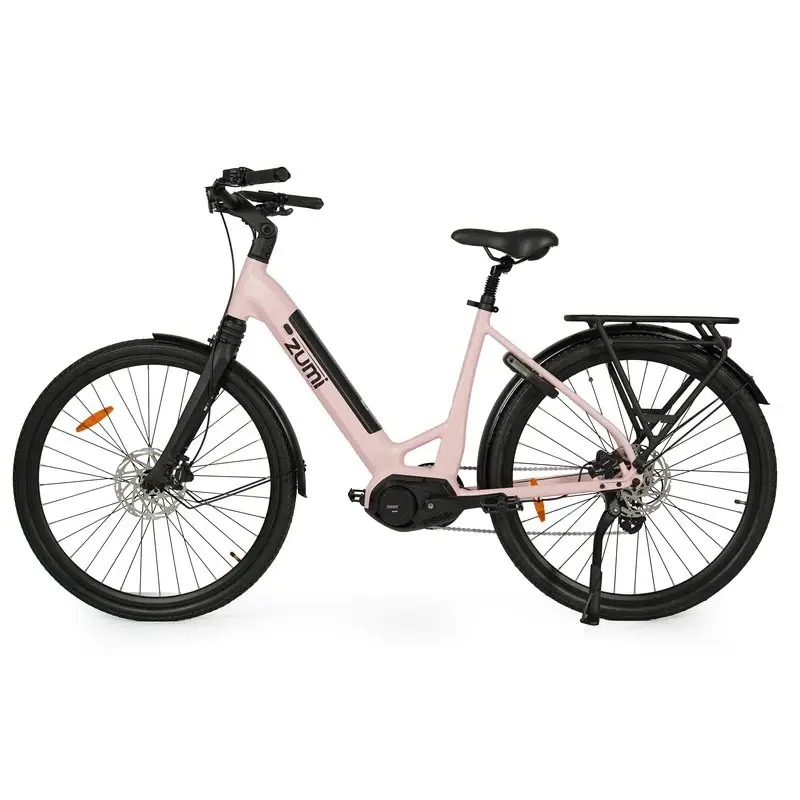
2026/08/03
Avoid liability & import bans: Learn IEC 62619, UN 38.3, and UL 2271—plus how to verify real compliance (not fakes).
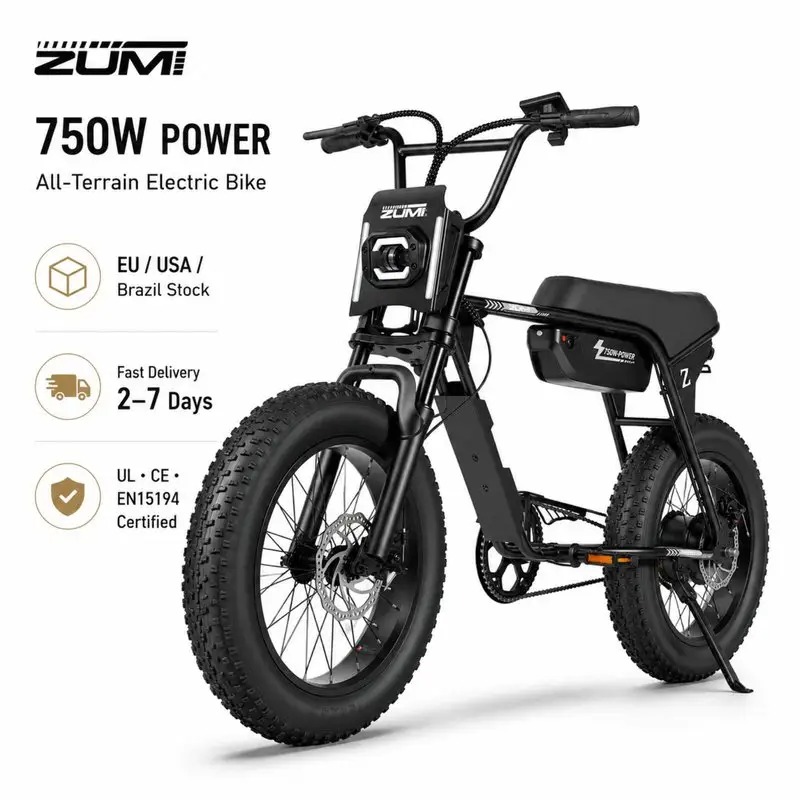
2026/08/03
Learn precise air pressure, rebound & compression tuning for optimal suspension performance. Get pro-level setup tips now.
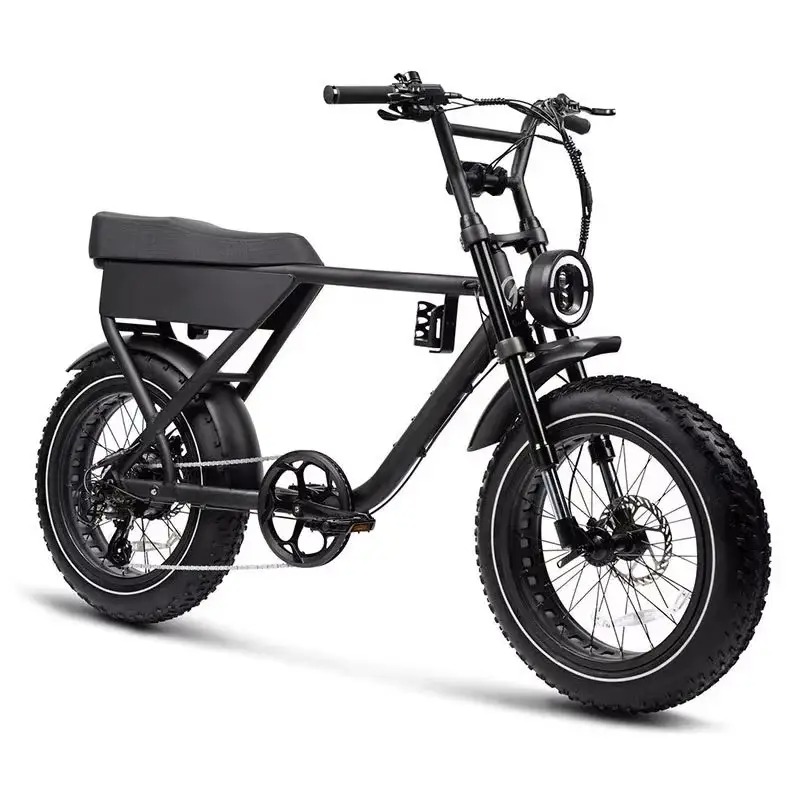
2026/08/03
Discover how voltage drop saps performance—and proven fixes to restore responsiveness, range, and battery life. Read now.
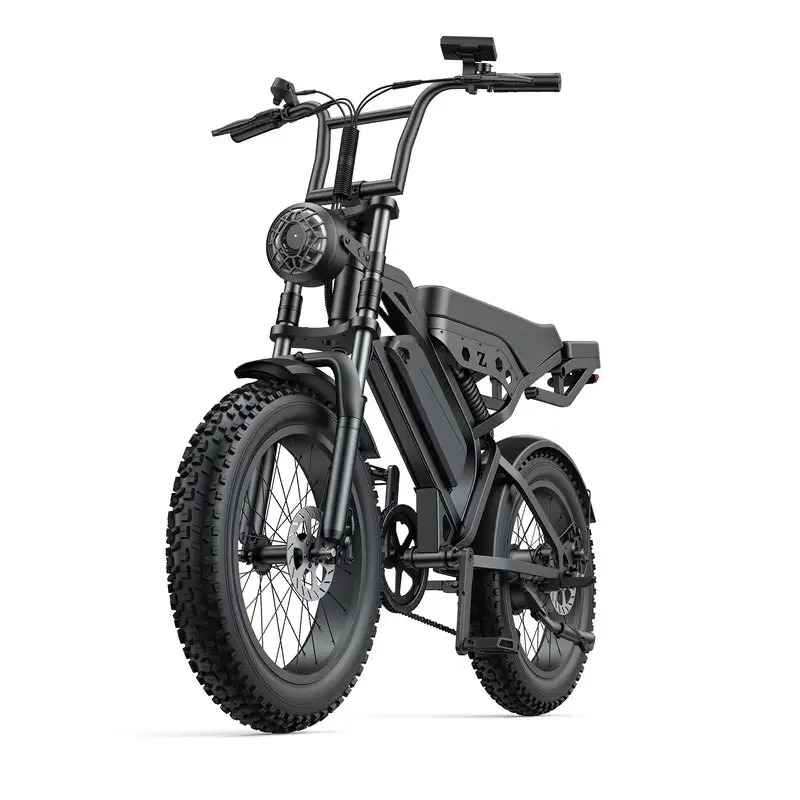
2026/08/03
Discover data-backed protocols, smart infrastructure & operational fixes. Optimize now.
2026/08/03
How payload cuts 48V cargo ebike range by 15–50%+ — backed by real-world degradation curves, motor load science & fleet optimization strategies.
Comprehensive warranty, fast parts shipping, remote diagnostics and local dealer training


