 EN
EN
STEP 1
Full vehicle warranty for 2 years
2026/08/24
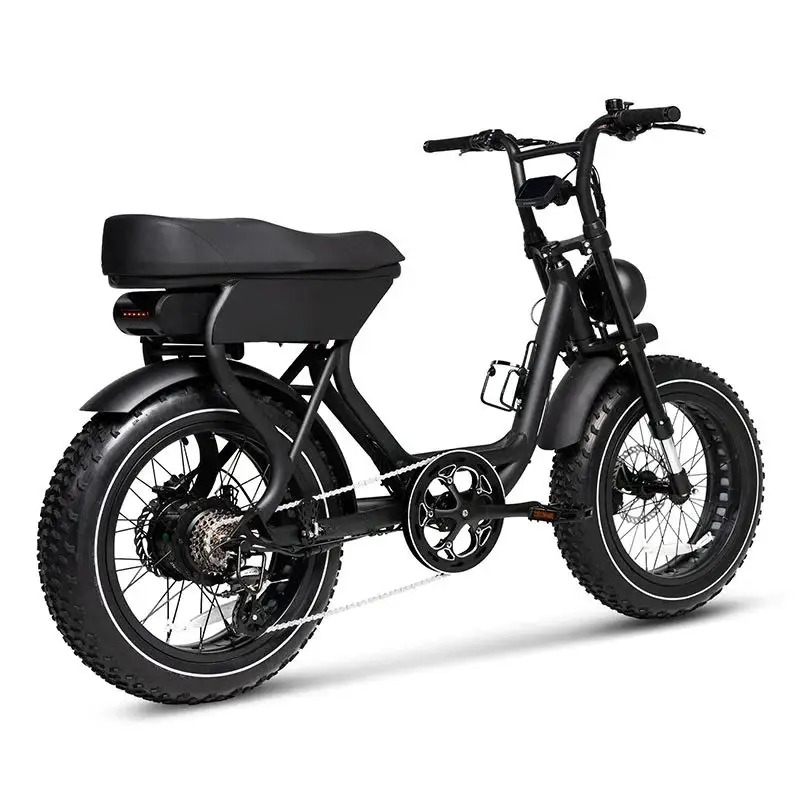
The decision between purchasing assembled wholesale electric bikes and SKD (semi-knocked-down) units directly impacts your supply chain costs, inventory management, and profit margins. Retailers and distributors sourcing wholesale ebikes from manufacturers must understand the significant shipping cost differences between these two distribution methods. Assembled units arrive ready for immediate sale, while SKD wholesale electric bikes arrive partially disassembled, requiring final assembly before retail delivery. This fundamental distinction creates a cascade of cost implications that affect everything from international shipping fees to warehouse operations, ultimately determining which sourcing strategy delivers maximum profitability for your business.
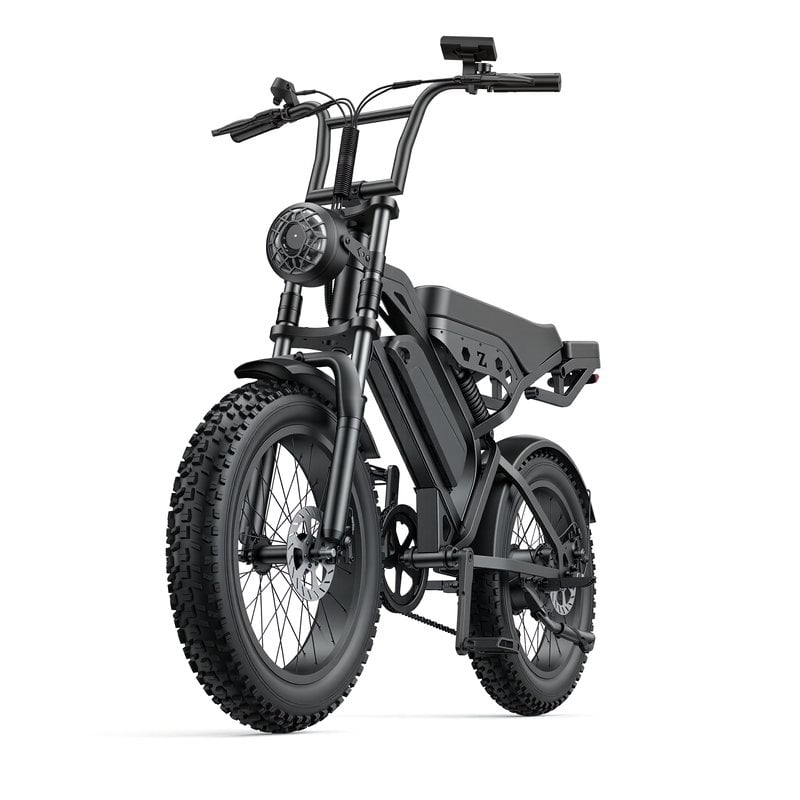
For retailers planning to scale operations with China wholesale electric bikes or wholesale electric bikes for sale across multiple regions, understanding logistics fundamentals becomes essential. Assembled units occupy significantly more cubic space during international transit, directly increasing freight costs through volumetric weight calculations. SKD configurations compress components into smaller packages, reducing dimensional weight and container space requirements. However, SKD units require assembly labor, technical expertise, and warehouse infrastructure upon arrival. Wholesale electric bikes USA importers must weigh these trade-offs carefully, as incorrect decisions can erode margins before products reach customers.
Assembled wholesale ebikes present substantial challenges for international shipping due to their bulky nature. A complete, ready-to-ride electric bike requires significant dimensional space in containers, often exceeding actual weight requirements. Shipping carriers charge based on volumetric weight—the space the product consumes divided by a dimensional factor—rather than actual weight alone. A single assembled wholesale electric bike might occupy 0.8 cubic meters of container space despite weighing only 25–35 kilograms. When shipping full containers, assembled units result in lower product density per container, meaning fewer bikes per twenty-foot equivalent unit (TEU). This inefficiency directly raises per-unit shipping costs, sometimes adding $80–$150 per bike depending on origin port, destination, and current fuel surcharges.
Assembled wholesale electric bikes for sale require complete product documentation, including battery certifications, electrical safety compliance documentation, and regulatory compliance certificates for each destination market. The complexity increases when importing into wholesale electric bikes USA markets, where individual state regulations may impose additional requirements. Customs inspectors often examine assembled units more thoroughly, as they verify final product compliance rather than component specifications. This scrutiny extends processing times and can trigger additional testing fees. Documentation preparation costs remain relatively constant, but inspection delays tied to assembled products cost money through warehouse holding periods and delayed revenue recognition.
SKD wholesale electric bikes from China manufacturers achieve dramatic shipping cost reductions through component separation and intelligent packaging. Frames, wheels, batteries, and electronics ship as distinct items within consolidated boxes, reducing overall dimensional weight by 40–60 percent compared to fully assembled units. A single TEU might accommodate 200–250 SKD wholesale ebikes versus 120–140 assembled units. This density improvement directly translates to lower per-unit ocean freight costs, typically reducing international shipping expenses by $40–$80 per bike. For wholesale electric bikes USA distributors moving significant volumes, this savings compounds rapidly across annual imports, often exceeding $50,000 on modest shipments of 500 units.
SKD wholesale electric bikes enter most markets with reduced regulatory friction because components often classify under different tariff codes than finished products. Battery packs, motors, frames, and electronics may qualify for lower duty rates when imported separately, particularly when assembled final products face higher tariffs. China wholesale electric bikes manufacturers strategically use SKD configuration to optimize duty calculations across multiple jurisdictions. Customs inspections typically focus on component certification rather than demanding complete finished-product compliance testing. Documentation remains simplified, as each component can be verified against its respective specification sheet. This process efficiency means faster customs clearance, reduced warehouse holding costs, and quicker time-to-market for wholesale electric bikes for sale.
While SKD wholesale ebikes reduce shipping costs, assembly labor, workspace, and quality control requirements create offsetting expenses that retailers must carefully evaluate. Each bike requires 2–4 hours of skilled labor for proper assembly, alignment, and safety testing. Warehouse space must accommodate assembly workstations, parts inventory management, and inspection stations. Technical expertise becomes necessary—incorrect assembly creates liability, warranty claims, and potential safety issues. Staff training programs add operational costs and timeline complexity. Retailers lacking existing assembly capabilities face capital investment in jigs, tools, and specialized equipment. These wholesale electric bikes assembly costs sometimes eliminate the shipping savings advantage, particularly for smaller operations or those lacking existing mechanical expertise. Established wholesale electric bikes USA distributors with existing assembly infrastructure gain significant competitive advantage.
Assembled wholesale electric bikes arrive pre-inspected by manufacturers, with quality control conducted before shipment under original warranty terms. Damage during international transit remains primarily the manufacturer's responsibility under FOB or CIF terms. SKD configurations introduce quality risk during assembly phases, as improper assembly voids manufacturer warranties and creates liability shifts to the assembler. Battery alignment, brake calibration, electrical connections, and frame stress points all require precise handling. Quality problems emerging after customer delivery often trace back to assembly errors rather than manufacturing defects, complicating warranty resolution and customer relationships. For wholesale electric bikes for sale in competitive markets, this risk factor sometimes justifies the higher shipping costs associated with assembled units, as they preserve brand reputation and reduce support overhead.
SKD wholesale electric bikes typically reduce ocean freight costs by 40–60 percent through reduced volumetric weight and improved container density. Per-unit shipping savings generally range from $40–$80 depending on origin port, destination, and current fuel surcharges. For wholesale electric bikes USA importers purchasing 500 units monthly, annual savings from SKD configuration can exceed $200,000. However, these savings must be offset against assembly labor costs, facility requirements, and quality control expenses before determining true net savings for any specific operation.
Assembled wholesale electric bikes for sale often face consolidated tariff rates applicable to finished products, typically ranging 10–25 percent depending on destination country and trade agreements. SKD components may qualify for lower tariff rates when classified separately, with batteries, motors, and frames sometimes entering at reduced duty percentages. China wholesale electric bikes manufacturers strategically use SKD configuration to optimize duty calculations, particularly for wholesale electric bikes USA imports where tariff structures vary significantly between finished goods and component classifications. Actual duty savings require detailed tariff analysis specific to destination markets and current trade regulations.
Assembled wholesale ebikes require minimal infrastructure beyond standard warehousing and quality inspection capacity. Retailers simply receive, inspect, package, and ship to end customers without specialized assembly facilities. SKD wholesale electric bikes demand dedicated workspace, assembly jigs, specialized tools, trained technicians, and extended handling processes. For small to mid-size distributors lacking existing assembly capabilities, assembled wholesale electric bikes USA options simplify operations and reduce capital requirements. Established retailers with mechanical expertise and existing assembly infrastructure often achieve superior economics through SKD procurement, as they can leverage fixed assets and skilled labor across high volumes.
2026/08/03
Fix time zones, language gaps, and unclear protocols—boost speed, cut costs, and scale confidently.
2026/08/03
Avoid liability & import bans: Learn IEC 62619, UN 38.3, and UL 2271—plus how to verify real compliance (not fakes).
2026/08/03
Learn precise air pressure, rebound & compression tuning for optimal suspension performance. Get pro-level setup tips now.
2026/08/03
Discover how voltage drop saps performance—and proven fixes to restore responsiveness, range, and battery life. Read now.
2026/08/03
Discover data-backed protocols, smart infrastructure & operational fixes. Optimize now.
2026/08/03
How payload cuts 48V cargo ebike range by 15–50%+ — backed by real-world degradation curves, motor load science & fleet optimization strategies.
Comprehensive warranty, fast parts shipping, remote diagnostics and local dealer training


