 EN
EN
STEP 1
Full vehicle warranty for 2 years
2026/08/24
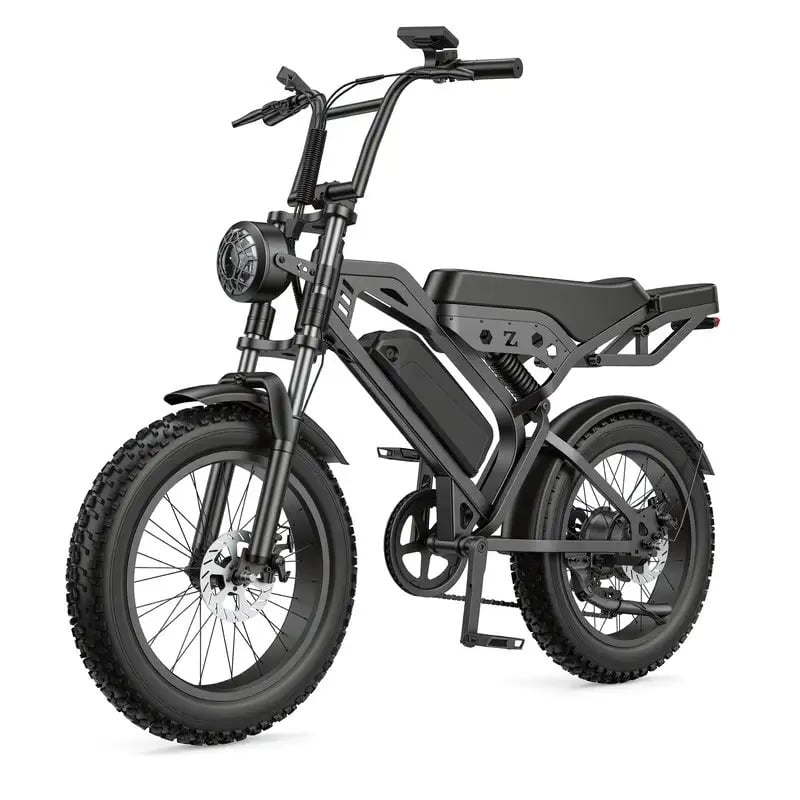
Frame welding consistency represents one of the most critical quality metrics when evaluating wholesale electric bikes. The structural integrity of an e-bike frame directly determines its longevity, rider safety, and overall performance. When purchasing wholesale ebikes in bulk, inconsistent welding practices across units can lead to premature failures, warranty claims, and damage to your business reputation. Understanding how to assess frame welding consistency ensures that every unit meets rigorous durability standards before reaching end customers.
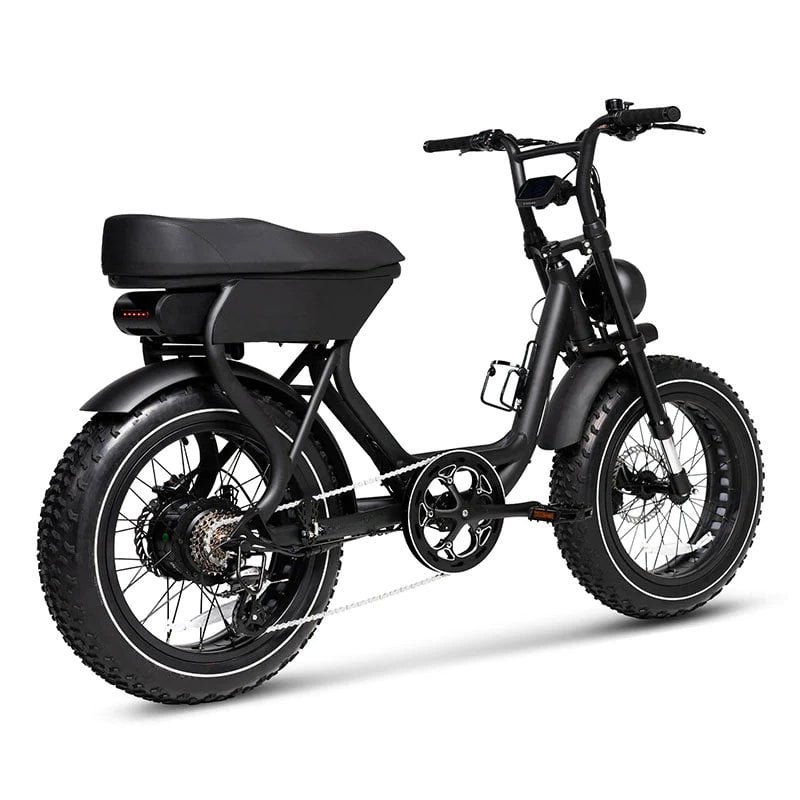
Distributors and retailers sourcing wholesale electric bikes for sale must adopt systematic inspection protocols to identify welding defects early. Inconsistencies such as incomplete penetration, porosity, and cold welds compromise frame strength and can fail catastrophically under rider load. When evaluating wholesale electric bikes, visual inspection combined with structural testing provides confidence that quality standards are being maintained consistently across entire production batches.
Frame welding defects manifest in predictable ways when quality control fails. Porosity occurs when gas becomes trapped in the weld metal, creating tiny voids that weaken structural integrity. Cold welds happen when the base material and filler metal do not fuse properly, resulting in weak joints that separate under stress. Incomplete penetration, where the weld fails to reach the full depth of the joint, represents another frequent issue in wholesale ebikes produced under high-volume manufacturing conditions. Each defect type reduces frame stiffness, increases vibration transmission, and accelerates fatigue failure.
E-bike frames experience continuous cyclic loading from rider weight, acceleration, and terrain impacts. Welding inconsistencies amplify stress concentration at joint locations, dramatically shortening the fatigue life of the frame. A frame with substandard welds may fail within months of customer use, whereas consistent, high-quality welds support multi-year reliability. When sourcing wholesale electric bikes for sale, this durability difference directly translates into customer satisfaction, reduced returns, and lower warranty expenses. Retailers must recognize that investing in quality verification upfront prevents costly problems downstream.
Begin frame evaluation with systematic visual inspection using standardized lighting and magnification. Examine each weld seam for surface cracks, spatter accumulation, porosity pits, and irregular bead profiles. Consistent welds display uniform bead width, smooth transitions, and absence of visible defects. When assessing China wholesale electric bikes or USA wholesale electric bikes batches, document findings photographically and establish baseline standards against which subsequent shipments are compared. This visual process, though non-destructive, catches approximately 70 percent of welding defects and requires no specialized equipment beyond inspection lights and magnification tools.
For wholesale electric bikes requiring higher assurance levels, implement ultrasonic testing or dye penetrant inspection to detect subsurface voids and cracks invisible to the naked eye. Ultrasonic methods transmit sound waves through the weld metal and measure reflections to identify porosity and unbonded areas. Dye penetrant testing uses capillary action to reveal surface and near-surface defects. Bend testing on sacrificial samples from production batches confirms ductility and fusion quality. When evaluating wholesale ebikes from multiple suppliers or production runs, these testing methods quantify consistency objectively and prevent borderline defects from entering inventory. While these methods cost more per unit, they provide measurable data supporting informed purchasing decisions.
Communicate explicit welding specifications to manufacturers before wholesale electric bikes production begins. Define acceptable defect limits, weld penetration depth, bead profile dimensions, and testing methodologies. Request material certifications verifying steel grade and filler metal composition. Specify inspection intervals and documentation requirements for wholesale electric bikes batches. When sourcing China wholesale electric bikes or any international supplier, written agreements clarifying these standards prevent misunderstandings and establish accountability. Monthly audit visits to manufacturing facilities provide direct observation of welding equipment calibration, operator training, and process controls affecting frame quality.
Implement batch tracking systems linking each wholesale ebikes shipment to production dates, facility location, and inspection results. Create digital records documenting visual inspections, test results, and any defects identified. This traceability enables rapid recall and root cause analysis if frame failures occur in the field. When wholesalers receive wholesale electric bikes for sale, these documented records transfer warranty confidence to retailers and end customers. Transparent documentation also demonstrates compliance commitment, builds supplier relationships, and facilitates continuous improvement discussions around welding consistency metrics.
Porosity, cold welds, incomplete penetration, and surface cracks represent the most common defects found in wholesale electric bikes. Porosity results from trapped gas during welding. Cold welds occur when materials fail to fuse properly. Incomplete penetration means welds do not reach full joint depth. These defects directly compromise frame strength and accelerate fatigue failure under rider loading.
Retailers should perform visual inspection with magnification as the first step when receiving wholesale electric bikes shipments. Request supplier documentation including inspection reports and test certifications. Request samples for destructive bend testing if high-volume purchasing justifies the investment. For critical applications or large orders, specify third-party ultrasonic or dye penetrant testing before wholesale ebikes acceptance to confirm consistent quality across the batch.
Welding inconsistencies in wholesale electric bikes directly impact customer satisfaction, warranty claims, and business reputation. Frames with substandard welds fail prematurely, triggering returns and negative reviews that damage market positioning. Consistent, high-quality welds ensure multi-year reliability, reduce warranty expenses, and build customer trust. For retailers purchasing wholesale electric bikes in large quantities, quality consistency transforms into competitive advantage and long-term profitability.
2026/08/03
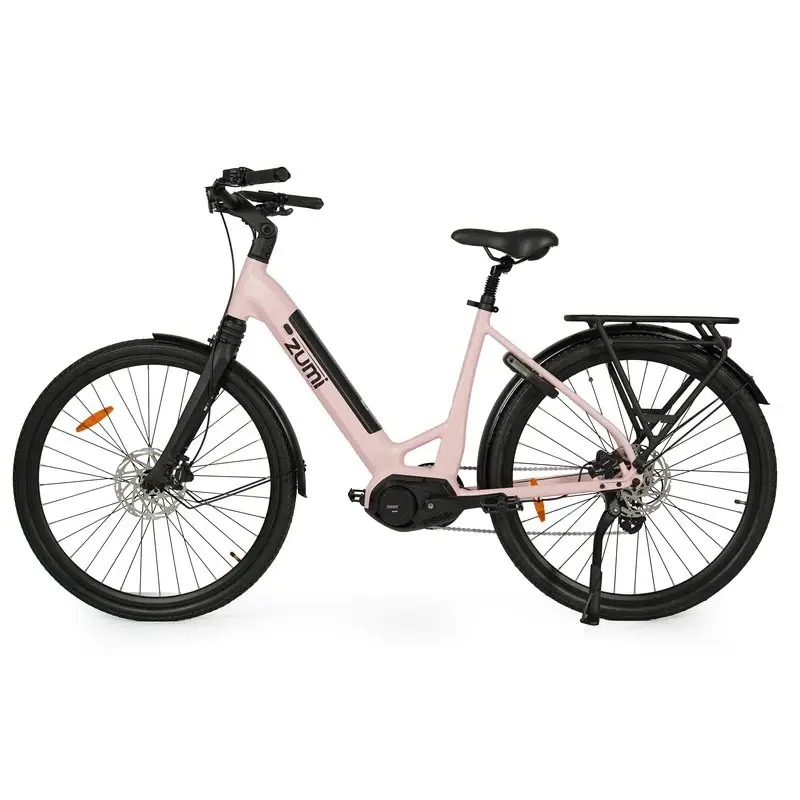
Fix time zones, language gaps, and unclear protocols—boost speed, cut costs, and scale confidently.
2026/08/03
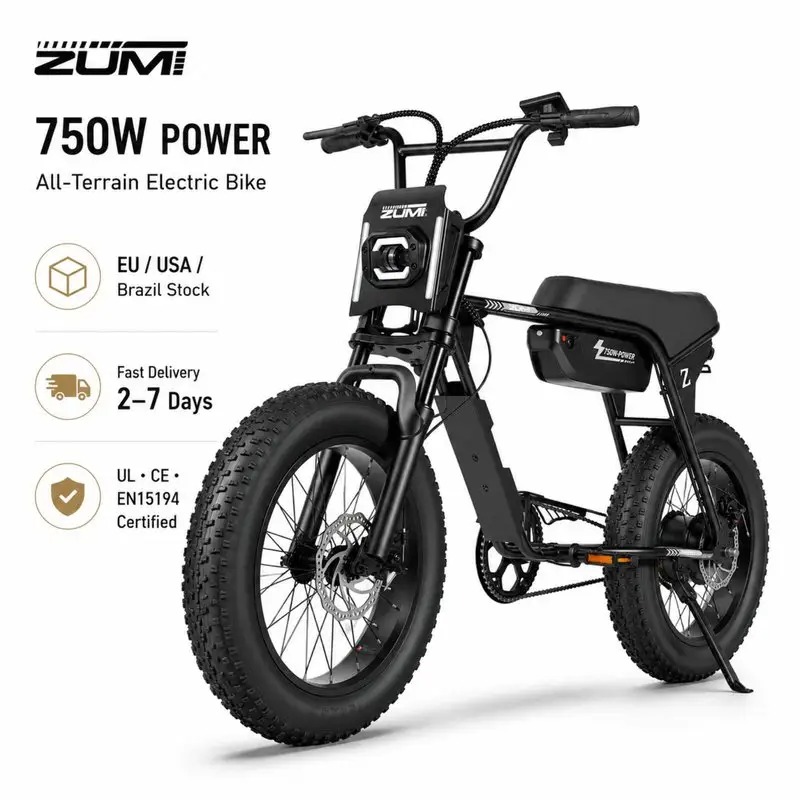
Avoid liability & import bans: Learn IEC 62619, UN 38.3, and UL 2271—plus how to verify real compliance (not fakes).
2026/08/03
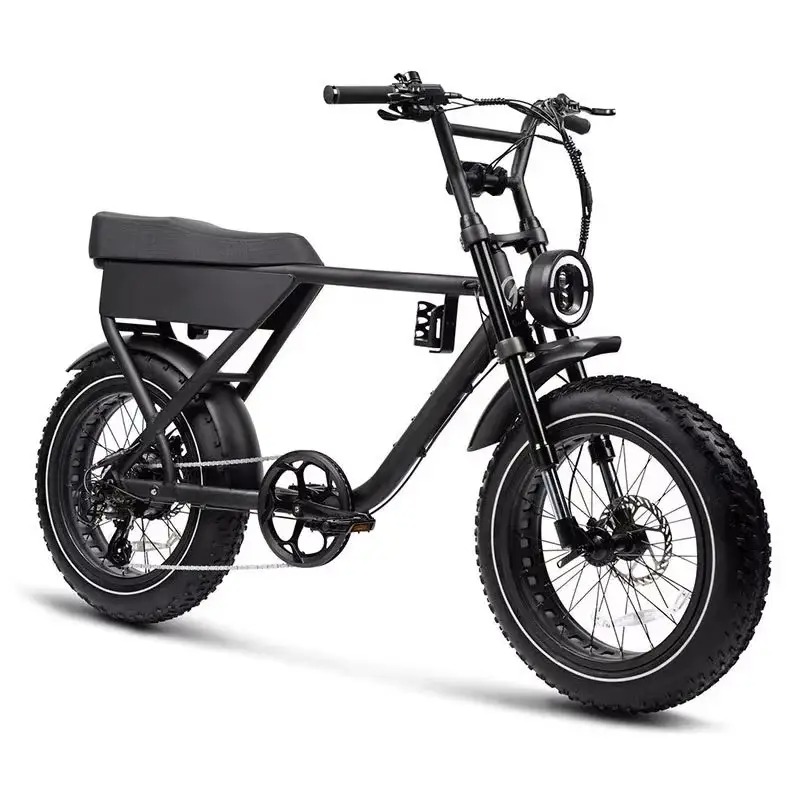
Learn precise air pressure, rebound & compression tuning for optimal suspension performance. Get pro-level setup tips now.
2026/08/03
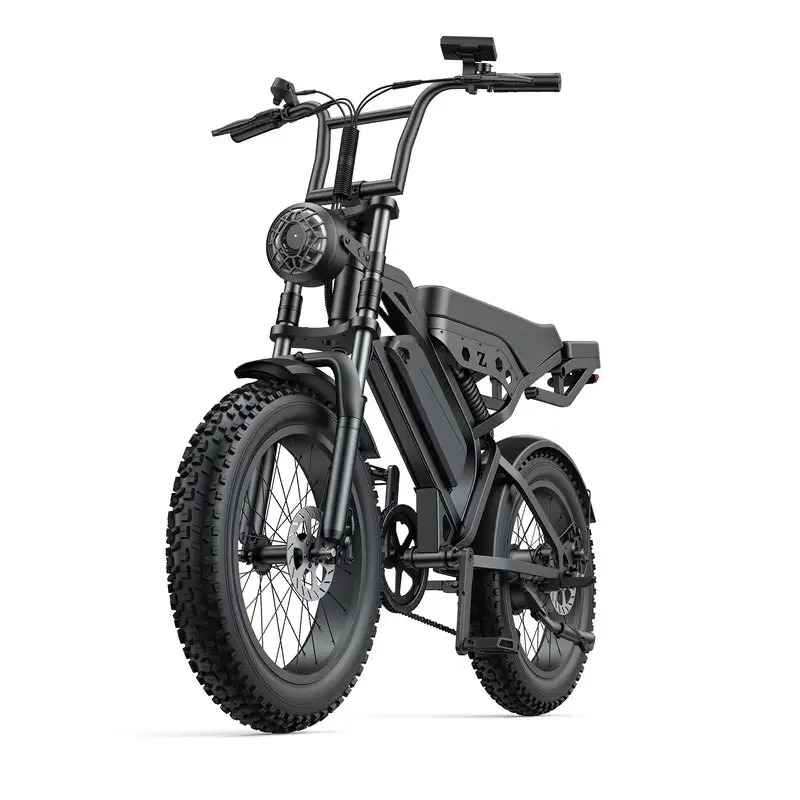
Discover how voltage drop saps performance—and proven fixes to restore responsiveness, range, and battery life. Read now.
2026/08/03
Discover data-backed protocols, smart infrastructure & operational fixes. Optimize now.
2026/08/03
How payload cuts 48V cargo ebike range by 15–50%+ — backed by real-world degradation curves, motor load science & fleet optimization strategies.
Comprehensive warranty, fast parts shipping, remote diagnostics and local dealer training


