 EN
EN
STEP 1
Full vehicle warranty for 2 years
2026/08/28
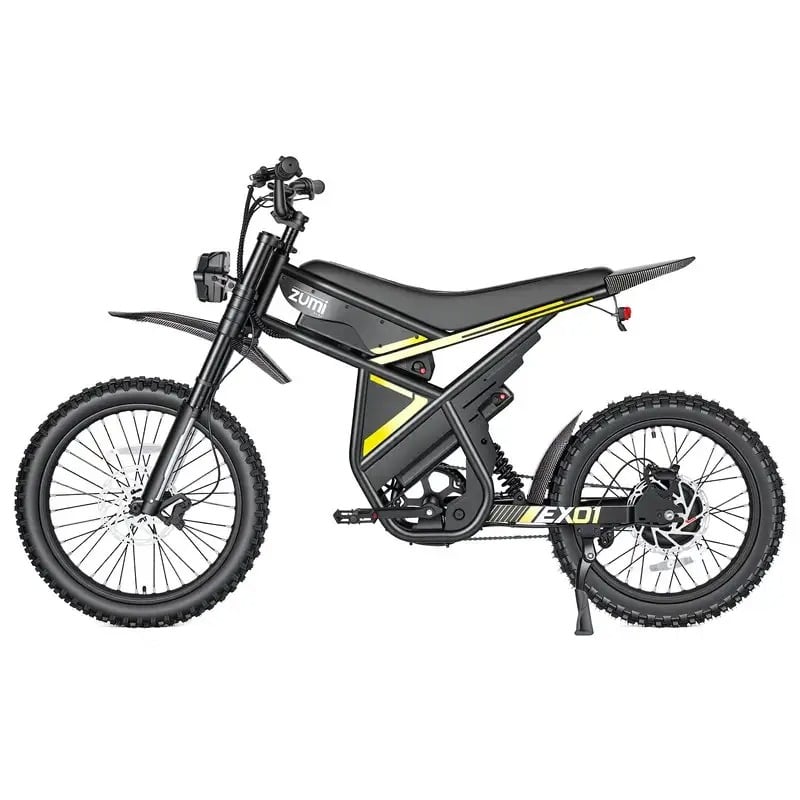
Selecting a reliable fat tire ebike supplier requires careful evaluation of their quality control protocols. In the competitive electric bike wholesale market, suppliers differ significantly in manufacturing standards, testing rigor, and commitment to product reliability. Understanding how to assess these quality frameworks is essential for distributors, retailers, and OEM partners who depend on consistent product performance. This guide explores the critical quality control elements that distinguish industry-leading suppliers from those with inconsistent standards.
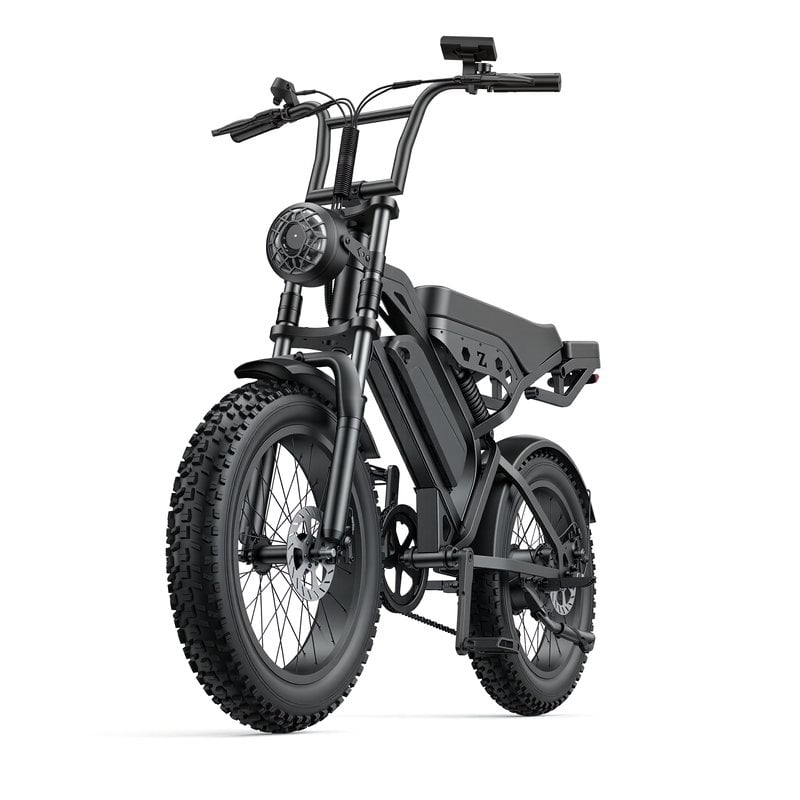
A fat tire ebike supplier's quality control system directly impacts your business reputation, customer satisfaction, and long-term profitability. Weak protocols result in warranty claims, product recalls, and damaged customer relationships. Conversely, suppliers with robust quality frameworks deliver reliable bikes that build brand loyalty and reduce costly returns. By learning what to look for in a fat tire ebike supplier's quality operations, you can make informed sourcing decisions that protect your investment and support sustainable growth in the electric bike wholesale channel.
A credible fat tire ebike supplier implements systematic manufacturing process controls at every production stage. This includes component sourcing verification, where raw materials and electrical parts are tested before assembly. The supplier should maintain detailed traceability records linking finished bikes to their component batches, enabling rapid response if issues emerge. Reputable ebike suppliers operate manufacturing facilities with documented standard operating procedures, employee training programs, and in-line quality checkpoints. These controls prevent defects from reaching customers and demonstrate operational maturity.
Quality control testing for a fat tire ebike encompasses electrical, mechanical, and safety validation. Electrical testing includes battery management system verification, motor performance benchmarking, and charging system safety checks. Mechanical testing covers frame integrity, brake responsiveness, suspension function, and wheel alignment. A professional ebike supplier conducts range testing under controlled conditions to verify battery capacity and performance consistency. Safety testing may include headlight illumination, brake stopping distance, and electromagnetic emissions compliance. These comprehensive protocols ensure that each electric bike wholesale unit meets or exceeds declared specifications before shipping.
Leading fat tire ebike suppliers hold third-party certifications such as CE, UL, or FCC depending on target markets. These certifications demonstrate that the supplier's quality systems meet recognized international standards. A fat tire ebike supplier should provide certificates of compliance for each product model and maintain current accreditations with authorized testing bodies. Documentation should include technical datasheets, safety certifications, environmental compliance records, and warranty terms. When evaluating an ebike supplier, request copies of these certifications and verify their authenticity through issuing organizations. Comprehensive documentation protects both the supplier and customer by establishing clear quality benchmarks.
A mature fat tire ebike supplier maintains detailed quality assurance records including production batch reports, test results, and corrective action logs. These records demonstrate that quality issues are tracked, investigated, and resolved systematically. The supplier should track defect rates by product line, component, and failure mode to identify improvement opportunities. Quality metrics such as first-pass yield and warranty claim rates provide transparency into actual performance. When assessing an electric bike wholesale partner, review their commitment to continuous improvement and their willingness to share quality performance data. This transparency indicates accountability and process maturity.
A reliable fat tire ebike supplier maintains qualified supplier relationships for critical components such as motors, batteries, and controllers. The supplier should conduct periodic audits of component manufacturers to ensure consistent quality. Traceability systems link each finished bike to its component batch, enabling targeted recalls if contaminated or defective parts are identified. A professional ebike supplier maintains safety stock of critical components to prevent supply disruptions that compromise quality or delivery timelines. Documentation should show supplier approval processes, incoming inspection procedures, and performance monitoring systems that ensure component reliability.
Large production runs from a fat tire ebike supplier should include batch-level testing where representative samples undergo accelerated stress testing or extended validation. Batch numbers printed on frames and documentation enable rapid identification of affected units if quality issues emerge post-sale. A robust electric bike wholesale supplier can quickly correlate customer complaints with production batches and supply chain sources. This traceability supports efficient corrective actions, targeted communications, and legal protection. Request information about the supplier's batch tracking system and their ability to implement rapid responses to quality issues.
Start by requesting third-party certifications such as CE, UL, or FCC compliance for product models you plan to order. Ask for production quality metrics including defect rates, warranty claim percentages, and test result samples. Request facility tours or video documentation of manufacturing and testing areas to verify that published procedures are actually implemented. Contact existing customers for references about reliability and post-sale support. These initial steps quickly reveal whether the fat tire ebike supplier operates professional quality systems.
Request detailed test reports for product samples you receive, including specific test parameters and pass/fail results. Ask the supplier to explain their testing methodology and equipment used. Conduct independent third-party testing on samples to validate supplier claims. Review their laboratory certifications and calibration records for testing equipment. A transparent electric bike wholesale supplier welcomes this verification and can provide documentation supporting their quality claims. Conversely, suppliers who avoid transparency or claim competitive restrictions prevent disclosure likely lack rigorous quality systems.
Warning signs include reluctance to share certifications or test results, vague descriptions of quality procedures, high warranty claim rates from other customers, and inability to trace products to manufacturing batches. Suppliers who lack documented procedures, skip component verification, or avoid facility inspections typically operate informal quality systems prone to failures. A fat tire ebike supplier who pressures you to order without quality discussion or rushes evaluation likely prioritizes volume over reliability. Customer complaints about inconsistent performance across units from the same production run indicate inadequate batch testing and process control.
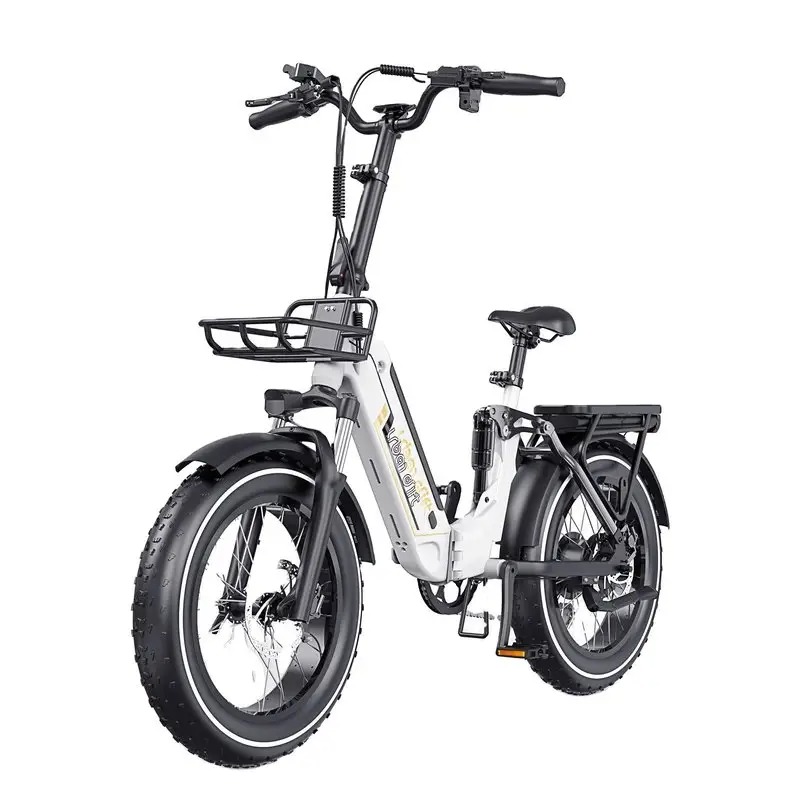
2026/08/03
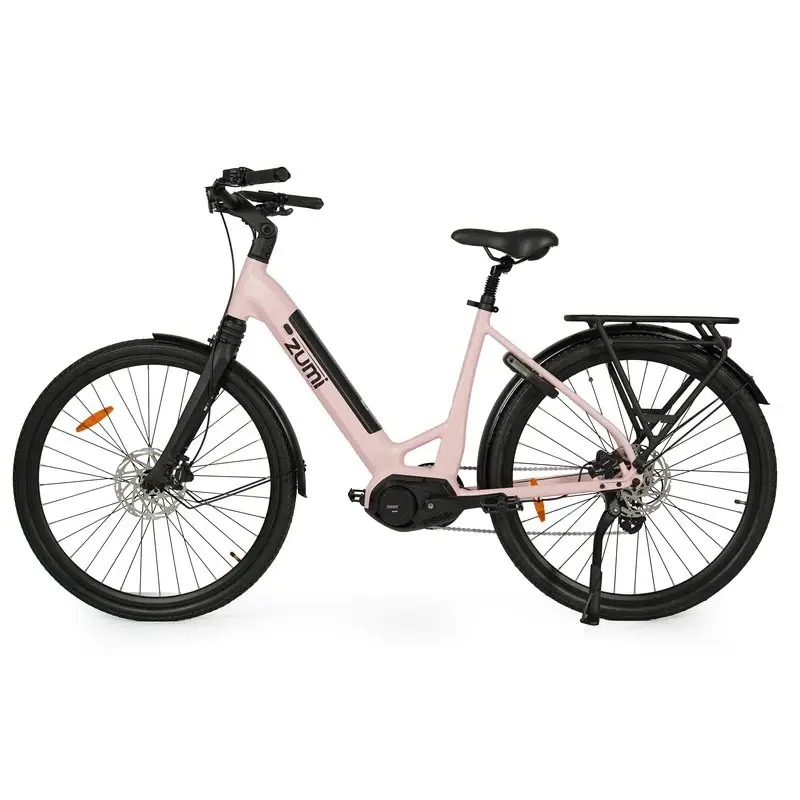
Fix time zones, language gaps, and unclear protocols—boost speed, cut costs, and scale confidently.
2026/08/03
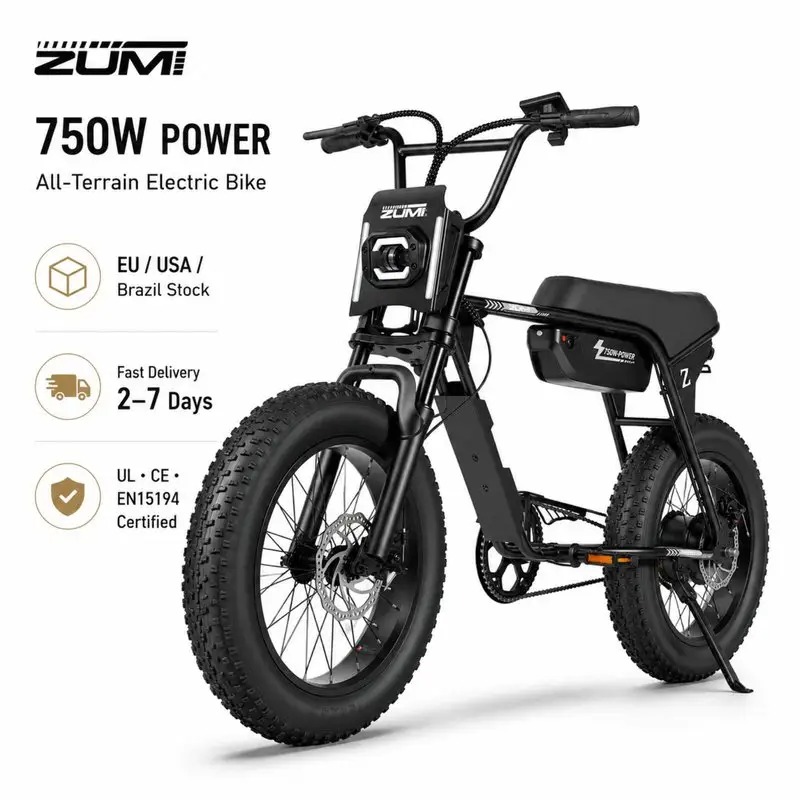
Avoid liability & import bans: Learn IEC 62619, UN 38.3, and UL 2271—plus how to verify real compliance (not fakes).
2026/08/03
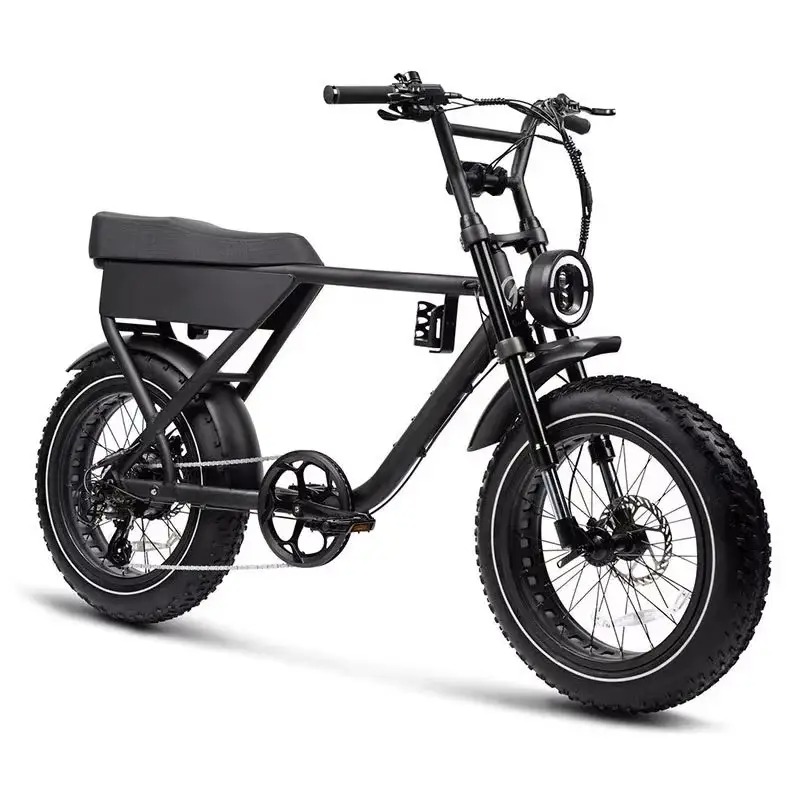
Learn precise air pressure, rebound & compression tuning for optimal suspension performance. Get pro-level setup tips now.
2026/08/03
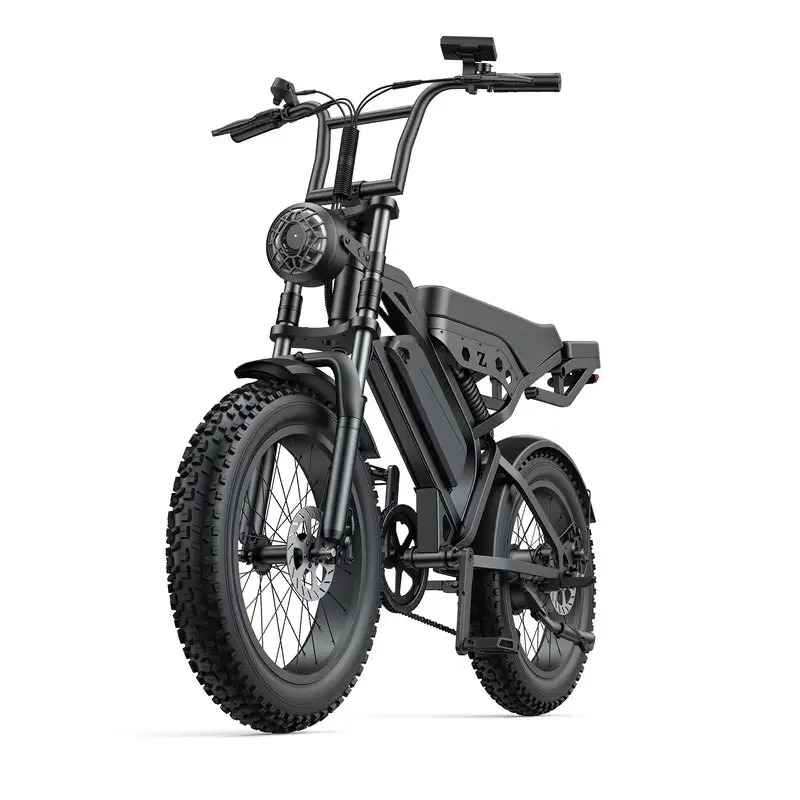
Discover how voltage drop saps performance—and proven fixes to restore responsiveness, range, and battery life. Read now.
2026/08/03
Discover data-backed protocols, smart infrastructure & operational fixes. Optimize now.
2026/08/03
How payload cuts 48V cargo ebike range by 15–50%+ — backed by real-world degradation curves, motor load science & fleet optimization strategies.
Comprehensive warranty, fast parts shipping, remote diagnostics and local dealer training


