 EN
EN
STEP 1
Full vehicle warranty for 2 years
2026/08/24
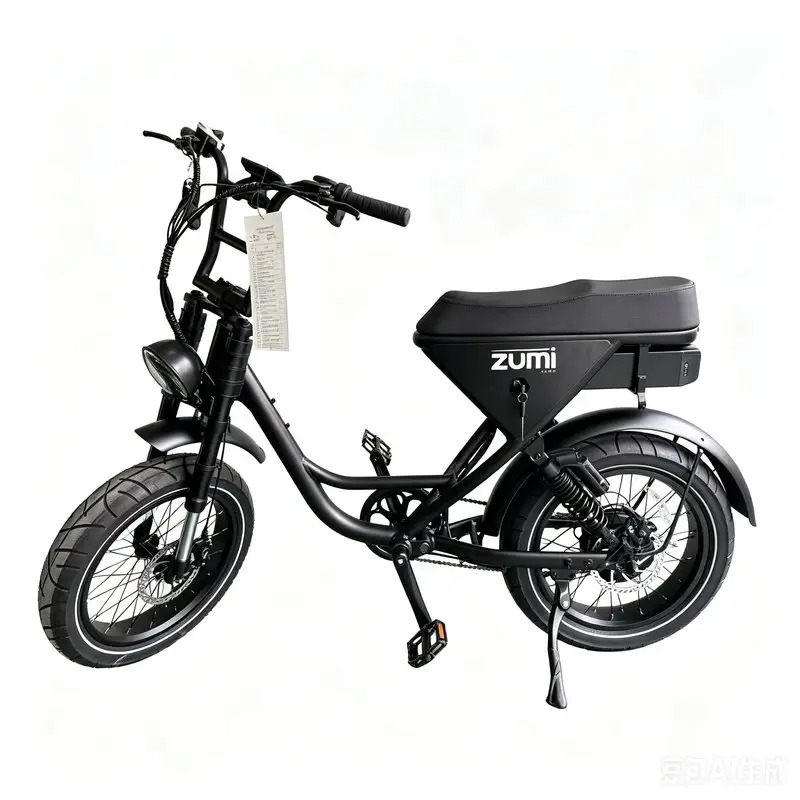
Establishing a successful distribution network for wholesale electric bikes requires far more than simply connecting buyers with inventory. Dealers and distributors need comprehensive training to understand product specifications, customer needs, technical troubleshooting, and sales strategies. A well-designed training program transforms your wholesale ebikes sales force into knowledgeable partners who can confidently represent your brand and drive consistent revenue growth in a rapidly expanding market.
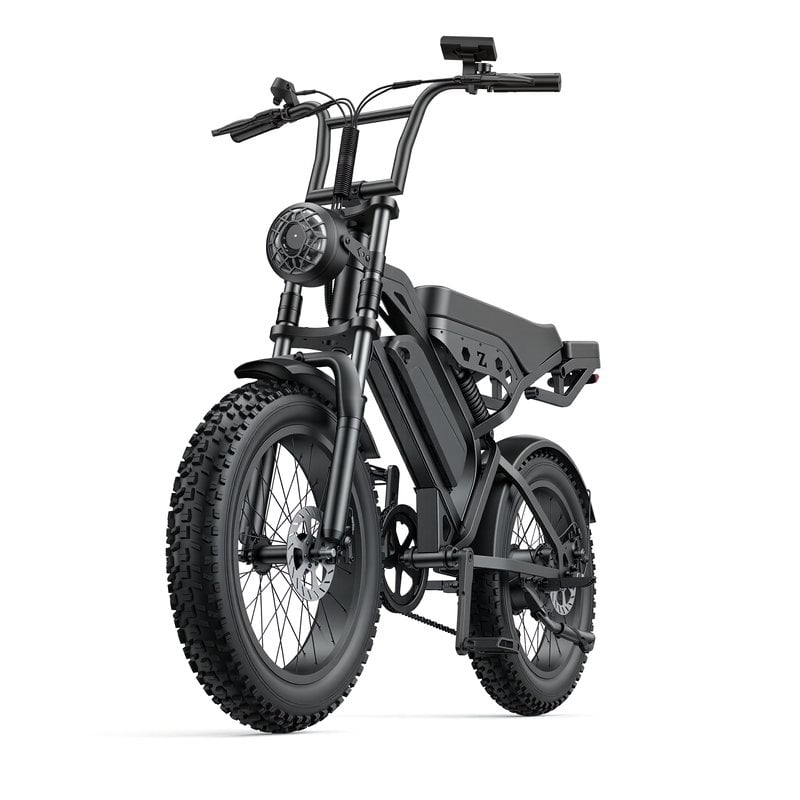
The wholesale ebikes market continues to expand globally, with growing demand from urban commuters, recreational riders, and commercial fleet operators. However, dealers often lack the technical depth and sales framework needed to maximize their potential. Structured training programs bridge this gap by equipping dealers with product knowledge, competitive positioning, customer service skills, and support resources that lead to higher margins and customer satisfaction.
Dealers handling wholesale electric bikes for sale must understand motor types, battery capacity, range calculations, and charging systems. Training should cover wattage classifications, torque delivery, acceleration profiles, and how these factors influence different riding scenarios. Trainees learn to explain the distinction between hub-drive and mid-drive systems, discuss voltage and amp-hour specifications, and help customers select models matching their intended use. Knowledge of wheel sizes, tire types, braking systems, and suspension options enables dealers to position specific models effectively and address customer concerns with confidence.
Understanding what differentiates your wholesale electric bikes USA offerings from competitors is essential. Training programs should highlight design innovations, durability features, warranty coverage, and after-sale support. Dealers learn to communicate value propositions clearly, justify pricing relative to alternatives, and build customer loyalty through expert guidance. Familiarity with global sourcing, including knowledge of China wholesale electric bikes quality standards and production capabilities, helps dealers explain cost efficiency and manufacturing transparency to clients.
Effective wholesale ebikes dealers must master discovery conversations that reveal customer priorities, budget constraints, and use-case requirements. Training teaches dealers to ask targeted questions about commute distance, terrain type, payload capacity, weather exposure, and aesthetic preferences. By mapping customer needs to product features, dealers recommend appropriate models and build trust through consultative selling rather than generic pitches. This approach increases conversion rates, reduces returns, and creates repeat customers who recommend the dealer to others.
Training programs establish clear communication channels, inventory management expectations, and support protocols between distributors and retail dealers. Participants learn how to manage stock levels, forecast seasonal demand, coordinate marketing efforts, and handle customer escalations. Regular feedback loops, performance metrics, and incentive structures keep dealer networks aligned with company objectives. Structured training also covers best practices for cooperating on promotional campaigns, managing online and offline sales channels, and maintaining brand consistency across all touchpoints in the wholesale electric bikes marketplace.
Dealers distributing wholesale ebikes must know basic maintenance procedures, common issues, and warranty coverage details. Training covers battery care, motor maintenance intervals, tire pressure optimization, brake adjustment, and electrical diagnostics. Dealers learn to diagnose problems during customer interactions, determine whether issues fall under warranty, and either resolve them locally or escalate to manufacturer support. This expertise reduces customer frustration, builds dealer credibility, and ensures warranty claims are processed smoothly without disputes or delays.
Comprehensive training establishes service level expectations that differentiate dealers in the wholesale electric bikes market. Programs cover response time standards for customer inquiries, troubleshooting protocols, replacement procedures for defective components, and documentation requirements. Dealers learn to maintain parts inventory, coordinate with logistics partners for repairs and returns, and use tracking systems to provide transparency to customers. Superior after-sales support transforms wholesale electric bikes for sale into a loyalty driver, encouraging customers to return for upgrades, accessories, and referrals.
Modern wholesale ebikes training incorporates digital platforms that help dealers manage inventory, process orders, access product information, and track performance metrics. Training programs teach dealers to use dealer portals, customer relationship management systems, email marketing platforms, and social media tools. Dealers learn how to create engaging product content, handle online inquiries, and convert digital leads into sales. Integration of virtual product demonstrations, webinars, and remote technical support extends the dealer's capability beyond physical showroom boundaries.
Training includes guidance on co-marketing initiatives, advertising best practices, and lead generation strategies for wholesale electric bikes USA retailers. Dealers learn to craft compelling product descriptions, use high-quality photography, optimize for search visibility, and build email subscriber lists. Programs teach dealers how to leverage manufacturer-provided marketing assets, create localized campaigns, and measure campaign effectiveness through metrics like click-through rates and conversion percentages. Aligned marketing efforts amplify brand presence and help dealers achieve their sales targets across the wholesale electric bikes landscape.
Effective training covers technical product knowledge, sales methodologies, customer service protocols, maintenance and troubleshooting procedures, warranty management, digital tools, and co-marketing support. The program should align with dealer experience levels, include hands-on demonstrations, provide ongoing resources, and establish clear success metrics. Ongoing reinforcement through webinars, newsletters, and performance coaching ensures dealers remain current as products evolve and market conditions change.
Training increases dealer confidence, reduces knowledge gaps, and enables consultative selling that converts leads into customers. Well-trained dealers better understand customer needs, recommend appropriate models, handle objections effectively, and provide superior after-sales support. These capabilities directly drive higher average transaction values, increased customer satisfaction scores, lower return rates, and stronger repeat business, ultimately improving profitability across the wholesale electric bikes channel.
Yes, dealers importing or distributing wholesale electric bikes from China benefit significantly from structured training that covers manufacturing standards, quality control processes, supply chain logistics, and communication protocols with overseas suppliers. Training builds dealer understanding of Chinese production capabilities, cost structures, lead times, and import regulations, enabling more effective relationship management and risk mitigation. This knowledge also helps dealers communicate authenticity and quality assurance to end customers, differentiating Chinese-sourced products effectively in competitive markets.
2026/08/03
Fix time zones, language gaps, and unclear protocols—boost speed, cut costs, and scale confidently.
2026/08/03
Avoid liability & import bans: Learn IEC 62619, UN 38.3, and UL 2271—plus how to verify real compliance (not fakes).
2026/08/03
Learn precise air pressure, rebound & compression tuning for optimal suspension performance. Get pro-level setup tips now.
2026/08/03
Discover how voltage drop saps performance—and proven fixes to restore responsiveness, range, and battery life. Read now.
2026/08/03
Discover data-backed protocols, smart infrastructure & operational fixes. Optimize now.
2026/08/03
How payload cuts 48V cargo ebike range by 15–50%+ — backed by real-world degradation curves, motor load science & fleet optimization strategies.
Comprehensive warranty, fast parts shipping, remote diagnostics and local dealer training


