 EN
EN

STEP 1
Full vehicle warranty for 2 years
2026/08/12
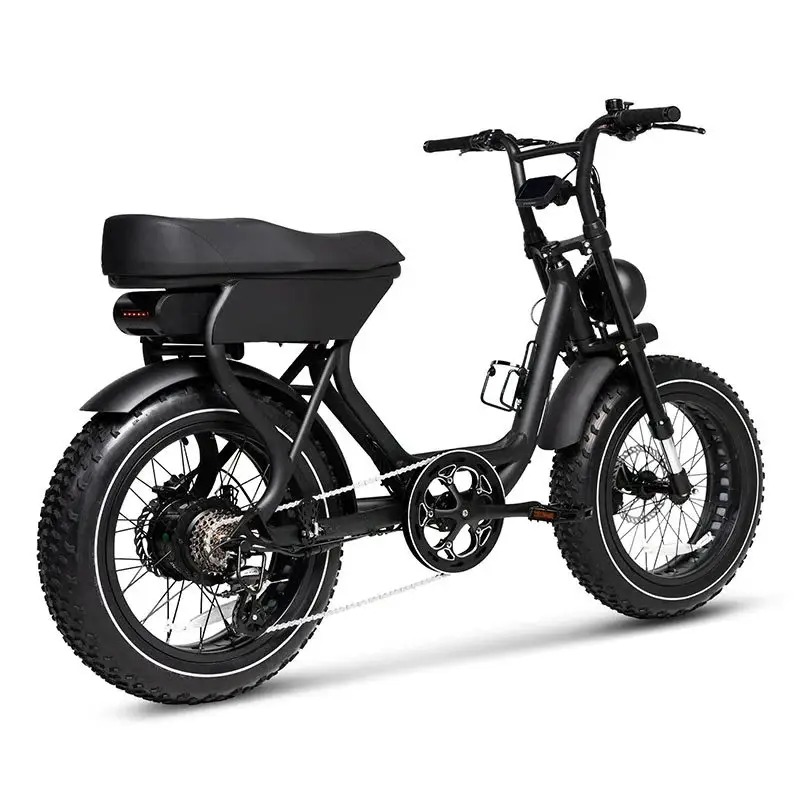
Battery integration represents one of the most critical innovations shaping today's electric city bike market. Modern urban commuters demand seamless performance, lightweight design, and reliable range without sacrificing the aesthetic appeal of their ride. The way manufacturers integrate battery systems directly impacts not only the functionality of an electric city bike but also its overall weight distribution, handling characteristics, and long-term durability. Contemporary electric bikes for city riding have evolved dramatically from early prototypes, with battery placement and design now serving as a cornerstone of engineering excellence.
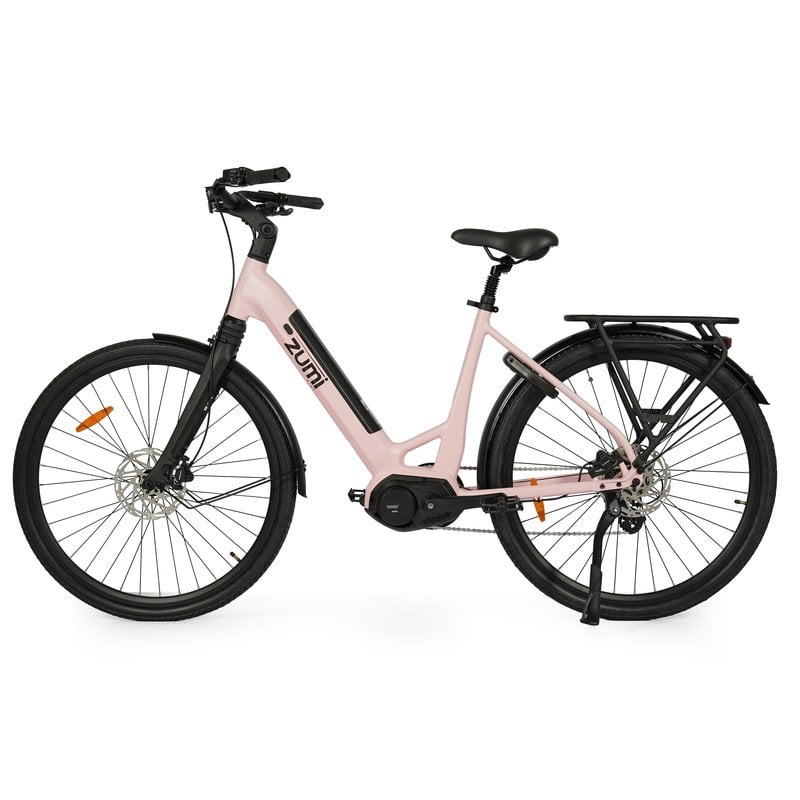
The integration of batteries into a city cruiser electric bike involves far more than simply attaching a power source to an existing frame. Today's best urban commuting e bike designs prioritize hidden battery placement, optimized weight distribution, and thermal management. Engineers must balance capacity requirements with frame rigidity, user comfort, and visual design harmony. Understanding how modern ebike city bike systems achieve these goals reveals why premium electric bikes command higher market value and deliver superior user experiences for daily commuting.
The most sophisticated electric bikes for city riding now feature batteries integrated directly into the frame's central tube structure. This positioning achieves multiple benefits simultaneously: it maintains a low center of gravity, preserves the traditional bicycle silhouette, and simplifies cable routing through the frame. A city cruiser electric bike with center-tube battery integration feels remarkably like a conventional bicycle while delivering electric assistance exactly when needed. This approach requires precision engineering during frame manufacturing but rewards riders with superior handling and aesthetic continuity.
Alternative integration strategies position batteries within the downtube or as part of modular rear-rack systems. The downtube configuration maximizes battery capacity while maintaining frame aesthetics, making it ideal for urban commuting e bike applications requiring extended range. Modular rear-rack batteries offer flexibility and easy removal for charging indoors, appealing to apartment dwellers and frequent travelers. Each approach presents distinct advantages depending on rider preferences, commute distance, and lifestyle factors. The urban commuting e bike market has responded by offering multiple integration options, allowing customers to select solutions matching their specific needs.
Modern electric city bike batteries utilize lithium-ion chemistry, offering superior energy density and lifespan compared to earlier technologies. Integrated battery management systems continuously monitor charge state, temperature, and cell balance to maximize longevity and safety. A quality city cruiser electric bike incorporates advanced monitoring that extends battery life to five or more years with proper maintenance. The ebike city bike control systems now communicate wirelessly with smartphone apps, providing real-time diagnostics and allowing riders to optimize power consumption patterns. This technological sophistication transforms the electric city bike from a simple powered transport into an intelligent commuting companion.
The integration between battery capacity, motor power rating, and controller programming determines the overall performance envelope of an urban commuting e bike. Engineers calibrate these components to deliver responsive acceleration, smooth mid-ride transitions, and reliable hill-climbing capability. An electric bikes for city riding system must balance aggressive power delivery for quick starts with conservative consumption patterns to preserve range during longer commutes. The most refined city cruiser electric bike models feature adaptive algorithms that learn rider behavior and adjust assistance levels automatically, maximizing range while maintaining enjoyable performance dynamics.
Battery thermal management has become essential as electric city bike systems deliver higher power outputs and face diverse environmental conditions. Modern ebike city bike designs incorporate passive cooling strategies through strategic placement and active thermal regulation using sensor-driven monitoring. Urban commuting e bike batteries must function reliably in extreme heat or cold, rain, and heavy use scenarios that characterize city riding. Manufacturers now engineer integrated cooling passages and protective housings that maintain optimal operating temperatures while extending battery lifespan significantly. A well-designed city cruiser electric bike manages thermal stress proactively, preventing the performance degradation common in earlier generations.
The battery integration innovations in modern electric bikes for city riding prioritize robust weather sealing and mechanical protection. Advanced epoxy potting, sealed connectors, and reinforced housings ensure that an electric city bike battery withstands daily urban exposure without degradation. The ebike city bike enclosures now meet stringent IP ratings, guaranteeing protection against water ingress, salt spray, and particulate contamination. Urban commuting e bike riders benefit from five-year warranties that reflect manufacturer confidence in these integration designs. Quality battery integration represents the difference between a city cruiser electric bike that thrives for years and one that requires premature replacement.
Battery positioning in an electric city bike determines weight distribution and center of gravity, directly influencing handling characteristics. When integrated into the frame's center tube, batteries maintain the natural feel of a conventional bike while slightly lowering the center of mass, improving stability. Urban commuting e bike designers position batteries to balance responsiveness during turns with stability on straight routes. A city cruiser electric bike with optimal battery placement feels inherently stable without requiring conscious rider adjustment, making commuting safer and more enjoyable.
Modern lithium-ion batteries in electric city bike systems typically last between 1,000 and 3,000 full charge cycles, translating to five to ten years of typical commuting use. An ebike city bike battery's actual lifespan depends on charging habits, temperature exposure, and usage patterns. The urban commuting e bike industry now guarantees battery capacity retention at eighty percent after a specified cycle count, with premium city cruiser electric bike batteries exceeding these minimum standards significantly. Proper maintenance, moderate temperature storage, and avoiding complete discharge cycles extend battery longevity considerably.
Yes, advanced battery integration directly reduces the environmental impact of electric bikes for city riding through improved efficiency and extended lifespan. When an electric city bike delivers consistent performance across thousands of charge cycles, it displaces more conventional vehicle trips, offsetting its manufacturing carbon footprint. The ebike city bike industry's shift toward integrated, repairable designs and recyclable materials further enhances sustainability. A city cruiser electric bike represents one of the most environmentally responsible urban commuting e bike solutions available, particularly when battery integration maximizes efficiency and durability over the product's entire lifecycle.
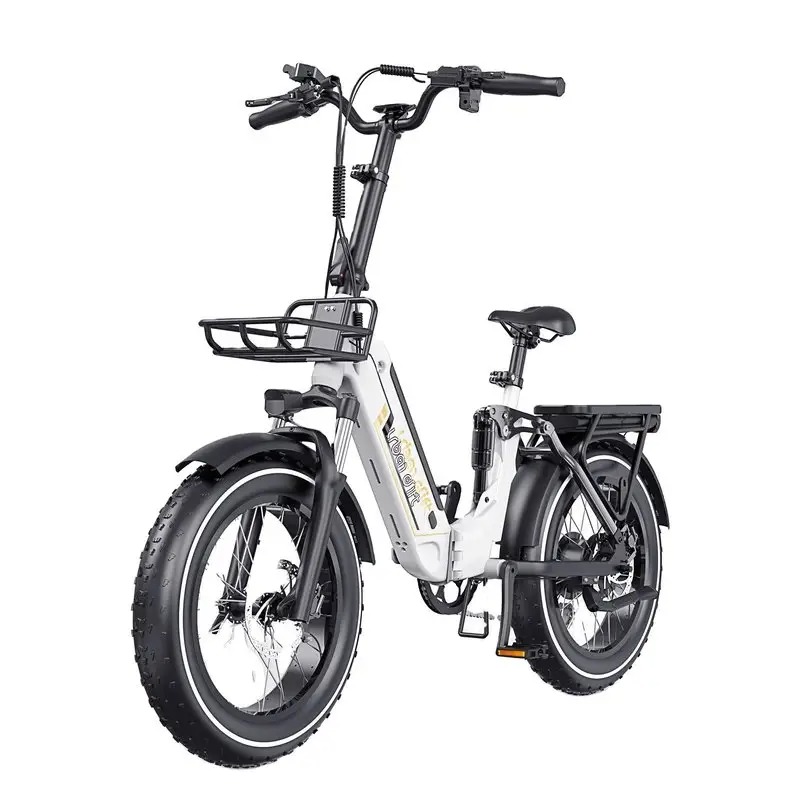
2026/08/03
Fix time zones, language gaps, and unclear protocols—boost speed, cut costs, and scale confidently.
2026/08/03
Avoid liability & import bans: Learn IEC 62619, UN 38.3, and UL 2271—plus how to verify real compliance (not fakes).
2026/08/03
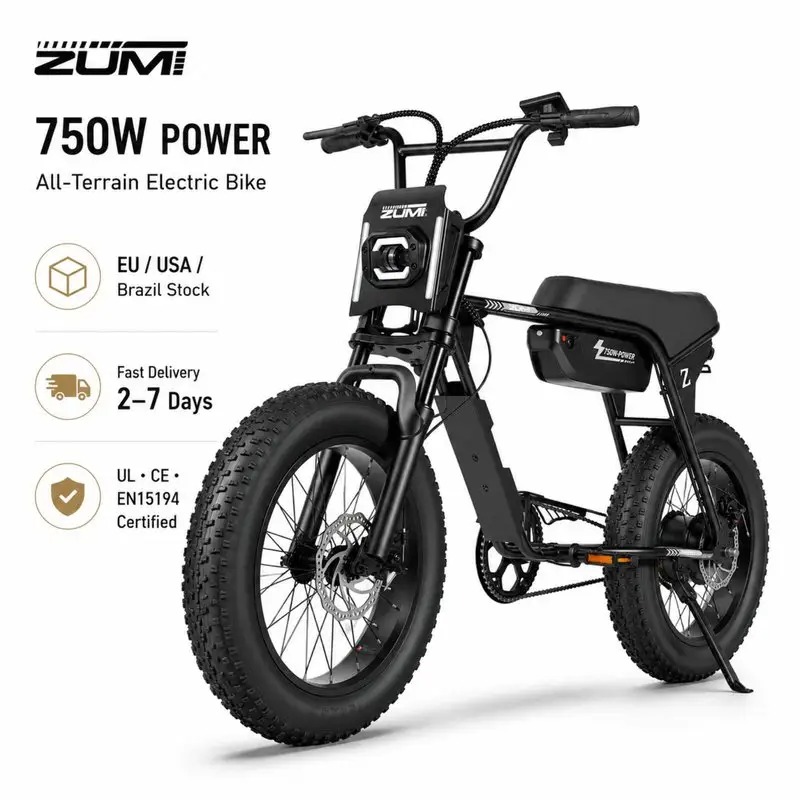
Learn precise air pressure, rebound & compression tuning for optimal suspension performance. Get pro-level setup tips now.
2026/08/03
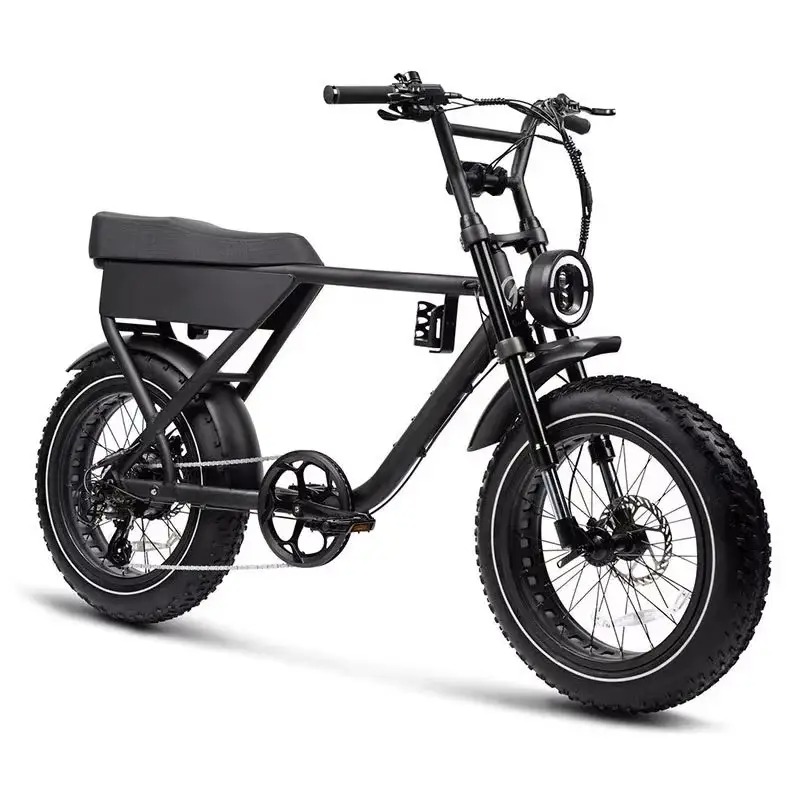
Discover how voltage drop saps performance—and proven fixes to restore responsiveness, range, and battery life. Read now.
2026/08/03
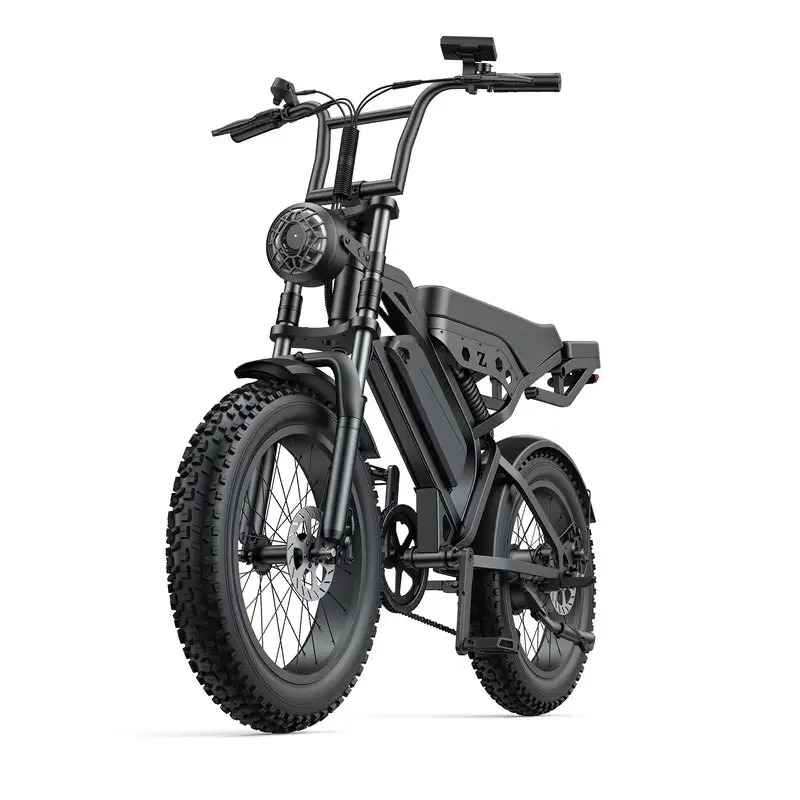
Discover data-backed protocols, smart infrastructure & operational fixes. Optimize now.
2026/08/03
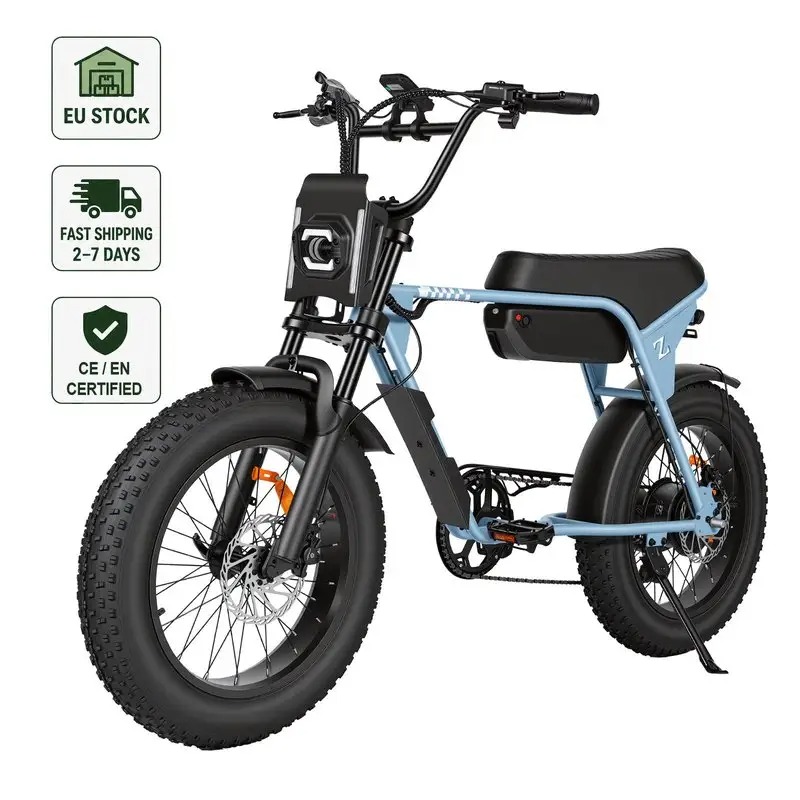
How payload cuts 48V cargo ebike range by 15–50%+ — backed by real-world degradation curves, motor load science & fleet optimization strategies.
Comprehensive warranty, fast parts shipping, remote diagnostics and local dealer training


