 EN
EN
STEP 1
Full vehicle warranty for 2 years
2025/07/15
The global electric bike market was valued at over USD 57 billion in 2025 and continues to grow at a rate that is drawing new entrants — retailers, importers, rental operators, and investment groups — into the private-label space. The logic is straightforward: if you are already selling electric bikes, building your own brand gives you better margins, more control over specifications, and a product story you can own.
But private-label electric bike development is only viable if you have a manufacturing partner capable of handling the process end to end. That means engineering capability, compliance knowledge, production flexibility, and enough communication bandwidth to work with an overseas customer through multiple development cycles. Most factories can handle the production side. Far fewer can handle the full process from concept to certified, market-ready electric bike.
ZUMIBIKE has been supporting OEM and ODM customers since the early days of the brand. The company works with electric bike brands, importers, distributors, rental operators, and start-up businesses across multiple markets. This article walks through what the process actually looks like — from initial brief to production delivery.
The customization scope on a ZUMIBIKE OEM or ODM electric bike is broader than most first-time buyers expect. It is not just about putting your logo on a stock product. It covers brand identity, visual design, performance configuration, and market-specific compliance — in whatever combination your project requires.
Brand and appearance customization includes logo placement on the frame, battery pack, display unit, packaging, and manuals. Frame color can be developed to match your brand palette or market preference — ZUMIBIKE's automated painting line supports custom color matching across production runs. Packaging design covers cartons, protective inserts, printed manuals, and accessory kits.
Performance configuration covers motor selection (250W for EU-compliant builds, 500W to 1000W for open-market and North American builds), battery voltage and capacity, controller and display pairing, drivetrain specification (single-speed, seven-speed, or other configurations), brake system (mechanical disc or hydraulic disc), suspension setup (rigid fork, front suspension, or full suspension depending on the model base), lighting, saddle, and rack.
Market-specific development includes selecting specifications that meet the compliance requirements of your target market — EN15194 for the EU, UL2849 and UL2271 for North America, or other relevant standards — and structuring the product to hit a specific retail price point or channel margin requirement.
One of the most common misconceptions about OEM electric bike development is that it takes six months or more. The reality at ZUMIBIKE is considerably faster for standard configurations and proven base models.
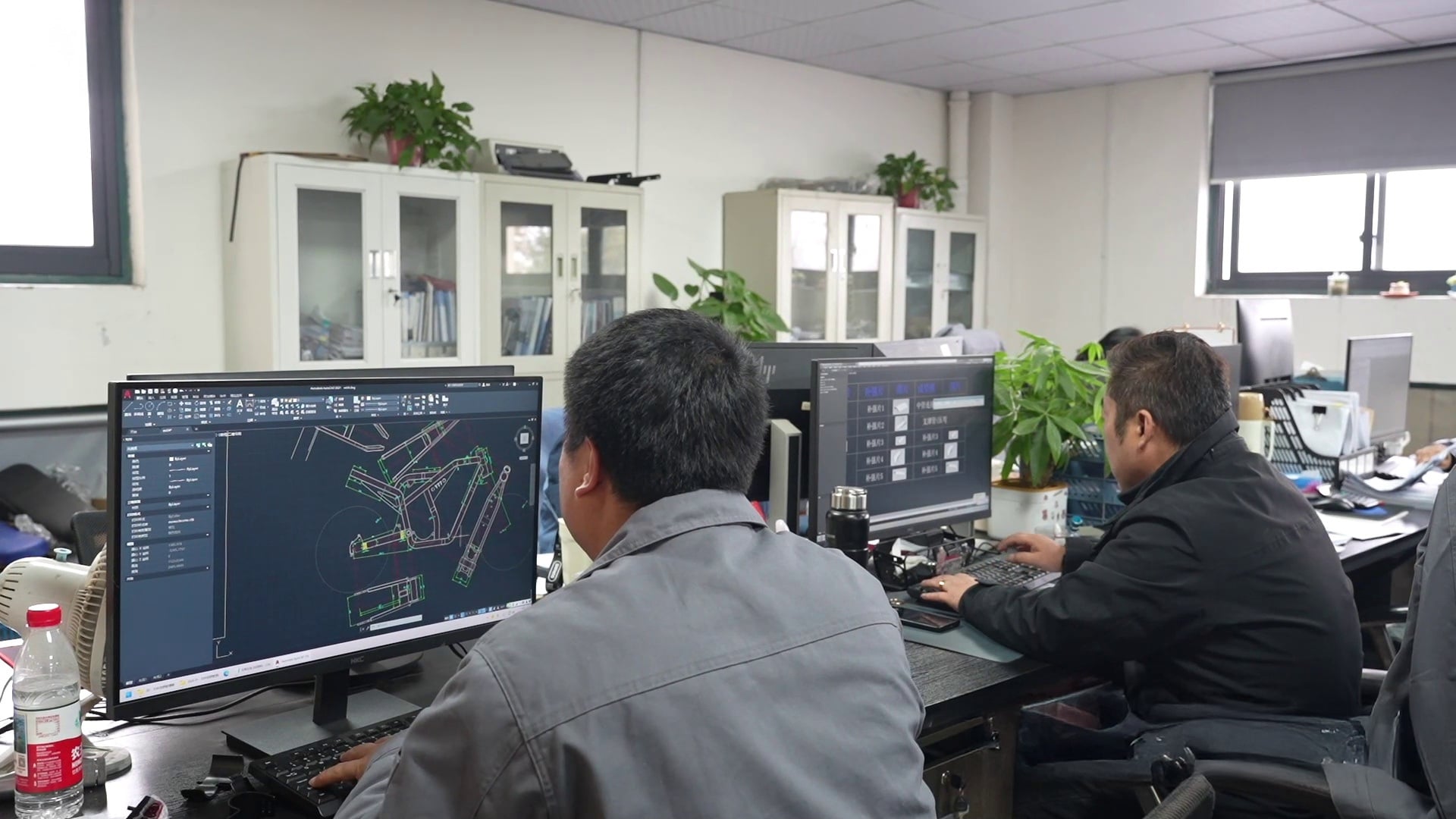
The process begins with a requirement communication session: target market, rider profile, performance expectations, compliance needs, budget range, and any existing brand guidelines. The ZUMIBIKE engineering and sales team reviews this input and prepares a technical proposal covering recommended base models, component options, customization scope, timeline, and pricing.
For projects based on existing ZUMIBIKE platforms, initial technical drawings can be ready within seven days. Sample production and testing typically completes within 15 days for configurations that do not require new tooling or structural modifications. For entirely new frame structures or exclusive configurations, the timeline extends accordingly — but the five-stage manufacturing process remains the same.
After sample approval, mass production scheduling follows. Lead times depend on order volume and current production capacity, but ZUMIBIKE's 300,000-unit annual capacity means it rarely faces the multi-month backlogs that affect smaller factories during peak season.
Quality in OEM electric bike production starts with the factory infrastructure. ZUMIBIKE's 20,000 m2 Hangzhou facility is organized for both volume and customization flexibility. CNC frame processing, professional welding stations, T4 and T6 heat treatment, automated painting, and multi-station assembly are all operated in-house — which means quality control does not depend on third-party subcontractors for the critical production steps.
The R&D team of 50-plus engineers supports the technical side of OEM and ODM development: structural analysis, component compatibility checks, compliance documentation, and ongoing product refinement as market feedback comes in. The patent portfolio of 200-plus registered patents (120-plus exterior design patents and 80-plus utility model patents) reflects years of investment in original product development rather than commodity copying.
For OEM customers concerned about IP protection: ZUMIBIKE treats custom designs, color specifications, and packaging artwork as confidential commercial information. Non-disclosure agreements are standard practice for OEM development projects.
Whether you are starting from a detailed product brief or exploring the possibilities with a general budget and market profile, the ZUMIBIKE OEM team can structure a development path that matches your situation. Existing samples can be requested for evaluation before committing to a development budget.
Contact the team at [email protected] or via WhatsApp at +86 180 7278 3688 with your project overview. The team will come back with a technical proposal, sample timeline, and pricing structure typically within 48 hours. Building a private-label electric bike brand takes time — but the first conversation does not have to.
2026/08/03
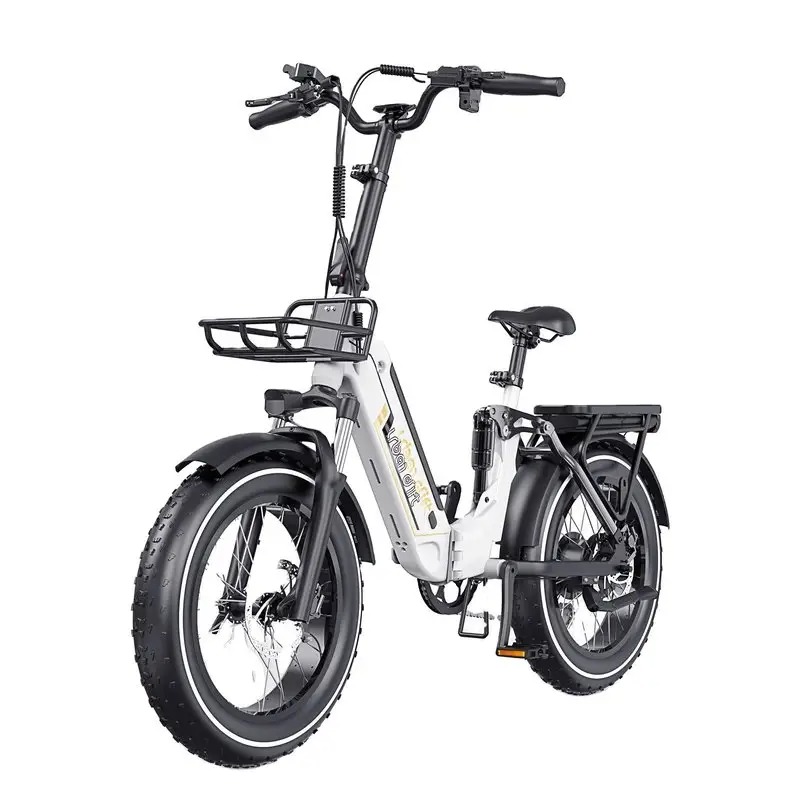
Fix time zones, language gaps, and unclear protocols—boost speed, cut costs, and scale confidently.
2026/08/03
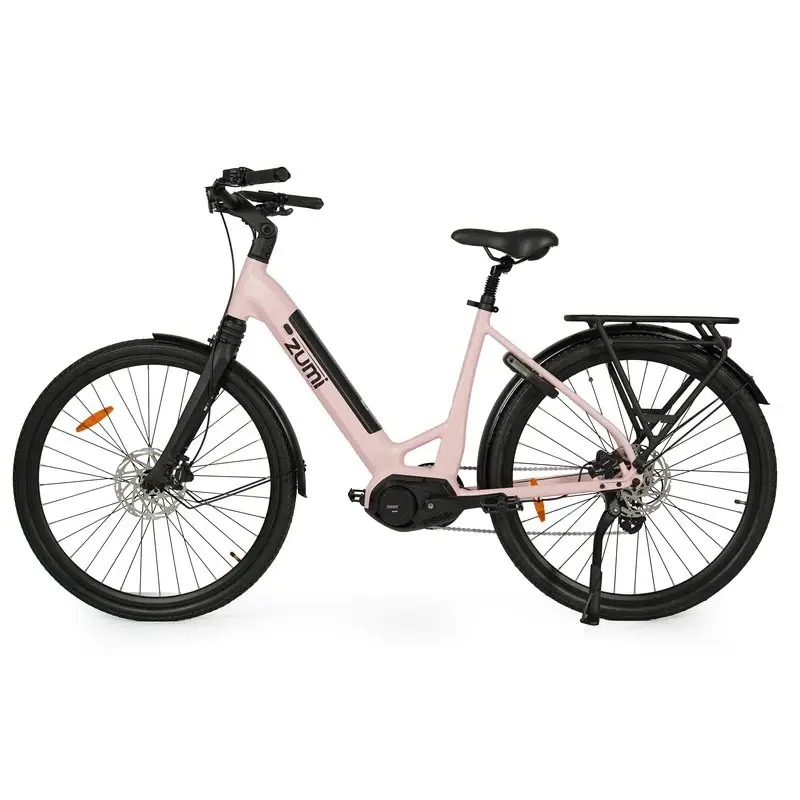
Avoid liability & import bans: Learn IEC 62619, UN 38.3, and UL 2271—plus how to verify real compliance (not fakes).
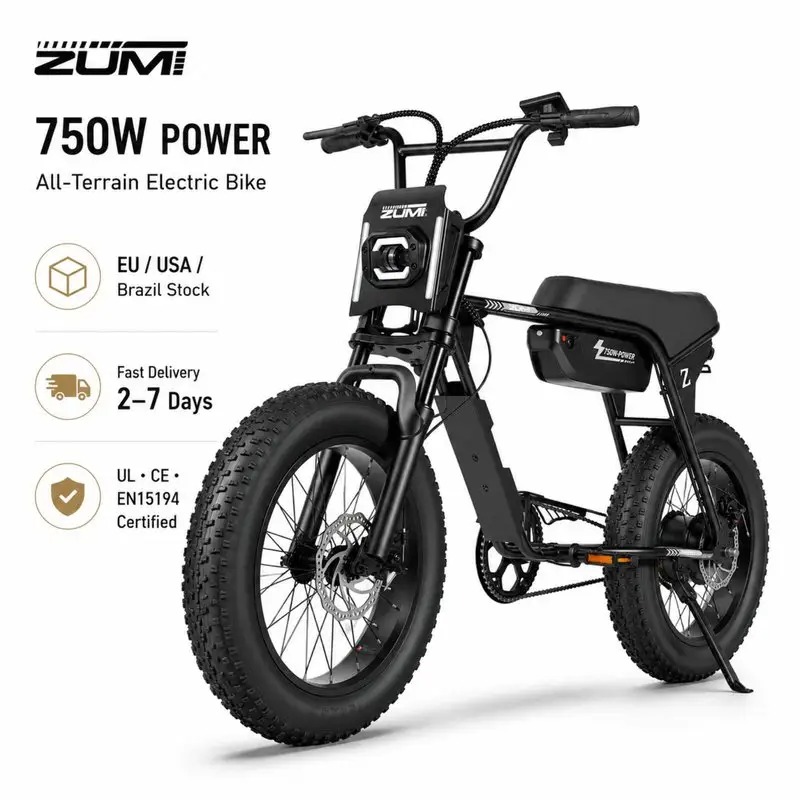
2026/08/03
Learn precise air pressure, rebound & compression tuning for optimal suspension performance. Get pro-level setup tips now.
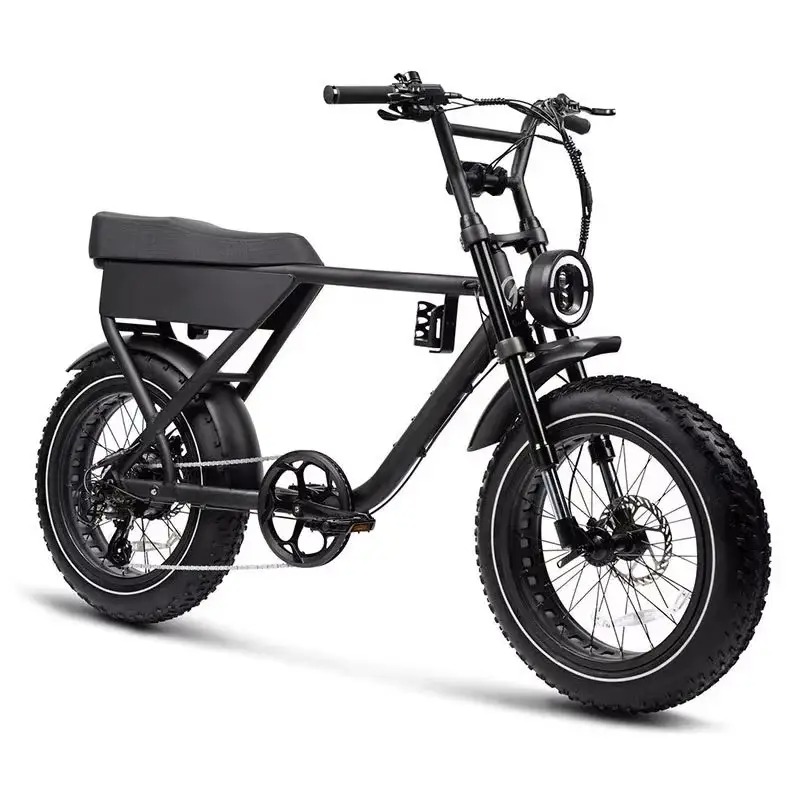
2026/08/03
Discover how voltage drop saps performance—and proven fixes to restore responsiveness, range, and battery life. Read now.
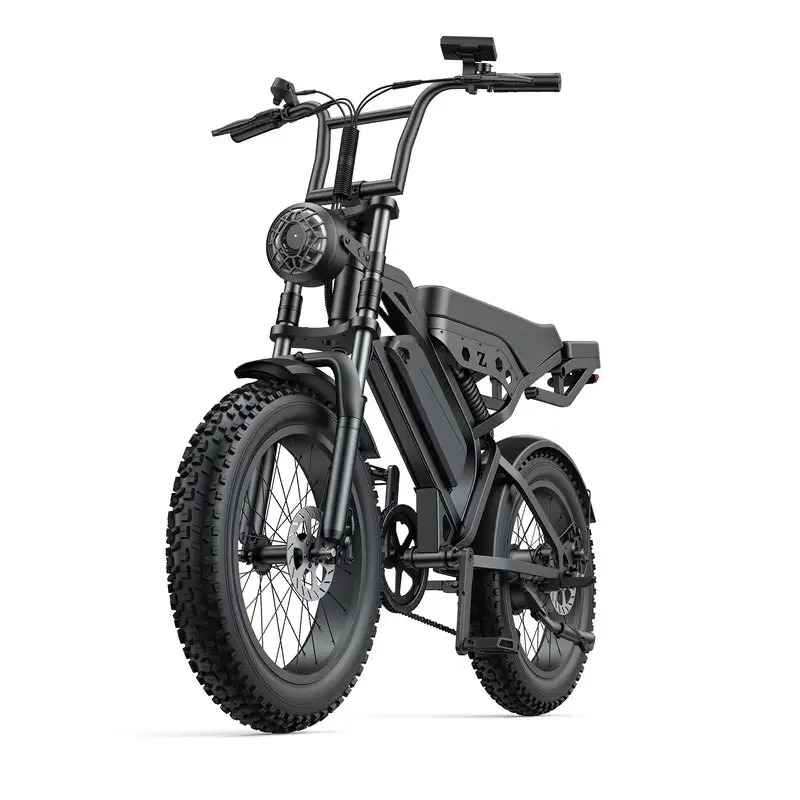
2026/08/03
Discover data-backed protocols, smart infrastructure & operational fixes. Optimize now.
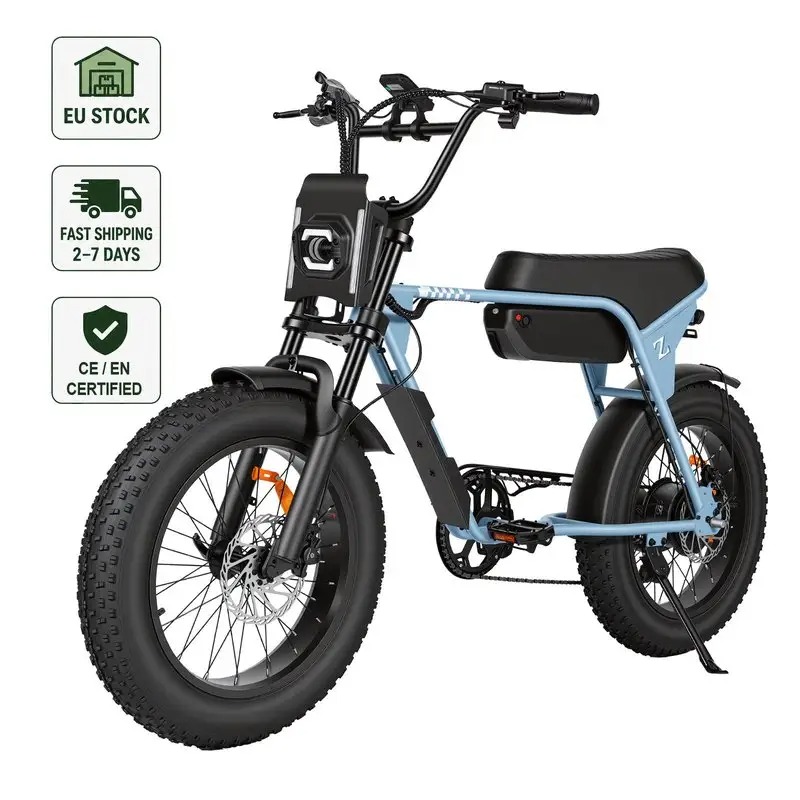
2026/08/03
How payload cuts 48V cargo ebike range by 15–50%+ — backed by real-world degradation curves, motor load science & fleet optimization strategies.
Comprehensive warranty, fast parts shipping, remote diagnostics and local dealer training


