 EN
EN
STEP 1
Full vehicle warranty for 2 years
2026/08/14
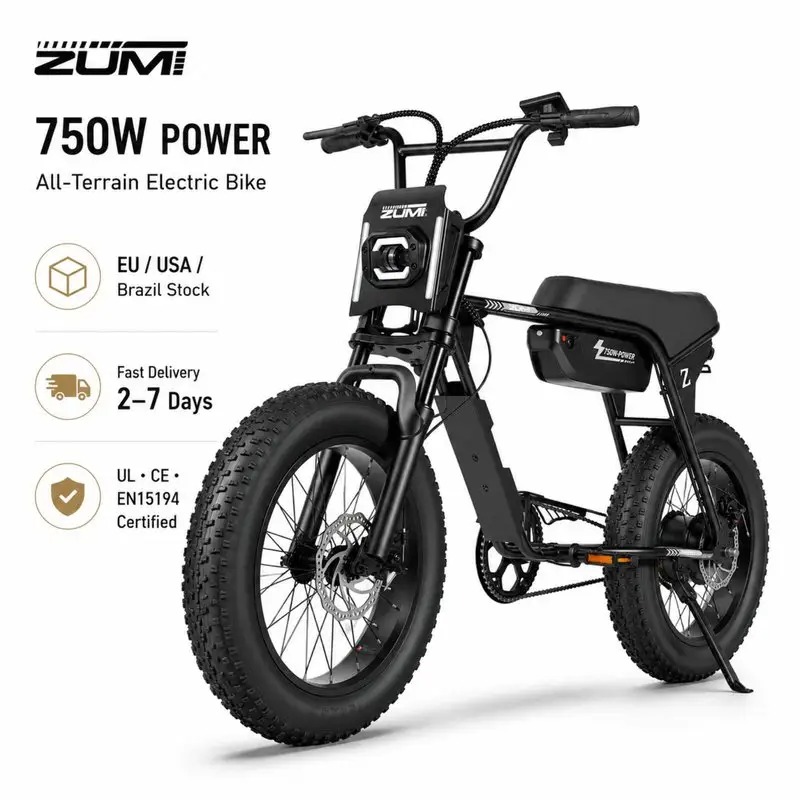
The rise of urban logistics and eco-conscious family transportation has made the electric cargo bike a critical solution for last-mile delivery and sustainable mobility. Unlike traditional bicycles, modern cargo bikes designed with front-loading architecture deliver exceptional payload capacity while maintaining superior balance and rider control. Understanding how these machines handle cargo weight and distribute dynamic forces is essential for businesses scaling delivery operations and families seeking reliable transport alternatives.
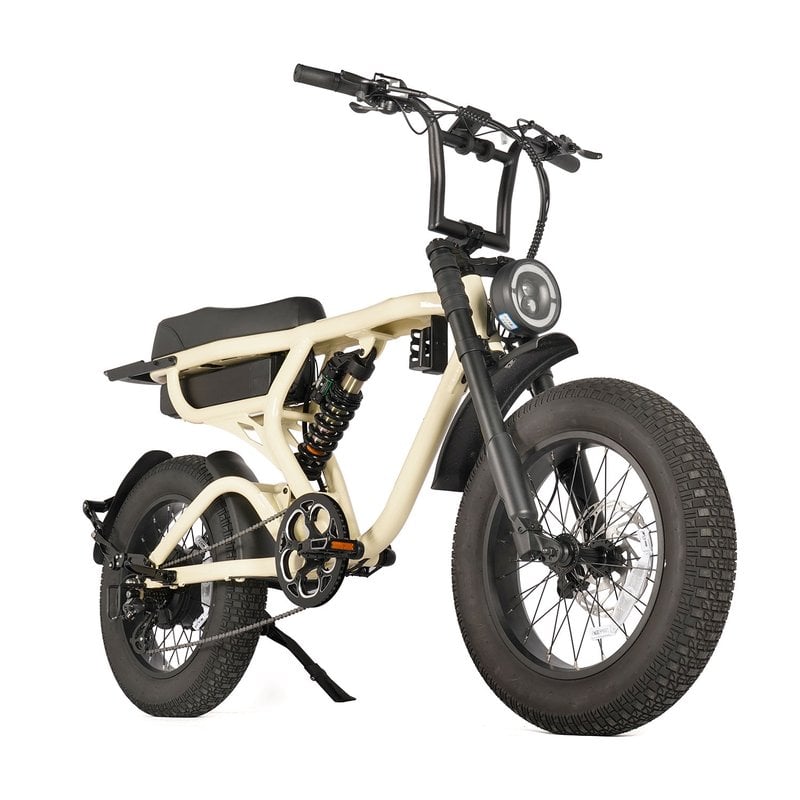
Front-loading cargo architecture fundamentally changes how weight interacts with the bicycle frame and steering dynamics. When cargo sits above and ahead of the front wheel rather than behind the rider, the handling characteristics become distinctly different from rear-rack systems. The compact electric cargo bike model has emerged as the preferred choice for urban environments where maneuverability and parking efficiency matter most. This design philosophy combines load-carrying ability with practical everyday usability, making it the standard for commercial operations and residential buyers alike.
Front-loading cargo bikes position the payload forward of the steering axis, which creates a unique mechanical advantage compared to traditional rear-rack setups. The weight sits lower and closer to the ground, reducing the center of gravity and dramatically improving stability during acceleration and braking. This positioning makes the long tail electric cargo bike particularly effective for heavy or bulky items because the low center of mass prevents the bike from tipping backward under load. Commercial operators find that front-loading architecture reduces rider fatigue during extended delivery routes because the weight distribution doesn't create the same leverage stress on the rear wheel and seat post.
Modern electric cargo bike models typically support payload capacities ranging from 50 to 150 kilograms, depending on frame material, motor power, and structural reinforcement. The fat tire cargo ebike variant stands out because wider, lower-pressure tires distribute ground contact over a larger surface area, improving traction and stability with maximum loads. Mid-drive motor systems versus hub motors affect how efficiently the bike accelerates under cargo weight. A 1000-watt motor paired with a heavy-duty frame can comfortably handle sustained climbing and quick starts when fully loaded, whereas lighter systems may struggle with steep grades or rapid acceleration. Professional logistics companies select wholesale electric cargo bike options specifically engineered for 100-kilogram loads because this capacity threshold covers approximately 95 percent of urban delivery requirements.
Handling an electric cargo bike with a loaded front box requires different technique than steering an unloaded bicycle or a rear-loaded system. The cargo acts as added rotational inertia, making quick direction changes slower but smoother once initiated. Riders report that low-speed maneuvering in tight spaces demands slightly more upper body effort, but at cruise speeds the extra weight actually improves stability by reducing the influence of wind gusts and minor surface irregularities. The long tail electric cargo bike design extends the wheelbase, which further enhances directional stability during turns but requires awareness of the extended footprint when navigating narrow alleys or parking between cars. Professional delivery operators train for approximately one week before reaching peak efficiency with front-loading cargo systems because the handling feel differs substantially from conventional bikes.
Electric motors on cargo bikes provide torque assistance that scales smoothly with load weight, allowing riders to maintain consistent acceleration regardless of payload. The compact electric cargo bike category benefits from direct-drive hub motors or high-torque mid-drive systems that deliver consistent power from standstill. Braking dynamics shift noticeably when carrying cargo because the additional rotational energy demands more stopping force and longer distances to decelerate safely. Quality cargo bikes integrate hydraulic disc brakes specifically rated for heavy loads to manage this extra energy dissipation. The fat tire cargo ebike excels here because the wider rubber provides better modulation feedback and grip consistency during emergency stops, reducing the likelihood of skidding or loss of control when braking hard with a full load.
Wholesale electric cargo bike adoption has accelerated rapidly across food delivery, e-commerce logistics, and last-mile services in dense urban zones. Operators confirm that front-loading designs reduce delivery cycle times because the improved stability and handling allow confident high-speed cornering through busy streets. The weight distribution also means less effort on client areas like doorstep navigation and single-handed parking. Predictable handling performance translates directly to lower accident rates and reduced insurance premiums for fleet operators, making the electric cargo bike a financially rational choice beyond environmental appeal.
Residential buyers increasingly choose the compact electric cargo bike for family errands, grocery shopping, and child transport because the low center of gravity creates confidence when piloting the bike through mixed traffic. Parents appreciate the stable platform and predictable handling when stopping frequently or navigating crowded markets. The long tail electric cargo bike model provides additional cargo volume while maintaining the maneuverability advantages of front-loading architecture. A fat tire cargo ebike variant adds all-weather capability, making the bike usable year-round in regions with snow, ice, or loose gravel surfaces that would challenge standard bicycles.
Most front-loading electric cargo bike models safely carry 50 to 150 kilograms depending on frame construction and motor power. Always verify the manufacturer's specified payload rating because exceeding this limit stresses the frame and can cause premature failure or loss of control. Professional operators typically stay 10 to 15 kilograms below the maximum to ensure consistent performance and extend component lifespan over thousands of delivery cycles.
Yes, front-loading cargo shifts your steering response and braking characteristics noticeably. The added weight above the front wheel increases directional inertia, making turns slightly slower but more stable. Braking requires more force and longer distances because the extra mass carries more kinetic energy. Riders typically need one to two weeks to adapt their technique before handling feels natural and confident during fully loaded routes.
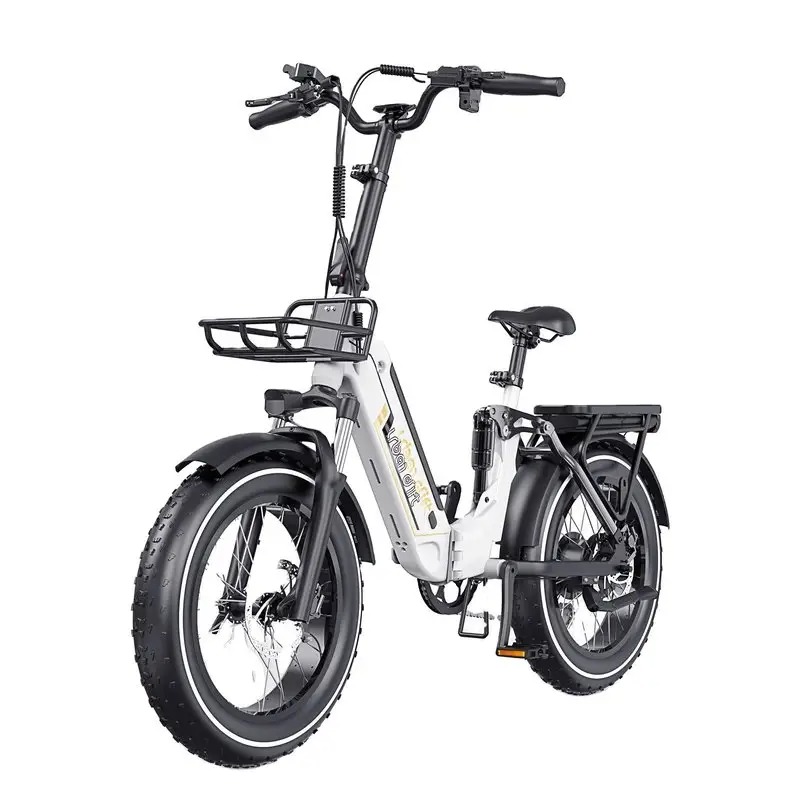
The fat tire cargo ebike offers superior traction, stability, and all-weather performance compared to standard wheels. Wider tires distribute cargo weight over a larger ground contact area, reducing ground pressure and improving grip on wet, icy, or loose surfaces. Fat tires also provide better shock absorption, protecting cargo and extending tire lifespan on rough urban streets where small debris and potholes are constant hazards.
2026/08/03
Fix time zones, language gaps, and unclear protocols—boost speed, cut costs, and scale confidently.
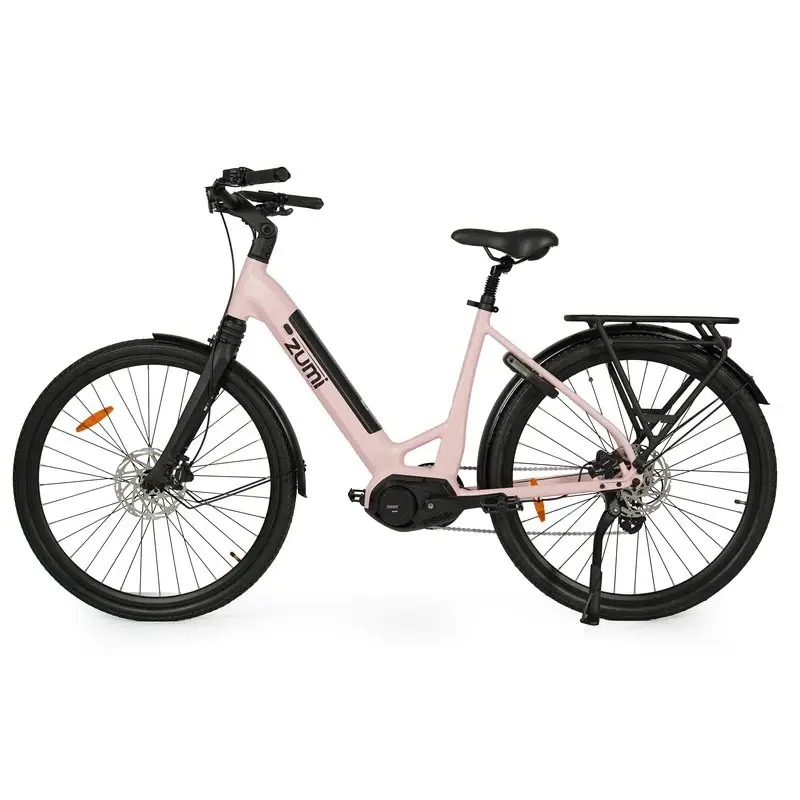
2026/08/03
Avoid liability & import bans: Learn IEC 62619, UN 38.3, and UL 2271—plus how to verify real compliance (not fakes).
2026/08/03
Learn precise air pressure, rebound & compression tuning for optimal suspension performance. Get pro-level setup tips now.
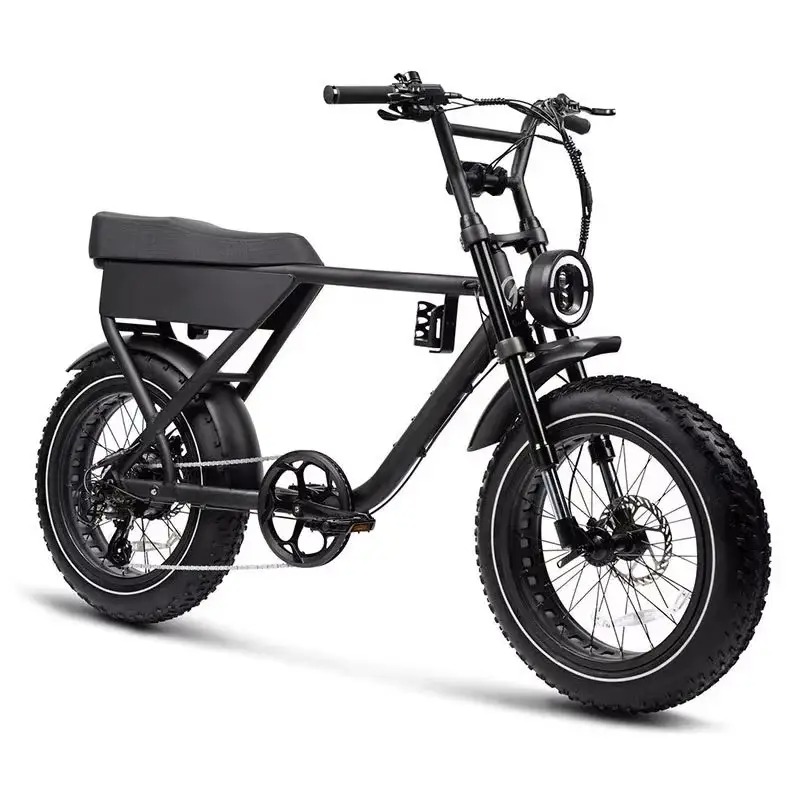
2026/08/03
Discover how voltage drop saps performance—and proven fixes to restore responsiveness, range, and battery life. Read now.
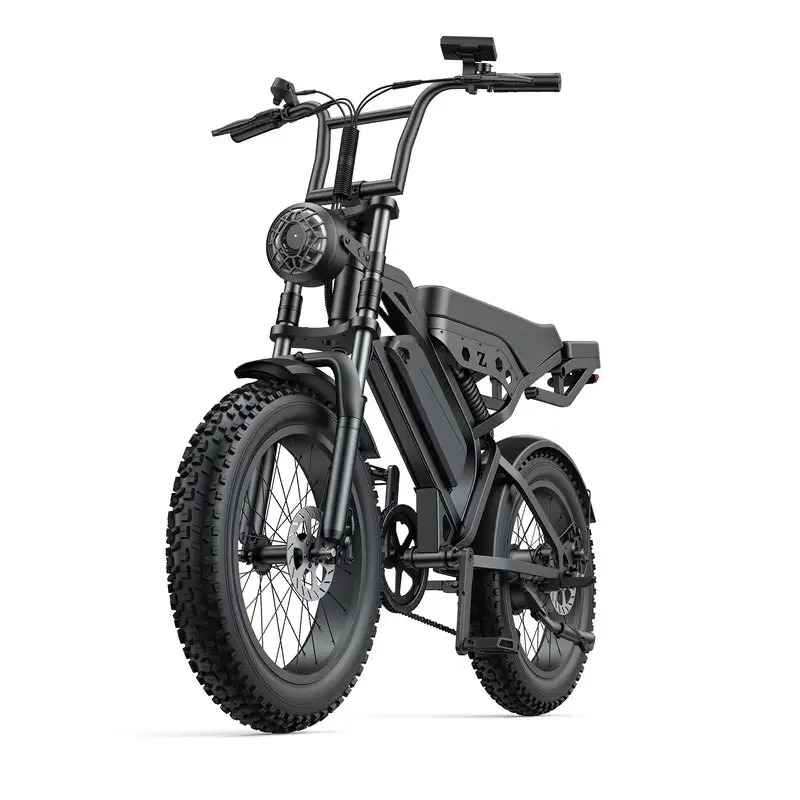
2026/08/03
Discover data-backed protocols, smart infrastructure & operational fixes. Optimize now.
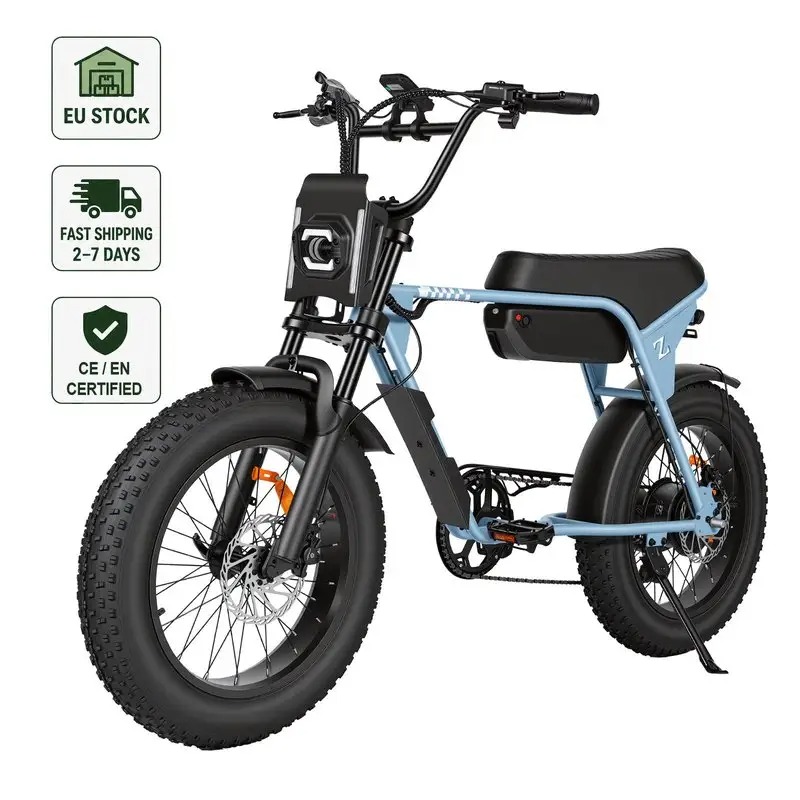
2026/08/03
How payload cuts 48V cargo ebike range by 15–50%+ — backed by real-world degradation curves, motor load science & fleet optimization strategies.
Comprehensive warranty, fast parts shipping, remote diagnostics and local dealer training


