 EN
EN
STEP 1
Full vehicle warranty for 2 years
2026/09/01
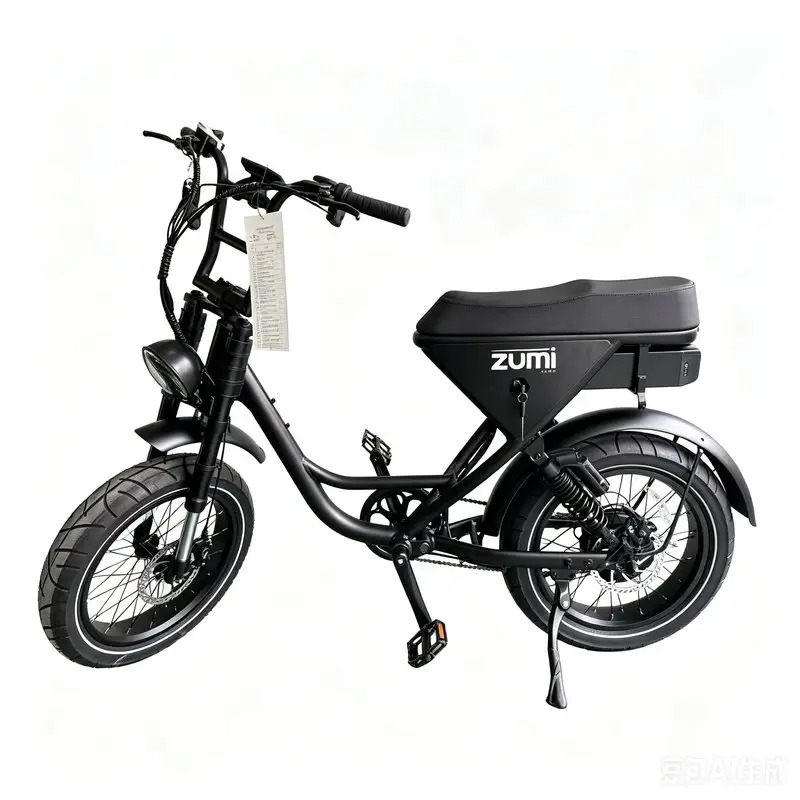
Urban commuting presents unique challenges that demand practical solutions, and a 250w electric bike has emerged as an optimal choice for city dwellers seeking efficiency, affordability, and environmental responsibility. The 250w power rating strikes a careful balance between performance and regulatory compliance, making it the legal standard in many jurisdictions while delivering genuine acceleration and hill-climbing capability. Unlike heavier e-bikes that require substantial battery investment and create handling challenges in dense urban traffic, 250w ebikes offer lightweight maneuverability, lower operational costs, and simplified maintenance routines that make sense for daily commuters.
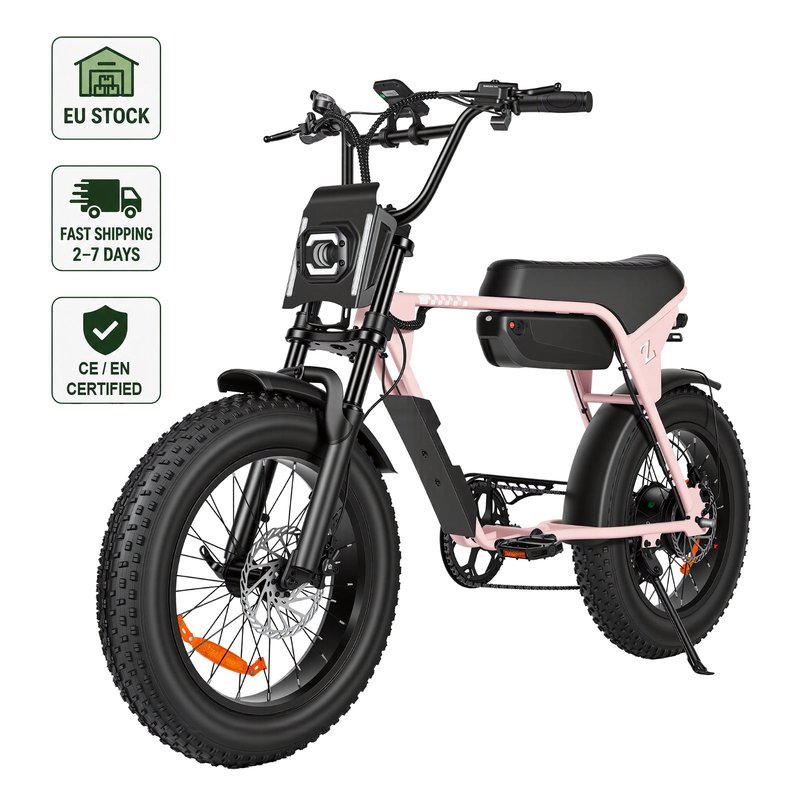
Choosing the right 250w electric bike for urban commuting requires understanding motor performance characteristics, battery capacity planning, and practical riding conditions specific to city environments. A quality 250w ebike 48v system delivers reliable range between 30 to 60 kilometers on a single charge, sufficient for most daily round-trip commutes while minimizing charging downtime and extending battery lifespan through gentler discharge cycles. This article explores how 250w electric bikes address real commuting pain points, what specifications matter most, and how to evaluate options when shopping for a 250w electric bike for sale.
A 250w electric mountain bike motor provides sufficient torque to accelerate smoothly from traffic stops and maintain speed on moderate inclines without excessive battery drain. The 250w power output translates to approximately 0.34 horsepower, which may seem modest compared to automotive standards but proves entirely adequate for human-scale transportation. When integrated with pedal assist, riders typically experience instantaneous acceleration response that eliminates the awkward lag common in underpowered systems, allowing seamless merging into traffic and confident hill navigation across diverse urban terrain.
The 250w rating represents the legal threshold across European Union jurisdictions and increasingly in North American urban centers, meaning riders operate 250w ebikes without requiring special licensing, registration, or insurance protocols. This regulatory sweet spot removes bureaucratic friction that complicates ownership of higher-powered systems, ensuring 250w electric bikes remain accessible and hassle-free for everyday commuters. Legal compliance also preserves bike lane access in cities that restrict heavier e-cargo bikes to roadways, maintaining the speed and convenience advantage that makes urban cycling attractive.
An ebike 250w 48v configuration represents the optimal balance between power delivery efficiency and battery longevity, as the 48-volt standard allows for sustainable current draw that preserves cell integrity across thousands of charge cycles. The 48-volt system enables larger capacity batteries without excessive heat generation, meaning commuters can choose between conservative 400Wh packs for lightweight portability or generous 750Wh packs for extended range without sacrificing reliability. Battery management systems integrated into modern 250w electric bikes monitor individual cell performance, protecting against overcharge and deep discharge scenarios that degrade lithium battery chemistry over time.
Urban commutes typically span 15 to 40 kilometers round-trip, well within the realistic range envelope of quality 250w ebikes equipped with mid-capacity batteries. The pedal-assist mechanism dramatically extends effective range beyond pure electric capability, as riders naturally pedal during cruise phases and only engage motor assistance during acceleration or challenging grades. This hybrid riding pattern conserves battery charge, often allowing commuters to complete week-long urban travel on a single weekend charge, eliminating daily charging requirements and reducing household electricity consumption.
A 250w electric bike typically weighs between 20 to 26 kilograms, considerably lighter than 500w or 750w systems that burden riders with control challenges when parking, carrying up stairs, or navigating tight urban corridors. The manageable weight distribution enhances cornering stability and allows single-handed maneuvering through congested intersections, critical safety factors that higher-powered systems compromise. Lightweight handling also makes 250w ebikes practical for riders who occasionally lift bikes onto public transit systems or store units in compact apartment spaces where heavy equipment becomes impractical.
Entry-level 250w electric bikes for sale begin at substantially lower price points than higher-capacity alternatives, typically ranging between 800 to 1500 dollars compared to 2000 plus dollars for equivalent 500w systems. Lower upfront investment combined with reduced electricity consumption, minimal brake wear from motor recuperation features, and elimination of fuel and parking expenses creates compelling total-cost-of-ownership advantages over personal vehicle ownership. Maintenance requirements remain straightforward for 250w ebikes, as simpler motor controllers and battery systems contain fewer components prone to failure, translating to predictable long-term ownership costs suitable for budget-conscious commuters.
Commute terrain profile determines optimal 250w electric mountain bike specifications, as flat urban routes require different gearing and motor characteristics than hilly neighborhoods. Riders navigating consistent inclines benefit from mid-drive motors that leverage existing crankset gearing, providing climbing torque that direct-drive hub motors cannot match at constant power ratings. Conversely, commuters on predominantly flat routes gain efficiency advantages from direct-drive hub motor designs that reduce friction losses and enable recuperative braking that partially recharges batteries during descent phases.
Workplace charging availability fundamentally shapes 250w ebike practicality, as commuters with office charging access can operate multiple short trips without range anxiety, while those lacking workplace facilities require larger battery capacity supporting full round-trip commutes. Residential charging environment also influences purchase decisions, as apartments with limited outlet access may favor higher-capacity batteries that reduce charging frequency, while homes with dedicated garage space can accommodate overnight charging routines. The flexibility of 250w ebike battery systems allows mid-charge top-ups during lunch breaks, a feature rarely practical with lower-powered systems requiring full discharge cycles for optimal longevity.
A 250w electric mountain bike handles moderate grades effectively through pedal assist augmentation, though extreme slopes exceeding 15 percent gradient may require significant rider effort contribution. Motor assistance combines with rider power to overcome hill resistance, meaning commuters tackling steep terrain typically pedal actively while the motor supplies 40 to 60 percent of required power. Strategic route planning that identifies shallower alternative routes further optimizes 250w bike performance on challenging topography.
Battery selection depends on commute distance and charging availability, with 500Wh batteries supporting 30 to 40 kilometer ranges and 750Wh packs extending effective distance to 50 to 70 kilometers in typical urban conditions. Commuters with home charging access can choose smaller batteries prioritizing lightweight handling, while those relying on workplace or public charging should invest in larger capacity providing safety margin above estimated daily needs. Conservative sizing ensures degraded battery performance at end-of-day charge cycles never leaves riders stranded without electric assistance for return journeys.
A 250w electric bike offers door-to-door convenience, weather protection through appropriate clothing, and flexible scheduling that public transit cannot match, while eliminating crowded platform conditions and schedule dependencies. Monthly operating costs for 250w ebikes typically run 15 to 30 dollars in electricity and maintenance, substantially less than monthly transit passes in expensive metropolitan areas. The health benefits of active commuting combined with reduced commute stress provide lifestyle advantages beyond simple cost comparison, making 250w electric bikes attractive supplements or complete replacements for public transportation routing.
2026/08/03
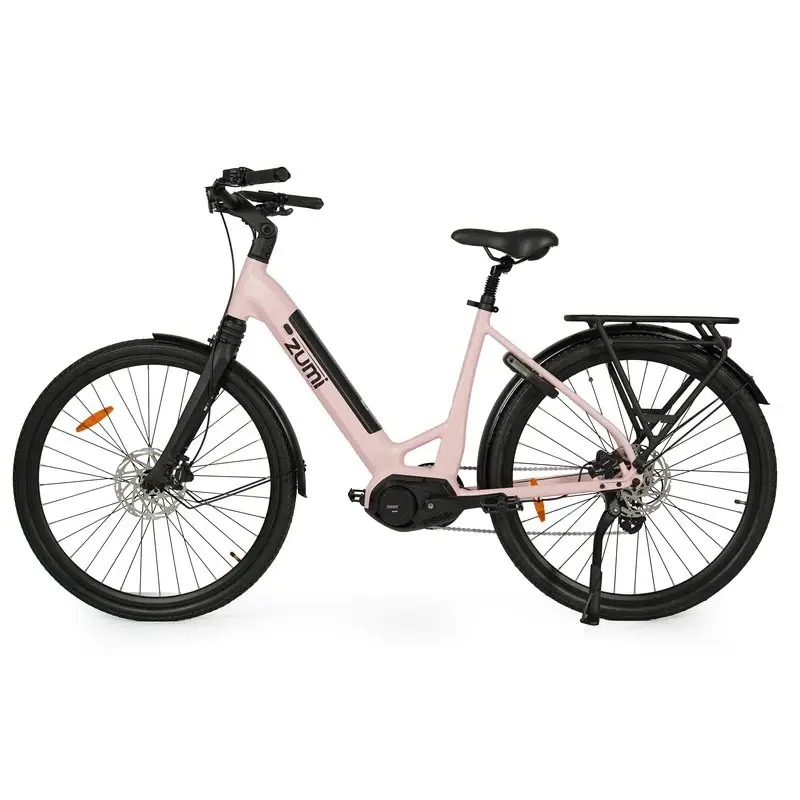
Fix time zones, language gaps, and unclear protocols—boost speed, cut costs, and scale confidently.
2026/08/03
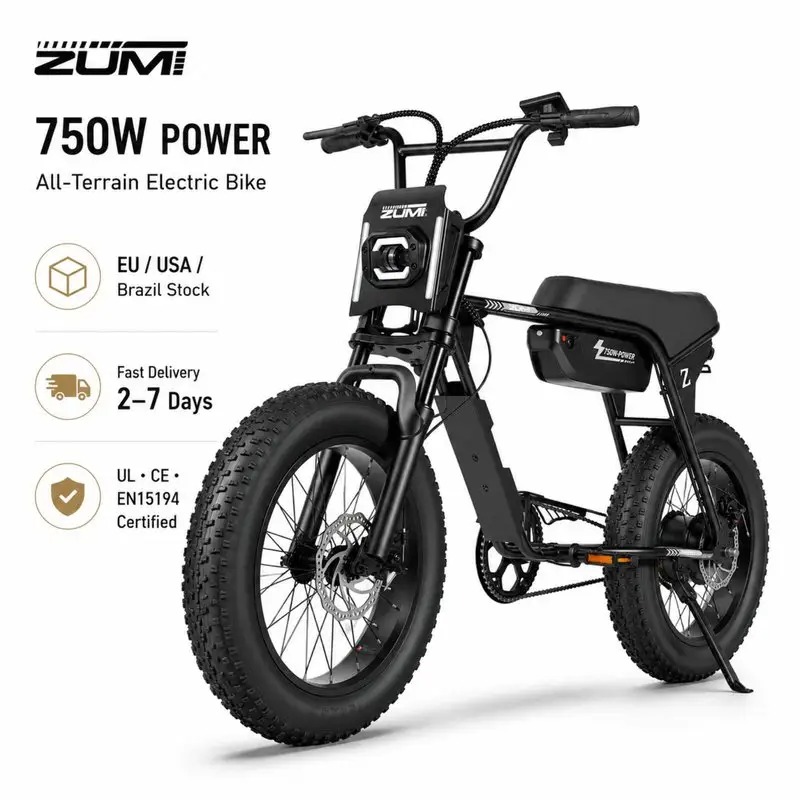
Avoid liability & import bans: Learn IEC 62619, UN 38.3, and UL 2271—plus how to verify real compliance (not fakes).
2026/08/03
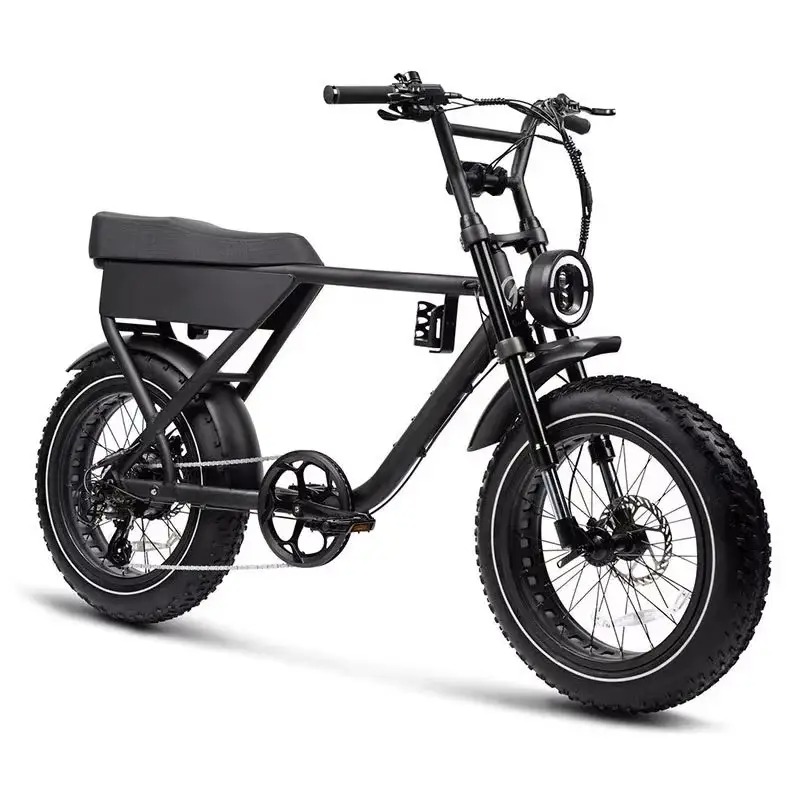
Learn precise air pressure, rebound & compression tuning for optimal suspension performance. Get pro-level setup tips now.
2026/08/03
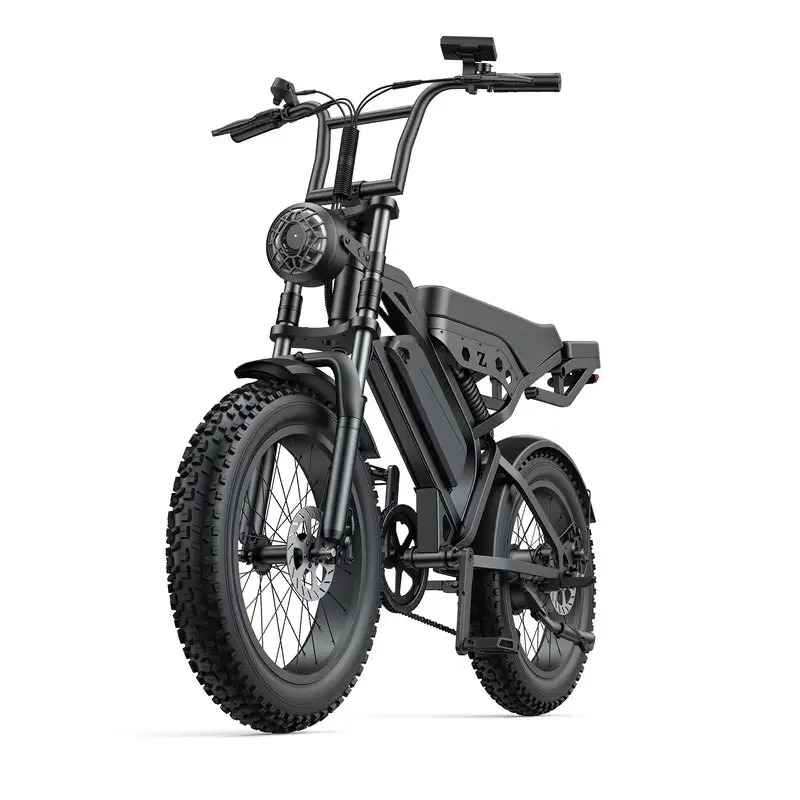
Discover how voltage drop saps performance—and proven fixes to restore responsiveness, range, and battery life. Read now.
2026/08/03
Discover data-backed protocols, smart infrastructure & operational fixes. Optimize now.
2026/08/03
How payload cuts 48V cargo ebike range by 15–50%+ — backed by real-world degradation curves, motor load science & fleet optimization strategies.
Comprehensive warranty, fast parts shipping, remote diagnostics and local dealer training


