 EN
EN
STEP 1
Full vehicle warranty for 2 years
2026/08/21
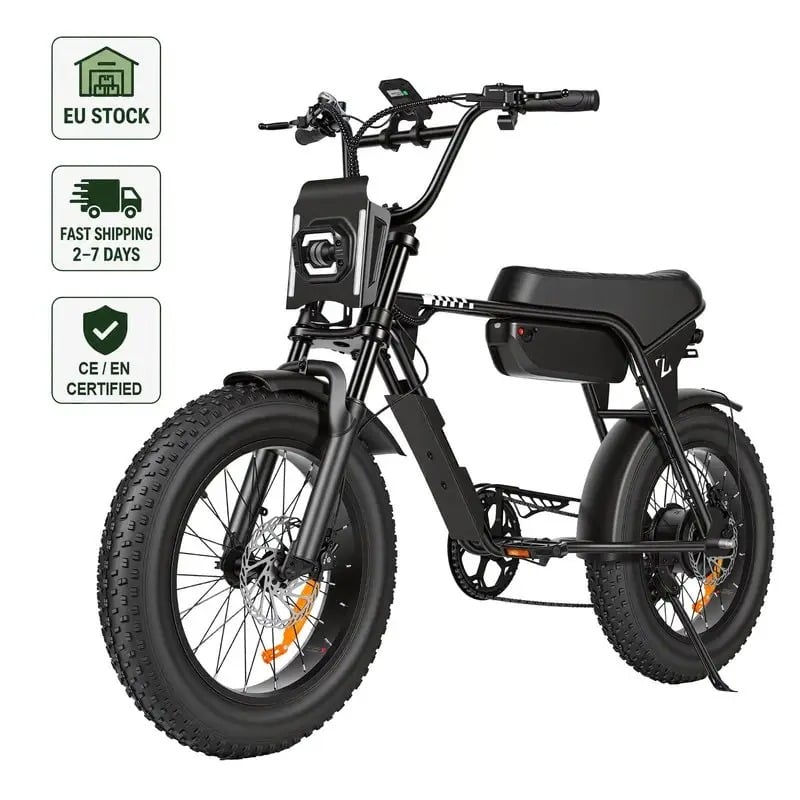
Selecting the right electric bike wholesale partner for the European Union market requires careful evaluation of compliance standards, production capacity, quality control, and regulatory expertise. The EU market demands partners who understand complex directives such as the Personal Protective Equipment Regulation, machinery safety standards, and electrical safety requirements specific to e-bikes. Working with the wrong supplier can result in product recalls, legal penalties, and damaged market reputation. This guide walks you through the essential factors for choosing a compliant electric bike wholesale partner that aligns with your business goals and EU regulations.
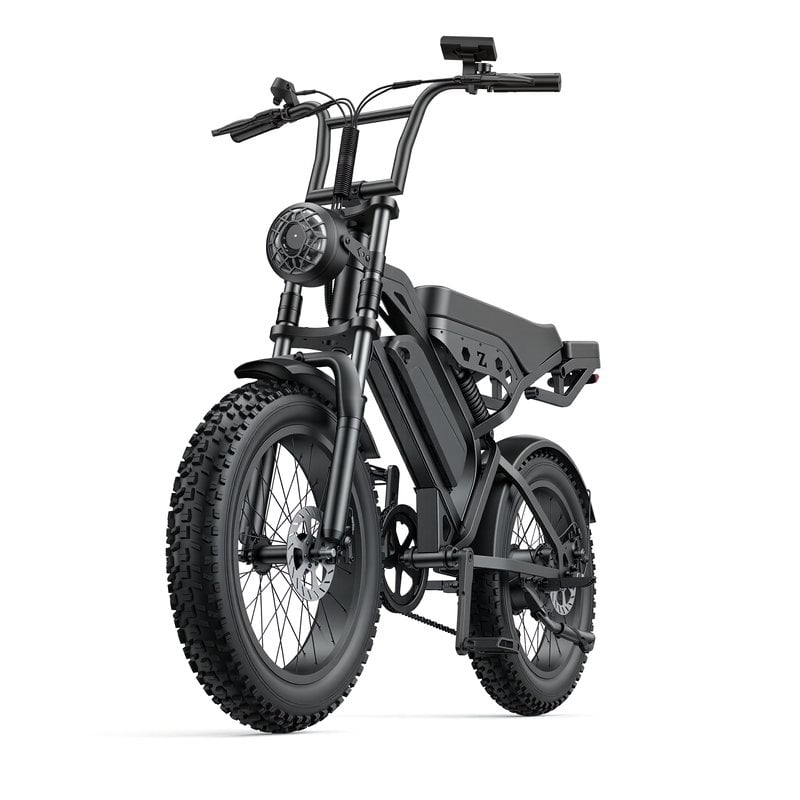
The European market for electric bicycles continues to expand, with strict regulatory frameworks governing every aspect of design, manufacturing, and distribution. An electric bikes factory must maintain certifications such as CE marking, EN 15194 compliance for e-bikes, battery safety standards, and product liability insurance. When evaluating wholesale electric bikes suppliers, assess their understanding of local market requirements across individual member states, supply chain transparency, and commitment to ongoing compliance updates. A partner with proven experience in EU distribution already understands the documentation, testing protocols, and quality benchmarks your business needs to succeed.
The EU regulates electric bicycles through several interconnected standards. EN 15194 specifies safety requirements for electric-assisted cycles, covering mechanical safety, electrical safety, and human factors. The Directive 2006/42/EC addresses machinery safety, requiring manufacturers to conduct risk assessments and provide proper technical documentation. Battery suppliers must meet the Battery Directive 2013/56/EU, which governs chemistry, performance, and recycling. An electric bikes factory adhering to these standards demonstrates institutional capability and reduces your legal exposure. Verify that your wholesale electric bikes suppliers maintain valid CE certification documentation and can provide technical files, declarations of conformity, and test reports from accredited laboratories upon request.
Certification alone does not guarantee a reliable partnership. Compliance requires ongoing monitoring, product traceability, and rapid response to regulatory changes. Wholesale electric bikes suppliers should have documented quality management systems, including regular audits, component tracking, and non-conformity resolution procedures. Ask potential partners about their approach to product recalls, spare parts availability for warranty claims, and customer communication protocols. Understanding their compliance infrastructure reveals whether they view regulatory adherence as a checkbox or as a core business competency.
An electric bikes factory must match your volume requirements without compromising quality. Assess production capacity by reviewing order turnaround times, lead-time flexibility, and ability to handle seasonal demand spikes common in the EU market. Quality control should encompass incoming component inspection, in-process testing, final assembly verification, and sample testing before shipment. Request information about their testing equipment, calibration schedules, and defect rate documentation. Reliable wholesale electric bikes suppliers maintain statistical process control data and can demonstrate consistent quality metrics over time. Visit manufacturing facilities if possible to observe actual practices, worker training programs, and inventory management systems.
The origin and traceability of components directly impacts compliance and brand reputation. Your electric bike wholesale partner should provide detailed bill-of-materials documentation, supplier certifications for critical components like batteries and motors, and conflict minerals declarations where applicable. Verify that battery suppliers comply with EU battery regulations and that electrical components meet applicable CE standards. Transparency in sourcing demonstrates accountability and reduces the risk of counterfeit or substandard parts entering your supply chain. Ask for supplier audit results, quality agreements, and escalation procedures for component non-conformities.
An effective electric bicycle wholesale relationship requires ongoing technical collaboration. Your partner should provide engineering support for product customization, help troubleshoot field issues, and work with you on continuous improvement initiatives. Quality wholesale electric bikes suppliers maintain responsive communication channels, provide documentation in your language, and offer training for your sales and support teams. Evaluate their experience with product modifications for specific markets, ability to address customer feedback, and willingness to invest in your mutual success. Establish clear service level agreements covering response times, resolution timelines, and escalation procedures.
EU regulations evolve, and your electric bikes factory partner must actively track and implement changes. Discuss their approach to monitoring new directives, standards updates, and member state-specific requirements. Reliable partners participate in industry associations, maintain relationships with notified bodies, and conduct regular compliance audits. They should proactively communicate regulatory developments that affect your products and offer solutions for adaptation. This forward-looking approach protects your business from unexpected compliance gaps and market disruptions.
An electric bikes factory must provide CE certification based on EN 15194 safety standards, machinery directive compliance under 2006/42/EC, and battery directive compliance under 2013/56/EU. They should supply technical documentation, declarations of conformity, test reports from accredited laboratories, and product liability insurance evidence. These certifications demonstrate that the manufacturer meets EU safety and performance requirements for electric bicycles entering the European market.
Request documentation of their quality management system, request access to audit reports, and review defect rate data over multiple years. Ask about their testing equipment, calibration procedures, and statistical process control methods. If possible, conduct facility visits to observe manufacturing processes, worker training, and inventory controls. Reliable wholesale electric bikes suppliers welcome scrutiny and provide transparent evidence of their commitment to consistent quality and compliance.
Include clear quality and compliance standards, detailed service level agreements for communication and problem resolution, procedures for product recalls and technical support, intellectual property provisions, pricing and payment terms, and dispute resolution mechanisms. Address regulatory change management, requirement for compliance certifications and documentation, and obligations for maintaining supply chain transparency. A comprehensive agreement protects both parties and establishes expectations for a successful, sustainable electric bike wholesale relationship.
2026/08/03
Fix time zones, language gaps, and unclear protocols—boost speed, cut costs, and scale confidently.
2026/08/03
Avoid liability & import bans: Learn IEC 62619, UN 38.3, and UL 2271—plus how to verify real compliance (not fakes).
2026/08/03
Learn precise air pressure, rebound & compression tuning for optimal suspension performance. Get pro-level setup tips now.
2026/08/03
Discover how voltage drop saps performance—and proven fixes to restore responsiveness, range, and battery life. Read now.
2026/08/03
Discover data-backed protocols, smart infrastructure & operational fixes. Optimize now.
2026/08/03
How payload cuts 48V cargo ebike range by 15–50%+ — backed by real-world degradation curves, motor load science & fleet optimization strategies.
Comprehensive warranty, fast parts shipping, remote diagnostics and local dealer training


