 EN
EN
STEP 1
Full vehicle warranty for 2 years
2026/08/12
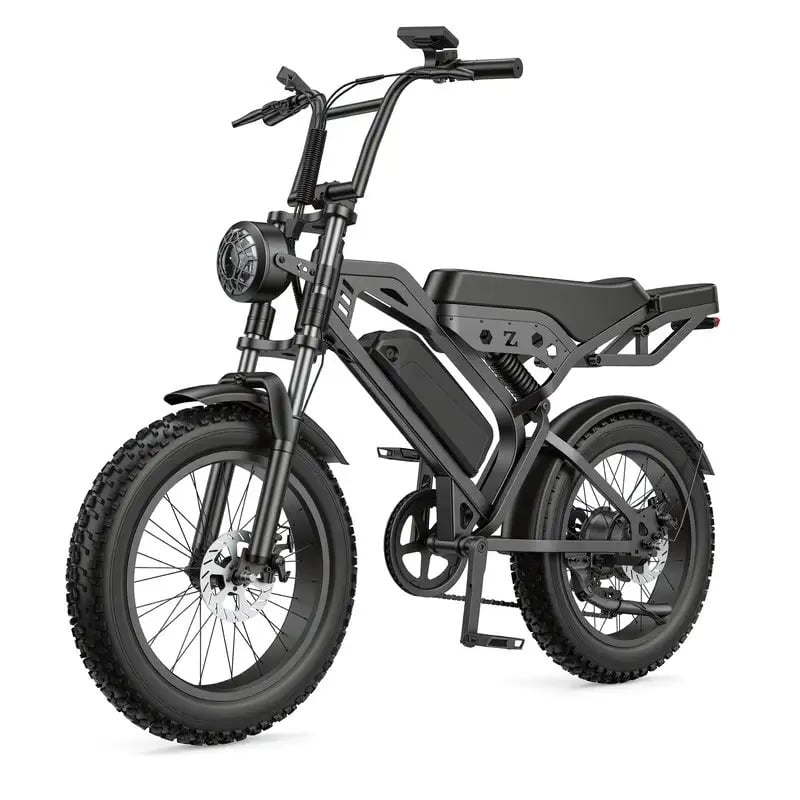
Selecting the right full suspension electric bike for technical trails requires understanding how suspension geometry, motor power, and component quality work together to handle demanding terrain. A full suspension electric bike combines rear shock absorption with front fork suspension, creating a platform that absorbs impacts while maintaining traction on steep climbs and rocky descents. This dual-suspension approach transforms how riders experience difficult mountain passages, whether navigating root-filled forest sections or conquering boulder-strewn slopes. The combination of electric propulsion with full suspension design opens new possibilities for trail riders seeking to extend their range and reduce fatigue on technical terrain.
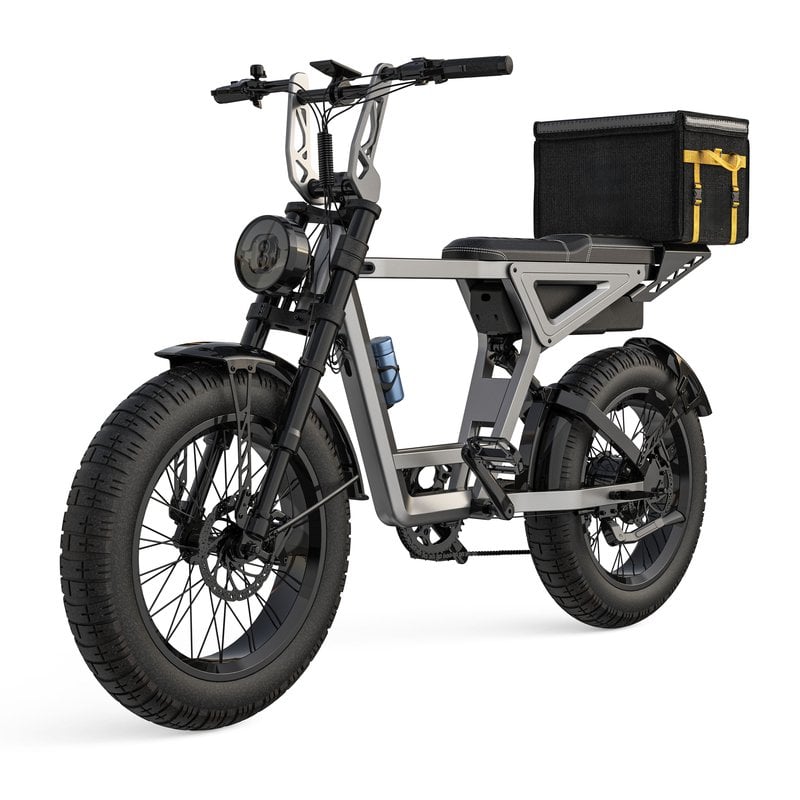
Choosing between various full suspension mountain ebikes demands careful consideration of your riding style, terrain characteristics, and performance priorities. Electric full suspension bikes vary significantly in suspension travel, motor wattage, battery capacity, and frame materials, each influencing how they perform on technical trails. Understanding these distinctions helps you invest in an electric full suspension system that truly matches your needs rather than settling for a generic option that underperforms on your favorite trails.
Suspension travel refers to the maximum distance the suspension components can compress, typically measured in millimeters. Full suspension mountain ebikes generally feature travel ranging from 100mm to 200mm, with longer travel designed for aggressive terrain and shorter travel suited for cross-country efficiency. A full suspension electric bike with 150mm to 170mm travel balances technical capability with pedaling efficiency, making it ideal for intermediate to advanced trail riders tackling variable terrain.
The frame geometry of your full suspension ebike mountain bike determines how suspension works during climbing, descending, and cornering. Progressive suspension designs, where the rate of compression changes through the travel range, provide a supple feel early in the stroke while maintaining support when hitting major impacts. Full suspension electric designs with well-tuned geometry keep your weight centered over the pedals during climbs, preventing the rear wheel from losing traction on steep technical sections.
Motor assistance changes how suspension performs on an electric full suspension platform. The added weight of the battery and motor requires slightly stiffer suspension settings compared to unpowered bikes, ensuring the shocks don't sag excessively under the increased mass. A full suspension mountain ebike with properly tuned suspension maintains adequate ground clearance and prevents the frame from bottoming out on large impacts, protecting both components and your body from jarring forces.
Damping adjustments on modern full suspension ebike mountain bike designs allow fine-tuning of how quickly the suspension compresses and extends. Compression damping controls how fast the suspension collapses when you hit an obstacle, while rebound damping determines how quickly it returns to full extension. Riders on technical trails benefit from adjustable damping that lets them dial in perfect responsiveness for their local terrain and riding intensity.
Motor power in watts directly influences how much assistance you receive on technical uphill sections, with most full suspension electric systems ranging from 250W to 1000W depending on local regulations and intended use. Higher wattage full suspension electric bike platforms deliver stronger climbing assistance, reducing the muscular effort required to maintain momentum on steep technical pitches. For serious technical trail work, a 750W to 1000W system provides adequate assistance without making the bike feel overpowered or destabilized through technical terrain.
The full suspension mountain ebikes you select should pair motor power with torque rating, measured in newton-meters, which indicates twisting force at the wheel. Higher torque values allow you to climb at lower speeds without losing traction, valuable when navigating tight technical sections where speed control matters more than raw power. Electric full suspension designs with mid-drive motors deliver assistance proportional to your pedaling effort, creating a natural feeling that maintains bike handling characteristics on technical terrain.
Battery capacity, measured in watt-hours, determines how far your full suspension ebike mountain bike travels before requiring a charge. Technical trail riding typically demands more battery energy than smooth cross-country paths because maintaining traction on steep terrain requires higher motor output. A full suspension electric system with 500Wh to 750Wh capacity balances reasonable range with weight considerations important for handling technical sections, though serious riders may opt for larger capacities if charging access is limited.
Battery placement affects how the full suspension electric bike handles on technical terrain, with most designs positioning cells low and central for optimal weight distribution. This placement maintains the bike's center of gravity and prevents front-end heaviness that could interfere with precise steering through rocky sections. Advanced full suspension mountain ebikes integrate batteries into the frame structure, improving aerodynamics and protecting cells from trail impacts and moisture intrusion.
Frame material selection between aluminum, steel, and carbon fiber significantly impacts how your full suspension electric bike performs on technical trails. Aluminum frames offer excellent weight-to-strength ratios and moderate cost, making them popular for full suspension mountain ebikes intended for aggressive riding. Carbon fiber full suspension electric designs reduce overall weight and improve vibration damping, allowing more precise trail feel, though they command higher prices and require careful maintenance.
The full suspension ebike mountain bike frame must withstand impacts that would damage rigid or lightly-built structures, requiring reinforced connection points and precise welding or bonding techniques. Quality full suspension electric bike construction features gusseted joints, precise tolerances, and thorough testing to ensure components survive countless compression cycles through rocky terrain. Direct inspection of welds and joints reveals construction quality that impacts long-term durability on technical trails.
Drivetrain components on a full suspension electric bike must handle both motor torque and rider pedaling force, requiring robust chain, cassette, and derailleur systems rated for e-bike stress levels. Full suspension mountain ebikes with hydraulic disc brakes provide superior modulation and stopping power essential for technical descents, while also reducing hand fatigue during long rides. Quality brake systems with adequate rotor size maintain consistent performance whether you're descending wet rocky sections or navigating tight technical passages where precision braking prevents crashes.
Tire selection completes the technical capability picture for your full suspension electric system, with knobbier tread patterns and wider rims improving traction and impact absorption on rough terrain. Full suspension ebike mountain bike tires sized 27.5 inches or 29 inches offer different handling characteristics, with smaller sizes providing nimbleness while larger tires roll over obstacles more easily. Proper tire pressure on a full suspension electric bike reduces pinch flats and maintains traction without excessive drag during climbing sections.
For technical trail riding on a full suspension electric bike, select 150mm to 170mm of suspension travel as a balanced starting point. This range provides enough compliance to absorb significant impacts while maintaining pedaling efficiency and handling responsiveness. Riders tackling extremely steep technical terrain might consider full suspension mountain ebikes with 180mm to 200mm travel, though this reduces climbing efficiency and increases weight.
Motor power on a full suspension ebike mountain bike changes how suspension must be tuned because the added motor weight and battery increase static load on the shocks. A full suspension electric system with higher wattage delivers stronger climbing assistance, allowing you to maintain traction through steep technical sections by controlling your speed more precisely. Properly tuned suspension compensates for this extra weight by using slightly stiffer springs and damping adjustments that prevent excessive sag while preserving responsiveness.
Component selection on a full suspension mountain ebikes requires balancing durability against weight, with technical riding demanding stronger parts over extreme lightness. A full suspension electric bike must prioritize reliability and impact resistance because technical trails stress frames, suspension, and drivetrain more severely than smooth terrain. Invest in quality brakes, suspension components, and drivetrain parts that withstand repeated impacts rather than pursuing marginal weight savings that compromise performance on challenging trails.
2026/08/03
Fix time zones, language gaps, and unclear protocols—boost speed, cut costs, and scale confidently.
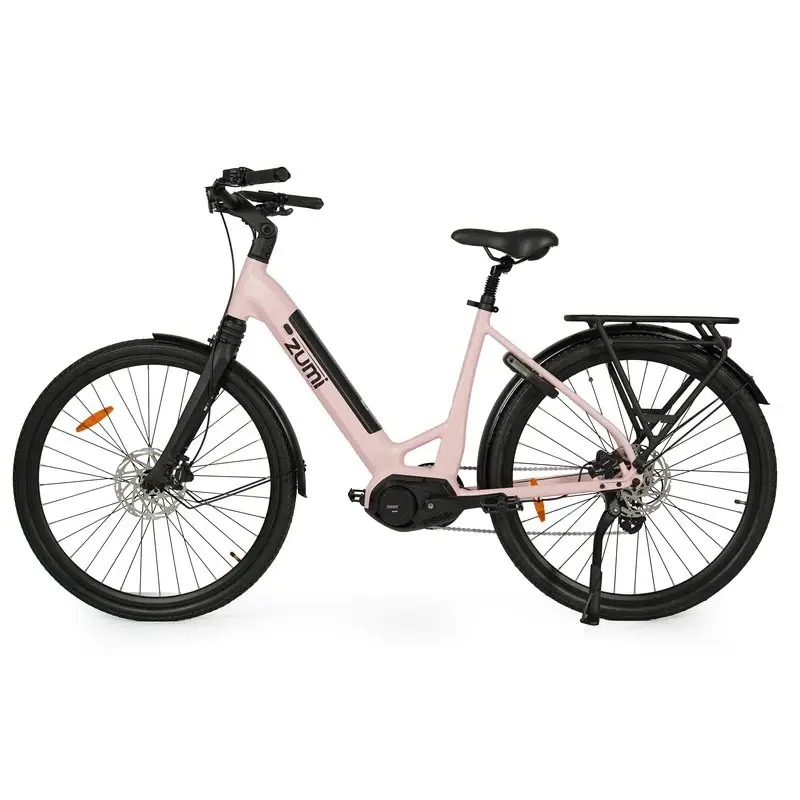
2026/08/03
Avoid liability & import bans: Learn IEC 62619, UN 38.3, and UL 2271—plus how to verify real compliance (not fakes).
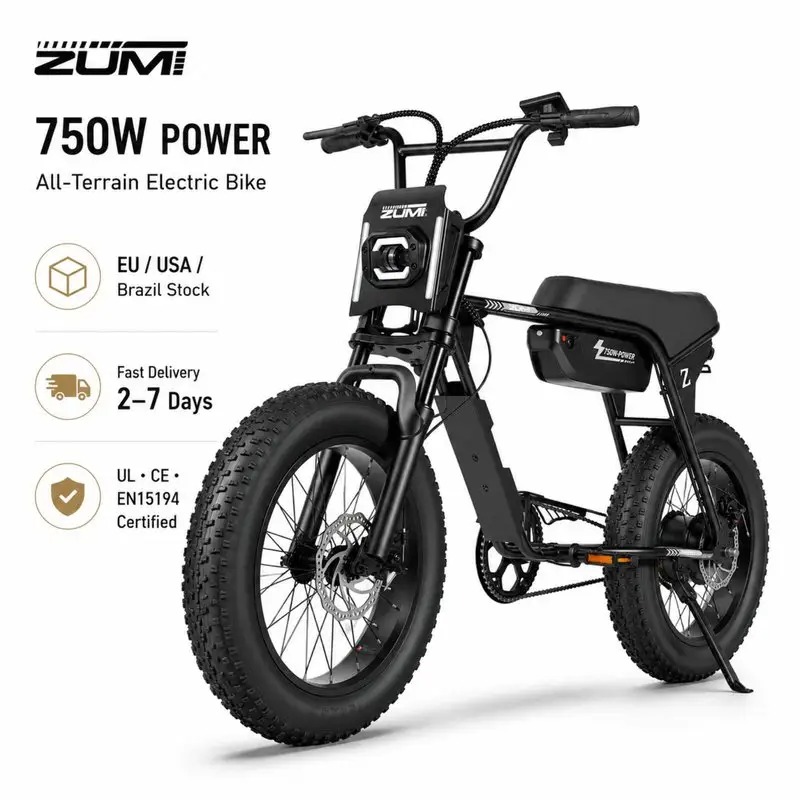
2026/08/03
Learn precise air pressure, rebound & compression tuning for optimal suspension performance. Get pro-level setup tips now.
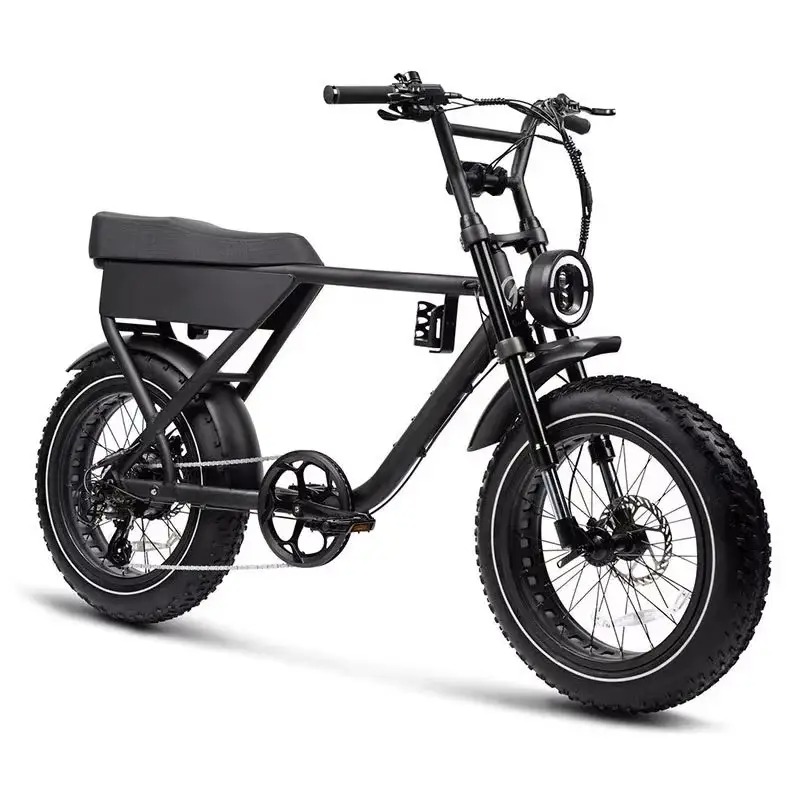
2026/08/03
Discover how voltage drop saps performance—and proven fixes to restore responsiveness, range, and battery life. Read now.
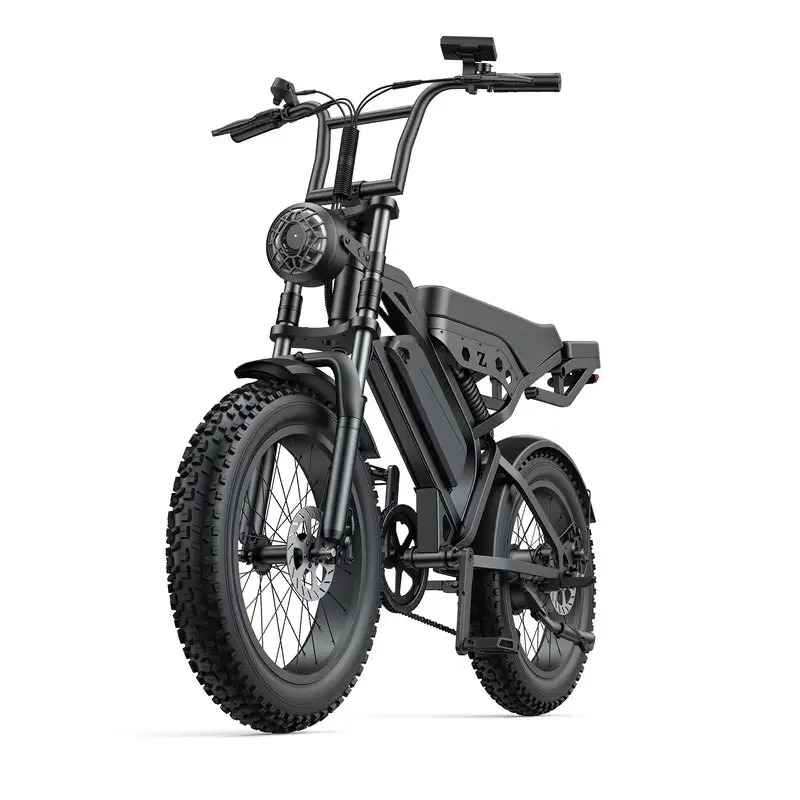
2026/08/03
Discover data-backed protocols, smart infrastructure & operational fixes. Optimize now.
2026/08/03
How payload cuts 48V cargo ebike range by 15–50%+ — backed by real-world degradation curves, motor load science & fleet optimization strategies.
Comprehensive warranty, fast parts shipping, remote diagnostics and local dealer training


