 EN
EN
STEP 1
Full vehicle warranty for 2 years
2026/08/24
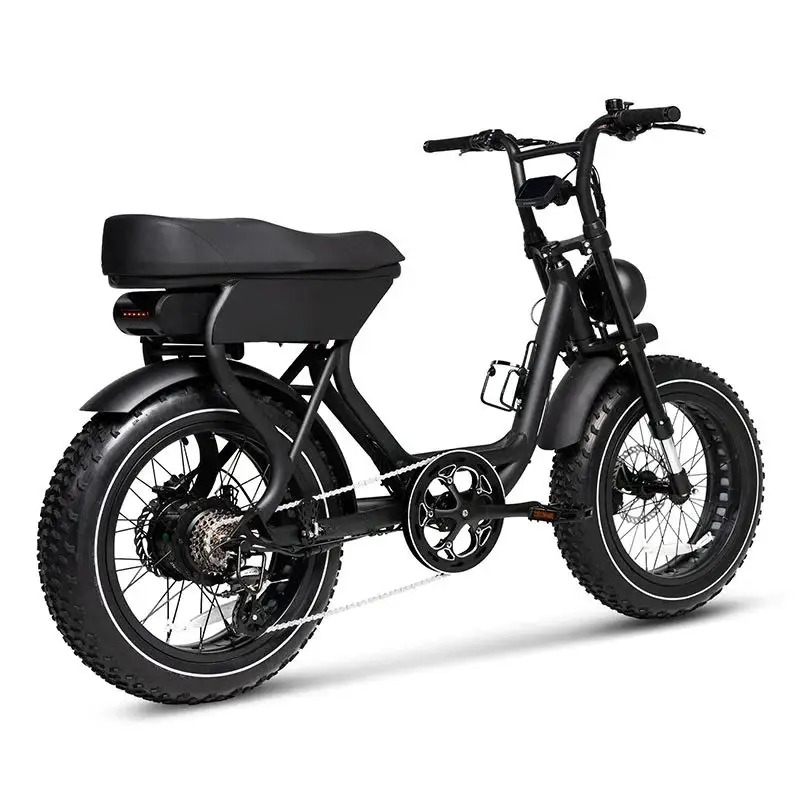
Selecting the right tires for your 1000w 48v electric bicycle build is one of the most critical decisions you'll make when assembling a custom e-bike. The tires you choose directly impact acceleration, braking performance, range, comfort, and your ability to handle diverse terrain safely. A 1000w 48v electric bicycle delivers significant power and torque, which places unique demands on your tire selection compared to standard bicycles or lower-powered e-bikes. Understanding these requirements ensures your build performs reliably across different riding conditions.
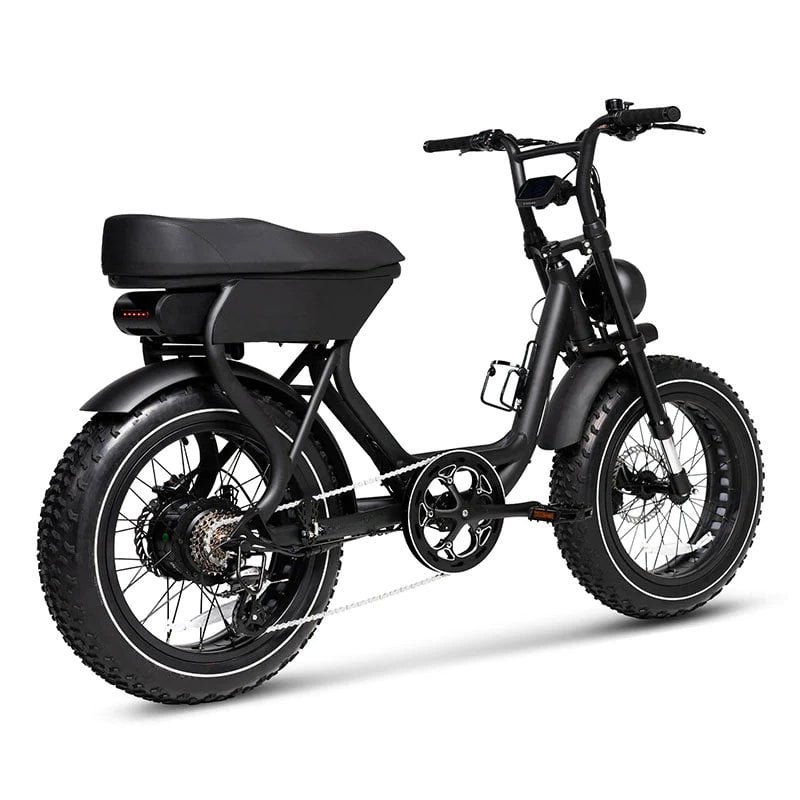
High-powered e-bikes like a 1000w ebike generate substantially more force during acceleration and climbing than conventional bicycles. Your tires must absorb this energy efficiently while maintaining control and grip. Many builders overlook the tire component, focusing instead on motor power and battery capacity. However, poorly chosen tires can negate the advantages of your premium drivetrain and lead to premature wear, reduced efficiency, and safety risks on challenging surfaces.
A 48v ebike motor system provides sustained torque that reaches the ground through your tires. When you accelerate from a stop, your 1000w ebike places extreme pressure on the contact patch. Tires designed for passive bikes often slip or spin under this load, wasting motor energy and reducing acceleration smoothness. All terrain tires designed specifically for electric mountain bikes feature reinforced sidewalls and aggressive tread patterns that resist wheel spin and maximize power transfer to the ground.
The rolling resistance of your tire directly affects battery range. Heavier, slower-rolling tires drain your battery faster, while efficient tires help you travel farther on each charge. For a 48v ebike, the tire compound must balance rolling efficiency with grip, especially when carrying cargo or tackling steep grades where your motor works hardest. Choosing tires engineered for high-power applications ensures you extract maximum range from your system.
A typical 1000w 48v electric bicycle weighs significantly more than a standard bicycle due to the motor, battery, and frame reinforcement. Add rider weight, and your tires support substantially higher loads than conventional bike tires. Standard road or hybrid tires often fail prematurely under this weight, developing flat spots or sidewall damage. All terrain tires designed for electric mountain bikes feature thicker rubber compounds and reinforced casing construction that withstands the continuous stress of powered riding.
Puncture resistance becomes more critical on an electric mountain bike. When your motor is engaged, puncture flats often occur at higher speeds, making sudden stops dangerous. Premium all terrain tires incorporate multiple layers of thorn-resistant material and advanced rubber formulations that reduce puncture likelihood on rough surfaces, gravel, and rocky trails.
The tread pattern you select determines how your 1000w ebike performs across different surfaces. Aggressive, knobby treads provide superior grip on loose terrain, mud, and rocks but increase rolling resistance on pavement. For versatile all terrain riding, a mixed-pattern tire combines larger center knobs for road efficiency with intermediate side knobs for cornering grip on loose surfaces. This compromise works well for builders planning to ride varied terrain without committing to either extreme.
Electric mountain bikes benefit from slightly deeper treads than standard trail bikes because the additional motor power encourages faster speeds and more aggressive riding styles. A tire with 3 to 5 millimeters of tread depth provides excellent all terrain performance while maintaining acceptable rolling efficiency on hardpack and road sections. Deeper treads shed mud more effectively on wet trails, an important consideration if you ride in variable weather conditions.
The sidewall is where your tire's durability truly shows. Your 48v ebike's motor delivers power surges that send shock loads through the tire structure, especially during rapid acceleration or steep climbing. Look for all terrain tires with reinforced sidewalls that resist bursting and pinch flats. Double-ply or triple-ply sidewall construction is standard for quality 1000w ebike applications and costs only marginally more than basic designs.
The rubber compound used in the sidewall also matters significantly. Softer compounds provide better grip and comfort but wear faster, while harder compounds last longer but feel less responsive. For a 1000w 48v electric bicycle, a middle-ground compound offers the best balance of durability and performance across varied terrain without excessive heat buildup during aggressive riding.
Your wheel size and available frame clearance determine the tire width you can run. Wider tires, often called fat tires or plus-tires, provide better traction and impact absorption on rough surfaces but reduce overall rolling efficiency and may not fit all frame geometries. Most 1000w ebike builds use 26-inch or 29-inch wheels with tire widths between 2.1 and 2.8 inches, balancing traction with efficiency. Your electric mountain bike frame should have at least one inch of clearance on each side of the tire to accommodate mud and debris buildup.
Tire pressure significantly affects how a 1000w ebike handles different terrain. Lower pressures increase grip and comfort but raise rolling resistance and puncture risk. Higher pressures reduce rolling resistance but provide less traction and a harsher ride. For a 48v ebike, running pressures at the lower end of the recommended range provides better traction during motor-assisted climbing while still maintaining reasonable efficiency.
Reputable tire manufacturers invest heavily in research specific to electric bicycles and high-torque applications. Tires engineered for electric mountain bikes undergo testing that standard bike tires don't experience. Look for brands known for reinforced sidewalls, advanced rubber compounds, and documented performance across terrain types. Reading reviews from other 1000w ebike builders provides valuable insight into real-world durability and handling characteristics.
Testing conditions matter when evaluating tire options for your 1000w 48v electric bicycle. Tires that excel on smooth trails may struggle on rock gardens, while aggressive tread patterns designed for mud might feel sluggish on pavement. Consider the terrain you'll encounter most frequently in your local area and weight that heavily in your selection process for the best all terrain tire choice.
Most builders find that 2.3 to 2.6-inch wide tires provide an excellent balance for a 1000w ebike. Wider tires offer more traction and impact absorption but increase rolling resistance and may not fit all frames. Narrower tires reduce weight and rolling resistance but provide less grip during acceleration and climbing. Your specific terrain and frame geometry should guide the final decision for your 48v ebike setup.
All terrain tires on a 1000w 48v electric bicycle typically last 1,500 to 3,000 miles depending on terrain, riding style, and tire quality. Rocky trails and aggressive riding accelerate wear significantly compared to road riding. Inspect your tires regularly for tread depth and sidewall damage. When tread depth falls below 2 millimeters or you notice repeated punctures, replacement time has arrived to maintain safety and performance.
While technically possible, standard bicycle tires are not recommended for a 1000w 48v electric bicycle. The additional weight, motor torque, and higher speeds place stresses on tire construction that standard models don't handle well. Tires specifically engineered for electric mountain bikes feature reinforced sidewalls, puncture-resistant compounds, and tread patterns optimized for powered acceleration and sustained climbing that standard bike tires simply cannot match.
2026/08/03
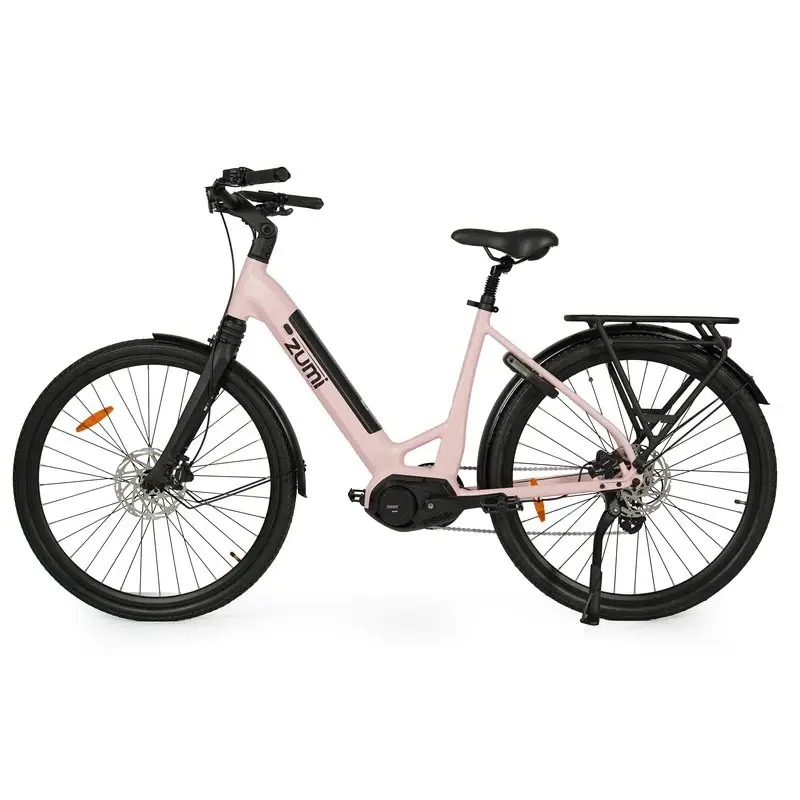
Fix time zones, language gaps, and unclear protocols—boost speed, cut costs, and scale confidently.
2026/08/03
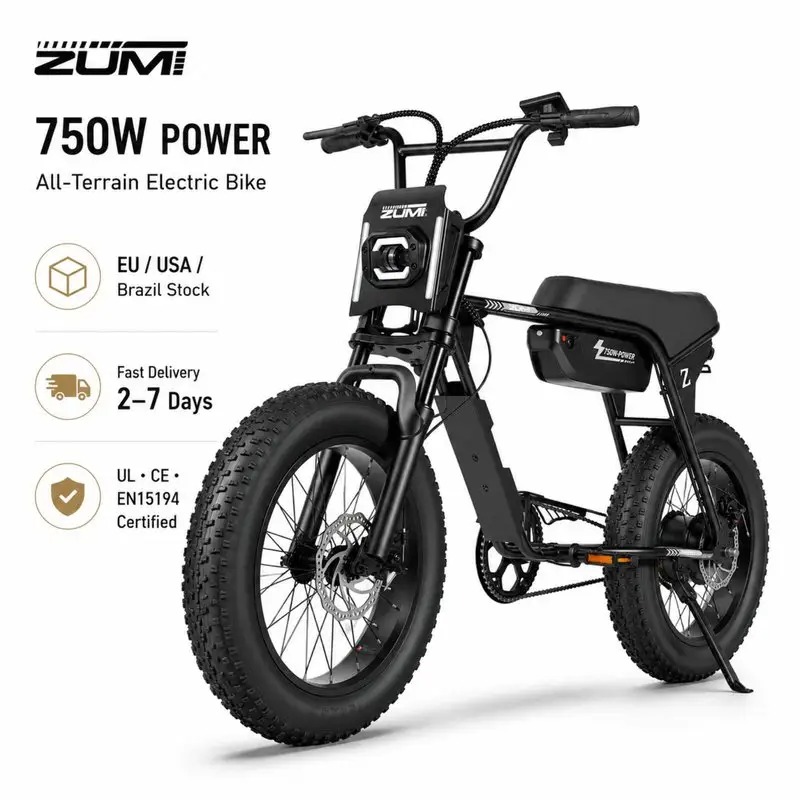
Avoid liability & import bans: Learn IEC 62619, UN 38.3, and UL 2271—plus how to verify real compliance (not fakes).
2026/08/03
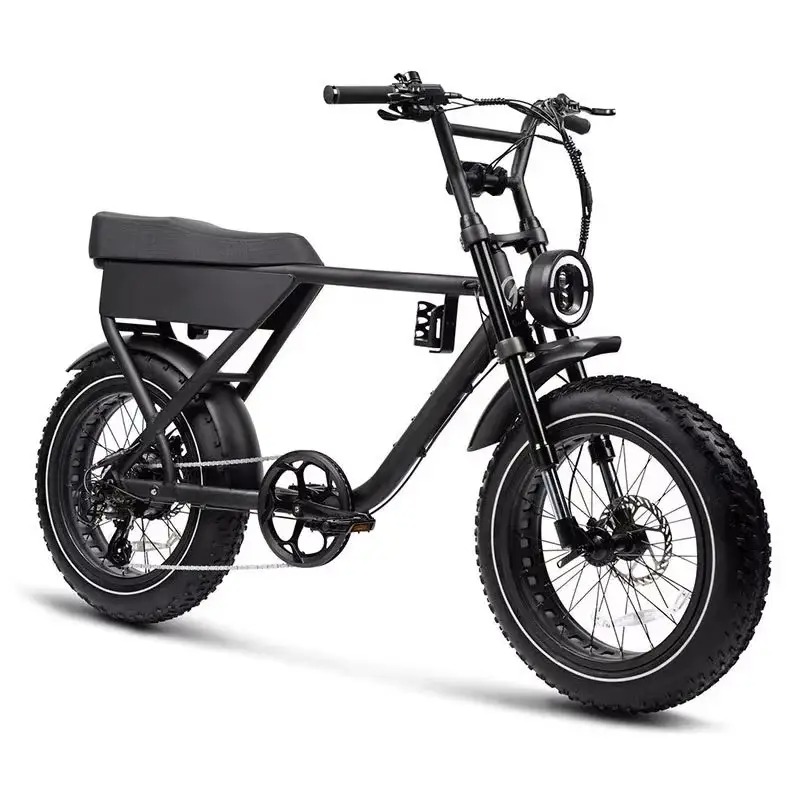
Learn precise air pressure, rebound & compression tuning for optimal suspension performance. Get pro-level setup tips now.
2026/08/03
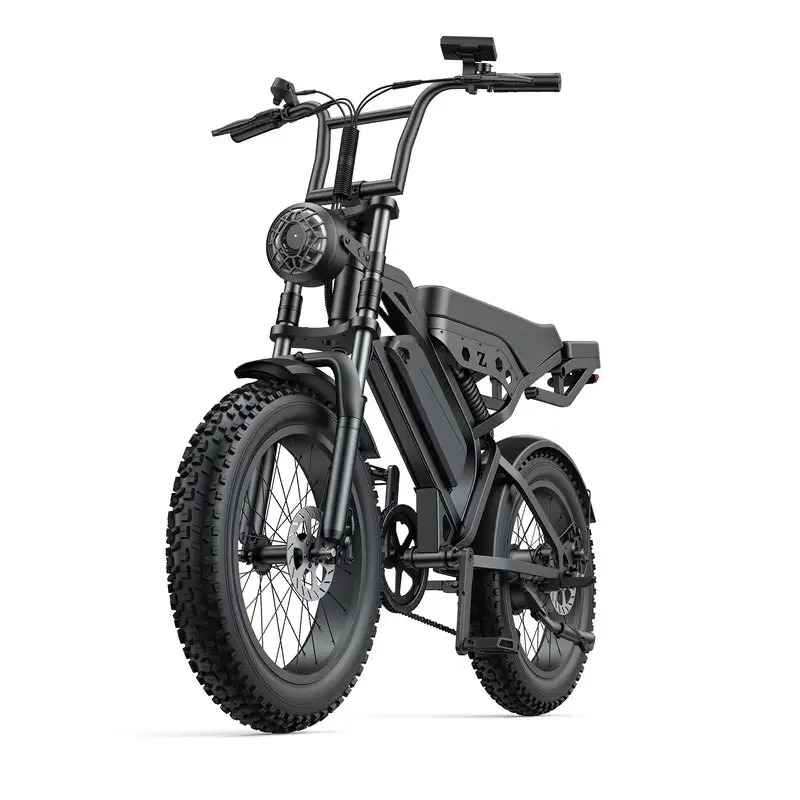
Discover how voltage drop saps performance—and proven fixes to restore responsiveness, range, and battery life. Read now.
2026/08/03
Discover data-backed protocols, smart infrastructure & operational fixes. Optimize now.
2026/08/03
How payload cuts 48V cargo ebike range by 15–50%+ — backed by real-world degradation curves, motor load science & fleet optimization strategies.
Comprehensive warranty, fast parts shipping, remote diagnostics and local dealer training


