 EN
EN
STEP 1
Full vehicle warranty for 2 years
2026/09/07
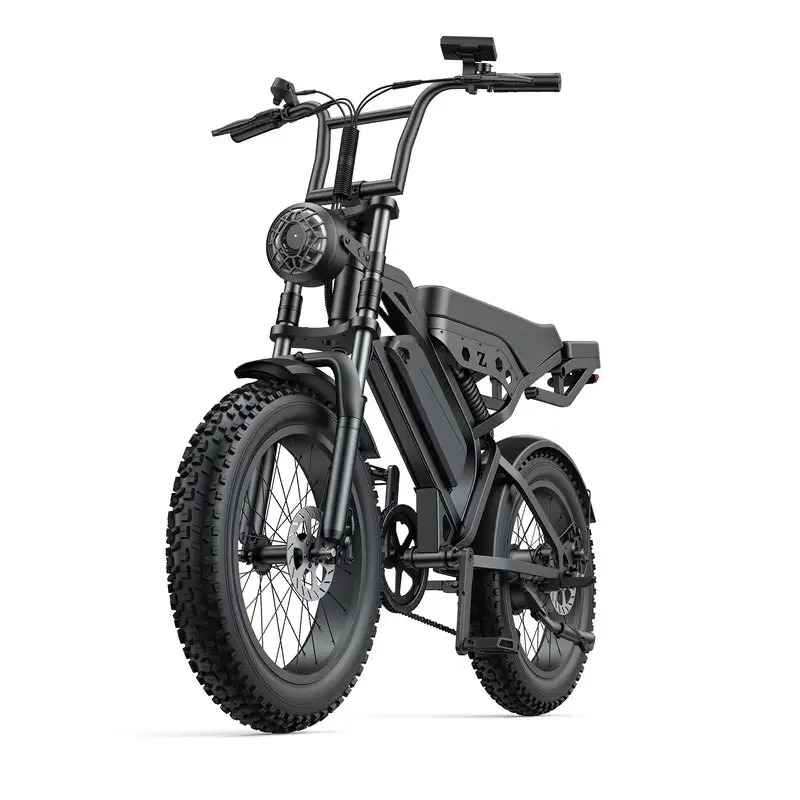
Selecting the right electric cargo bike model requires understanding the fundamental differences between long tail and box style designs. Both configurations serve commercial and personal transport needs, yet they excel in distinctly different scenarios. Long tail electric cargo bikes extend the wheelbase and cargo platform behind the rear wheel, while box style designs feature an enclosed or semi-enclosed cargo container mounted between the front wheel and rider seat. Your choice between these two styles will significantly impact operational efficiency, storage capacity, user experience, and total cost of ownership.
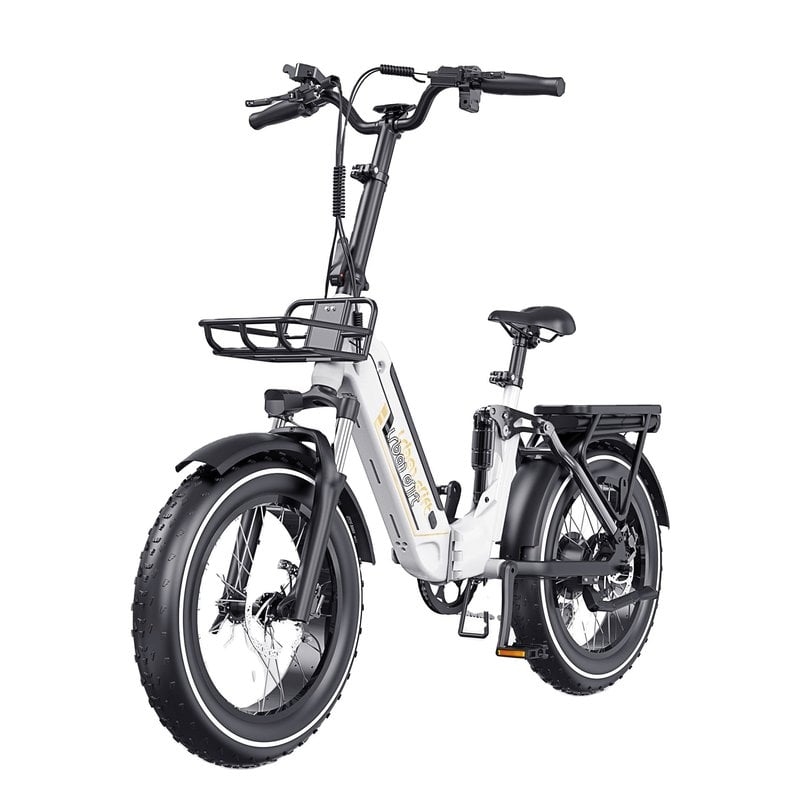
Understanding these design differences is essential for last-mile delivery services, e-commerce fulfillment, and urban family transport. A compact electric cargo bike must balance payload capacity with maneuverability on congested city streets. Fat tire cargo ebike models offer superior traction and load distribution, but frame geometry, cargo accessibility, and riding dynamics vary significantly between styles. Wholesale electric cargo bike buyers and fleet operators especially benefit from this comparison, as selecting the wrong platform can lead to inefficiency, increased maintenance costs, and reduced driver satisfaction.
Long tail electric cargo bikes feature an extended rear cargo platform that can accommodate multiple bags, boxes, or passengers. The cargo sits low and centered over the rear wheel, which enhances stability and handling compared to front-loaded alternatives. This design allows a long tail electric cargo bike to carry children in specially designed seats, making it ideal for family transport in urban environments. The open platform also simplifies loading and unloading tasks, as operators do not need to lift cargo high or navigate around enclosed structures.
The extended wheelbase of a long tail electric cargo bike distributes weight naturally backward, reducing front-wheel lift during acceleration and improving rider control. Delivery professionals favor this style because loose packages, envelopes, and small parcels can be arranged quickly without specialized mounting systems. A fat tire cargo ebike variant with long tail geometry provides exceptional traction on wet or unpaved surfaces, making it suitable for last-mile routes that traverse varied terrain.
Despite the extended length, a compact electric cargo bike with long tail design remains surprisingly agile in tight urban corridors. The cargo platform sits behind the rear axle, so the turning radius is primarily determined by the front wheel and frame geometry rather than cargo projection. Riders report that long tail electric cargo bike models feel similar to standard bicycles when unloaded, allowing them to navigate narrow alleys, busy intersections, and crowded pedestrian zones effectively.
Parking and storage present fewer challenges with long tail designs because the extended platform does not protrude significantly upward or outward. This makes a fat tire cargo ebike with long tail geometry easier to park in standard bike racks or against building walls. Urban couriers and micro-mobility operators increasingly choose long tail electric cargo bike platforms for their combination of capacity and navigational flexibility.
Box style electric cargo bikes feature a protective enclosure that shields cargo from rain, wind, and temperature fluctuations. This design is ideal for food delivery, pharmaceuticals, and temperature-sensitive items where environmental protection directly impacts product quality and customer satisfaction. A compact electric cargo bike with box style design can maintain consistent internal conditions through insulation and sealed access points, reducing spoilage and customer complaints.
The enclosed configuration also enhances security and theft prevention compared to exposed platform designs. Valuable inventory remains out of sight and harder to access, which is particularly important for high-value wholesale electric cargo bike operations. Professional delivery operators appreciate the professional appearance of box designs, which reinforces brand identity and customer confidence in the service.
Box style electric cargo bikes typically include interior shelving, compartments, or hanging systems that organize items systematically. A fat tire cargo ebike model with box design allows drivers to sort packages by destination or category, streamlining pickup and delivery sequences. Multiple access points, including hinged doors and removable dividers, improve workflow efficiency during high-volume delivery periods.
Handlers do not need to struggle with balancing multiple packages on open platforms; the enclosed structure provides natural organization and eliminates the risk of items shifting or falling during transport. This design feature particularly benefits long-distance routes and operations with diverse cargo types. Wholesale electric cargo bike buyers often favor box designs for their superior organization capabilities and professional presentation.
Long tail electric cargo bikes maintain lower center of gravity because cargo sits directly over or near the rear axle. This geometry improves stability at higher speeds and when navigating curves, providing riders with natural, predictable handling. A compact electric cargo bike with this design feels balanced even when fully loaded, reducing rider fatigue during extended shifts.
Box style electric cargo bikes concentrate weight higher and more forward, which can affect handling at lower speeds and during tight maneuvers. However, this design excels on consistent routes and higher-speed corridors where the enclosed structure provides aerodynamic benefits and reduced wind resistance. Fat tire cargo ebike variants with box geometry compensate for handling differences through wider tires and lower-pressure inflation, maintaining traction and control.
Long tail electric cargo bikes generally feature simpler mechanical systems with fewer moving parts, which reduces maintenance complexity and extends component lifespan. The basic frame design requires less frequent alignment adjustments compared to box-style platforms that may experience vibration-induced loosening of mounting hardware. A long tail electric cargo bike also typically weighs less than a comparable box design, reducing motor strain and extending battery range.
Box style electric cargo bikes require regular inspection of hinges, locks, and door seals to maintain weather protection effectiveness. Repair costs may escalate if the box structure sustains damage or internal components require replacement. However, the professional appearance and superior cargo protection often justify these additional maintenance costs for premium delivery services.
Urban delivery operators in congested metropolitan areas typically benefit from long tail electric cargo bike flexibility and maneuverability. Compact electric cargo bike designs with this platform excel in dense neighborhoods where parking space is limited and quick access to cargo matters. Alternatively, wholesale electric cargo bike operations and food delivery services often prefer box designs for their professional presentation and cargo security features.
Fat tire cargo ebike options exist in both styles, each offering distinct advantages based on terrain and cargo type. Long tail variants provide versatility and speed, while box variants provide protection and organization. The optimal choice depends on specific operational requirements, customer expectations, and infrastructure availability in your service region.
Both styles can handle comparable total weight, but they distribute load differently. A long tail electric cargo bike places cargo weight directly over the rear axle, providing stable support for very heavy packages. Box style designs distribute weight across the frame structure but may require reinforced suspension components. The maximum payload capacity depends more on the motor power and battery system than the cargo style itself.
Long tail electric cargo bike models are particularly well-suited for family transport because they accommodate multiple children safely and maintain excellent handling characteristics. Box style designs also serve family purposes but are less common for this use case. A fat tire cargo ebike in long tail configuration offers the best stability and control for transporting children and household items on varied urban routes.
Long tail electric cargo bike designs require minimal specialized maintenance beyond standard bicycle care. Box style platforms demand regular inspection of enclosure seals, hinges, and interior organization systems to maintain their protective benefits. Both styles benefit from periodic hub and brake alignment checks, but the simpler geometry of long tail designs generally reduces maintenance frequency and complexity over time.
2026/08/03
Fix time zones, language gaps, and unclear protocols—boost speed, cut costs, and scale confidently.
2026/08/03
Avoid liability & import bans: Learn IEC 62619, UN 38.3, and UL 2271—plus how to verify real compliance (not fakes).
2026/08/03
Learn precise air pressure, rebound & compression tuning for optimal suspension performance. Get pro-level setup tips now.
2026/08/03
Discover how voltage drop saps performance—and proven fixes to restore responsiveness, range, and battery life. Read now.
2026/08/03
Discover data-backed protocols, smart infrastructure & operational fixes. Optimize now.
2026/08/03
How payload cuts 48V cargo ebike range by 15–50%+ — backed by real-world degradation curves, motor load science & fleet optimization strategies.
Comprehensive warranty, fast parts shipping, remote diagnostics and local dealer training


