 EN
EN
STEP 1
Full vehicle warranty for 2 years
2026/08/11
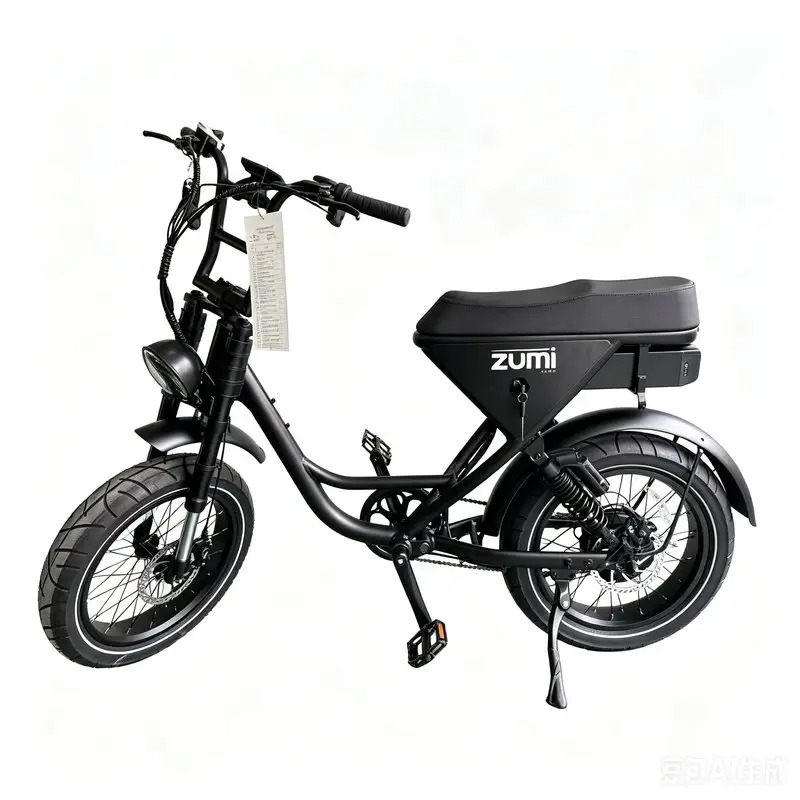
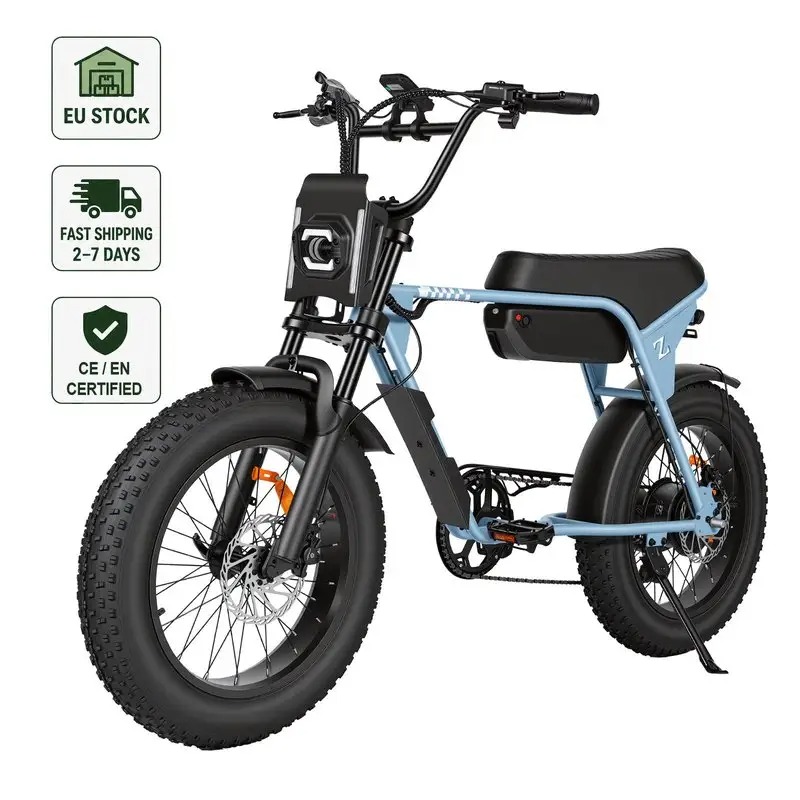
Choosing the right fork type is one of the most critical decisions when building or purchasing a fat tire ebike. Whether you opt for a rigid fork or a suspension fork significantly impacts your riding experience, comfort level, and how your fat tire ebike performs across different terrain. The fork you select will determine how your bike absorbs impacts, handles rough surfaces, and maintains control during acceleration and braking.
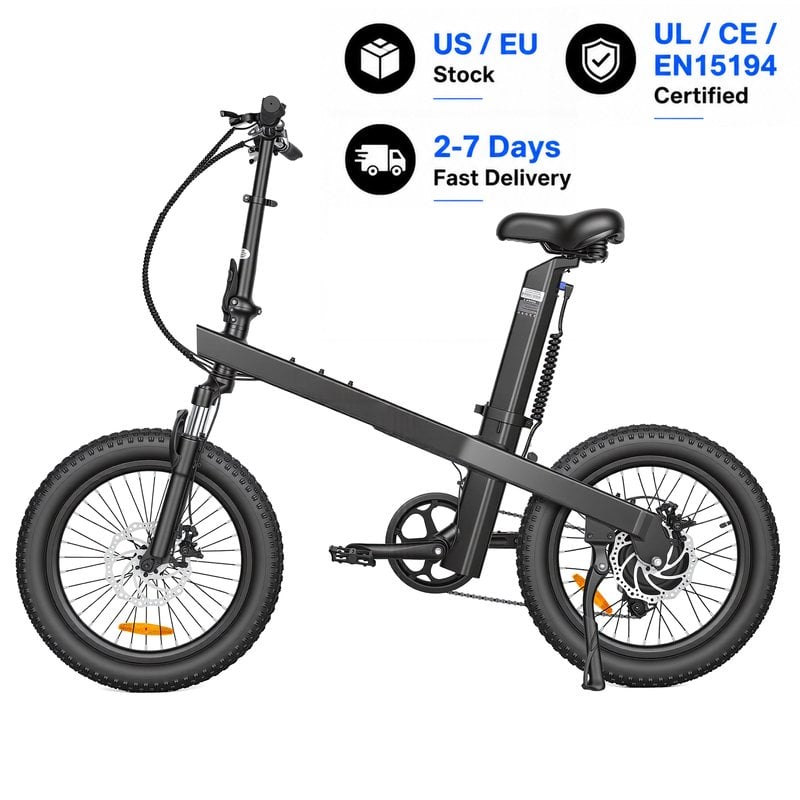
A fat tire ebike cruiser benefits from thoughtful fork selection because the wide tires alone provide some shock absorption, but a fork choice determines whether you get a smooth, efficient ride or enhanced comfort and versatility. Understanding the trade-offs between rigid and suspension options helps you match your riding style, budget, and terrain preferences to the ideal setup.
Rigid forks are solid, non-moving front fork structures with no suspension components. On a fat tire ebike, a rigid fork connects the front wheel directly to the frame without any shock-absorbing mechanism between them. This straightforward design has been used in cycling for decades and remains popular on many electric bike models, especially entry-level and budget-conscious custom fat tire ebike builds.
Rigid forks offer several practical benefits for fat tire ebike owners. First, they are significantly lighter than suspension alternatives, which improves overall bike handling and reduces the motor workload on a 750w fat tire ebike or lower-powered models. Second, rigid forks require minimal maintenance—no oil seals, springs, or damping systems to service. Third, they deliver better power transfer and efficiency; every bit of pedaling energy goes directly into forward motion rather than compressing suspension components. Fourth, rigid forks are more affordable, making them ideal for budget-conscious riders building their first custom fat tire ebike. Finally, the direct connection between wheel and frame offers predictable, responsive handling on flat surfaces and hardpack terrain.
Suspension forks use springs, dampers, or air chambers to absorb impacts and allow the front wheel to move vertically independently of the frame. On a fat tire ebike cruiser, suspension travel typically ranges from 50 to 150 millimeters, depending on the fork model and intended terrain. The suspension compresses when encountering obstacles, then rebounds, reducing the shock felt by the rider and front wheel.
Suspension forks dramatically improve comfort on rough, uneven surfaces—a major advantage when riding a fat tire ebike on gravel, sand, or light trails. They reduce hand fatigue, arm strain, and overall body fatigue during longer rides because impacts are cushioned rather than transmitted directly to your upper body. Suspension also improves traction and wheel contact on irregular terrain, which is especially valuable for a fat tire ebike 750w model climbing steep, bumpy sections. Additionally, suspension forks enhance braking control and stability when descending, as the wheel can maintain better contact with the ground during deceleration.
Your primary riding terrain should strongly influence your choice between rigid and suspension forks on a fat tire ebike. Rigid forks excel on smooth pavement, groomed bike paths, and packed dirt surfaces. They suit riders who primarily cruise on predictable, well-maintained routes. Suspension forks shine on rocky terrain, sand dunes, beach rides, and technical trails where impacts and obstacles are frequent. If your fat tire ebike cruiser will encounter mixed terrain—combining smooth sections with rough patches—a suspension fork provides versatility and reduces fatigue across varied conditions.
Consider how you plan to use your fat tire ebike. Urban commuters and casual cruisers who prioritize efficiency and minimal maintenance often prefer rigid forks. Adventurous riders exploring diverse landscapes benefit from suspension. A 750w fat tire ebike with a suspension fork becomes more capable off-road, while the same motor paired with a rigid fork remains ideal for urban speed and efficiency. Long-distance riders on varied terrain gain comfort advantages from suspension, while short recreational loops on smooth surfaces justify a rigid setup. Your custom fat tire ebike should match your actual riding patterns, not theoretical maximum capability.
Rigid forks keep your fat tire ebike lighter, which extends battery range and reduces strain on the motor during acceleration and uphill climbing. This efficiency gain is noticeable on lower-powered models and becomes significant over extended rides. Suspension forks add roughly one to three pounds of weight, which consumes more battery capacity to maintain speed. However, on technical terrain where suspension allows faster, safer riding, the efficiency loss may be offset by improved performance and reduced rider effort.
Rigid forks demand almost no maintenance beyond occasional cleaning. Suspension forks require periodic servicing—spring preload adjustments, damper oil changes, and seal replacements—every one to two years depending on use intensity. If you prefer a low-maintenance fat tire ebike cruiser, a rigid fork eliminates these tasks entirely. Budget-conscious riders should factor service costs into the total cost of ownership when selecting suspension.
Both fork types represent solid long-term investments for your fat tire ebike. Rigid forks rarely wear out and provide consistent performance for many years with minimal intervention. Suspension forks eventually require seal replacement or oil refresh, but quality units last ten years or more with proper care. When building a custom fat tire ebike, consider whether you might upgrade the fork later as your riding evolves. Many riders start with rigid for simplicity, then add suspension as they explore more challenging terrain.
If your primary riding occurs on smooth surfaces and you value efficiency and low maintenance, start with a rigid fork. If you plan to explore varied terrain or prioritize comfort during longer rides, a suspension fork justifies the extra cost and maintenance. Many riders find suspension worthwhile on a fat tire ebike cruiser because the wide tires combined with suspension create an exceptionally comfortable experience. Your budget and intended terrain should drive this decision—neither choice is wrong.
Absolutely. A 750w fat tire ebike with a rigid fork remains efficient and capable on most surfaces. The combination delivers responsive handling, excellent motor efficiency, and straightforward maintenance. The wide fat tires themselves absorb considerable shock, so rigid forks work surprisingly well on moderately rough terrain. This setup suits riders prioritizing range and reliability over maximum terrain versatility.
Rigid forks have virtually no annual maintenance costs beyond occasional cleaning. Suspension forks typically require fifty to two hundred dollars in annual service, depending on fork quality and riding intensity. Over five years, suspension maintenance costs accumulate, but quality suspension forks rarely fail completely. If you ride frequently in rough conditions, the improved control and comfort often justify the maintenance expense on your fat tire ebike.
2026/08/03
Fix time zones, language gaps, and unclear protocols—boost speed, cut costs, and scale confidently.
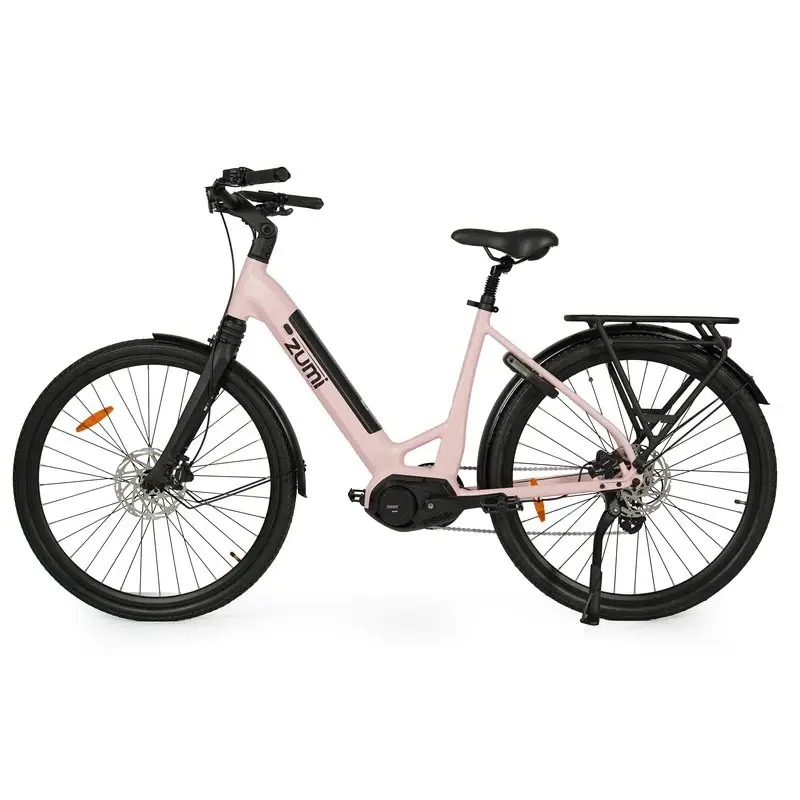
2026/08/03
Avoid liability & import bans: Learn IEC 62619, UN 38.3, and UL 2271—plus how to verify real compliance (not fakes).
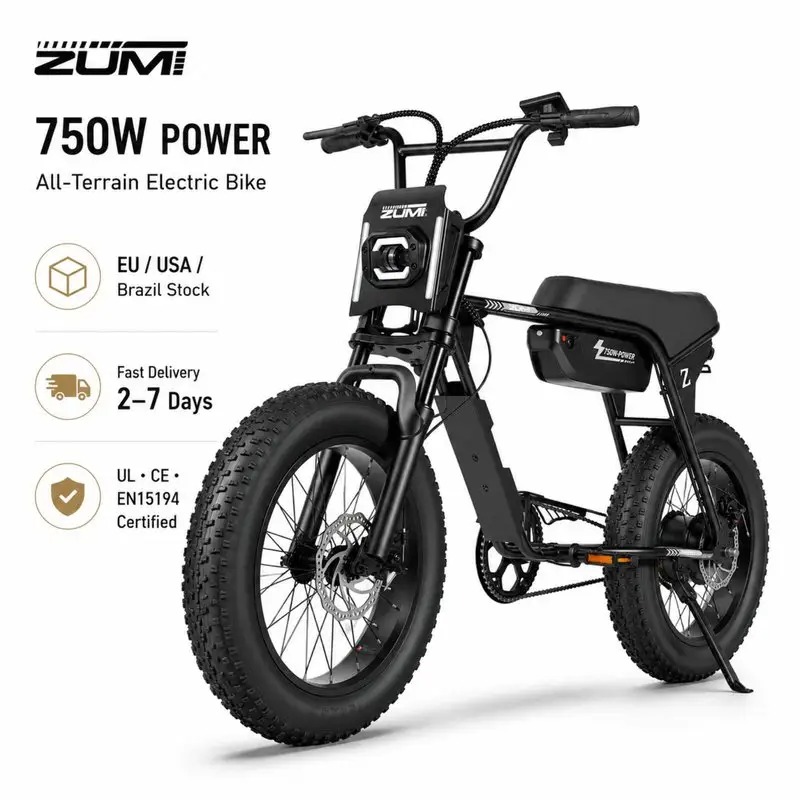
2026/08/03
Learn precise air pressure, rebound & compression tuning for optimal suspension performance. Get pro-level setup tips now.
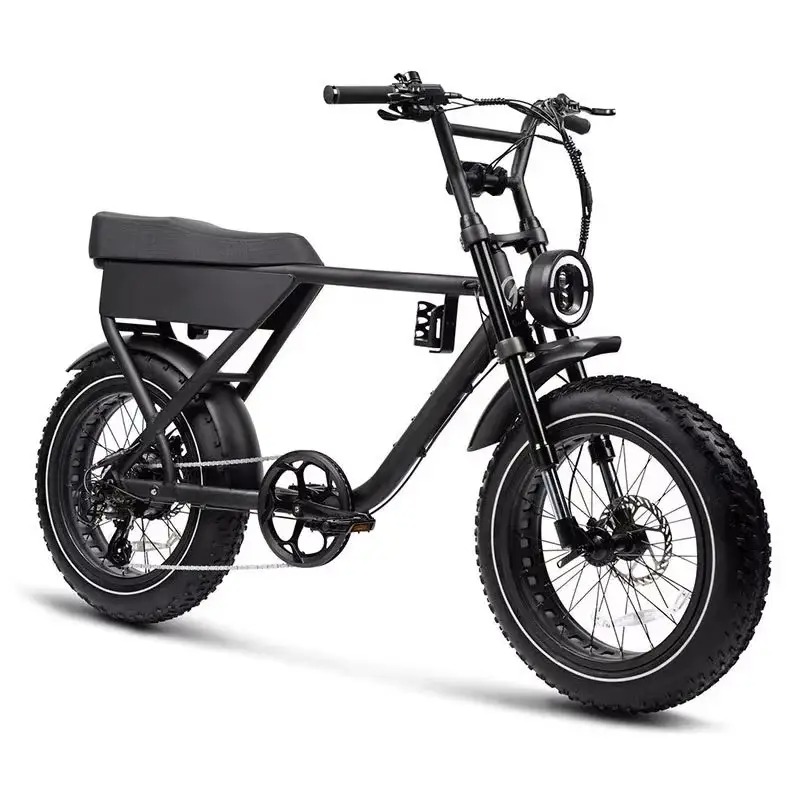
2026/08/03
Discover how voltage drop saps performance—and proven fixes to restore responsiveness, range, and battery life. Read now.
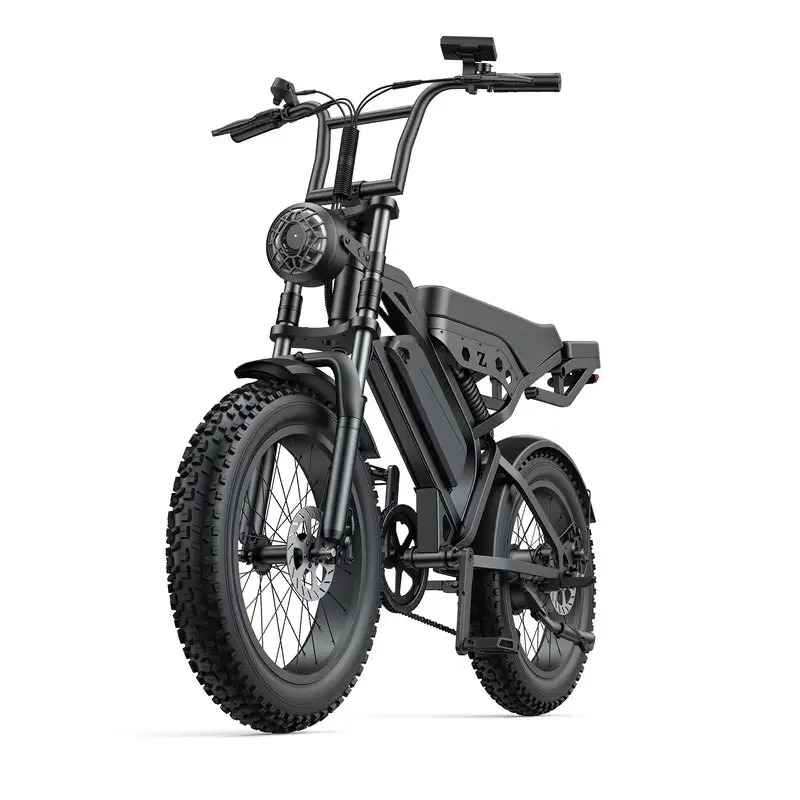
2026/08/03
Discover data-backed protocols, smart infrastructure & operational fixes. Optimize now.
2026/08/03
How payload cuts 48V cargo ebike range by 15–50%+ — backed by real-world degradation curves, motor load science & fleet optimization strategies.
Comprehensive warranty, fast parts shipping, remote diagnostics and local dealer training


