 EN
EN
STEP 1
Full vehicle warranty for 2 years
2026/08/05
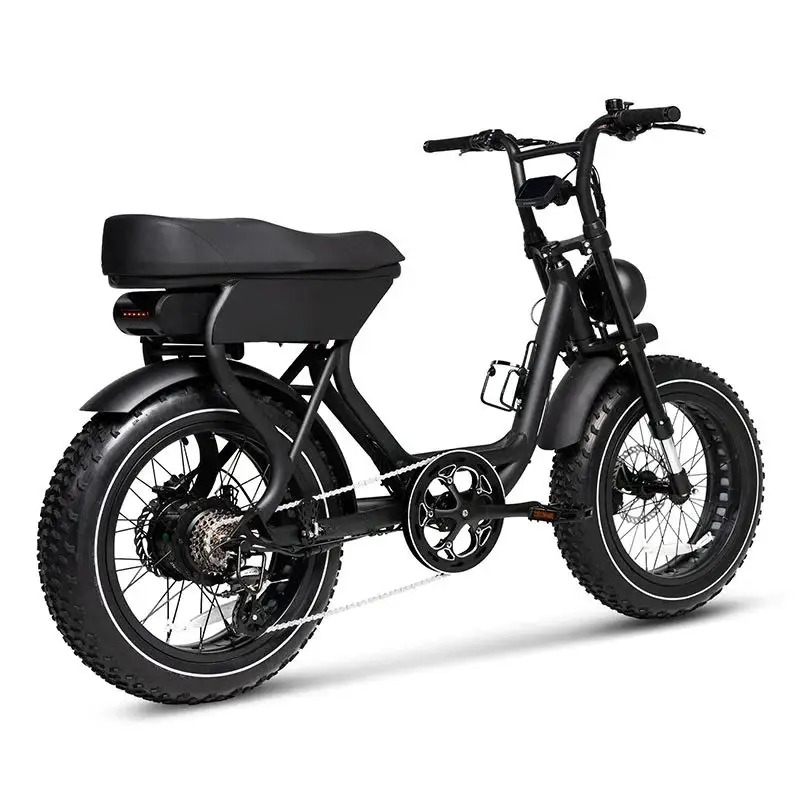
Selecting the right controller configuration is one of the most critical decisions when partnering with e bicycle manufacturers. The controller acts as the brain of an electric bike system, managing power delivery, motor speed, braking behavior, and safety features. Whether you are sourcing bikes for retail distribution, fleet operations, or custom builds, understanding controller specifications directly impacts performance, reliability, and customer satisfaction. Working closely with an ebike manufacturer during the controller selection phase ensures your final product meets market demands, regulatory standards, and operational budgets.
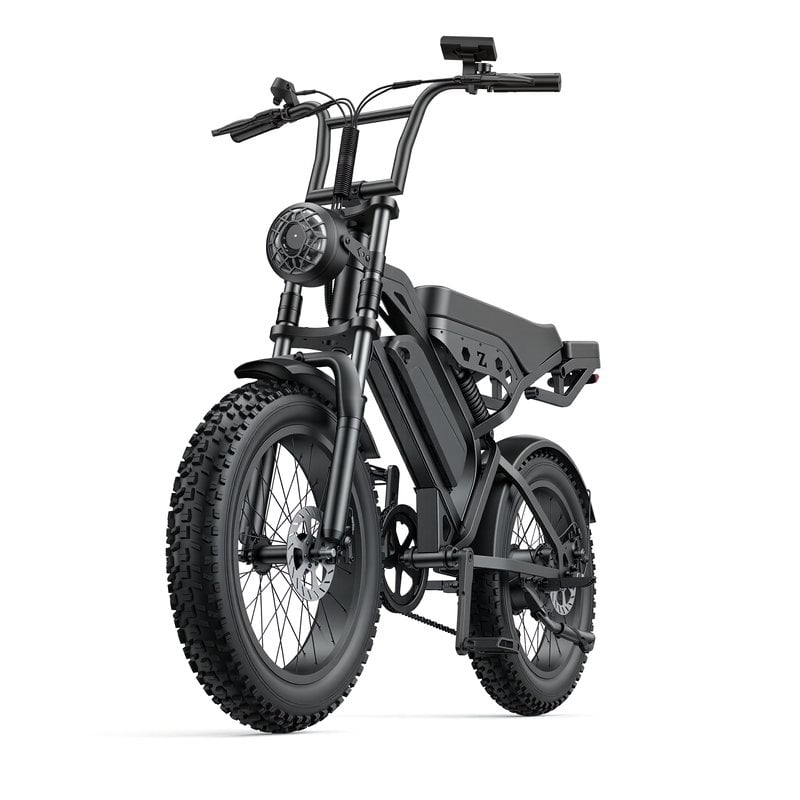
The controller configuration process involves several interconnected technical and business considerations. Voltage ratings, current limits, motor type compatibility, display interfaces, and safety certifications all play essential roles in determining system performance. An ebike factory with extensive experience in controller integration can guide you through these variables, helping you avoid costly mistakes and accelerate time-to-market. This article explores the key factors that influence controller selection and provides practical guidance for making informed decisions with your ebike manufacturer partner.
Controller voltage and current ratings directly determine the power output and efficiency of your electric bike system. Most ebike factory configurations operate within 24V, 36V, 48V, or 72V systems, with current ratings typically ranging from 20A to 50A depending on motor size and application. Higher voltage systems deliver greater range and faster acceleration but require more robust battery packs and wiring. When discussing your needs with an electric bike wholesale distributor or ebike manufacturer, clarify your target motor wattage and intended use case. A controller rated for 48V 30A, for example, will maximize performance with mid-drive motors and provide excellent torque delivery for cargo bikes, while 36V 20A systems suit lightweight commuter models with lower power requirements.
Controllers must be precisely matched to motor type, whether brushless direct drive, brushless geared, or hub motors. Each motor design requires specific controller firmware and communication protocols to operate safely and efficiently. An ebike factory with proven experience integrating multiple motor suppliers will help you navigate compatibility challenges. Brushless controllers use sensor inputs to determine rotor position and timing, while sensorless variants estimate motor speed through back EMF signals. Your ebike manufacturer can recommend controllers optimized for your chosen motor, reducing integration risks and ensuring smooth acceleration response. Mismatched motor-controller pairs often result in poor efficiency, excessive heating, and premature component failure.
Modern e bicycle manufacturers offer multiple display technologies, from basic LED indicators to advanced color LCD screens with Bluetooth connectivity. The display interface directly impacts user experience, allowing riders to monitor battery state of charge, speed, power consumption, and assist level. When working with an ebike factory, consider whether you need integration with smartphone apps, wireless diagnostics, or simplified mechanical controls for price-sensitive markets. LCD displays add cost but improve customer retention through enhanced transparency. Simpler LED indicators reduce manufacturing complexity and support higher-volume production. Your electric bike wholesale strategy may benefit from offering multiple display tiers, allowing you to serve different market segments with a single motor-controller platform.
Advanced controller configurations include cutoff logic that disengages motor power when brake levers are pulled, preventing unexpected acceleration and improving safety. Some ebike factory solutions integrate regenerative braking, capturing kinetic energy during deceleration to extend range. Sensor-based braking systems communicate brake engagement to the controller in real time, while mechanical switch systems provide simpler, more durable alternatives for rugged applications. Safety certifications like CE, UL, or FCC often mandate specific braking response times and power-down sequences. Your ebike manufacturer should provide detailed braking specifications and validate them against regional regulations before production begins. This proactive approach prevents recall risks and warranty issues that could damage market reputation.
Controller sourcing and integration represent significant complexity in electric bike wholesale operations. An experienced ebike factory maintains relationships with multiple controller suppliers, ensuring business continuity during component shortages. When selecting a controller configuration, verify that your ebike manufacturer can source backup options without requiring complete system redesign. Firmware customization, connector standardization, and assembly process optimization all reduce production costs at scale. Ask your e bicycle manufacturers partner about their supply agreements, quality assurance protocols, and typical lead times. Factories that have achieved volume production with their chosen controller platform can often deliver more competitive pricing and faster turnaround times.
Controller costs typically represent 15 to 25 percent of total ebike system expense, making this configuration decision significant for your profit margins. An ebike factory can help identify opportunities for cost reduction through bulk component sourcing, simplified feature sets, or standardized configurations across product lines. However, cost optimization must not sacrifice safety, reliability, or regulatory compliance. Your electric bike wholesale distributor or direct ebike manufacturer partnership should include transparent pricing discussions, volume discounts, and clear specifications for quality control. Negotiating long-term agreements with your ebike factory often yields better per-unit costs than one-off purchases, improving your competitive position in the market.
Voltage selection depends on your target market, motor power, and intended range. Commuter bikes often use 36V or 48V systems, while cargo and performance models may benefit from 48V or higher. Work with your ebike manufacturer to analyze battery cost, charging infrastructure requirements, and customer expectations in your market. Higher voltage systems offer better range and acceleration but increase overall system cost and component sizing demands.
Request detailed compatibility matrices from your ebike factory, including sensor pinouts, firmware versions, and tested motor models. Many e bicycle manufacturers provide pre-integrated motor-controller packages that have been validated for reliability. Always verify that brake and display integration has been tested with your specific controller model before committing to production. Firmware mismatches are a common cause of performance issues, so confirm that your ebike manufacturer can provide ongoing technical support.
Controllers must meet regional standards for power output, speed limiting, and safety features. An experienced ebike factory understands CE, UL, FCC, and other relevant certifications, ensuring your controller configuration complies with target market regulations. Braking response times, power cutoff logic, and display accuracy all factor into compliance testing. Selecting a controller with proven certification history reduces risk and accelerates market entry through your electric bike wholesale channels.
2026/08/03
Fix time zones, language gaps, and unclear protocols—boost speed, cut costs, and scale confidently.
2026/08/03
Avoid liability & import bans: Learn IEC 62619, UN 38.3, and UL 2271—plus how to verify real compliance (not fakes).
2026/08/03
Learn precise air pressure, rebound & compression tuning for optimal suspension performance. Get pro-level setup tips now.
2026/08/03
Discover how voltage drop saps performance—and proven fixes to restore responsiveness, range, and battery life. Read now.
2026/08/03
Discover data-backed protocols, smart infrastructure & operational fixes. Optimize now.
2026/08/03
How payload cuts 48V cargo ebike range by 15–50%+ — backed by real-world degradation curves, motor load science & fleet optimization strategies.
Comprehensive warranty, fast parts shipping, remote diagnostics and local dealer training


