 EN
EN
STEP 1
Full vehicle warranty for 2 years
2026/08/04
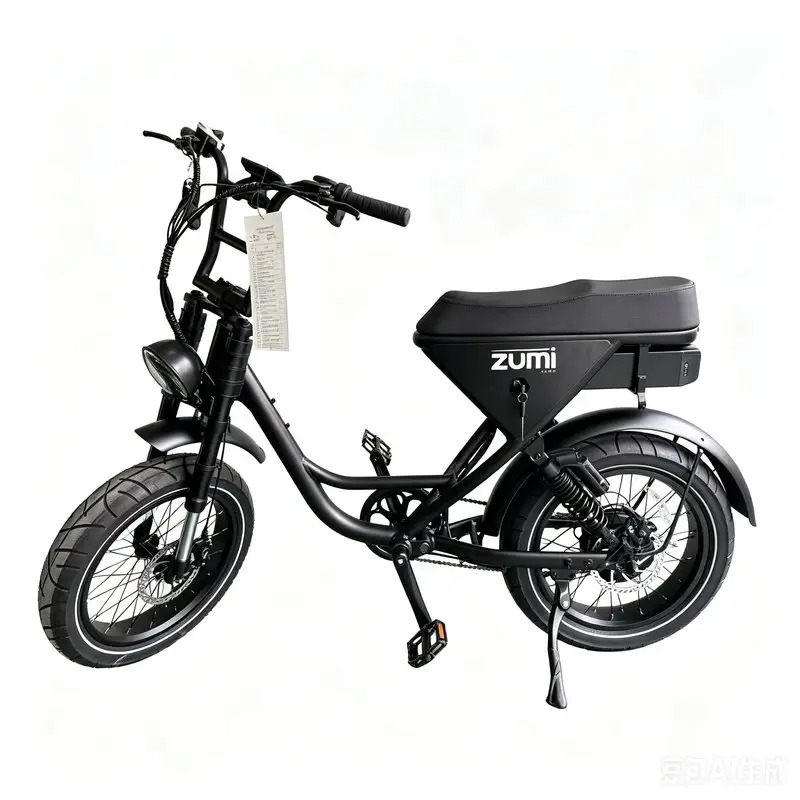
Selecting the right custom decal specifications for your manufacturer e bike is a critical decision that directly impacts brand perception, product durability, and customer satisfaction. Whether you operate as an ebike manufacturer developing your own line or work with an ebike factory to produce electric bikes at scale, decal quality and design specifications determine how your product appears in the marketplace and how well it withstands real-world use. Custom decals are more than aesthetic elements—they represent your brand identity, communicate key technical information, and enhance the overall perceived value of your electric bike wholesale offerings.
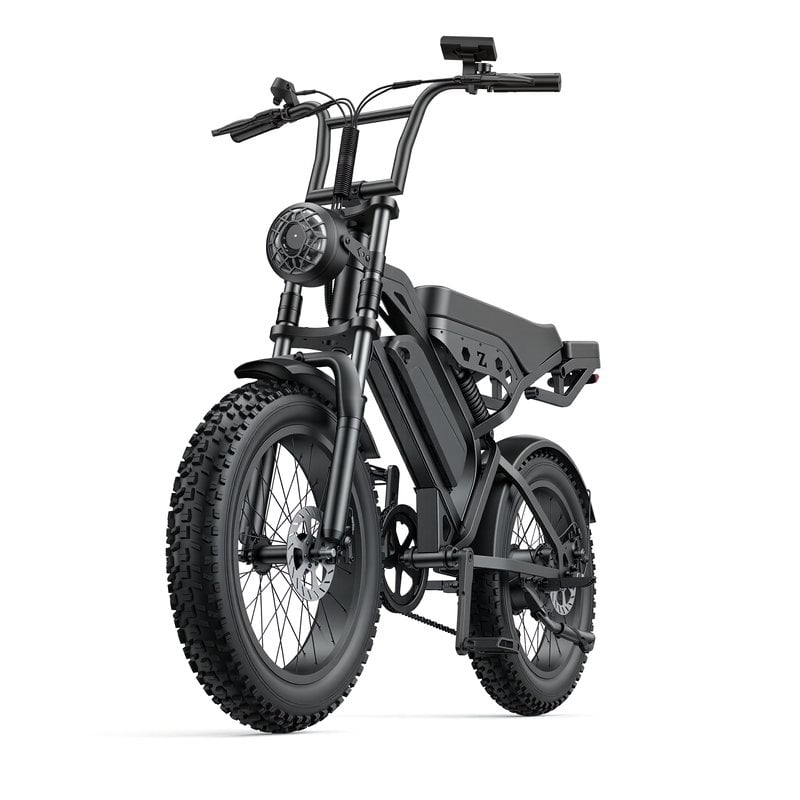
As an ebike manufacturer or electric bike wholesale distributor, you face unique challenges when specifying decals for high-performance electric bikes. Your products operate in varied weather conditions, experience vibration and temperature fluctuations, and require decals that maintain visual appeal throughout their lifespan. Understanding material options, adhesion methods, durability standards, and design considerations ensures your custom decals meet production timelines and customer expectations. This guide walks you through the essential specifications and decision criteria for choosing decals that align with your brand strategy and product reliability goals.
The ebike factory environment demands careful material selection because decals must endure exposure to moisture, UV radiation, and mechanical stress. Vinyl decals, typically 3–5 mil thickness, offer superior durability for outdoor applications and are the preferred choice for most electric bike wholesale producers. They resist fading, scratching, and peeling under normal use conditions. Waterslide decals, by contrast, provide excellent detail reproduction and are ideal for intricate designs but require a protective clear coat layer, which adds production steps. For a manufacturer e bike designed to perform across diverse climates, vinyl remains the industry standard because it bonds directly to frame materials without additional sealing.
Your ebike manufacturer must specify adhesives compatible with your frame material—whether aluminum, carbon fiber, or steel. Pressure-sensitive adhesives work well on smooth, pre-treated surfaces and cure quickly during high-volume production. For an ebike factory scaling output, solvent-based adhesives offer stronger long-term bonds on powder-coated frames commonly found in electric bike wholesale lines. The adhesive you select directly affects application speed, environmental conditions during installation, and final decal longevity. Testing adhesive performance on production-representative samples prevents costly rework and field failures that damage brand reputation.
Custom decal colors must match your brand guidelines precisely, which requires specifying the printing method during the procurement process. Digital printing offers unlimited color gradations and photo-quality imagery, making it suitable for complex designs where an ebike manufacturer wants to showcase product features or lifestyle imagery. Screen printing, though limited to fewer colors, delivers superior color density and durability for high-volume electric bike wholesale production. An ebike factory typically balances color richness against production costs and delivery timelines. Specify Pantone color values to your decal supplier, request physical proofs on your actual frame material, and build color matching into your quality control process.
The manufacturer e bike decal size must balance visual impact with practical constraints imposed by frame geometry and existing graphics. Oversized decals risk overlapping mechanical components or hindering maintenance access, while undersized decals diminish brand visibility and appear amateurish. Your ebike manufacturer should define decal placement zones during frame design to prevent conflicts with welds, cable routing, or component mounting points. An ebike factory serving electric bike wholesale channels must ensure all text—particularly model numbers, safety warnings, and regulatory certifications—remains legible at actual product sizes. Specify minimum text heights (typically 8–10 pt for fine print) and verify readability by viewing production samples from customer viewing distances.
Electric bikes operate outdoors year-round, exposing decals to intense UV radiation that causes color shift and degradation. Your manufacturer e bike decals must incorporate UV-resistant inks and substrates rated for extended outdoor exposure. A manufacturer e bike sold through electric bike wholesale networks might spend months in sunny warehouses before retail display, followed by years of customer use. Specify UV resistance standards such as ASTM G154 or similar outdoor weathering tests, and request decal samples that have been accelerated UV-tested to at least 2,000 hours. This specification ensures brand colors remain vibrant and professional throughout the product lifecycle, maintaining resale value and customer satisfaction.
An ebike factory must account for moisture from rain, snow, high humidity, and washing by customers. Poor moisture resistance causes edge lifting, substrate swelling, and eventual decal failure. Specify water-resistant adhesives and substrate materials that inhibit moisture penetration at seams and edges. Your ebike manufacturer should include moisture testing in the specification—samples submerged in water or exposed to humidity chambers for 500+ hours should show no edge lifting or adhesion loss. For electric bike wholesale operations distributing to multiple climate zones, moisture durability specifications prevent field returns and protect brand reputation. Include clear customer care instructions that minimize premature moisture-related decal failure.
Your ebike manufacturer must decide between manual application and automated decal application systems. Manual application works for small production runs but becomes a bottleneck as an ebike factory scales. Automated systems reduce labor costs and ensure consistent placement, particularly valuable when an electric bike wholesale operation requires uniform branding across thousands of units. Specify application parameters—temperature, pressure, dwell time, and surface preparation requirements—to your equipment supplier and decal vendor. Test these parameters on pre-production samples to confirm adhesion and alignment meet tolerances before full production launch.
Define clear acceptance criteria for decal quality at incoming inspection and post-application. Your manufacturer e bike production process should include visual checks for color accuracy, alignment within specified tolerances (typically ±3mm), and freedom from creases, bubbles, or adhesion defects. Specify sampling plans—perhaps 5% of each production batch—for accelerated durability testing to catch material or adhesive problems early. An ebike factory implementing these checkpoints prevents quality issues from propagating through electric bike wholesale inventory. Document all quality results and maintain traceability linking decal batches to production dates, enabling rapid corrective action if field issues emerge.
The ideal manufacturer e bike decal material depends on your frame type, climate exposure, production volume, and budget. Vinyl decals excel for outdoor durability and high-volume production typical of ebike factory operations. Waterslide decals suit boutique producers prioritizing intricate artwork. Aluminum and composite frames may require different adhesive chemistries than steel. Testing material combinations on your actual frame material ensures the selected specification performs reliably throughout the product lifecycle.
Harsh weather resistance requires multiple specifications working together. Choose UV-resistant inks rated for outdoor exposure, specify moisture-resistant adhesives tested to at least 500 hours of humidity exposure, and use substrates that resist swelling and edge lifting. Your ebike manufacturer should request accelerated weathering test data from suppliers and validate specifications against your target climate zones. Including customer care guidance—such as avoiding high-pressure washing directly on decals—extends field durability and reduces warranty claims for electric bike wholesale customers.
Custom decal lead times typically range from 2 to 6 weeks depending on complexity, material availability, and production capacity. Screen-printed decals generally require 3 to 4 weeks after proof approval, while digital-printed options may be faster for smaller volumes. An ebike factory planning production timelines should order decals 8 to 10 weeks before the desired frame assembly date to allow for design iteration, sample approval, and any required rework. Early communication with your decal supplier about specifications, materials, and testing requirements prevents scheduling delays that disrupt electric bike wholesale fulfillment timelines.
2026/08/03
Fix time zones, language gaps, and unclear protocols—boost speed, cut costs, and scale confidently.
2026/08/03
Avoid liability & import bans: Learn IEC 62619, UN 38.3, and UL 2271—plus how to verify real compliance (not fakes).
2026/08/03
Learn precise air pressure, rebound & compression tuning for optimal suspension performance. Get pro-level setup tips now.
2026/08/03
Discover how voltage drop saps performance—and proven fixes to restore responsiveness, range, and battery life. Read now.
2026/08/03
Discover data-backed protocols, smart infrastructure & operational fixes. Optimize now.
2026/08/03
How payload cuts 48V cargo ebike range by 15–50%+ — backed by real-world degradation curves, motor load science & fleet optimization strategies.
Comprehensive warranty, fast parts shipping, remote diagnostics and local dealer training


