 EN
EN
STEP 1
Full vehicle warranty for 2 years
2026/08/18
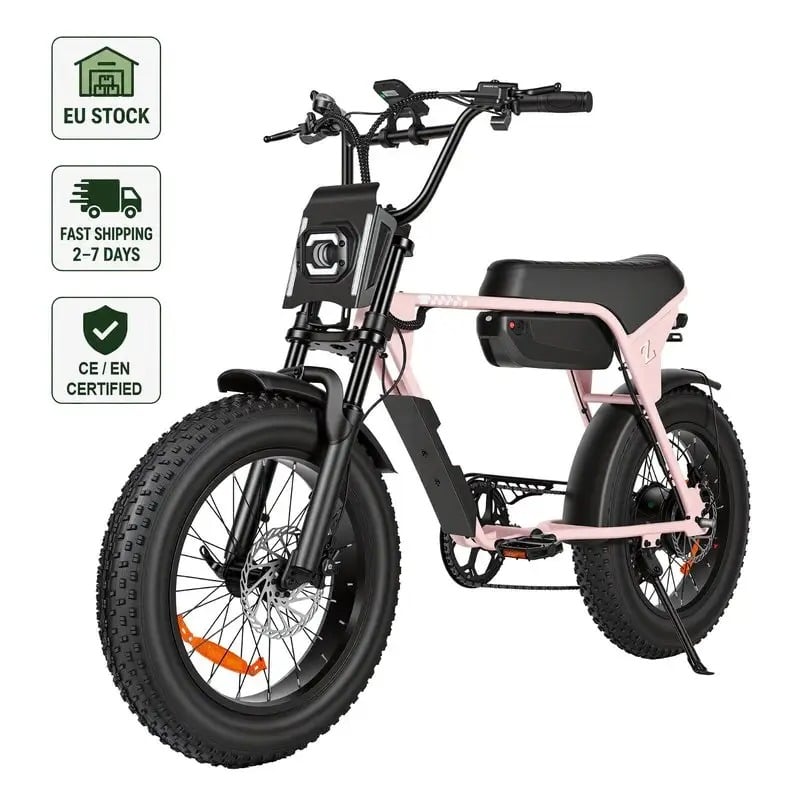
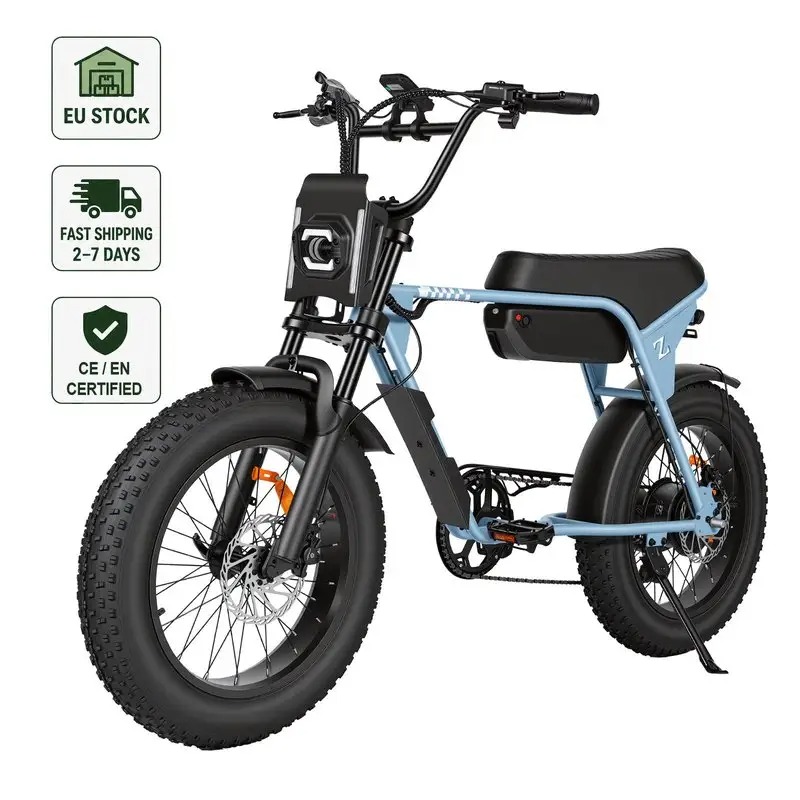
Selecting the right frame geometry is essential when building or purchasing a 1000w electric bike, as this foundational design element directly determines how your bike handles, balances, and responds to rider input. The geometric specifications—including wheelbase, head tube angle, seat tube angle, and bottom bracket drop—work together to create either a stable, predictable platform or an unstable, difficult-to-control machine. For riders choosing a 1000w electric bike, understanding frame geometry is not merely a technical exercise but a practical necessity that affects daily comfort, control, and safety.
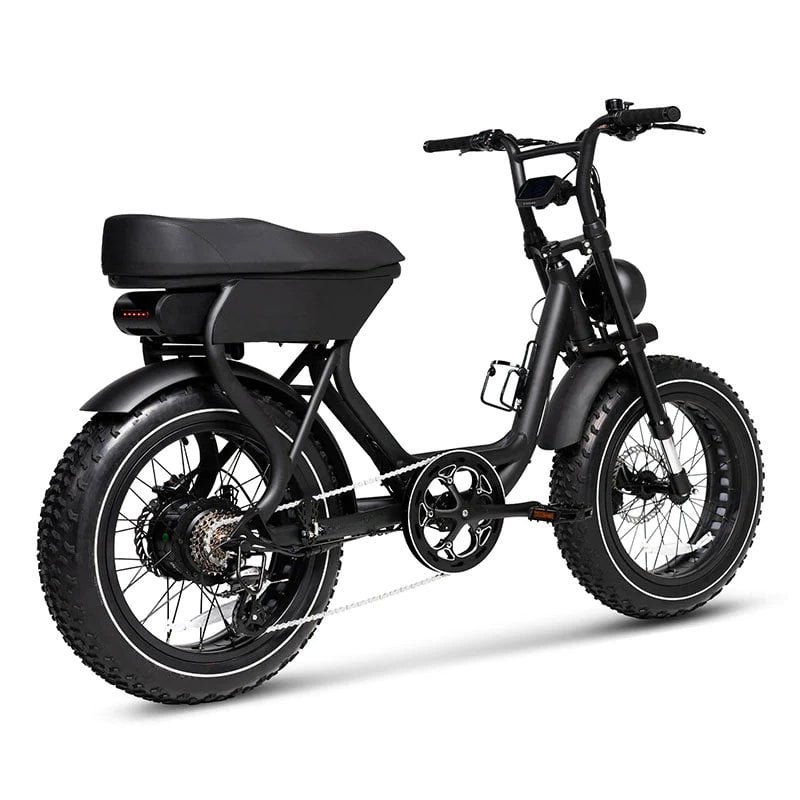
High-power 1000 watt ebikes place unique demands on frame geometry because the motor and battery add significant weight, shift the center of gravity, and increase the torque applied through the drivetrain. Traditional bicycle geometry assumptions often fail under these conditions, requiring deliberate adjustments to wheelbase length, fork offset, and weight distribution. This article explores the critical geometric factors that make a 1000 watt e bikes platform genuinely stable, responsive, and reliable for extended riding.
Wheelbase—the distance between the front and rear axles—is the primary determinant of longitudinal stability. Longer wheelbases provide more directional stability and reduce the likelihood of the front wheel lifting under hard acceleration or the rear wheel skidding during emergency braking. For a 1000 watt e bikes system, which delivers substantial torque to the rear wheel, a longer wheelbase prevents the bike from pitching forward excessively when the motor engages.
A typical road or hybrid bicycle wheelbase ranges from 960 to 1020 millimeters, but 1000w fat tire ebike models often adopt wheelbases between 1100 and 1200 millimeters. This extended wheelbase accommodates larger tires, motor weight, and battery mass while maintaining predictable handling. Riders transitioning from conventional bikes to a 1000 watt ebike often experience a noticeable difference in how the machine carves through turns and responds to weight shifts, primarily because of this geometric change.
Longer wheelbases enhance straight-line stability but can reduce maneuverability in tight urban environments or technical trail sections. The ebike 1000w 48v configuration, which is common in fat tire and cruiser designs, typically accepts this trade-off because the primary use case favors comfortable, stable cruising over nimble, aggressive handling. Riders who need both stability and agility may find mid-range wheelbases around 1050 to 1100 millimeters offer a practical compromise, balancing directional hold with acceptable turning radius.
The head tube angle—the angle at which the front fork connects to the frame—directly influences steering responsiveness and trail characteristics. A slacker (smaller) head tube angle, typically 65 to 68 degrees on trail-oriented bikes, produces longer trail and makes the steering naturally more stable but heavier. A steeper head tube angle, around 70 to 74 degrees on road or hybrid bikes, creates quicker steering but less inherent stability.
For 1000 watt ebikes, particularly fat tire variants, head tube angles typically fall in the 65 to 70 degree range to balance stability with responsiveness. The heavier motor, battery, and rider weight on an ebike 1000w 48v platform benefit from the steering damping effect of slacker geometry, reducing fatigue during long rides and preventing overcorrection in gusty wind conditions or on uneven surfaces.
Fork offset (or rake) is the horizontal distance between the fork's steering axis and its axle centerline. Combined with head tube angle, fork offset determines the trail—the horizontal distance behind the steering axis where the front wheel contacts the ground. Trail is the primary factor controlling steering feel and stability. Higher trail values create self-centering behavior and directional stability, which is highly desirable on 1000w fat tire ebike designs where motor torque and weight distribution can otherwise destabilize the front end.
Standard fork offsets for electric mountain bikes range from 40 to 55 millimeters. The 1000 watt e bikes category often uses 45 to 50 millimeter offsets paired with slack head tube angles to maintain trail in the 60 to 75 millimeter range, creating naturally stable steering that does not require constant rider input to stay true.
The seat tube angle determines rider position relative to the pedals and affects weight distribution between the front and rear wheels. Steep seat tube angles (73 to 76 degrees) position the rider forward, reducing front wheel load and increasing rear wheel traction—beneficial for climbing and preventing front-wheel slip during hard acceleration. Slack seat tube angles (68 to 72 degrees) position the rider further back, increasing front wheel grip and reducing rear wheel load.
On a 1000 watt e bikes platform, seat tube angle interacts with motor and battery placement to determine overall balance. A 1000w fat tire ebike with a rearward battery pack may benefit from a steeper seat tube angle to shift the rider's weight forward and counteract the rearward bias. Conversely, a mid-mounted motor system might pair with a slacker seat tube angle for more neutral weight distribution.
Bottom bracket drop—the vertical distance between the axles and the bottom bracket—affects pedal clearance over obstacles and the bike's center of gravity. Higher bottom brackets (less drop) lower the center of gravity and improve cornering confidence, while lower bottom brackets (more drop) provide better pedal clearance on technical terrain. For ebike 1000w 48v fat tire models, which often feature wide tires and aggressive tread, bottom bracket drop is typically conservative (40 to 65 millimeters) to maintain pedal clearance during rough riding.
The motor and battery add mass that effectively raises the combined center of gravity, so designers compensate by lowering the bottom bracket slightly, creating a more stable platform even with the added weight aloft.
Stability during acceleration depends on a longer wheelbase, a slack head tube angle with adequate trail, and steeper seat tube angle that positions the rider forward to keep weight over the rear wheel. These combined factors prevent front-wheel lift-off and maintain traction as the motor engages. The 1000w fat tire ebike category exemplifies this tuning, using extended wheelbases and slack steering geometry to harness motor torque without loss of directional control.
A 1000 watt ebike frame geometry accommodates additional weight and altered weight distribution by using longer wheelbases, slacker head tube angles, and more conservative bottom bracket heights. Standard bicycles optimize for responsiveness, while 1000w fat tire ebike designs prioritize stability and predictable handling under motor power and increased mass. The ebike 1000w 48v configuration further emphasizes this tuning because the heavier battery and motor components require deliberate geometric compensation.
Trail creates a self-centering effect that automatically returns the front wheel to center, reducing rider effort and improving directional stability. On 1000 watt ebikes, which deliver more torque and mass to the front wheel during acceleration and braking, adequate trail prevents steering instability and makes the bike feel planted and predictable. Higher trail values on 1000w fat tire ebike designs help manage the dynamic forces created by powerful motors.
2026/08/03
Fix time zones, language gaps, and unclear protocols—boost speed, cut costs, and scale confidently.
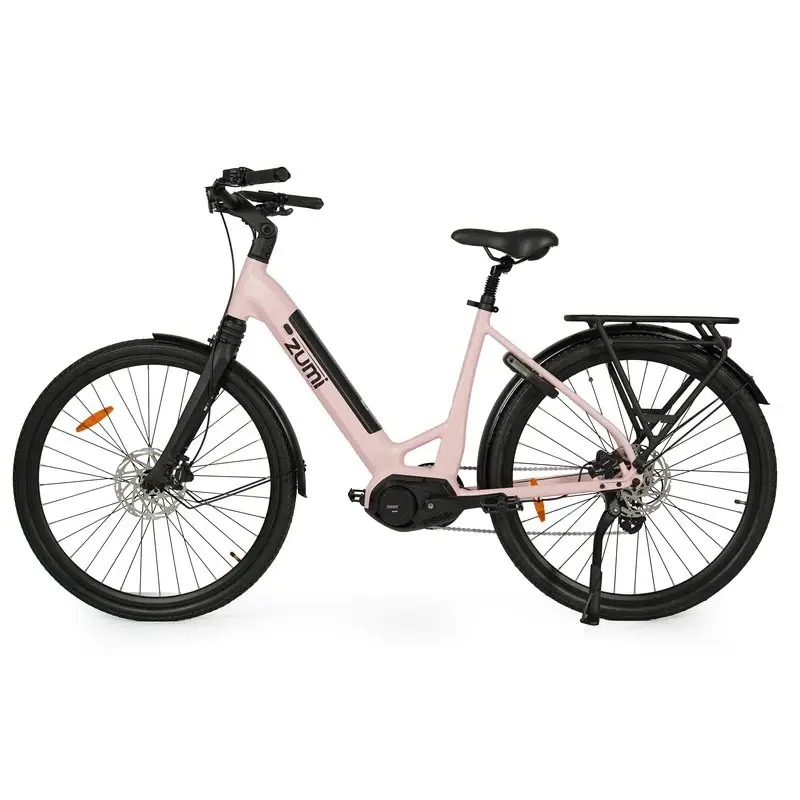
2026/08/03
Avoid liability & import bans: Learn IEC 62619, UN 38.3, and UL 2271—plus how to verify real compliance (not fakes).
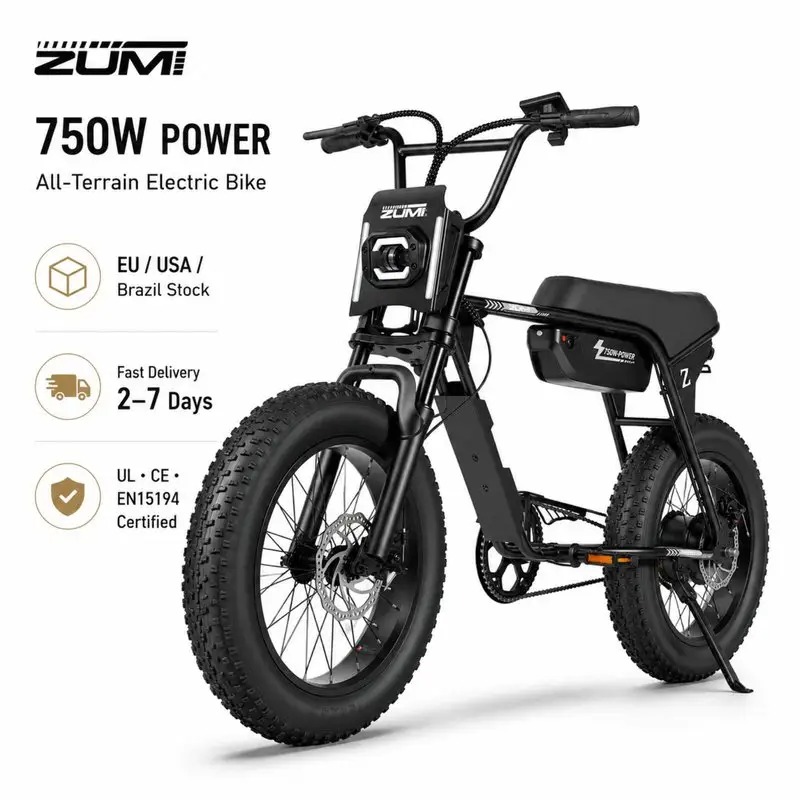
2026/08/03
Learn precise air pressure, rebound & compression tuning for optimal suspension performance. Get pro-level setup tips now.
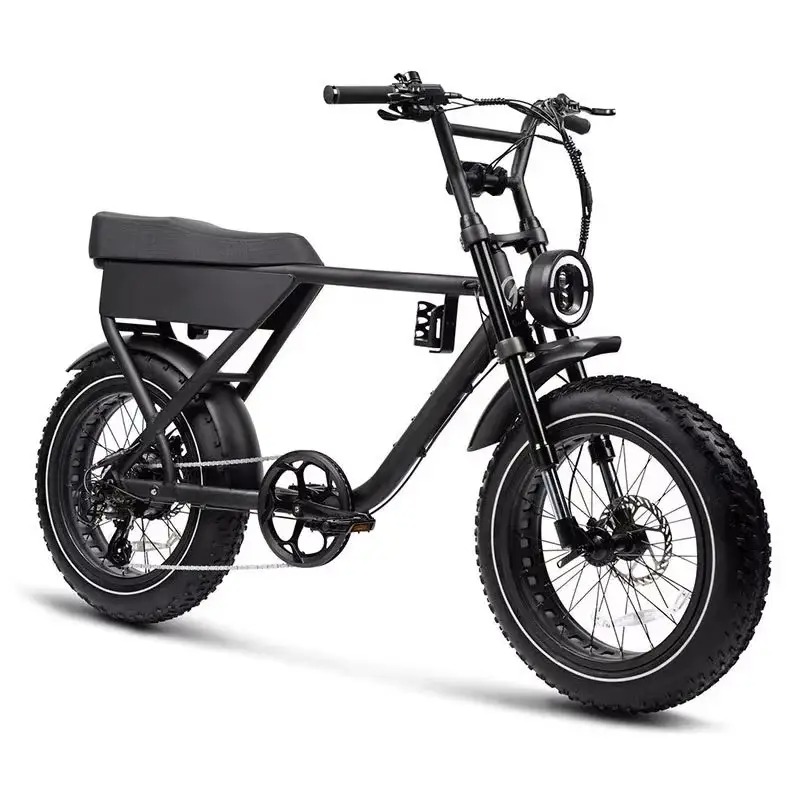
2026/08/03
Discover how voltage drop saps performance—and proven fixes to restore responsiveness, range, and battery life. Read now.
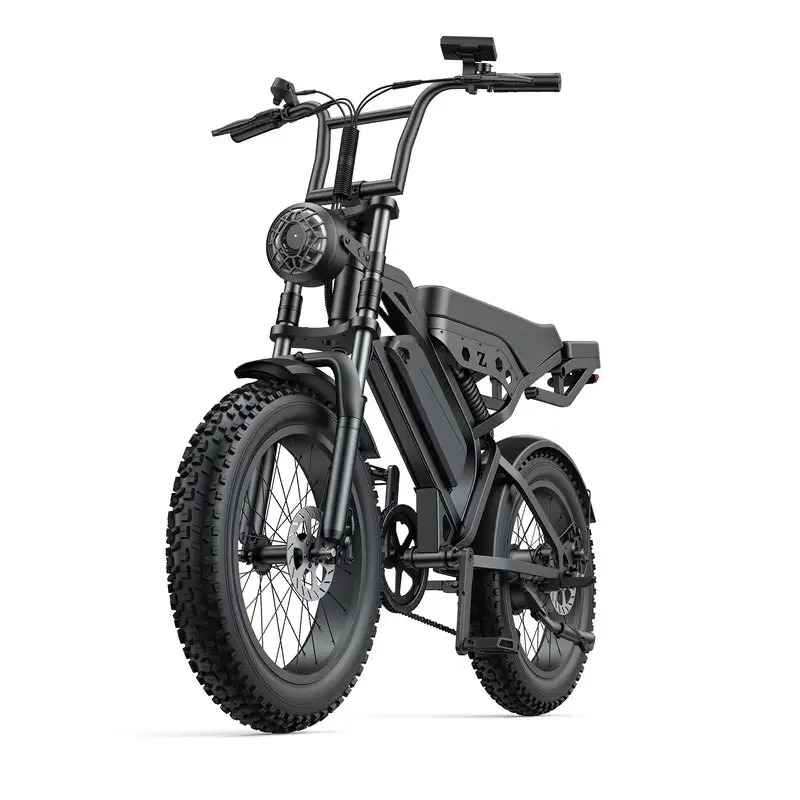
2026/08/03
Discover data-backed protocols, smart infrastructure & operational fixes. Optimize now.
2026/08/03
How payload cuts 48V cargo ebike range by 15–50%+ — backed by real-world degradation curves, motor load science & fleet optimization strategies.
Comprehensive warranty, fast parts shipping, remote diagnostics and local dealer training


