 EN
EN
STEP 1
Full vehicle warranty for 2 years
2026/08/13
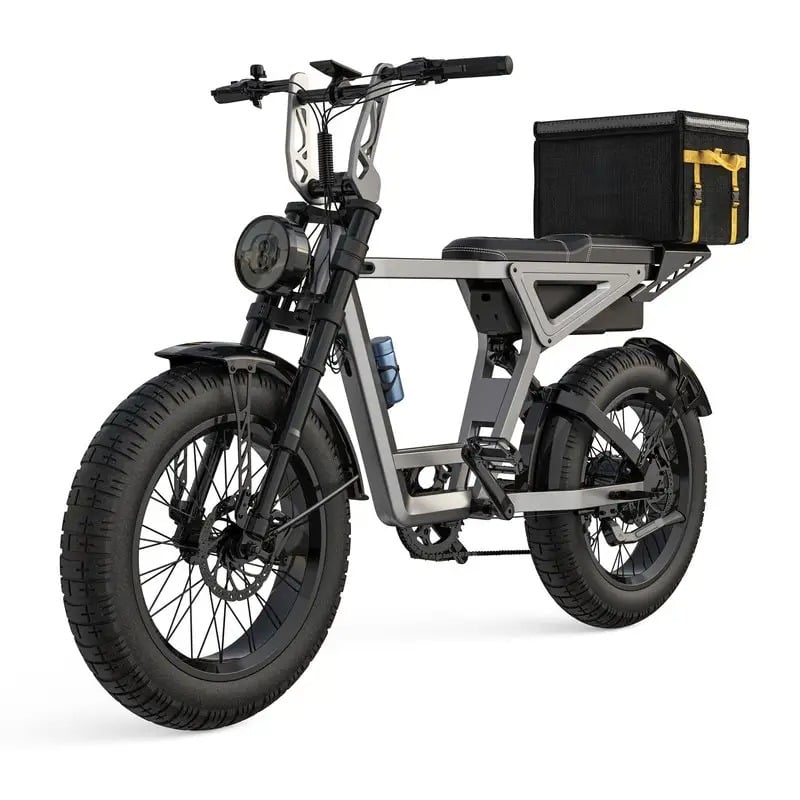
Selecting the right motor drive system is one of the most critical decisions when developing an OEM electric bike. Your choice directly impacts performance, cost structure, customer satisfaction, and competitive positioning in the market. Whether you are an established custom made e bikes manufacturer or a new entrant in the electric bicycle suppliers space, understanding motor drive architectures, power ratings, and integration requirements will help you deliver superior products that meet customer expectations and regulatory standards.
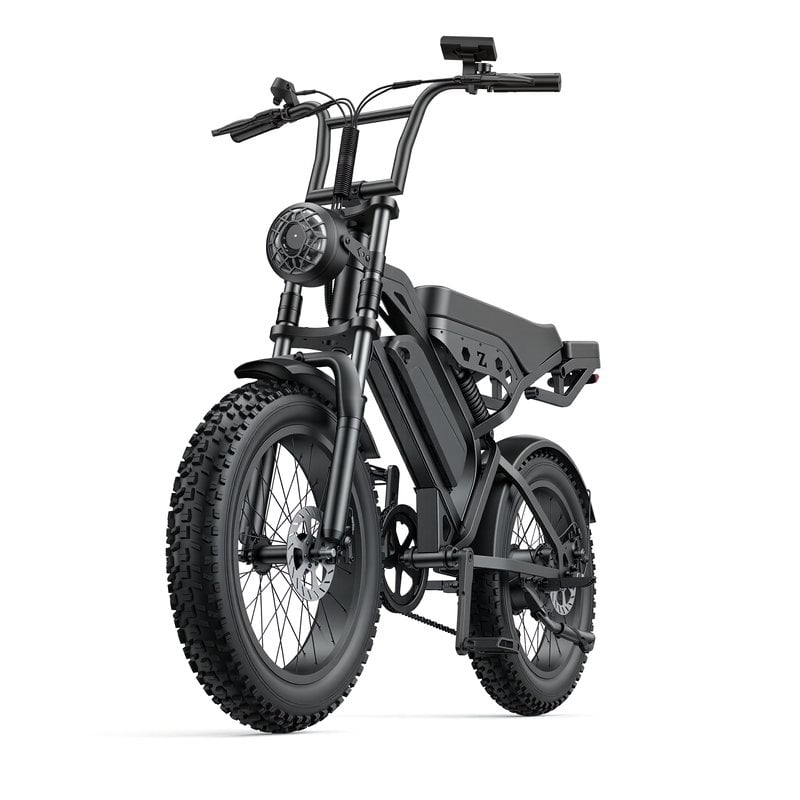
The motor is the heart of any electric bike system, and its selection influences everything from rider experience to warranty liability. For custom electric bike builders and e bike manufacturing company operations, the motor choice determines speed delivery, torque characteristics, efficiency ratings, and long-term reliability. This guide walks you through the essential factors that shape motor drive system decisions and helps you align technical specifications with your brand positioning and customer base.
Hub motors mount directly into the wheel hub, simplifying mechanical integration and reducing chain stress. They offer a clean, maintenance-free design that appeals to custom electric bike builders seeking straightforward assembly. Mid-drive motors attach near the crankset and leverage the bike's gearing system, delivering superior hill-climbing performance and more natural weight distribution. For an e bike manufacturing company targeting performance enthusiasts, mid-drive systems often justify their higher complexity and cost.
Each architecture presents distinct trade-offs. Hub motors excel in urban commuting and casual riding, where simplicity and low maintenance matter most. Mid-drive systems shine in off-road applications and hilly terrain, where climbing torque and gearing flexibility are essential. Your decision should reflect your target customer profile and the typical use cases your OEM electric bike will encounter in market.
Motor power ratings typically range from 250 watts to 750 watts for mainstream markets, with regulatory compliance varying by region. Custom made e bikes targeting European markets must comply with 250-watt limits and speed caps, while North American and Asian markets often allow higher power outputs. Electric bicycle suppliers working across multiple geographies need modular designs or region-specific variants to manage compliance efficiently.
Beyond regulatory boundaries, power rating influences acceleration, top speed, and battery depletion rates. A 500-watt motor delivers strong mid-range performance with reasonable battery efficiency, while 750-watt systems appeal to riders prioritizing acceleration and steep terrain capability. As an e bike manufacturing company, balancing power output with battery cost and weight ensures your OEM electric bike remains price-competitive and practical for daily use.
Motor torque is measured in Newton-meters and determines acceleration feel and hill-climbing ability. Direct-drive hub motors deliver constant torque across the entire speed range, while geared hub and mid-drive motors provide variable torque characteristics that feel more natural to riders. For custom electric bike builders focused on performance, torque ripple and pedal response consistency are differentiators that influence customer loyalty and retention.
Control systems—whether sensor-based (torque, cadence, or speed sensors) or algorithm-driven—translate rider input into motor power output. Torque-sensing systems provide the most intuitive, natural feel, making them popular with premium custom made e bikes manufacturers. Cadence sensors offer cost savings but feel less refined. Your selection impacts component costs and the perceived quality of your OEM electric bike in market.
Motor selection must align with your battery voltage system, controller design, and mechanical drivetrain layout. A 48-volt system is industry-standard and offers strong compatibility with most motors and controllers. Voltage compatibility errors or controller mismatch can lead to performance issues, warranty claims, and customer dissatisfaction. As an electric bicycle suppliers entity, standardizing on proven voltage and connector standards reduces technical risk and improves supply chain efficiency.
Mechanical integration also matters critically. Mid-drive motors require bottom-bracket compatibility, chain specifications, and derailleur tuning that differ from stock bicycle designs. Hub motors demand wheel-building expertise and compatibility with hydraulic or mechanical brake systems. Custom electric bike builders must evaluate tooling costs, labor expertise, and supplier reliability before committing to a particular motor architecture or brand specification.
Motor cost typically represents 15–25 percent of total OEM electric bike bill-of-materials, making it one of your largest component decisions. Direct-drive hub motors cost less upfront but sacrifice efficiency in high-speed cruising. Geared hub and mid-drive motors cost more but deliver superior efficiency and rider experience, justifying premium pricing for custom made e bikes targeting enthusiasts. As an e bike manufacturing company, evaluating customer lifetime value and repeat purchase likelihood informs whether to prioritize cost minimization or experience optimization.
Motor efficiency directly affects battery range and total system cost-per-mile for riders. Direct-drive hub motors typically achieve 80–85 percent efficiency, while geared hub motors reach 90–95 percent, and mid-drive systems deliver 93–96 percent when paired with appropriate chainring selection. These efficiency differences compound over time, affecting customer satisfaction and brand perception. Custom electric bike builders and electric bicycle suppliers that prioritize range and efficiency build stronger market reputations and customer loyalty.
Warranty and reliability costs also factor into long-term viability. Motors with proven field reliability reduce return rates, warranty expenses, and customer service burden. Building relationships with established motor suppliers and conducting rigorous testing before market launch protects your OEM electric bike brand and customer relationships.
For urban commuting, OEM electric bike builders typically recommend 250–500 watts. This range provides sufficient acceleration for city traffic, reasonable hill-climbing capability, and excellent battery efficiency. Higher power ratings deliver diminishing returns in urban environments where frequent braking and acceleration matter more than sustained high speed. Most custom made e bikes targeting commuters prioritize this sweet spot for cost-efficiency and customer satisfaction.
Custom electric bike builders and e bike manufacturing company leaders ensure reliability through component certification, rigorous pre-production testing, and partnerships with established motor suppliers. Selecting motors with proven field track records, IP-rating protection against moisture, and thermal management design minimizes failure risk. Additionally, working with electric bicycle suppliers who provide technical support, replacement inventory, and documented specifications helps manage warranty claims and customer confidence.
Mid-drive motors designed for custom made e bikes typically operate on standardized voltages like 36V, 48V, or 52V, but controller compatibility is essential. Not all mid-drive motors work with all controllers, so e bike manufacturing company engineers must verify voltage, connector type, and control protocol compatibility before integration. Mismatched systems lead to performance problems and warranty issues, so selecting suppliers who guarantee full system compatibility is critical for custom electric bike builders.
2026/08/03
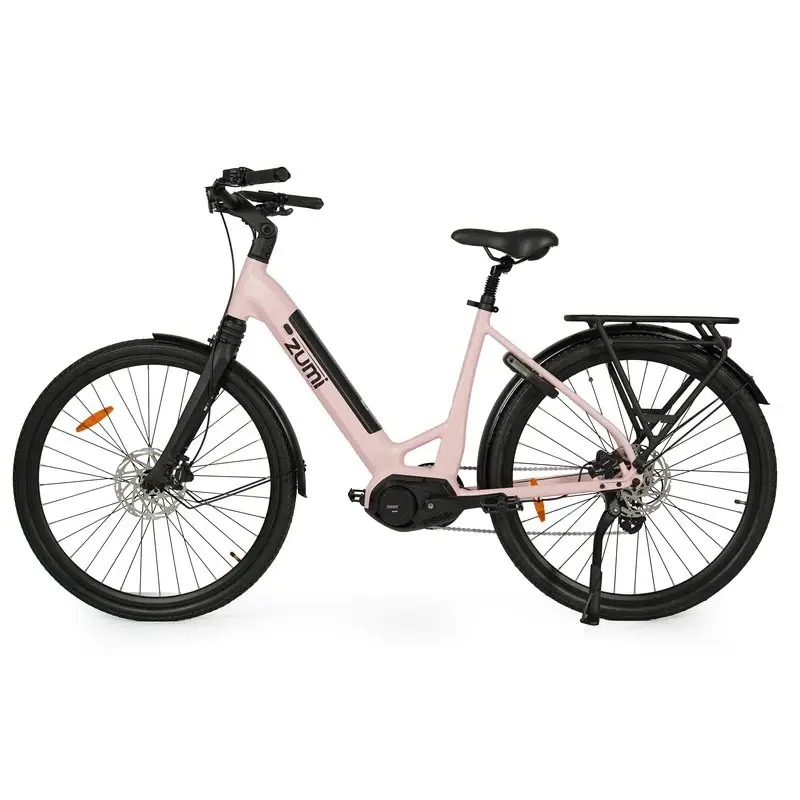
Fix time zones, language gaps, and unclear protocols—boost speed, cut costs, and scale confidently.
2026/08/03
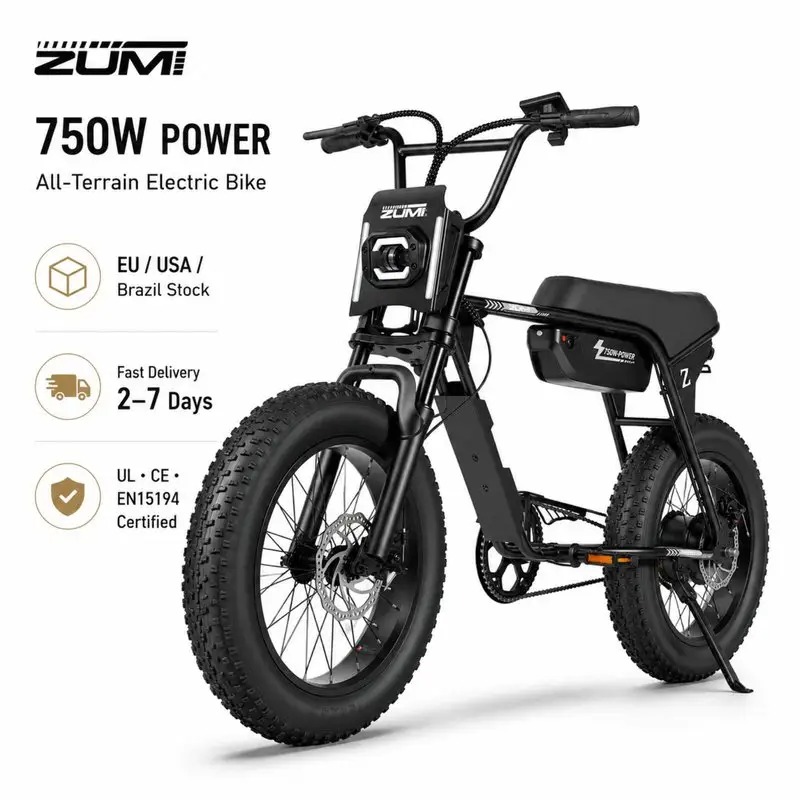
Avoid liability & import bans: Learn IEC 62619, UN 38.3, and UL 2271—plus how to verify real compliance (not fakes).
2026/08/03
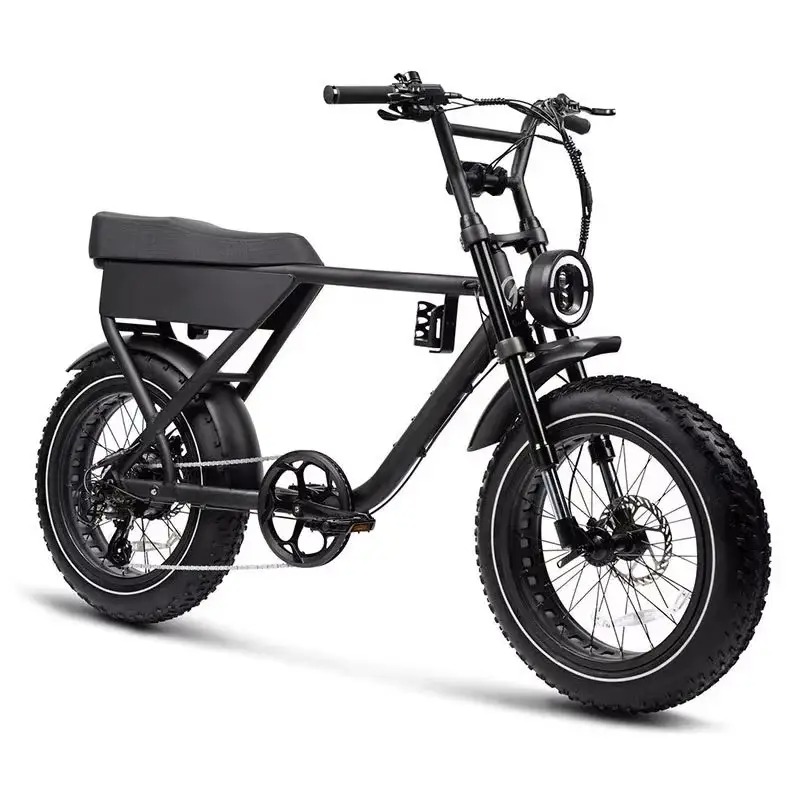
Learn precise air pressure, rebound & compression tuning for optimal suspension performance. Get pro-level setup tips now.
2026/08/03
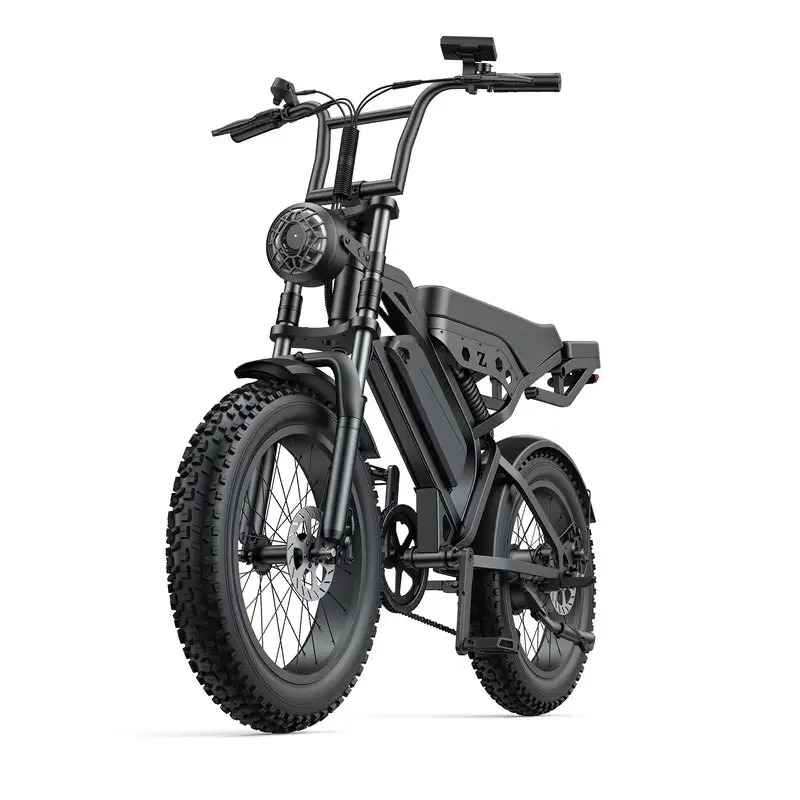
Discover how voltage drop saps performance—and proven fixes to restore responsiveness, range, and battery life. Read now.
2026/08/03
Discover data-backed protocols, smart infrastructure & operational fixes. Optimize now.
2026/08/03
How payload cuts 48V cargo ebike range by 15–50%+ — backed by real-world degradation curves, motor load science & fleet optimization strategies.
Comprehensive warranty, fast parts shipping, remote diagnostics and local dealer training


