 EN
EN
STEP 1
Full vehicle warranty for 2 years
2026/08/14
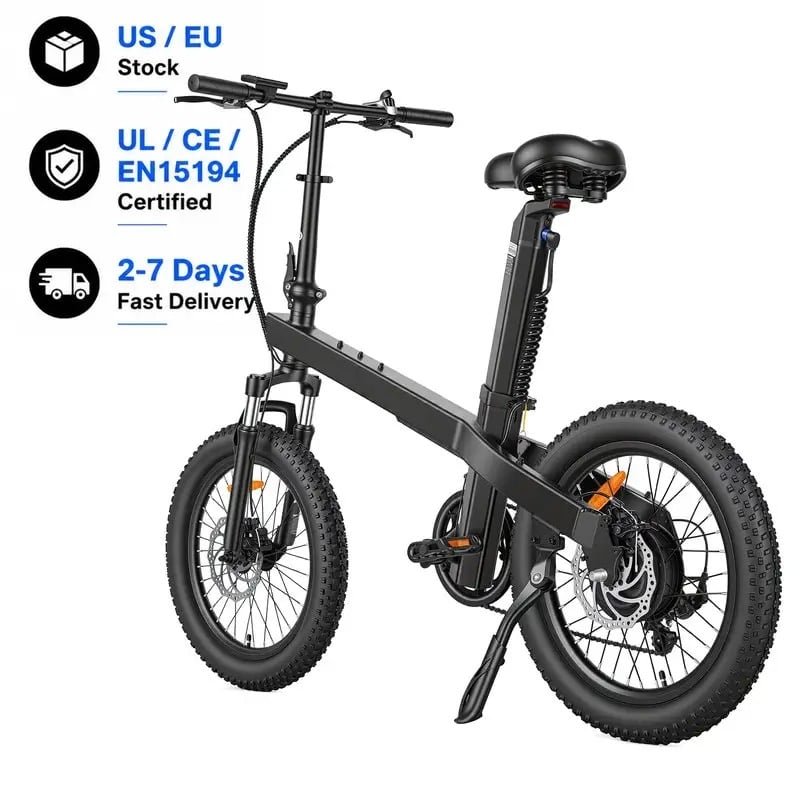
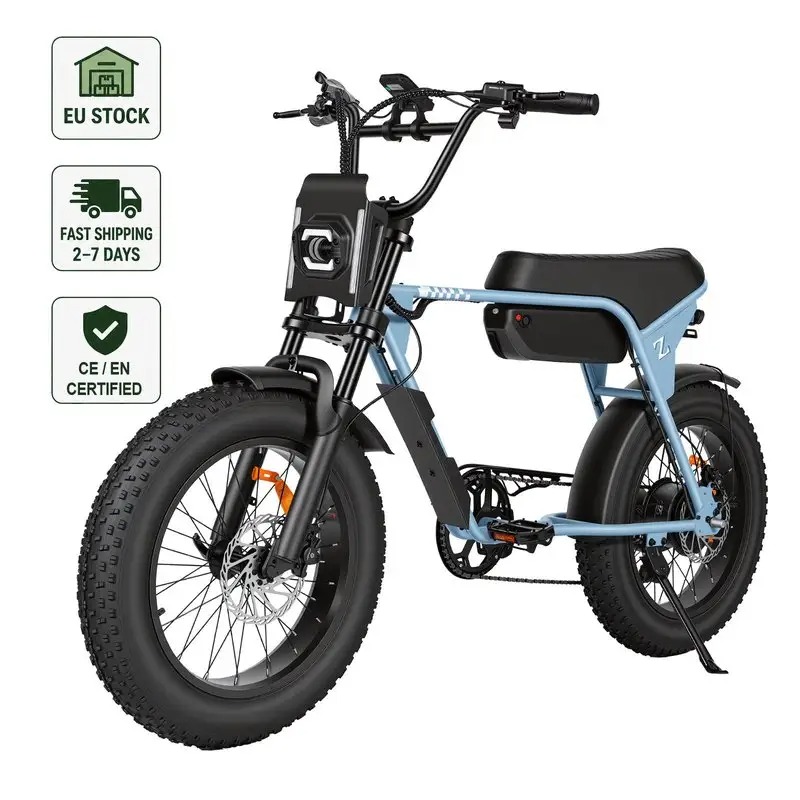
Selecting the correct motor wattage for your off road electric bike is one of the most critical decisions you'll make when building or purchasing your ride. The motor wattage directly determines how much power your off road electric bike can deliver to the wheels, affecting acceleration, hill-climbing ability, and overall performance across challenging terrain. Understanding this relationship between wattage and capability helps ensure you invest in a system that matches your riding style and the demands of your intended trails.
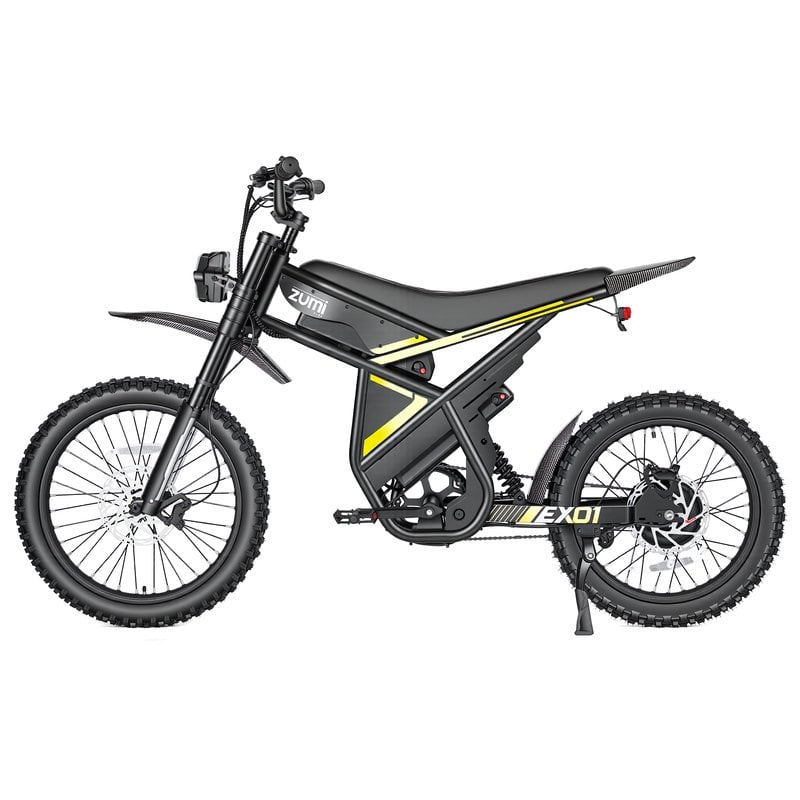
Whether you're exploring rocky single-track, tackling sand dunes, or navigating steep mountain passages, the motor wattage you select fundamentally shapes your ebikes off road experience. Too little power leaves you struggling on inclines or in soft terrain. Too much wattage may drain your battery quickly or create control challenges for less experienced riders. This guide walks you through the factors that influence wattage selection, helping you make an informed choice for your specific riding conditions and performance expectations.
Motor wattage measures the electrical power your off road electric bike can output continuously. A 500W motor delivers less torque and hill-climbing force than a 750W or 1000W system. Higher wattage motors accelerate faster, maintain speed more easily on challenging terrain, and require less pedaling effort from the rider. However, increased wattage also demands more from your battery pack, potentially reducing range unless you use a larger battery capacity.
For electric off road mountain bike applications, wattage ratings typically range from 500W for lighter trail use to 1500W or beyond for aggressive riding. Each wattage tier addresses different terrain types and rider experience levels. Understanding this spectrum helps you identify where your needs fall and what trade-offs you're willing to accept between power, range, and weight.
Motor wattage also intersects with local regulations that govern electric bikes. Many regions classify ebikes off road by wattage limits, with some areas allowing up to 750W for unrestricted trail access while others permit higher power for specific use cases. Before finalizing your wattage choice, research your local jurisdiction's e-bike classification system to ensure your system complies with local laws and access restrictions.
Different terrain types require different levels of motor output. Sand dunes and loose terrain demand sustained power to maintain momentum and prevent sinking. Rocky, technical single-track requires responsive torque for quick acceleration through obstacles. Steep mountain climbs need strong hill-climbing power that fat tire off road electric bike designs often capitalize on with their wider, lower-pressure tires and heavier builds.
A 500W to 750W system works well for groomed trail riding, moderate hill climbs, and weight-conscious riders who prioritize range. Moving to 1000W to 1500W systems becomes necessary when you frequently encounter steep gradients, deep sand, muddy sections, or aggressive terrain where momentum and power delivery prevent you from getting bogged down. Consider the worst-case scenarios you'll regularly face, not just ideal conditions.
Heavier riders and those carrying gear require more motor power to achieve comparable acceleration and hill-climbing performance. A 750W motor may feel adequate for a 150-pound rider on moderate trails but underwhelming for a 250-pound rider on the same terrain. Similarly, carrying extra gear, tools, or camping equipment for backcountry riding effectively increases your system's total load and wattage demands. Factor your expected riding weight plus any gear you typically carry when calculating required motor output.
Higher motor wattage consumes battery energy more quickly, especially under load. Running a 1500W fat tire off road electric bike motor at full power drains your battery pack significantly faster than a 500W system operating at the same speed. However, this relationship isn't purely linear because more powerful motors can achieve target speeds at lower throttle levels on flat terrain, potentially extending range despite their higher rated capacity.
Your ebikes off road range depends on motor wattage, battery capacity, terrain, rider input, and weather conditions working together. When evaluating electric off road mountain bike options, consider the total energy system rather than wattage alone. A 1000W motor paired with a 52V 20Ah battery may deliver comparable range to a 750W motor with a 52V 25Ah battery, though performance characteristics differ significantly when climbing or accelerating.
Higher wattage systems benefit from intelligent power management and multi-stage charging protocols. Many modern off road electric bikes for sale feature multiple power modes that let you choose wattage output based on conditions. Eco mode reduces power consumption for longer range on easy terrain, while Sport or Turbo modes unlock full wattage for challenging climbs. This flexibility allows you to purchase a higher-wattage system while still achieving decent range when you moderate power usage strategically.
Ebikes off road in this wattage range suit trail riders who value range, weight efficiency, and lower cost. These systems provide noticeable assistance on gradual climbs and moderate terrain while maintaining good battery efficiency. They work well for cross-training, recreational trail riding, and situations where you're happy to contribute pedal power alongside motor assist. Many riders find this tier strikes a practical balance for general off-road use without excessive weight or battery management complexity.
Electric off road mountain bike systems at this wattage level deliver impressive hill-climbing power, rapid acceleration, and excellent momentum maintenance through challenging terrain. These systems appeal to riders tackling steep grades, technical rocky sections, deep sand, or muddy conditions regularly. The fat tire off road electric bike category often features motors at this level because the heavier bike weight and wider tires benefit from additional power reserves. Higher wattage systems also provide a safety margin, allowing you to maintain control and momentum through unexpected obstacles.
Choose your motor wattage by honestly evaluating your typical riding conditions. If you ride mostly maintained trails with gentle climbs, a lower-wattage system meets your needs and extends range. If you regularly encounter steep terrain, soft surfaces, or heavy loads, invest in a higher-wattage system from the start. Test-riding different wattage configurations on your intended terrain provides invaluable feedback that online research alone cannot. Many retailers allow you to try off road electric bikes for sale before committing financially.
Consider your experience level as well. Novice riders may find higher-wattage systems challenging to control, while experienced riders appreciate the power. As your skills develop, you may discover that your initial wattage choice no longer matches your evolving capabilities and preferences. This progression is normal and explains why many enthusiasts eventually own multiple electric off road mountain bike systems with different wattage ratings.
Beginners typically benefit from 500W to 750W systems that provide noticeable assistance without overwhelming the rider with power delivery. These ebikes off road allow new riders to build skills while enjoying the benefits of motor assistance. As experience and confidence grow, upgrading to a higher-wattage electric off road mountain bike becomes a natural progression for those who want more capability.
Higher wattage motors draw more current from your battery, potentially stressing the cells if you consistently operate at maximum power. However, modern battery management systems protect cells from overcharging and excessive discharge. To maximize battery lifespan regardless of motor wattage, avoid fully draining the battery regularly, store your off road electric bikes for sale in moderate temperatures, and use appropriate charging protocols. Using lower power modes when possible extends total battery cycle life.
Motor upgrades are possible but require careful consideration of your bike's frame, drivetrain, and electrical system compatibility. A higher-wattage motor may generate more heat that your existing cooling system cannot handle, or create stress points in an older frame not designed for that power level. Consulting with a qualified e-bike technician before upgrading ensures the modified system remains safe and reliable across your intended riding conditions.
2026/08/03
Fix time zones, language gaps, and unclear protocols—boost speed, cut costs, and scale confidently.
2026/08/03
Avoid liability & import bans: Learn IEC 62619, UN 38.3, and UL 2271—plus how to verify real compliance (not fakes).
2026/08/03
Learn precise air pressure, rebound & compression tuning for optimal suspension performance. Get pro-level setup tips now.
2026/08/03
Discover how voltage drop saps performance—and proven fixes to restore responsiveness, range, and battery life. Read now.
2026/08/03
Discover data-backed protocols, smart infrastructure & operational fixes. Optimize now.
2026/08/03
How payload cuts 48V cargo ebike range by 15–50%+ — backed by real-world degradation curves, motor load science & fleet optimization strategies.
Comprehensive warranty, fast parts shipping, remote diagnostics and local dealer training


