 EN
EN
STEP 1
Full vehicle warranty for 2 years
2026/08/07
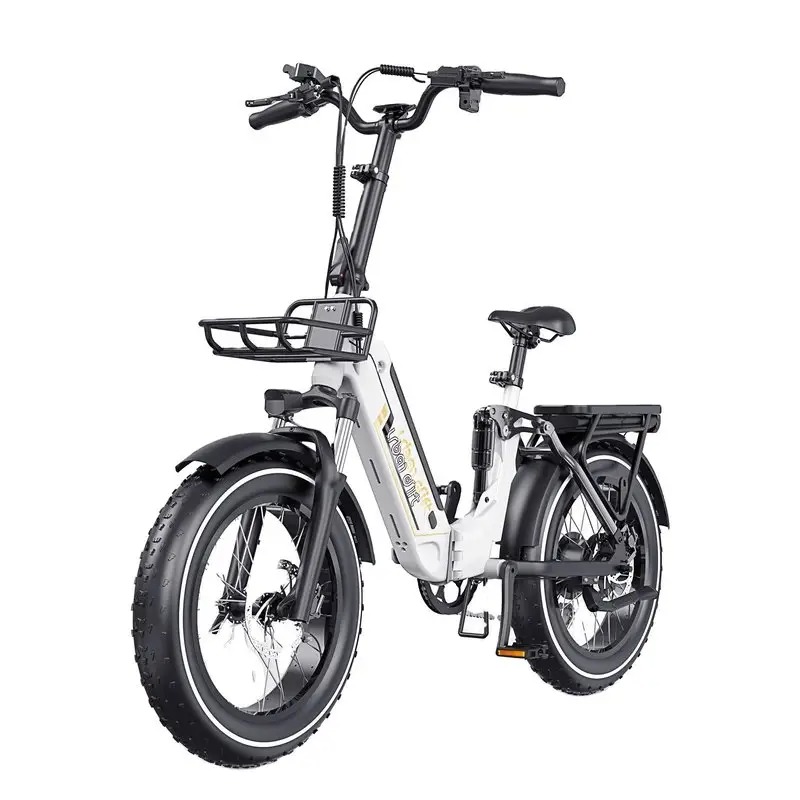
Selecting a reliable freight forwarder is one of the most critical decisions facing wholesale electric bikes suppliers. As the ebike wholesale market expands globally, the complexity of moving large shipments across borders and managing inventory logistics has become increasingly demanding. A skilled freight forwarder can streamline your operations, reduce costs, and ensure that your electric bike wholesale products arrive on time and in perfect condition.
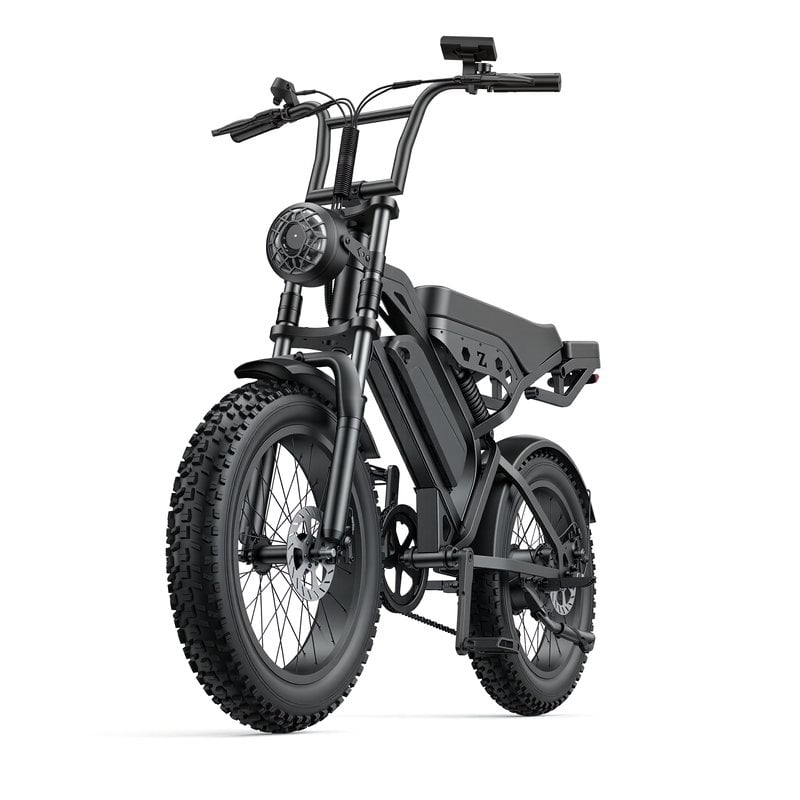
The logistics landscape for ebike wholesale requires specialized knowledge of regulatory compliance, customs documentation, and transportation modes. Your freight forwarder must understand the unique weight, size, and safety requirements of lithium battery shipments that accompany most modern electric bikes. This guide walks you through the essential criteria for evaluating and choosing the best freight forwarder for your wholesale electric bikes business.
A professional freight forwarder acts as the intermediary between your business and multiple transportation carriers. They negotiate rates, consolidate shipments, and select the most efficient routes for your electric bike wholesale orders. For wholesale electric bikes suppliers, this coordination is essential because freight costs directly impact your profit margins. A good forwarder will provide multiple routing options, allowing you to choose between faster air freight or more economical sea freight depending on your delivery timeline and budget constraints.
Your forwarder should maintain relationships with reliable ocean carriers, airfreight providers, and ground transportation companies. This network allows them to secure competitive rates and ensure capacity availability during peak seasons when ebike wholesale demand surges. They should also offer real-time tracking and proactive communication so you always know where your shipment is located and when it will arrive at your distribution center.
Navigating customs regulations and tariff classifications is a core responsibility for freight forwarders handling electric bike wholesale shipments. Different countries impose varying duties and taxes on ebike wholesale products, and incorrect documentation can result in delays, fines, or confiscation. Your forwarder must be well-versed in HS codes for electric bikes, understand battery shipping regulations across multiple jurisdictions, and maintain up-to-date knowledge of trade agreements that may affect your wholesale electric bikes suppliers' duty rates.
Proper customs preparation involves creating accurate commercial invoices, packing lists, and certificates of origin. A knowledgeable forwarder will also advise on whether your electric bike wholesale shipments qualify for preferential trade rates, potentially saving thousands on large orders. They should have customs brokers on staff or maintain strong relationships with licensed brokers in key markets to clear shipments quickly.
Experience with ebike wholesale is not a generic skill. Freight forwarders accustomed to handling heavy machinery, textiles, or consumer electronics may lack specific knowledge about electric bike wholesale logistics. Ask potential forwarders directly about their experience with lithium battery shipping, their familiarity with major ebike wholesale suppliers and markets, and their track record with similar-sized shipments. They should understand the fragility of components like motors, controllers, and display units, and how to properly package wholesale electric bikes for international transit.
Request references from other wholesale electric bikes suppliers they have worked with. A forwarder with established relationships in the ebike wholesale industry will have optimized processes, pre-arranged solutions for common challenges, and existing partnerships with specialized carriers that reduce complications and delays.
Your freight forwarder must have sufficient capacity to handle your current volume of orders and accommodate growth. Ask about their peak season capabilities and how they manage surge periods when wholesale electric bikes demand increases significantly. Geographic coverage is equally important. If you source inventory from multiple suppliers or ship to diverse markets, your forwarder should have agent networks or partnerships that provide reliable service in those regions.
For wholesale electric bikes suppliers expanding internationally, a forwarder with global reach and local expertise in key markets provides substantial advantages. They can coordinate complex multi-leg shipments, consolidate freight from different factories, and manage last-mile delivery to ensure your ebike wholesale orders reach their final destinations reliably and cost-effectively.
Modern freight forwarders should provide digital platforms that offer real-time tracking, automated shipment documentation, and centralized invoice management. These tools allow your team to monitor shipments without constant email exchanges and give you visibility into costs and timelines. For wholesale electric bikes suppliers managing dozens or hundreds of shipments monthly, a transparent digital system reduces administrative overhead and minimizes errors in order fulfillment.
Evaluate their API capabilities and integration options with your existing warehouse management or enterprise resource planning systems. A forwarder that can integrate seamlessly with your technology stack streamlines operations and provides better data for decision-making regarding routes, carriers, and cost optimization for your electric bike wholesale business.
Freight forwarding costs typically include multiple components: carrier charges, handling fees, documentation costs, fuel surcharges, and port terminal fees. Understand exactly what is included in quoted rates for your wholesale electric bikes shipments. Ask for itemized breakdowns and clarify what happens when fuel surcharges increase or new regulations impose additional compliance costs. The cheapest freight forwarder is not always the best choice; a moderately priced forwarder with lower damage rates and faster delivery times may deliver better overall value for your ebike wholesale operations.
Negotiate volume-based discounts if your wholesale electric bikes suppliers ship regularly. Many forwarders offer tiered pricing for consistent monthly volumes, which can result in meaningful savings over time. Request a rate comparison across different routing options so you can make informed decisions based on your specific delivery requirements and margin targets.
Logistics challenges are inevitable, and your forwarder's response to issues directly impacts your business continuity. When problems arise with your electric bike wholesale shipments—delays, damaged goods, customs holds—you need a responsive team that communicates clearly and takes ownership of solutions. Choose a freight forwarder with dedicated account management and clear escalation procedures for urgent situations.
During your evaluation conversations with potential forwarders, pay attention to their responsiveness and knowledge depth. Do they answer questions thoroughly, or do they give vague responses? Can they provide specific examples of how they resolved shipping complications for other wholesale electric bikes suppliers? Strong customer service reflects their operational reliability and their commitment to your success in the competitive ebike wholesale market.
You will need a commercial invoice, packing list, bill of lading or airway bill, certificate of origin, and any required battery safety certifications or test reports. Battery shipping requires proper documentation and classification (most lithium batteries fall under hazmat regulations). Your freight forwarder should guide you through the exact requirements for each destination country, as regulations vary. Different countries classify electric bikes differently—some consider them bicycles while others classify them as electrical equipment—which affects tariffs and import restrictions. Your forwarder should help optimize this classification within regulatory bounds to minimize duty costs on your ebike wholesale shipments.
Ocean freight typically takes 20 to 40 days depending on origin and destination ports, plus additional time for customs clearance. Air freight is faster (5 to 10 days) but significantly more expensive and typically reserved for urgent orders or high-value shipments. For most wholesale electric bikes suppliers, ocean freight is the standard for regular shipments, while air is reserved for expedited orders. Your freight forwarder can provide more precise timelines based on your specific routes and the current shipping environment. Always add buffer time for customs processing, which can vary considerably depending on country regulations and inspection requirements.
Consolidate shipments to achieve full container loads rather than less-than-container loads, negotiate volume discounts with your freight forwarder, consider slower transit times that reduce costs, and optimize packaging to minimize dimensional weight charges. For wholesale electric bikes suppliers, working with a forwarder who understands route optimization can identify more economical carrier options and consolidation opportunities. Timing your orders to avoid peak seasons and coordinating shipments across multiple suppliers can further reduce per-unit logistics costs. Your freight forwarder should actively analyze your shipping patterns and proactively suggest cost-saving strategies aligned with your business needs.
2026/08/03
Fix time zones, language gaps, and unclear protocols—boost speed, cut costs, and scale confidently.
2026/08/03
Avoid liability & import bans: Learn IEC 62619, UN 38.3, and UL 2271—plus how to verify real compliance (not fakes).
2026/08/03
Learn precise air pressure, rebound & compression tuning for optimal suspension performance. Get pro-level setup tips now.
2026/08/03
Discover how voltage drop saps performance—and proven fixes to restore responsiveness, range, and battery life. Read now.
2026/08/03
Discover data-backed protocols, smart infrastructure & operational fixes. Optimize now.
2026/08/03
How payload cuts 48V cargo ebike range by 15–50%+ — backed by real-world degradation curves, motor load science & fleet optimization strategies.
Comprehensive warranty, fast parts shipping, remote diagnostics and local dealer training


