 EN
EN
STEP 1
Full vehicle warranty for 2 years
2026/08/17
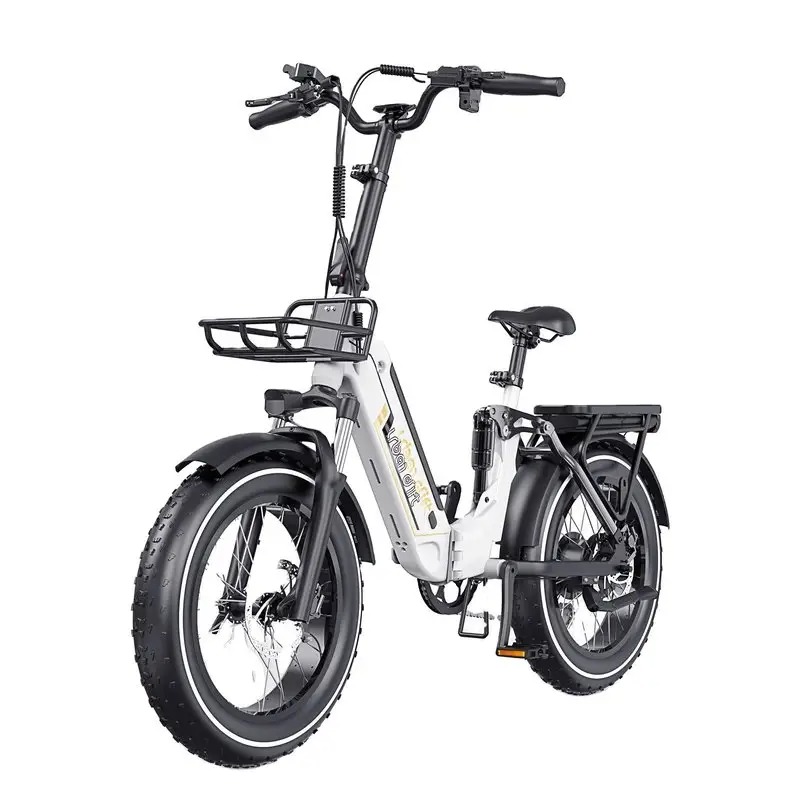
Selecting the right tire tread for your all terrain electric bike is one of the most critical decisions you'll make as a rider. The tread pattern directly influences traction, handling, durability, and your ability to navigate diverse terrain safely. Whether you're tackling muddy trails, rocky surfaces, sand, or pavement, the tread design on your all terrain ebikes determines how well your bike performs and how confidently you can ride in challenging conditions.
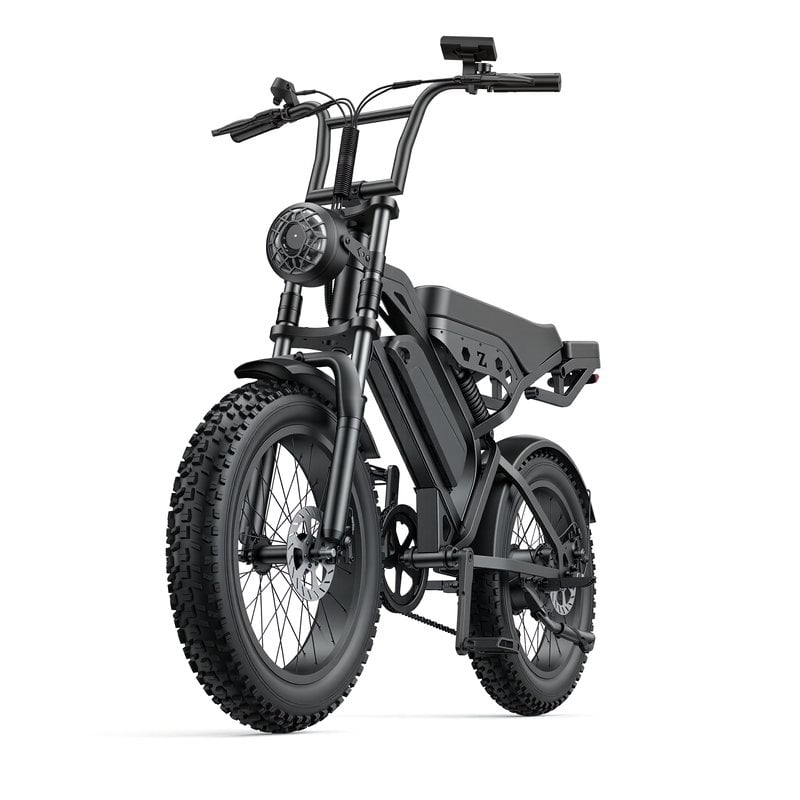
The market offers numerous tire tread options, each engineered for specific riding styles and terrain types. Understanding the differences between aggressive block patterns, intermediate designs, and slick treads empowers you to match your all terrain fat tire electric bike with the ideal rubber for your riding environment. This comprehensive guide walks you through the key factors that determine which tire tread will maximize performance, longevity, and safety for your electric bike adventures.
Tire tread patterns consist of raised rubber blocks separated by grooves. The size, shape, and spacing of these blocks determine how your all terrain electric mountain bike grips various surfaces. Aggressive block patterns feature larger, widely-spaced lugs that bite into soft terrain, excel in mud, and provide excellent traction on loose substrates. Intermediate patterns offer balanced performance across mixed terrain, while slick or semi-slick treads prioritize rolling efficiency on hardpack and pavement.
The depth of tread grooves also matters significantly. Deeper grooves channel mud and water away from the contact patch, reducing slippage and improving control. For riders on all terrain ebikes who encounter wet conditions, mud, or snow, deeper grooves prevent the tire from hydroplaning and maintain predictable handling. Conversely, shallow treads on all terrain fat tire electric bike models suit riders who primarily travel on consolidated surfaces where shedding water quickly is less critical.
Different terrain demands different tread characteristics. Muddy trails require aggressive block patterns with wide spacing to self-clean and prevent mud from packing between lugs. Rocky or technical terrain benefits from intermediate treads that provide edge grip while maintaining lateral stability. Sand demands slightly wider tires with less aggressive patterns to avoid sinking, while pavement riding requires smoother, lower-rolling-resistance treads. Your all terrain electric mountain bike should ideally wear a tread pattern that matches your primary riding conditions, though true all-terrain riders often compromise on a balanced intermediate design that performs reasonably well across multiple surfaces.
Before selecting a tire tread, honestly evaluate where you spend most of your riding time. If 70 percent of your riding occurs on rocky trails and hardpack, an aggressive all terrain ebikes tread pattern becomes excessive and wastes energy. If you regularly venture into mud and soft terrain, skimping on tread depth and block size leaves you underperforming and potentially unsafe. Riders with all terrain fat tire electric bike setups in temperate climates with seasonal mud benefit from treads engineered to shed wet debris. Desert and sand riders may prefer slightly different block shapes optimized for flotation rather than penetration.
Aggressive tread patterns generate higher rolling resistance, which means your all terrain electric mountain bike motor works harder and drains the battery faster. Smoother treads roll efficiently but sacrifice traction when conditions deteriorate. The ideal tire tread for your all terrain ebikes represents a practical compromise between the grip you need and the efficiency you want. Durability also factors into this equation. Larger, more robust block designs typically last longer but wear at different rates depending on your riding style. Intermediate treads on quality all terrain fat tire electric bike wheels often outlast both aggressive and slick options because the stress distributes more evenly across the contact patch.
Electric bikes, particularly all terrain electric bike models with powerful motors, place enormous stress on tires during acceleration. A 750-watt or higher motor can spin the rear tire aggressively, especially if the tread is too shallow or the blocks too small. Riders on all terrain ebikes with significant motor power benefit from robust tread designs that resist slipping under hard acceleration. Conversely, lower-powered all terrain electric mountain bike setups may perform adequately with smoother treads since the motor cannot generate extreme torque. Fat tires themselves—common on all terrain fat tire electric bike frames—provide flotation and forgiveness, allowing riders to use slightly less aggressive treads than would be advisable on narrower tires.
Regularly inspecting your all terrain electric bike's tire tread depth ensures you replace them before performance degrades and safety suffers. Most quality tires remain safe until tread depth reaches 4/32 inches, though performance drops noticeably as tread wears below 6/32 inches. Riders on all terrain ebikes in wet or muddy environments should prioritize replacement closer to 5/32 inches to maintain predictable traction. Rotate your tires regularly and maintain proper inflation pressure—both practices extend tread life and improve consistency across multiple tire sets, ensuring your all terrain fat tire electric bike always delivers reliable performance regardless of which tire faces forward.
New tire treads perform optimally after a proper break-in period. During the first 50 to 100 miles on your all terrain electric mountain bike, avoid aggressive acceleration and hard braking to allow the rubber to settle and the tread blocks to stabilize. This break-in period is especially important for aggressive all terrain ebikes tires because the blocks need time to set into their intended shape. Start on predictable terrain and gradually expose your all terrain fat tire electric bike to more challenging conditions as the tread establishes its characteristics. Maintaining consistent tire pressure throughout the break-in phase and beyond ensures the tread makes uniform contact with the ground, maximizing grip and longevity.
Intermediate tread patterns with moderate block sizes and spacing offer the best balance for riders who encounter varied conditions on their all terrain ebikes. These patterns provide adequate traction on mud and loose terrain while maintaining acceptable rolling efficiency on hardpack and pavement. They also tend to offer good durability and consistent performance across multiple seasons, making them ideal for riders unwilling to sacrifice performance in any single environment.
More powerful motors generate greater torque, which increases demand on your all terrain electric mountain bike's tire tread to resist spinning and maintain traction during aggressive acceleration. High-power systems benefit from more robust, deeper tread designs because they can deliver that grip under stress. Lower-powered all terrain ebikes can perform acceptably with smoother treads since the motor cannot generate extreme forces. Matching tread robustness to motor power prevents wheel slip and ensures predictable handling.
Tire tread lifespan depends on riding frequency, terrain type, maintenance habits, and tread aggressiveness. Most quality tires on all terrain fat tire electric bike models last between 1,500 and 3,000 miles before reaching minimum safe depth. Riders on all terrain ebikes in abrasive terrain, rocky trails, or with aggressive riding styles may replace tires more frequently. Monitor tread depth monthly and replace when it reaches 4/32 inches or sooner if you ride frequently in wet or challenging conditions.
2026/08/03
Fix time zones, language gaps, and unclear protocols—boost speed, cut costs, and scale confidently.
2026/08/03
Avoid liability & import bans: Learn IEC 62619, UN 38.3, and UL 2271—plus how to verify real compliance (not fakes).
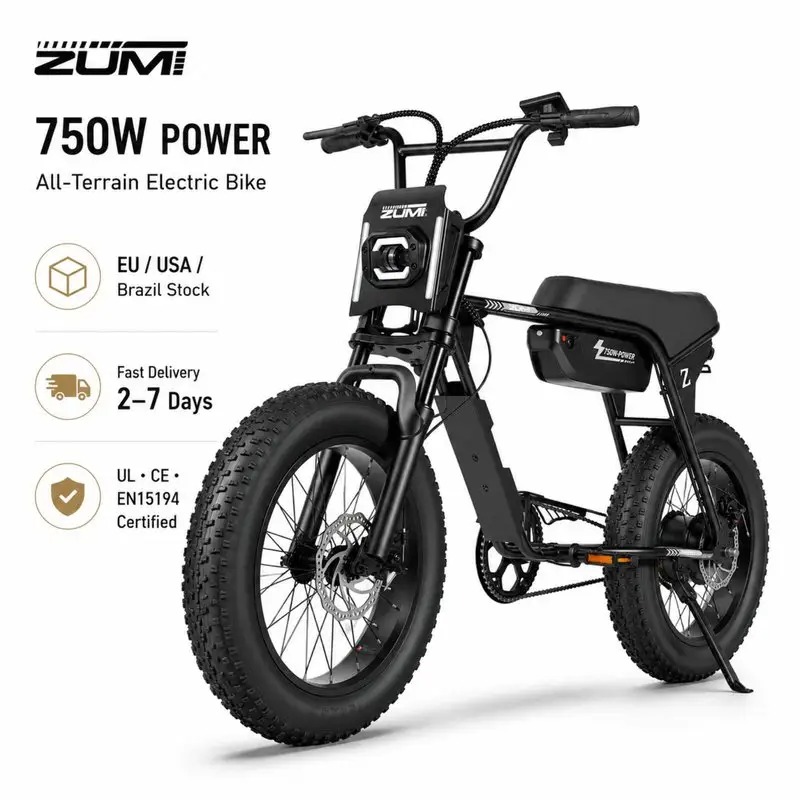
2026/08/03
Learn precise air pressure, rebound & compression tuning for optimal suspension performance. Get pro-level setup tips now.
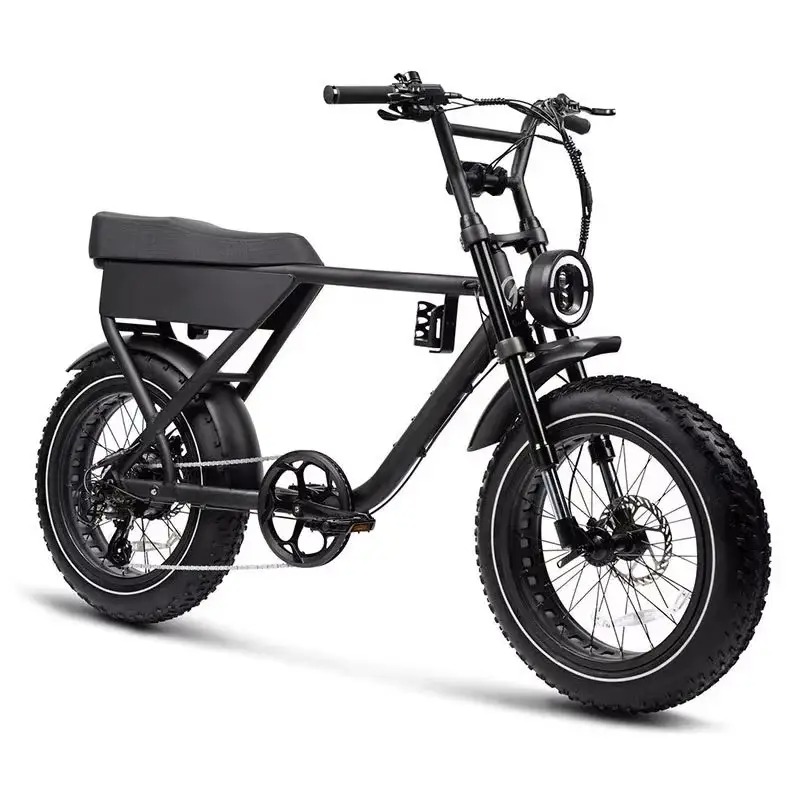
2026/08/03
Discover how voltage drop saps performance—and proven fixes to restore responsiveness, range, and battery life. Read now.
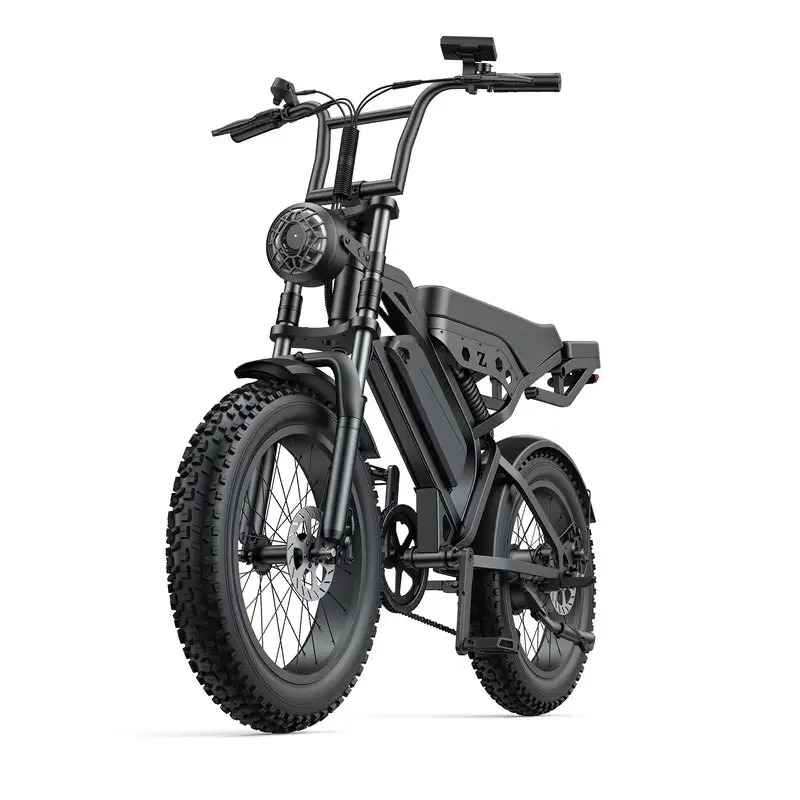
2026/08/03
Discover data-backed protocols, smart infrastructure & operational fixes. Optimize now.
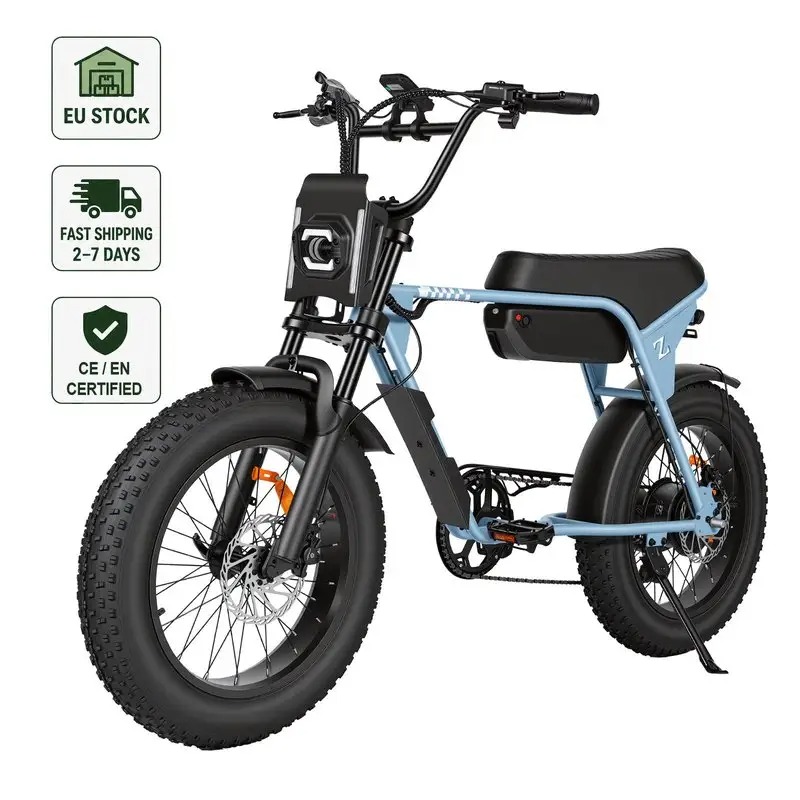
2026/08/03
How payload cuts 48V cargo ebike range by 15–50%+ — backed by real-world degradation curves, motor load science & fleet optimization strategies.
Comprehensive warranty, fast parts shipping, remote diagnostics and local dealer training


