 EN
EN
STEP 1
Full vehicle warranty for 2 years
2026/08/12
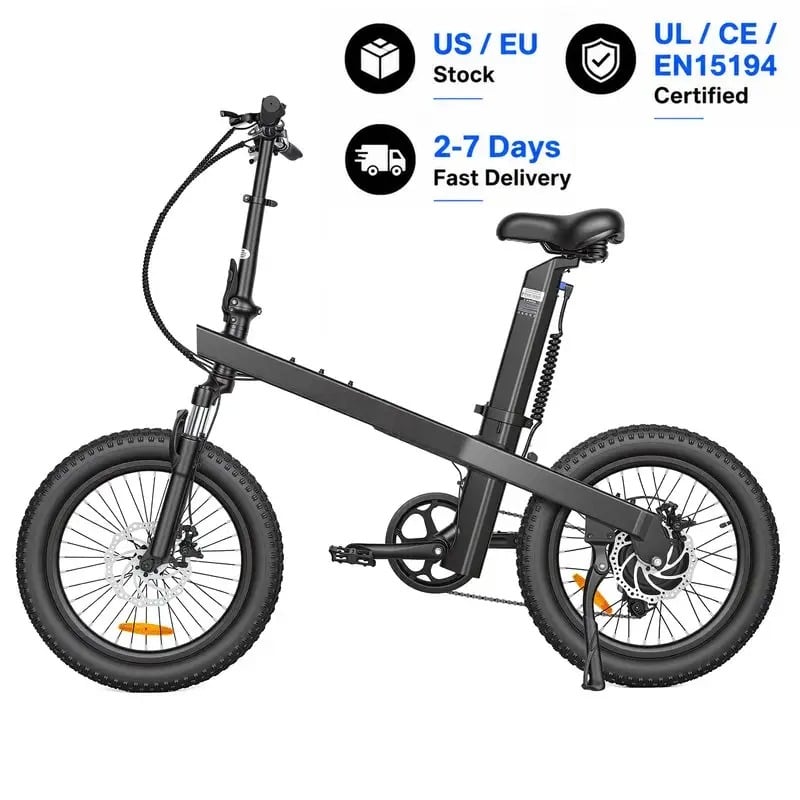
Selecting the correct frame size for an electric mountain bike is one of the most critical decisions you will make when purchasing your next ride. Frame size directly influences comfort, control, handling characteristics, and overall riding experience on technical terrain. An improperly sized frame can result in poor ergonomics, reduced maneuverability, and increased fatigue during extended trail sessions. Whether you are upgrading from a traditional mountain bike or entering the electric bike market for the first time, understanding frame sizing principles is essential for maximizing both performance and enjoyment.
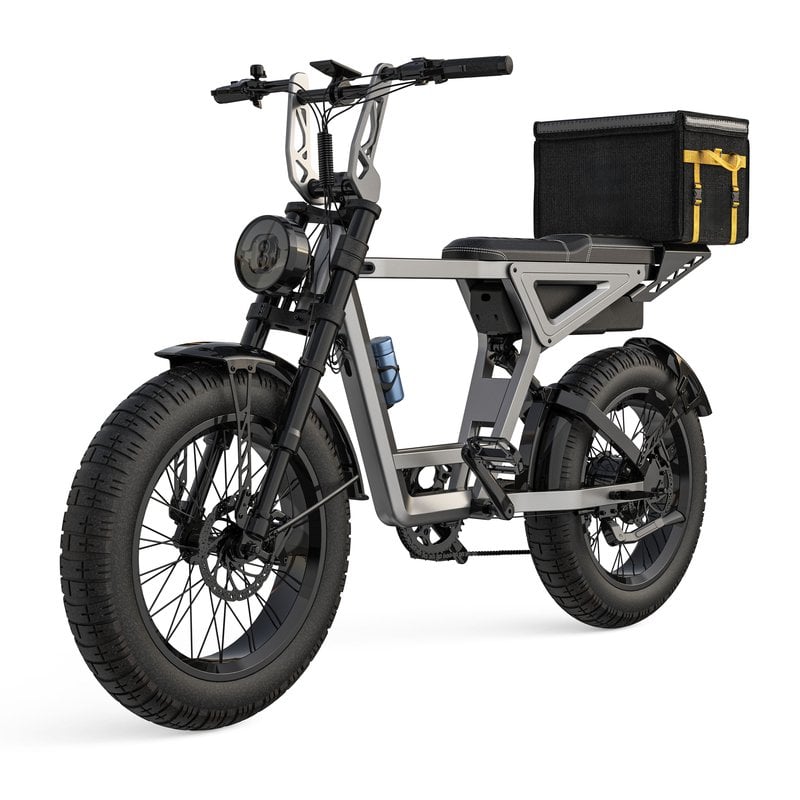
The process of finding your ideal electric mountain bike frame size involves evaluating multiple factors including inseam length, torso proportions, riding style, and terrain type. Electric bikes add weight and different weight distribution compared to conventional bikes, which affects how frame geometry and sizing influence handling. An adult electric mountain bike requires careful attention to these variables to ensure safe, confident riding. This comprehensive guide walks through the essential metrics and decision points needed to confidently choose the correct frame size for your specific needs and body dimensions.
Frame sizes on an electric mountain bike are typically measured from the center of the crank to the top of the seat tube, expressed in either centimeters or inches. This measurement directly determines the vertical distance between your seat and pedals, which is a primary factor in establishing proper leg extension and pedaling efficiency. Different manufacturers may use slightly different measurement points, so always reference the specific brand's sizing chart rather than assuming equivalence across brands. Most e mtb cycle models follow standard sizing conventions, but electric models often feature reinforced frames that may shift geometry slightly compared to traditional mountain bikes.
Adult electric mountain bike sizes generally range from small (14-16 inches) through extra-large (21-23 inches), with most production models offering four to six distinct size options. Small and medium frames typically suit riders between 5 feet and 5 feet 8 inches, while large and extra-large frames accommodate taller riders. Electric enduro mountain bike designs sometimes offer extended sizing ranges to accommodate the wider population of adult riders attracted to e-assisted trail riding. Understanding your approximate size category helps narrow your options before diving into detailed fit analysis.
Your inseam length is the foundational measurement for electric mountain bike frame selection. Measure from the inside of your ankle to your crotch while standing with feet shoulder-width apart and wearing cycling shoes. Standover height, or the clearance between the top tube and your body when standing over the bike, should provide at least one inch of clearance for safety during dismounts and emergency situations. A hybrid electric mountain bike with aggressive geometry may have different standover requirements than cross-country oriented models, so verify clearance on your specific frame design. This measurement becomes particularly important on electric enduro mountain bike models where added motor weight influences how the bike handles during technical dismounts.
Reach measures the horizontal distance from the seat tube to the handlebars, directly affecting your upper body positioning and control leverage on the e mtb cycle. Stack refers to the vertical distance from the bottom bracket to the center of the head tube, influencing overall bike geometry and riding posture. A longer reach suits riders preferring aggressive trail positioning and technical descents, while shorter reach provides stability and control on technical climbs. Electric mountain bike designs typically incorporate slightly longer reach than equivalent-sized traditional bikes to accommodate the additional motor weight and maintain balanced handling characteristics. Checking reach and stack specifications from the manufacturer's geometry chart helps confirm that the frame size offers appropriate positioning for your torso length and preferred riding style.
Electric mountain bikes carry significantly more weight than traditional models due to the motor, battery, and supporting electronics, typically adding 30-50 pounds depending on motor size and battery capacity. This added mass, concentrated in the frame and wheels, affects how frame size influences bike balance and handling characteristics during acceleration and climbing. An adult electric mountain bike frame must be sufficiently rigid to manage these forces while maintaining predictable steering response, making proper sizing even more critical than with traditional bikes. Undersized frames on electric enduro mountain bike models may feel cramped and unstable under the additional weight, while oversized frames become unwieldy despite providing clearance.
Many manufacturers adjust head tube angles and chainstay lengths on electric mountain bike designs compared to traditional geometry, compensating for motor weight and altered riding dynamics. These geometry modifications change how frame size translates into actual riding experience, emphasizing the importance of consulting e mtb cycle specific sizing guidance rather than relying on traditional mountain bike sizing rules. Hybrid electric mountain bike platforms sometimes retain more traditional geometry, which means standard sizing principles apply more directly. Test riding multiple frame sizes before purchasing, or consulting detailed reviews and user feedback specific to your chosen electric mountain bike model, provides valuable insight into how actual riders experience different size options.
Before committing to a purchase, test ride your target electric mountain bike in multiple frame sizes whenever possible through dealer programs, rental services, or manufacturer demo events. Spend time evaluating how each size feels during climbing, descending, and technical maneuvers rather than just riding flat terrain. Assess whether your knees track properly over your feet during pedaling, whether your elbows feel comfortably positioned at the handlebars, and whether you can touch the ground with your toes while seated. An adult electric mountain bike often feels different during assisted and non-assisted riding, so test both modes if available. The frame size that felt right on a traditional mountain bike may not provide optimal comfort on an electric enduro mountain bike due to weight distribution differences.
Your chosen electric mountain bike frame size should represent a balance between maximum comfort during long rides and responsive handling during technical sections. Slightly larger frames provide more stable, predictable handling at speed on an e mtb cycle, while slightly smaller frames offer quicker steering response and easier maneuvering. Consider your typical riding patterns and the terrain you frequent most often when weighting these factors. Riders who prioritize climbing efficiency and technical trail work may prefer a more responsive size, while those emphasizing endurance and speed may opt for slightly larger proportions. A hybrid electric mountain bike bridging multiple riding styles may benefit from sizes falling toward the middle of your calculated range to maintain versatility.
An undersized electric mountain bike frame creates excessive reach to the handlebars, causing back strain and reducing control leverage during technical riding. The motor weight feels more pronounced on smaller frames, potentially making the bike feel nose-heavy and difficult to maneuver. Knee clearance issues may develop, and acceleration response becomes sluggish despite the motor assistance. An e mtb cycle that is too small will feel cramped and unstable, particularly during descents when you need responsive handling to navigate obstacles.
An electric enduro mountain bike typically features slacker head angles and longer chainstays than cross-country models, which affects how frame size translates to actual riding experience. The same numerical frame size on different frame designs may provide very different reach and stack values, so consulting the specific geometry chart for your chosen model is essential. Enduro-oriented electric mountain bikes generally incorporate more aggressive sizing geometry, meaning you may feel more comfortable in a slightly smaller size compared to cross-country platforms. Always reference the manufacturer's sizing chart specific to your bike model rather than making assumptions based on frame type alone.
Yes, within reasonable limits, component adjustments can fine-tune your position on an adult electric mountain bike after purchase. Seat height adjustment, handlebar stem length and angle changes, and seatpost setback modifications all allow incremental positioning adjustments on your e mtb cycle. However, these adjustments work best as supplementary refinements rather than primary corrections for a fundamentally wrong frame size. Selecting the correct frame size initially ensures that major geometry factors align with your body proportions, making component adjustments more effective and your overall riding experience more satisfying.
2026/08/03
Fix time zones, language gaps, and unclear protocols—boost speed, cut costs, and scale confidently.
2026/08/03
Avoid liability & import bans: Learn IEC 62619, UN 38.3, and UL 2271—plus how to verify real compliance (not fakes).
2026/08/03
Learn precise air pressure, rebound & compression tuning for optimal suspension performance. Get pro-level setup tips now.
2026/08/03
Discover how voltage drop saps performance—and proven fixes to restore responsiveness, range, and battery life. Read now.
2026/08/03
Discover data-backed protocols, smart infrastructure & operational fixes. Optimize now.
2026/08/03
How payload cuts 48V cargo ebike range by 15–50%+ — backed by real-world degradation curves, motor load science & fleet optimization strategies.
Comprehensive warranty, fast parts shipping, remote diagnostics and local dealer training


