 EN
EN
STEP 1
Full vehicle warranty for 2 years
2026/09/03
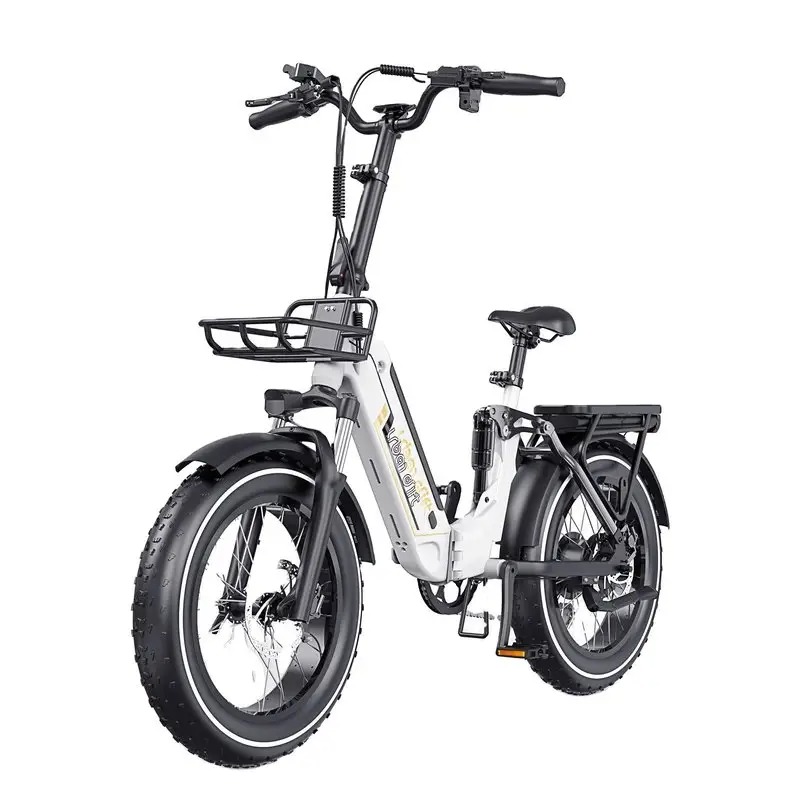
Selecting the proper amperage output for your 48v electric bike motor is one of the most critical decisions when purchasing or building an ebike. The amperage rating directly determines your motor's power delivery, acceleration capability, hill-climbing performance, and overall riding experience. A 48v electric bike system relies on the interplay between voltage and amperage to produce watts, the true measure of motor performance. Understanding this relationship helps you match motor specifications to your riding needs, terrain demands, and budget constraints.
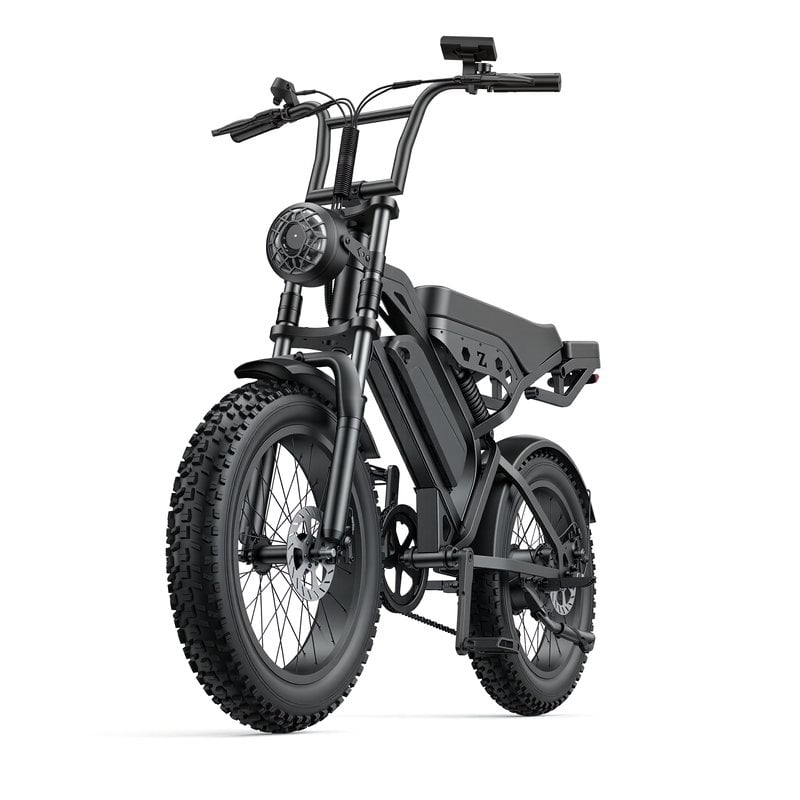
For most riders, 48v ebikes offer an excellent balance between power and practicality. The amperage output you choose will shape everything from daily commutes to off-road adventures. Whether you're considering an entry-level model, a lightweight commuter, or a high-performance 48v electric mountain bike, understanding amperage specifications ensures you invest in equipment that truly matches your requirements. This guide walks you through the essential factors that influence amperage selection and helps you avoid common purchasing mistakes.
Motor power measured in watts equals voltage multiplied by amperage. With a 48v electric bike system, different amperage ratings produce dramatically different performance profiles. An ebike 48v 250w motor typically draws around 5–6 amperes, making it suitable for urban commuting and light recreational riding. Mid-range systems commonly deliver 750–1000 watts by running 15–21 amperes through the motor. High-performance applications, including an electric bike 48v 1500w configuration, may draw 30 amperes or more, dramatically increasing acceleration and hill-climbing capability.
Your 48v ebikes system's controller limits current flow to protect both the battery and motor. Most 48v electric bike controllers range from 25 to 40 amperes maximum output. The battery's discharge capability must match or exceed the controller amperage rating. A 48-volt battery with lower amp-hour capacity discharges faster under high-amperage load, reducing your riding range significantly. Understanding this interaction prevents you from purchasing a motor and battery combination that won't deliver optimal performance or reliability.
For daily commuting on flat terrain, an ebike 48v 250w system with modest amperage provides sufficient power while maximizing efficiency and range. These lower-amperage 48v electric bike configurations excel in cities where weight matters and range extends further between charges. The gentle acceleration and controlled power delivery suit traffic patterns and pedestrian-heavy environments. Battery longevity increases significantly with lower discharge rates, meaning your 48v ebikes investment lasts longer before capacity degradation becomes noticeable.
Terrain with significant elevation changes demands higher amperage output from your 48v electric bike motor. A 48v electric mountain bike tackling steep climbs needs sufficient torque to maintain speed and rider momentum. Mid-range amperage configurations, typically delivering 750–1000 watts, handle most mountainous environments effectively. The electric bike 48v 1500w segment represents the high-performance tier, offering powerful hill-climbing capability and rapid acceleration for adventurous riders who prioritize performance over maximum range. These higher-amperage systems generate more heat, necessitating better motor cooling and more durable components.
A 48v electric bike with higher amperage compensates for heavier riders or cargo loads. If you frequently carry groceries, tools, or passengers, adequate motor amperage prevents sluggish acceleration and maintains hill-climbing performance under real-world conditions. A 48v electric mountain bike designed for rough terrain often features robust amperage ratings to handle suspension compression and technical obstacles. Lower-amperage 48v ebikes systems may struggle noticeably when payload exceeds design specifications, leading to reduced range and slower acceleration.
Higher amperage settings increase power delivery but reduce overall range per battery charge. An ebike 48v 250w system often delivers 50–80 miles of range depending on terrain and rider input. The electric bike 48v 1500w category typically provides 30–50 miles of range before requiring recharging. This inverse relationship forces you to prioritize your actual needs. Commuters with access to charging facilities can choose higher-amperage performance motors. Long-distance riders prioritizing range should select more conservative amperage configurations. Battery capacity measured in amp-hours directly influences how long you can sustain high-amperage output without depletion.
Regulatory frameworks across different regions impose legal limits on 48v ebikes motor power output. Many jurisdictions classify 48v electric bike systems below 750 watts as pedal-assist bicycles requiring no license or registration. Higher-amperage configurations delivering over 1000 watts may face classification as electric motorcycles in certain areas, triggering licensing requirements and insurance mandates. Before selecting an ebike 48v 250w entry-level model or investing in a premium 48v electric mountain bike, research your local regulations. Understanding legal classifications prevents purchasing equipment that violates local transportation codes.
The electric bike 48v 1500w segment generates substantial heat during sustained operation, requiring quality motor construction and thermal management design. Lower-amperage 48v ebikes systems generate less heat, simplifying design and extending component lifespan. High-amperage motors demand robust windings, efficient cooling, and durable bearings to withstand continuous operation at peak output. Investing in systems with superior thermal design ensures your 48v electric bike performs reliably through years of regular use. Cheap motors cutting corners on thermal management fail prematurely when pushed hard, delivering poor long-term value despite lower purchase prices.
For occasional weekend rides on mixed terrain, an ebike 48v 250w system with 5–8 amperes provides adequate performance and excellent efficiency. This amperage rating balances acceleration, range, and component longevity. If your recreational routes include moderate hills, consider stepping up to 15–18 amperes for noticeable improvement in climbing ability without sacrificing excessive range.
A 48v electric mountain bike with higher amperage delivers substantial benefits if you regularly encounter steep terrain or technical obstacles. The improved torque and acceleration justify higher purchase costs through better performance and reduced physical exertion. However, if your terrain is mostly flat or gently rolling, more modest amperage provides excellent value and reduces maintenance complexity.
Check your battery's discharge rating specified in amperes. Your 48v ebikes battery must safely deliver at least the motor controller's maximum amperage. High-quality batteries include discharge specifications; low-quality cells may not. Cross-reference controller specifications with battery discharge capacity before purchasing to ensure compatible components that deliver intended performance without safety compromise.
2026/08/03
Fix time zones, language gaps, and unclear protocols—boost speed, cut costs, and scale confidently.
2026/08/03
Avoid liability & import bans: Learn IEC 62619, UN 38.3, and UL 2271—plus how to verify real compliance (not fakes).
2026/08/03
Learn precise air pressure, rebound & compression tuning for optimal suspension performance. Get pro-level setup tips now.
2026/08/03
Discover how voltage drop saps performance—and proven fixes to restore responsiveness, range, and battery life. Read now.
2026/08/03
Discover data-backed protocols, smart infrastructure & operational fixes. Optimize now.
2026/08/03
How payload cuts 48V cargo ebike range by 15–50%+ — backed by real-world degradation curves, motor load science & fleet optimization strategies.
Comprehensive warranty, fast parts shipping, remote diagnostics and local dealer training


