 EN
EN

STEP 1
Full vehicle warranty for 2 years
2026/08/18
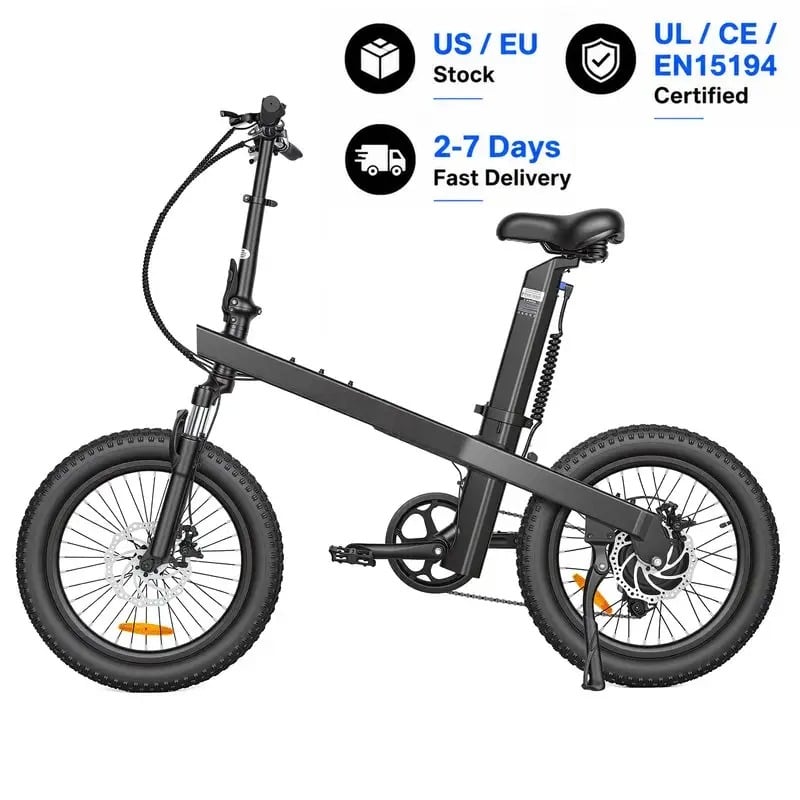
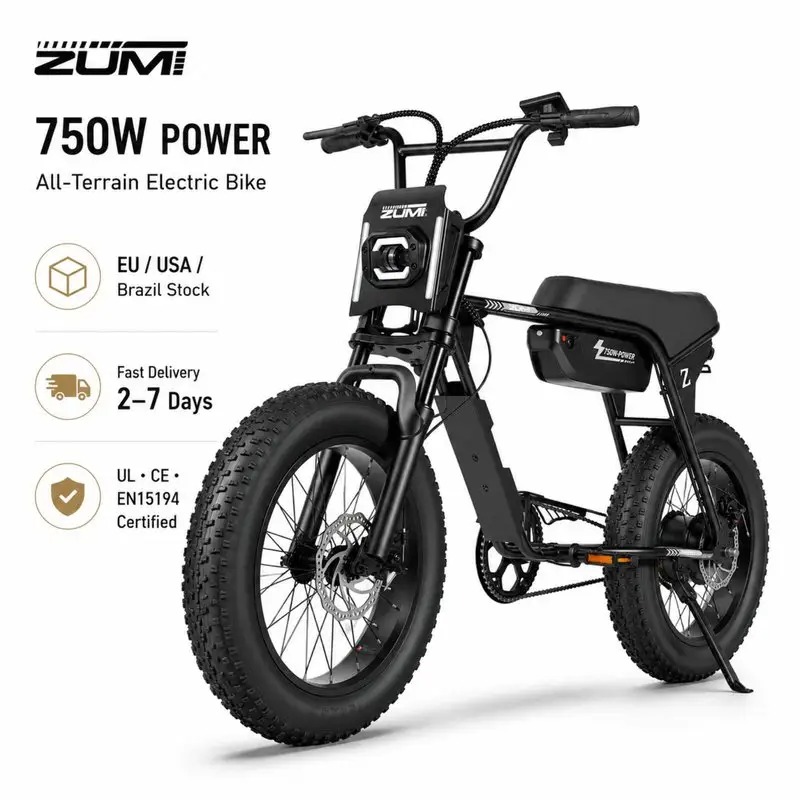
Selecting the correct battery capacity for a 750w electric bike is one of the most critical decisions you'll make as an e-bike owner. The battery is the heart of your electric bike's performance, determining how far you can travel on a single charge and how consistently you can maintain power delivery during your ride. Many riders focus exclusively on the motor wattage, but the battery capacity truly dictates the practical usability and value of your investment.
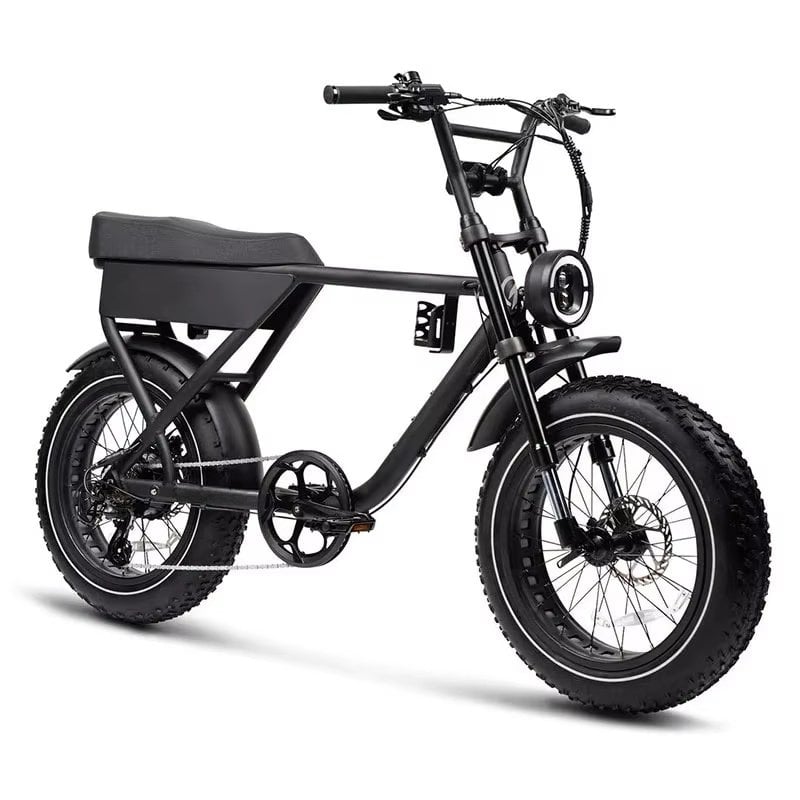
A 750w ebike's performance depends heavily on matching battery capacity to your riding needs. Whether you're commuting daily, tackling mountain trails, or exploring urban environments, understanding how battery capacity affects range, power delivery, and weight is essential. This guide walks you through the key factors that influence battery selection for 750 watt electric bikes for sale today.
Battery capacity is measured in ampere-hours (Ah) or watt-hours (Wh). For a 750w fat tire ebike, typical capacities range from 10Ah to 20Ah, translating to approximately 480Wh to 960Wh when using a 48V system. Higher capacity batteries store more energy, directly extending your riding range. A 750w e bike 750 w motor paired with a 10Ah battery typically delivers 25–35 miles of range, while a 20Ah setup can push beyond 60 miles under ideal conditions.
The relationship between capacity and range isn't linear because terrain, rider weight, pedal assist level, and weather conditions all influence consumption. Riding uphill or in sand depletes the battery faster than flat pavement. Understanding these variables helps you choose a capacity that covers your typical daily distances with a comfortable safety margin rather than constantly operating near empty.
Manufacturers often publish optimistic range estimates for 750w ebikes. Real-world testing shows that actual range typically falls 15–25% below marketing claims. A 750w electric bike rated for 50 miles might deliver 38–42 miles in practical use. This gap exists because factory tests assume moderate conditions, lighter riders, and lower assist levels. Selecting a battery capacity that exceeds your minimum daily requirement ensures you're never stranded mid-commute.
For 750 watt electric bikes for sale, battery voltage typically comes in 36V, 48V, or 52V configurations. A 48V system is most common because it balances power delivery, motor efficiency, and cost. Current capacity (Ah rating) determines sustained power output. A 750w fat tire ebike drawing continuous current needs sufficient Ah rating to maintain voltage stability under load. Undersized batteries lose voltage under strain, causing the motor to cut power unexpectedly or reduce assist intensity.
A 750w e bike 750 w system with a 10Ah battery delivers stable power, but acceleration and hill-climbing performance improve noticeably with 15Ah or 20Ah capacity. Larger batteries act as power buffers, smoothing current draw and preventing voltage sag during peak demand moments. Riders who frequently tackle steep terrain or accelerate aggressively benefit significantly from higher capacity selections.
The 750w rating defines peak motor power, but sustained performance depends on battery capacity. A well-sized battery allows your 750w ebike to maintain full assist for extended periods. Smaller batteries force the motor into lower assist modes after heavy use to protect remaining charge. For commuters and recreational riders, a 15Ah capacity typically balances sustained performance with reasonable weight and cost. Off-road enthusiasts navigating demanding trails prefer 20Ah setups that handle continuous acceleration and climbing without performance degradation.
Battery weight increases linearly with capacity. A 10Ah battery weighs roughly 5–6 pounds, while a 20Ah system adds 10–12 pounds. For a 750w fat tire ebike, total weight typically ranges from 55–75 pounds depending on frame material and battery size. This weight affects acceleration, climbing ability, portability, and pedaling without assist. Lighter riders or those who frequently carry their e bike 750 w up stairs may prefer smaller batteries, accepting reduced range in exchange for manageability.
Urban commuters with bike storage constraints or those using folding 750w ebikes should prioritize compact, efficient batteries. Long-range weekend riders or those with secure storage space can accept heavier setups. Finding your personal balance between range and weight prevents buyer's remorse. Most riders find 12Ah to 15Ah offers optimal compromise for daily use.
Larger batteries require longer charging times. A 10Ah battery charges in 3–4 hours with standard chargers, while 20Ah systems need 6–8 hours. Fast chargers reduce this to 2–4 hours for larger batteries but generate heat and slightly reduce long-term lifespan. For daily commuters, slow overnight charging with standard chargers extends battery life significantly. Consider whether your routine allows extended charging windows or requires quick turnarounds between rides.
Battery maintenance remains consistent regardless of capacity. Proper storage, avoiding deep discharges, and moderate charging patterns preserve 750w electric bike battery health for 3–5 years. Riders who frequently ride their 750 watt electric bikes for sale should invest in quality batteries from reputable manufacturers, as cheaper options sacrifice longevity for initial cost savings.
For typical daily commutes under 20 miles round-trip, a 12Ah to 15Ah battery provides excellent balance between range, weight, and charging convenience. This capacity ensures you reach work and return home comfortably while keeping the 750w electric bike lightweight and portable. If your commute exceeds 30 miles daily, consider 18Ah to 20Ah capacity.
Battery cost scales with capacity. Upgrading from 10Ah to 20Ah typically adds $300–$600 to the total bike price. This investment delivers significant range expansion and improved power delivery consistency. For riders who plan to keep their 750w ebike for several years, the extra upfront cost often proves worthwhile compared to purchasing a second battery later.
Many e bike 750 w systems allow battery upgrades if the connector types match. However, motors require specific voltage compatibility, so upgrading from 36V to 48V requires controller changes. Purchasing the correct battery capacity initially prevents expensive retrofitting. Research compatibility before buying, and consider future needs when selecting your initial battery capacity to avoid costly replacements.
2026/08/03
Fix time zones, language gaps, and unclear protocols—boost speed, cut costs, and scale confidently.
2026/08/03
Avoid liability & import bans: Learn IEC 62619, UN 38.3, and UL 2271—plus how to verify real compliance (not fakes).
2026/08/03
Learn precise air pressure, rebound & compression tuning for optimal suspension performance. Get pro-level setup tips now.
2026/08/03
Discover how voltage drop saps performance—and proven fixes to restore responsiveness, range, and battery life. Read now.
2026/08/03
Discover data-backed protocols, smart infrastructure & operational fixes. Optimize now.
2026/08/03
How payload cuts 48V cargo ebike range by 15–50%+ — backed by real-world degradation curves, motor load science & fleet optimization strategies.
Comprehensive warranty, fast parts shipping, remote diagnostics and local dealer training


