 EN
EN
STEP 1
Full vehicle warranty for 2 years
2026/08/11
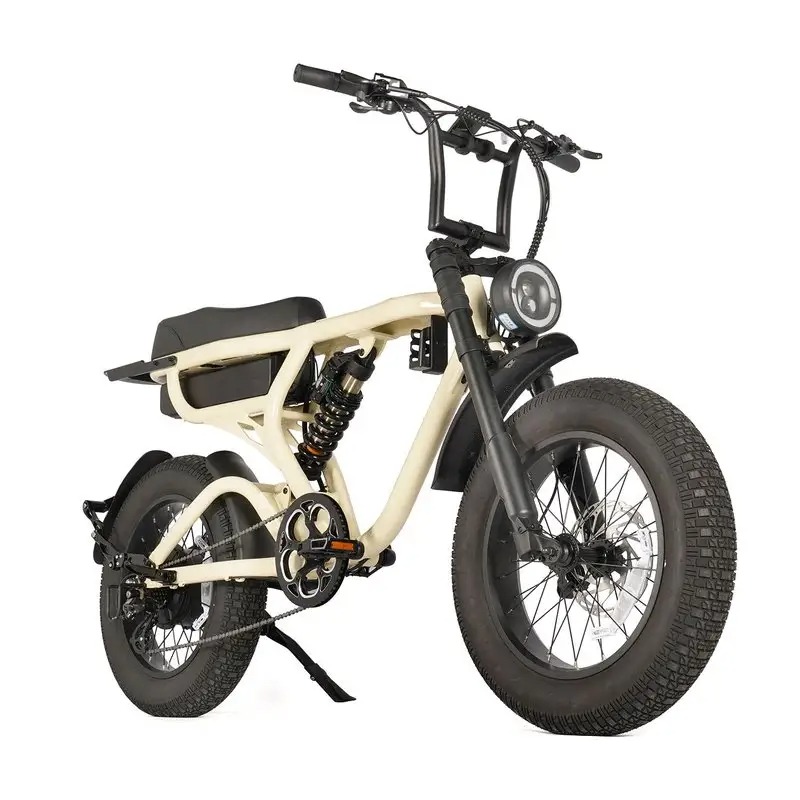
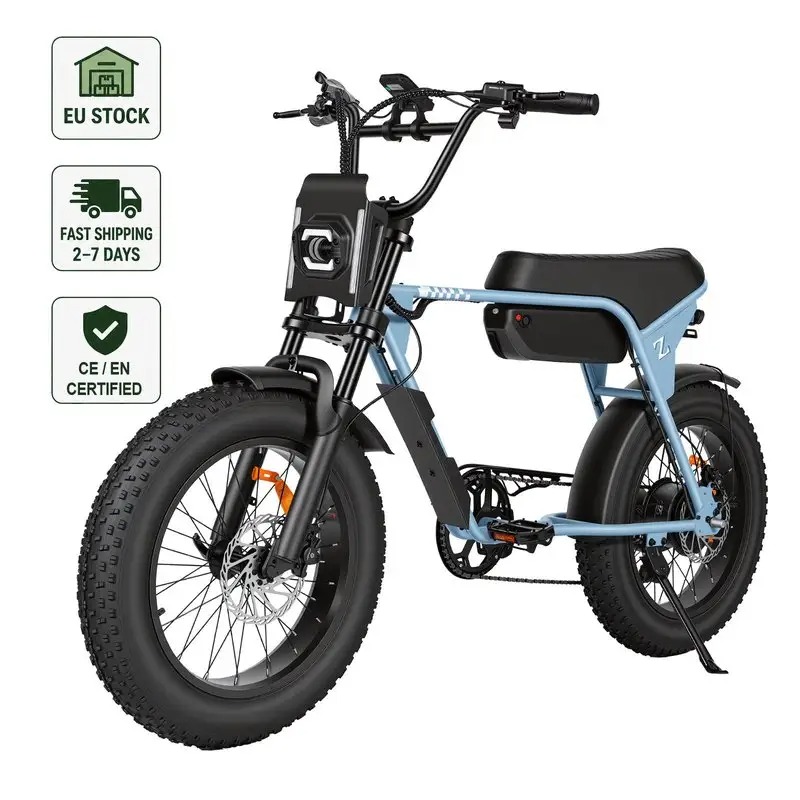
Selecting the right electric fat tire bike for rough terrains requires careful consideration of multiple performance factors, durability specifications, and your specific riding conditions. An electric wide tire bike designed for challenging environments demands a different set of priorities than casual street cycling. Understanding the technical requirements and real-world applications will help you make an informed decision that matches your terrain, budget, and long-term riding goals.
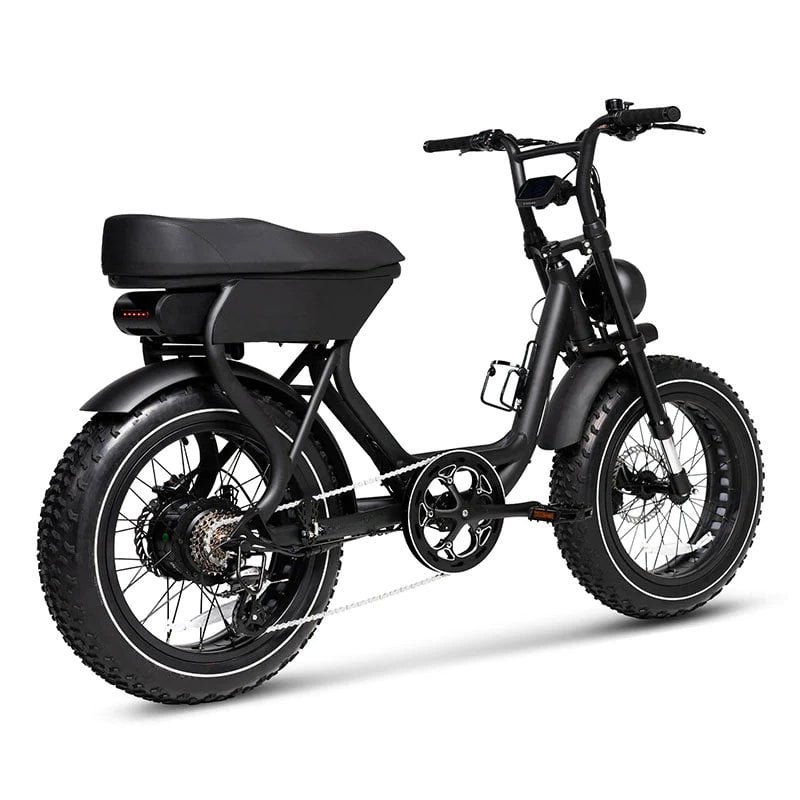
Off-road fat tire electric bikes have transformed mountain biking and backcountry exploration by combining wider tire contact patches with electric motor assistance. Whether you're navigating muddy trails, sandy beaches, or rocky mountainsides, an adult fat tire electric bike provides traction and stability that traditional bicycles cannot match. The combination of fat tire technology and electric propulsion creates unique advantages for riders seeking adventure on unpredictable terrain.
The motor power in an off road fat tire electric bike directly affects your ability to climb steep inclines and maintain speed through difficult terrain. Most high-performance models feature motors ranging from 750 watts to 1000 watts or higher, providing sufficient torque to propel a loaded adult fat tire electric bike through challenging conditions. Motor torque, measured in newton-meters (Nm), determines how effectively your bike accelerates and handles steep grades without motor strain or thermal shutdown.
Mid-drive motors and hub motors each offer distinct advantages for rough terrain. Hub motors provide consistent power delivery and require less maintenance, while mid-drive motors offer superior weight distribution and more natural pedaling feel. For an electric wide tire bike used on extreme terrain, mid-drive configuration typically provides better climbing ability and more intuitive power modulation during technical sections.
Your battery capacity directly impacts your riding range and determines how far from civilization you can safely venture. An off road fat tire electric bike typically requires 48-volt systems with 15Ah or higher capacity to deliver adequate range for full-day expeditions. Terrain type, rider weight, motor power, and pedal assistance level all influence actual range, so calculate conservative estimates rather than manufacturer maximums.
Rough terrain consumes significantly more battery power than paved surfaces, reducing your practical range by 30 to 50 percent compared to road conditions. If your planned routes span 20 miles of backcountry, choose an adult fat tire electric bike with sufficient battery capacity and consider carrying a portable charger or planning routes near charging facilities for extended adventures.
Fat tires measuring 3.8 to 5.0 inches wide create exceptional traction on loose surfaces like sand, mud, and snow while maintaining adequate grip on rock and root-covered trails. An electric wide tire bike maintains pressure between 6 and 15 PSI depending on terrain and rider weight, allowing the tire to conform to irregular surfaces and absorb impacts. Correct pressure balances comfort, traction, and efficiency; too low reduces efficiency while too high sacrifices grip and comfort.
The fat tyre electric cycle design fundamentally changes how your bike interacts with challenging terrain. The increased tire volume creates a larger contact patch, distributing your weight across more surface area and preventing your bike from sinking into soft substrates. This design principle makes fat tire technology essential for sand dunes, snow fields, and muddy trails where narrower tires would bog down or penetrate to bare ground.
Tread patterns vary significantly between tire models, with aggressive blocky patterns optimized for loose terrain while more moderate patterns balance trail performance with road usability. Knobby treads excel on mud and loose rock by creating positive engagement with surface irregularities, while smaller knobs reduce rolling resistance for harder-packed trails. Choose tread patterns matching your primary riding environment; a fat tyre electric cycle designed for alpine terrain requires different grip characteristics than one used primarily on desert or beach surfaces.
Steel and aluminum frames both serve adult fat tire electric bikes, each offering distinct advantages. Steel absorbs vibration and maintains structural integrity through repeated stress cycles, while aluminum provides lighter weight and superior corrosion resistance in wet environments. Your electric fat tire bike's frame must withstand impact forces from rocky terrain and repeated landing stresses that would damage less robust designs.
Frame geometry specifically designed for off road fat tire electric bikes positions your weight correctly for stability and control. Longer chainstays provide rear-wheel traction during climbs, while a slacker head tube angle improves downhill control and confidence on steep descents. Proper geometry prevents front-wheel lift during acceleration and maintains predictable handling as you transition between terrain types.
Full-suspension designs offer superior comfort and control on extremely rough terrain by independently managing front and rear wheel impacts. Air suspension systems provide adjustable compliance for different body weights and terrain conditions, while coil springs offer simpler maintenance and predictable performance. An electric wide tire bike equipped with quality suspension maintains traction through technical sections and reduces rider fatigue during extended adventures on rocky or root-laden trails.
Suspension travel typically ranges from 80 to 150 millimeters on adult fat tire electric bikes. More travel accommodates larger impacts but increases bike weight and complexity, requiring trade-offs based on your specific riding style. Riders tackling extreme terrain benefit from maximum travel options, while those using their fat tyre electric cycle for mixed conditions prefer moderate suspension that balances comfort with efficiency.
Hydraulic disc brakes deliver superior stopping power and modulation compared to mechanical systems, critical features for off road fat tire electric bikes operating at higher speeds with heavier combined weight. Hydraulic systems require professional maintenance but provide consistent performance in wet and muddy conditions where mechanical brakes degrade. An electric wide tire bike used on steep technical terrain absolutely requires reliable braking systems capable of controlled descents and emergency stops.
Modern adult fat tire electric bikes often include integrated safety features like hydraulic thumb throttles with progressive control, integrated lights, and regenerative braking systems that extend range while improving control. These features enhance your ability to manage unexpected terrain changes and maintain confidence in challenging environments. High-quality braking systems paired with responsive throttles create a safer, more controllable riding experience on unpredictable surfaces.
Motor power of 750 watts represents the minimum for challenging terrain, but 1000 watts or higher provides superior climbing ability and speed maintenance on steep grades. Your specific needs depend on terrain difficulty, rider weight, and whether you carry cargo. Consult terrain-specific forums and test rides to determine appropriate power levels for your intended routes.
The wide tire design and low pressure capabilities of a fat tyre electric cycle make it exceptionally well-suited for snow and sand environments where regular bikes struggle. The large contact patch prevents sinking while the electric motor provides necessary power to propel through resistance. Many riders specifically choose off road fat tire electric bikes for winter sports and beach exploration because traditional mountain bikes prove inadequate in these conditions.
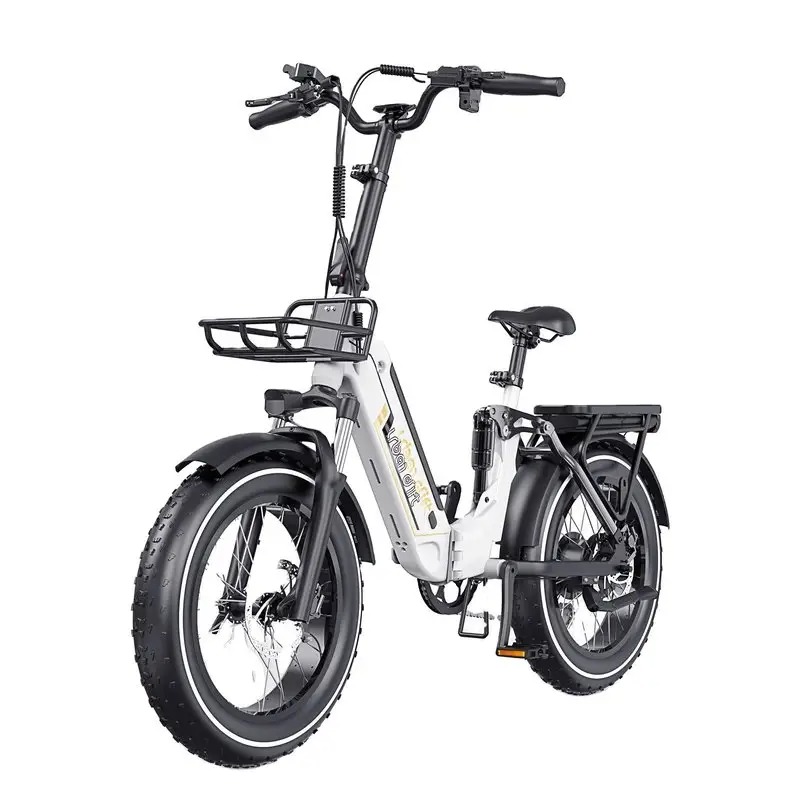
Adult fat tire electric bikes require more frequent maintenance than casual-use bicycles due to exposure to mud, sand, and water. Inspect brake pads, clean drivetrain components, and check tire condition after every 5 to 10 rides on challenging terrain. Battery systems and motor connections need protection from moisture through regular inspection and appropriate storage practices between rides.
2026/08/03
Fix time zones, language gaps, and unclear protocols—boost speed, cut costs, and scale confidently.
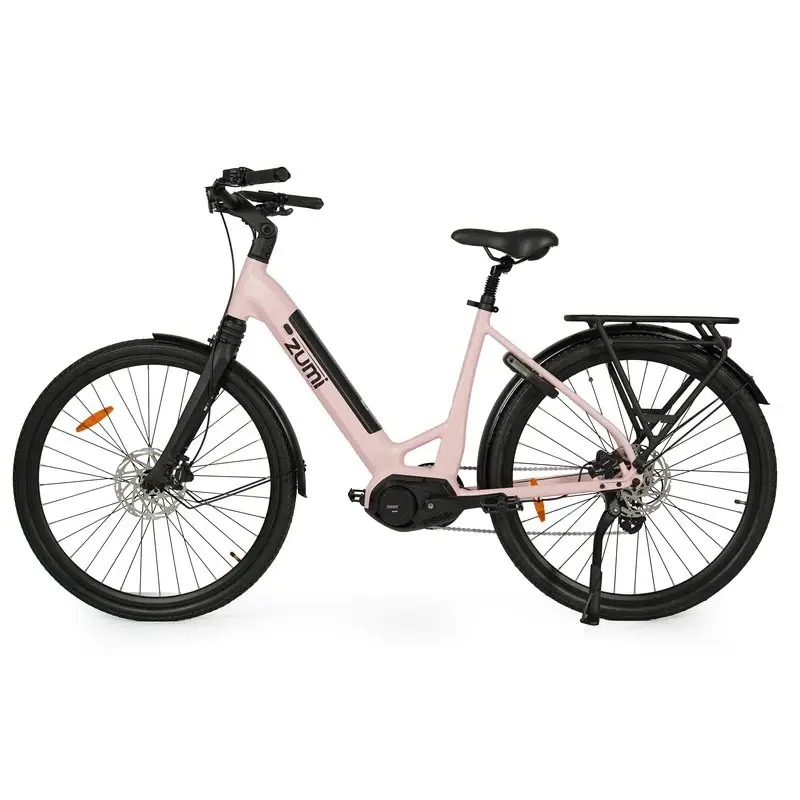
2026/08/03
Avoid liability & import bans: Learn IEC 62619, UN 38.3, and UL 2271—plus how to verify real compliance (not fakes).
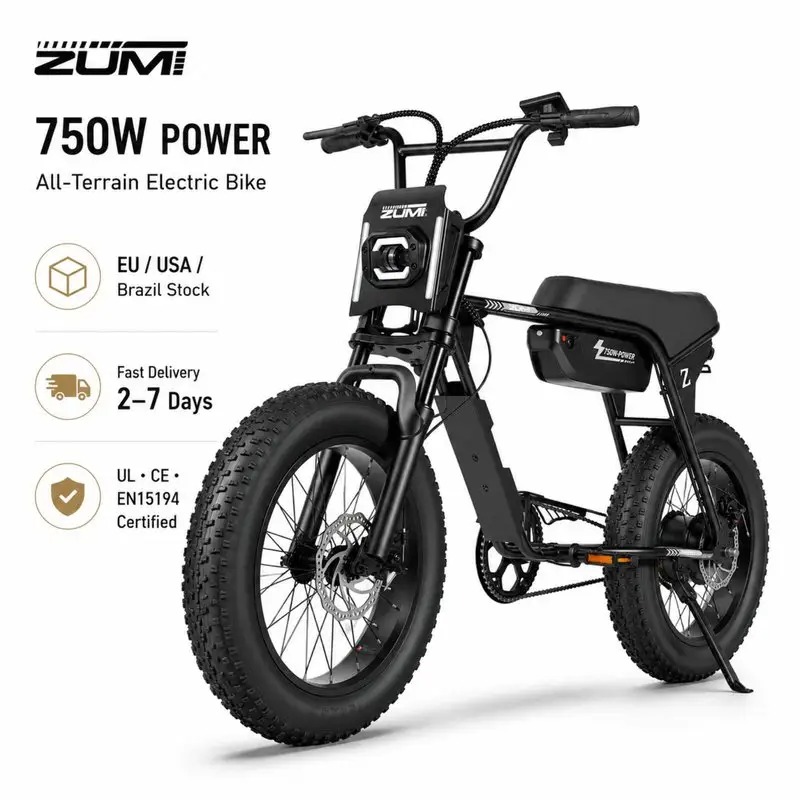
2026/08/03
Learn precise air pressure, rebound & compression tuning for optimal suspension performance. Get pro-level setup tips now.
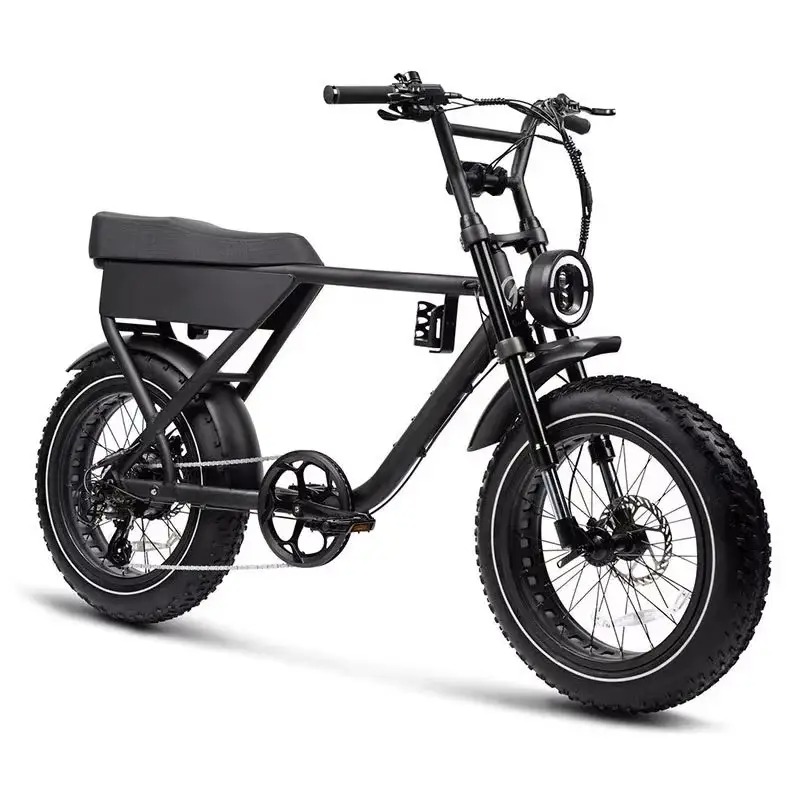
2026/08/03
Discover how voltage drop saps performance—and proven fixes to restore responsiveness, range, and battery life. Read now.
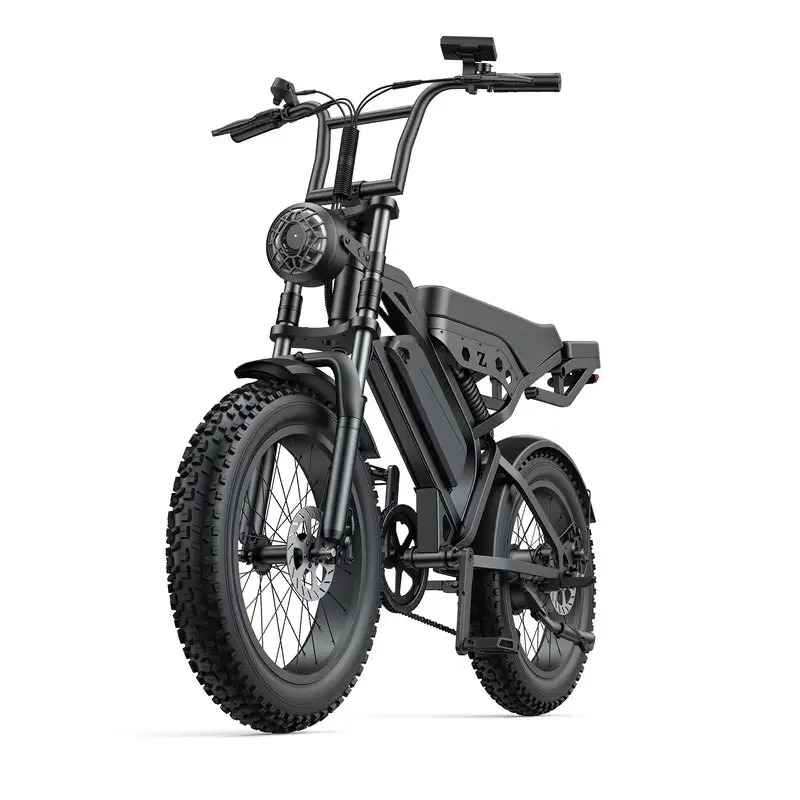
2026/08/03
Discover data-backed protocols, smart infrastructure & operational fixes. Optimize now.
2026/08/03
How payload cuts 48V cargo ebike range by 15–50%+ — backed by real-world degradation curves, motor load science & fleet optimization strategies.
Comprehensive warranty, fast parts shipping, remote diagnostics and local dealer training


