 EN
EN
STEP 1
Full vehicle warranty for 2 years
2026/08/19
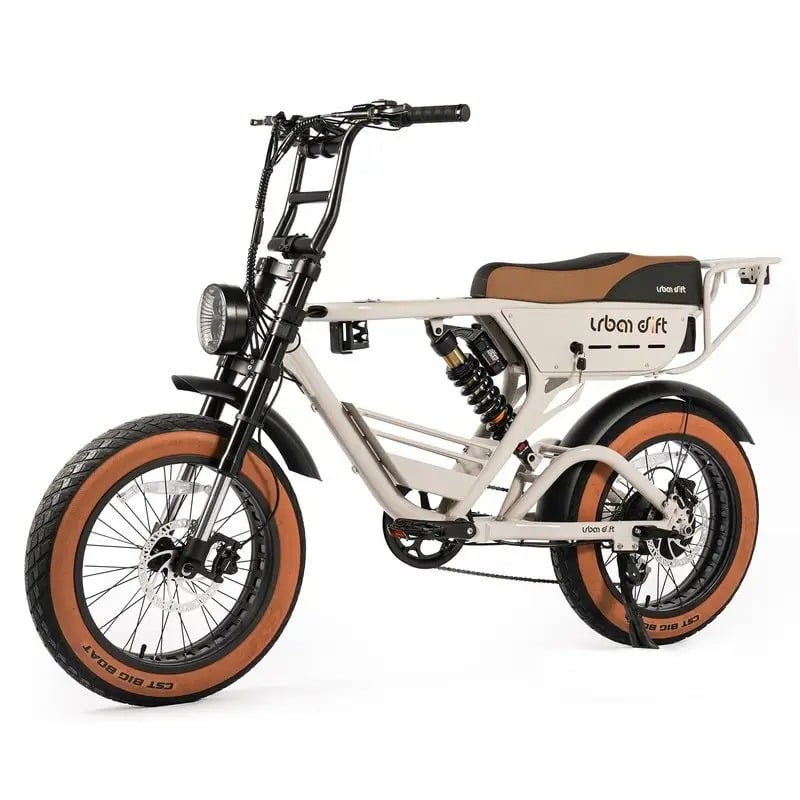
Riding a 1500w electric bike demands serious safety considerations, and helmet selection is non-negotiable. High-powered 1500w ebikes reach speeds that rival traditional motorcycles, making proper head protection critical. Unlike casual city cycling, riding a 1500 watt ebike exposes you to highway-speed impacts, extended ride times, and terrain challenges that standard bicycle helmets simply cannot handle. Understanding helmet standards ensures you invest in protection that matches your bike's performance capabilities.
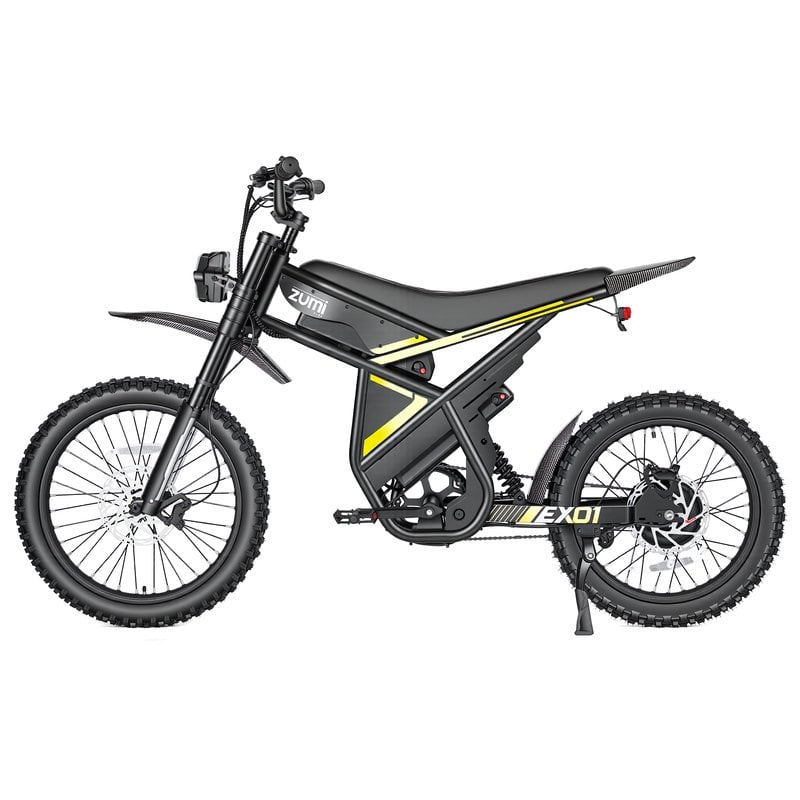
Safety standards exist for a reason, especially with powerful 1500w electric mountain bikes that can accelerate aggressively and sustain high speeds. Fat tire electric bike 1500w models and off-road variants present unique challenges, from dust impacts to tree branches at velocity. Choosing the right helmet standard ensures your head protection meets industry-tested safety benchmarks designed for your specific riding conditions and speed range.
Helmet standards define minimum impact protection, retention system reliability, and visibility requirements. When riding 1500 watt ebike models capable of reaching 40 mph or higher, standard bicycle helmets rated for 12 mph impacts prove inadequate. DOT and ECE certifications involve rigorous testing protocols: helmets are dropped from specific heights, struck with weighted anvils, and evaluated for shell integrity and foam crush resistance. These standards directly correlate to survival and injury reduction in real-world crashes.
For 1500w electric mountain bike riders tackling trails and mixed terrain, the impact scenarios differ dramatically from pavement cycling. Multiple impacts at high velocity, side-impact forces, and abrasion resistance become critical factors. Industry-recognized standards ensure manufacturers test under conditions that reflect actual riding hazards, protecting riders who push powerful 1500w ebikes to their limits.
DOT (Department of Transportation) certification, recognized across North America, mandates helmets withstand impact speeds and rotational forces typical of motorized vehicle accidents. ECE 22.05, the European standard, applies even more rigorous testing protocols and remains the global benchmark. For fat tire electric bike 1500w users, ECE certification typically provides broader coverage and stricter safety margins. CPSC (Consumer Product Safety Commission) standards apply to bicycle helmets but often fall short for 1500 watt ebike speeds and impact scenarios.
Many riders mistakenly assume bicycle helmets with CPSC ratings suffice for 1500w ebikes. The difference lies in impact energy absorption capacity and retention system durability. A DOT or ECE-certified helmet designed for motorcycle or moped use typically exceeds bicycle helmet protections, offering reinforced shells, enhanced foam density, and superior chinstrap systems suited for higher-speed impacts.
Full-face helmets provide maximum protection for aggressive 1500w electric mountain bike riding, covering the jaw, chin, and face areas vulnerable in crashes. Half-shell or three-quarter helmets offer better ventilation and visibility but sacrifice lower-face protection. Choosing between these depends on your riding environment: trail riding at speed justifies full coverage, while commuting on established paths may allow three-quarter design. Fat tire electric bike 1500w models often carry riders through varied terrain where falls can occur at unpredictable angles, making full-face helmets the safer choice.
Ventilation systems matter for comfort during extended 1500 watt ebike sessions. Overheating leads to fatigue and reduced focus, paradoxically increasing accident risk. Modern DOT and ECE helmets integrate aerodynamic vents that maintain airflow without compromising structural integrity, keeping riders alert during longer commutes or recreational rides on 1500w ebikes.
A properly fitted helmet sits level on your head, one to two finger-widths above eyebrows, with the chinstrap snug and immovable. Poor fit negates helmet benefits entirely, as loose helmets shift during impacts. When selecting a helmet for your 1500w electric mountain bike, allocate time for fitting adjustments and test multiple brands, as head shapes vary significantly. ECE and DOT standards mandate retention systems that prevent helmet rotation or ejection during crash scenarios, but proper fastening remains user responsibility.
Replacing helmets after any significant impact is essential, regardless of visible damage. Foam compression inside the helmet absorbs energy through deformation, compromising protective capacity even if the external shell appears intact. Riders of fat tire electric bike 1500w models who experience multiple crashes or those riding demanding trails should inspect and replace helmets routinely, ensuring each ride benefits from fresh protective material designed for 1500 watt ebike accident prevention.
Urban commuters on 1500w ebikes navigating city streets may prioritize visibility features like integrated lights and reflective panels while maintaining DOT certification. Trail riders on 1500w electric mountain bikes benefit from full-face designs with integrated sun visors and aggressive styling suited to off-road impacts. Fat tire electric bike 1500w users crossing mixed terrain, sand, and rocky ground should select helmets with extended visors and rotational-impact resistance exceeding standard bicycle requirements. Matching your helmet choice to actual riding patterns ensures protection standards align with real hazards.
Different helmet designs serve distinct purposes within the 1500 watt ebike ecosystem. A commuter's needs differ from a recreational trail rider's requirements, and selecting the right standard ensures your helmet investment directly addresses your exposure profile. Riders frequently transitioning between road and off-road scenarios with 1500w electric mountain bikes might maintain multiple helmets, each optimized for specific conditions and certified appropriately.
Proper helmet maintenance extends protective lifespan and ensures ongoing compliance with DOT and ECE standards. Store helmets in cool, dry locations away from direct sunlight, which degrades foam and adhesives over time. Clean removable liners regularly, and inspect exterior shells monthly for cracks, dents, or separation. Riders logging high mileage on 1500w ebikes or 1500w electric mountain bikes should inspect more frequently, replacing helmets every 3 to 5 years regardless of accident history, as foam naturally deteriorates with age and exposure.
Documentation matters when purchasing DOT or ECE-certified helmets. Genuine certifications display clear labeling on interior liners with visible standards markings. Counterfeit helmets circulate in online marketplaces, so purchase from established retailers offering authentic products. When riding a 1500 watt ebike at speeds exceeding 35 mph, cutting corners on helmet authenticity creates unacceptable safety gaps that no cost savings justify.
Standard bicycle helmets rated CPSC do not provide adequate protection for 1500w electric bike speeds. DOT or ECE-certified helmets designed for motorized vehicles withstand higher-impact forces and rotational stresses that 1500 watt ebike riders encounter. Upgrading to a motorcycle-grade or moped-grade helmet significantly reduces head injury risk on 1500w electric mountain bikes.
ECE 22.05 European standards typically impose stricter testing protocols than DOT certification, including more rigorous impact simulations and rotational-impact assessment. For 1500w ebikes, ECE certification provides marginally broader safety assurance, though both meet high protective thresholds. Many premium helmets carry both certifications, offering maximum confidence for riders of fat tire electric bike 1500w models.
Replace helmets every 3 to 5 years regardless of accident history, as foam naturally degrades with age and UV exposure. Riders logging high mileage on 1500 watt ebike or 1500w electric mountain bike models should replace more frequently if riding occurs in intense sun or hot climates. Always replace immediately after any significant crash, visible damage, or suspected impact to ensure continued protection standards.
2026/08/03
Fix time zones, language gaps, and unclear protocols—boost speed, cut costs, and scale confidently.
2026/08/03
Avoid liability & import bans: Learn IEC 62619, UN 38.3, and UL 2271—plus how to verify real compliance (not fakes).
2026/08/03
Learn precise air pressure, rebound & compression tuning for optimal suspension performance. Get pro-level setup tips now.
2026/08/03
Discover how voltage drop saps performance—and proven fixes to restore responsiveness, range, and battery life. Read now.
2026/08/03
Discover data-backed protocols, smart infrastructure & operational fixes. Optimize now.
2026/08/03
How payload cuts 48V cargo ebike range by 15–50%+ — backed by real-world degradation curves, motor load science & fleet optimization strategies.
Comprehensive warranty, fast parts shipping, remote diagnostics and local dealer training


